Tiya Miles – författare
Visar alla böcker från författaren Tiya Miles. Handla med fri frakt och snabb leverans.
27 produkter
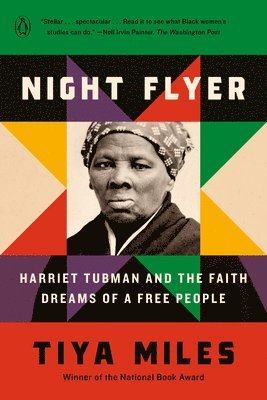
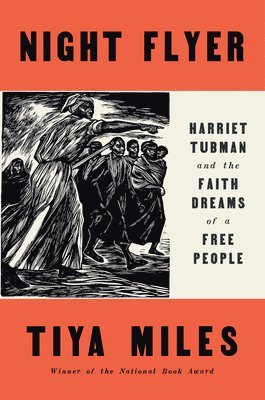
Night Flyer: Harriet Tubman and the Faith Dreams of a Free People
Av Tiya Miles, Henry Louis Gates
Häftad, 2025
274 kr
Lägg i varukorg
Ties That Bind
The Story of an Afro-Cherokee Family in Slavery and Freedom
Av Tiya Miles
Häftad, 2015
246 kr
Lägg i varukorg
This beautifully written book, now in its second edition, tells the haunting saga of a quintessentially American family. It is the story of Shoe Boots, a famed Cherokee warrior and successful farmer, and Doll, an African slave he acquired in the late 1790s. Over the next thirty years, Shoe Boots …
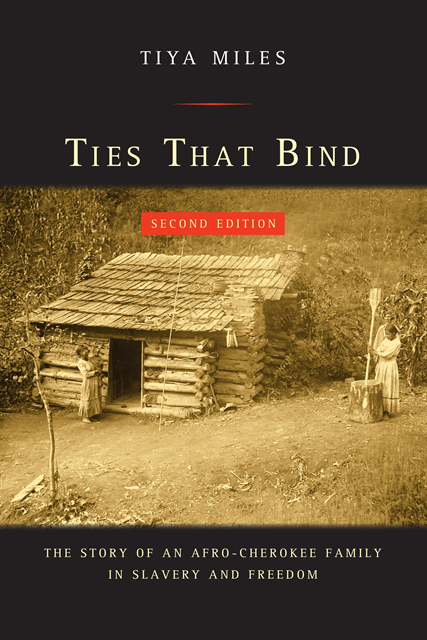
Ties That Bind
The Story of an Afro-Cherokee Family in Slavery and Freedom
Av Tiya Miles
E-bok, 2015
214 kr
Lägg i varukorg
This beautifully written book, now in its second edition, tells the haunting saga of a quintessentially American family. In the late 1790s, Shoe Boots, a famed Cherokee warrior and successful farmer, acquired an African slave named Doll. Over the next thirty years, Shoe Boots and Doll lived …
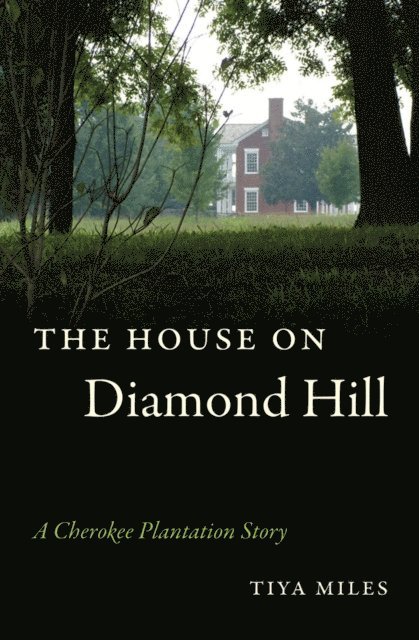
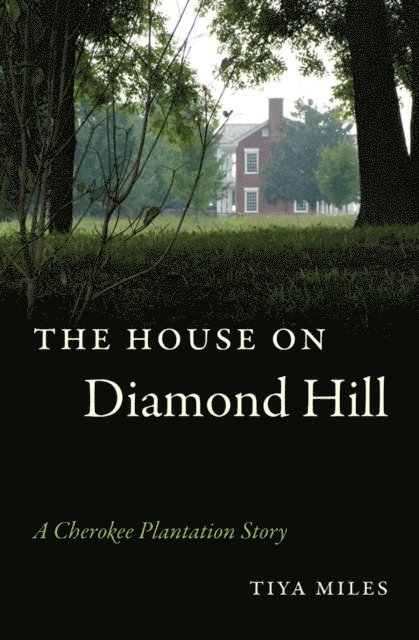
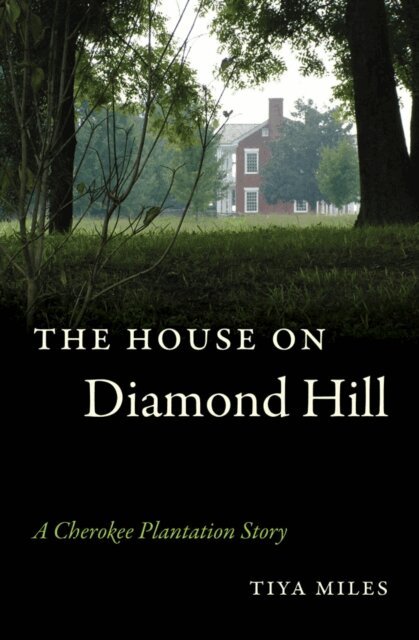
House on Diamond Hill
A Cherokee Plantation Story
Av Tiya Miles
E-bok, 2010
433 kr
Lägg i varukorg
At the turn of the nineteenth century, James Vann, a Cherokee chief and entrepreneur, established Diamond Hill in Georgia, the most famous plantation in the southeastern Cherokee Nation. In this first full-length study to reconstruct the history of the plantation, Tiya Miles tells the story of …
House on Diamond Hill
A Cherokee Plantation Story
Av Tiya Miles
Häftad, 2012
458 kr
Lägg i varukorg
At the turn of the nineteenth century, James Vann, a Cherokee chief and entrepreneur, established Diamond Hill in Georgia, the most famous plantation in the southeastern Cherokee Nation. In this first full-length study to reconstruct the history of the plantation, Tiya Miles tells the story of …
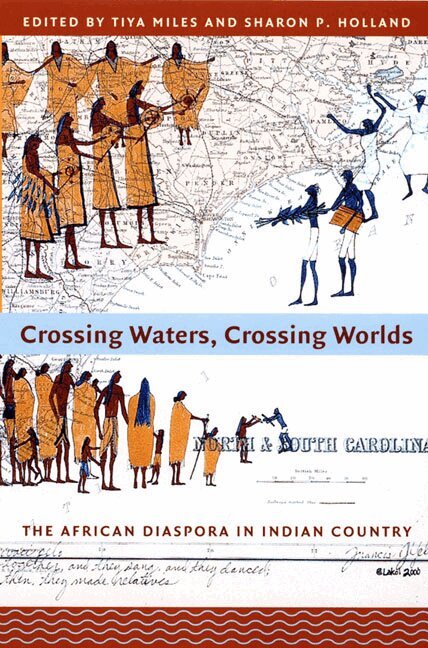
Crossing Waters, Crossing Worlds
The African Diaspora in Indian Country
Av Tiya Miles, Sharon Patricia Holland
Häftad, 2006
632 kr
Lägg i varukorg
Crossing Waters, Crossing Worlds explores the critically neglected intersection of Native and African American cultures. This interdisciplinary collection combines historical studies of the complex relations between blacks and Indians in Native communities with considerations and examples of …
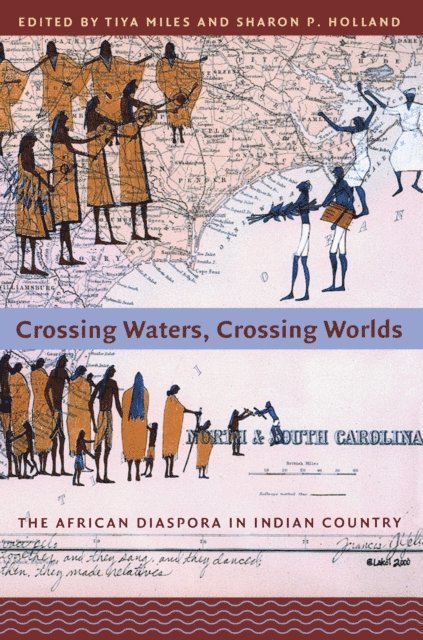
Crossing Waters, Crossing Worlds
The African Diaspora in Indian Country
Av Sharon Patricia Holland, Tiya Miles
E-bok, 2006
671 kr
Lägg i varukorg
Crossing Waters, Crossing Worlds explores the critically neglected intersection of Native and African American cultures. This interdisciplinary collection combines historical studies of the complex relations between blacks and Indians in Native communities with considerations and examples of …
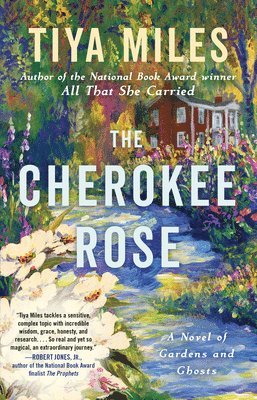
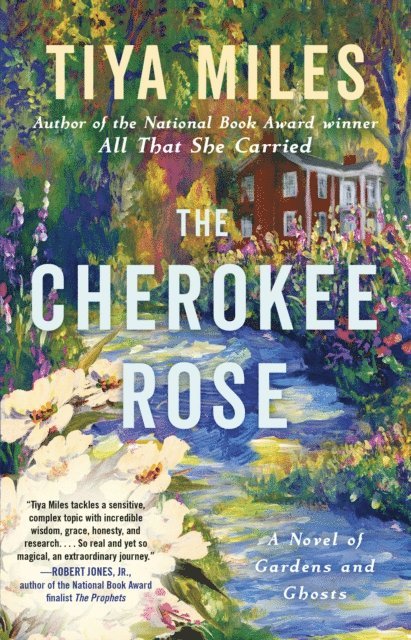
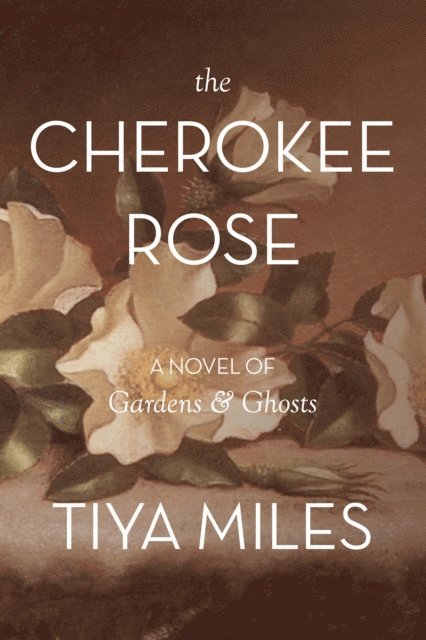
Cherokee Rose
A Novel of Gardens and Ghosts
Av Tiya Miles
E-bok, 2016
139 kr
Lägg i varukorg
The Cherokee Rose , written by Tiya Miles, award-winning historian and recipient of a recent MacArthur “genius grant”, examines a little-known aspect of America’s past—slaveholding by Southern Cherokees—and its legacy in the lives of three contemporary young women who are drawn to the Georgia …
Wild Girls
How the Outdoors Shaped the Women Who Challenged a Nation
Av Tiya Miles
Inbunden, 2023
222 kr
Lägg i varukorg
Harriet Tubman, forced to labour outdoors on a Maryland plantation, learned a terrain for escape. Louisa May Alcott ran wild, eluding gendered expectations in New England. The Indigenous women’s basketball team from Fort Shaw, Montana, recaptured a sense of pride in physical prowess as they …
Wild Girls
How the Outdoors Shaped the Women Who Challenged a Nation
Av Tiya Miles
Häftad, 2024
124 kr
Lägg i varukorg
Harriet Tubman, forced to labour outdoors on a Maryland plantation, learned from the land a terrain for escape. Louisa May Alcott ran wild, eluding gendered expectations in New England. The Indigenous women’s basketball team from Fort Shaw, Montana, recaptured a sense of pride in physical prowess …
House on Diamond Hill
A Cherokee Plantation Story
Av Tiya Miles
E-bok, 2010
937 kr
Lägg i varukorg
At the turn of the nineteenth century, James Vann, a Cherokee chief and entrepreneur, established Diamond Hill in Georgia, the most famous plantation in the southeastern Cherokee Nation. In this first full-length study to reconstruct the history of the plantation, Tiya Miles tells the story of …
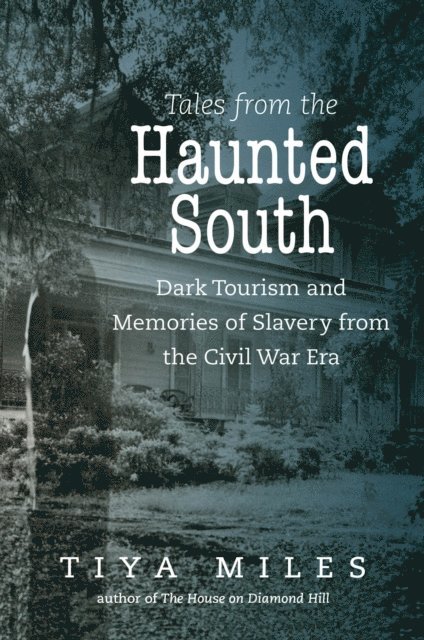
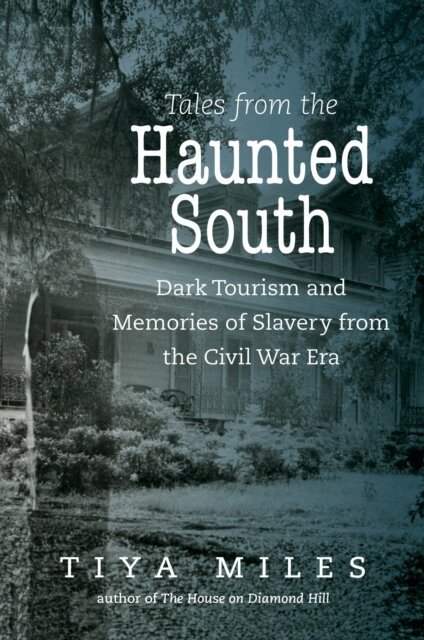
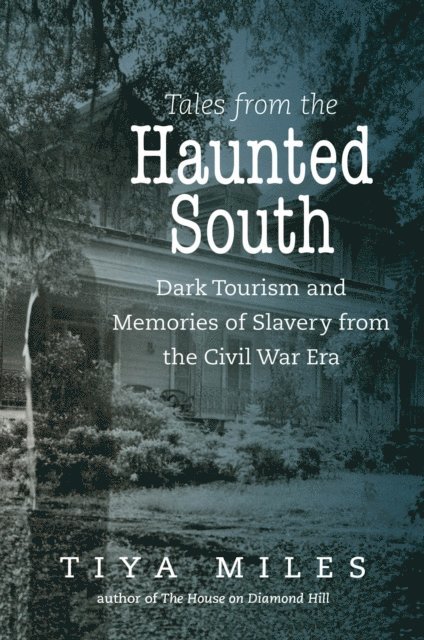
Tales from the Haunted South
Dark Tourism and Memories of Slavery from the Civil War Era
Av Tiya Miles
E-bok, 2015
823 kr
Lägg i varukorg
In this book Tiya Miles explores the popular yet troubling phenomenon of “ghost tours,” frequently promoted and experienced at plantations, urban manor homes, and cemeteries throughout the South. As a staple of the tours, guides entertain paying customers by routinely relying on stories of enslaved …
Tales from the Haunted South
Dark Tourism and Memories of Slavery from the Civil War Era
Av Tiya Miles
Häftad, 2017
299 kr
Lägg i varukorg
In this book Tiya Miles explores the popular yet troubling phenomenon of ""ghost tours,"" frequently promoted and experienced at plantations, urban manor homes, and cemeteries throughout the South. As a staple of the tours, guides entertain paying customers by routinely relying on stories of …
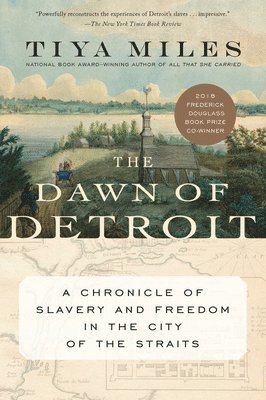
Dawn Of Detroit
A Chronicle of Slavery and Freedom in the City of the Straits
Av Tiya Miles
Häftad, 2019
183 kr
Lägg i varukorg
In this paradigm-shifting book, celebrated historian Tiya Miles reveals that slavery was at the heart of the Midwest's iconic city: Detroit. Miles has pieced together the experience of the unfree - both native and African American - in the frontier outpost of Detroit, a place wildly remote yet at …
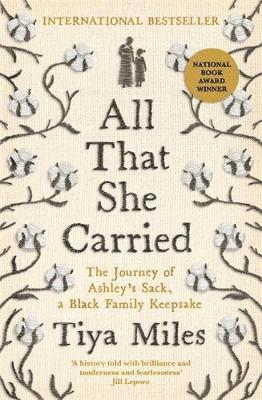
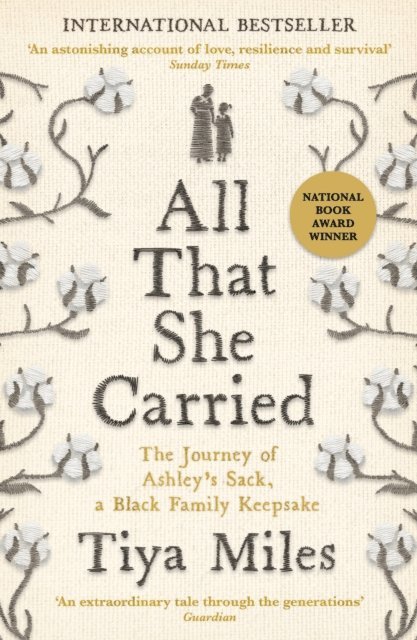
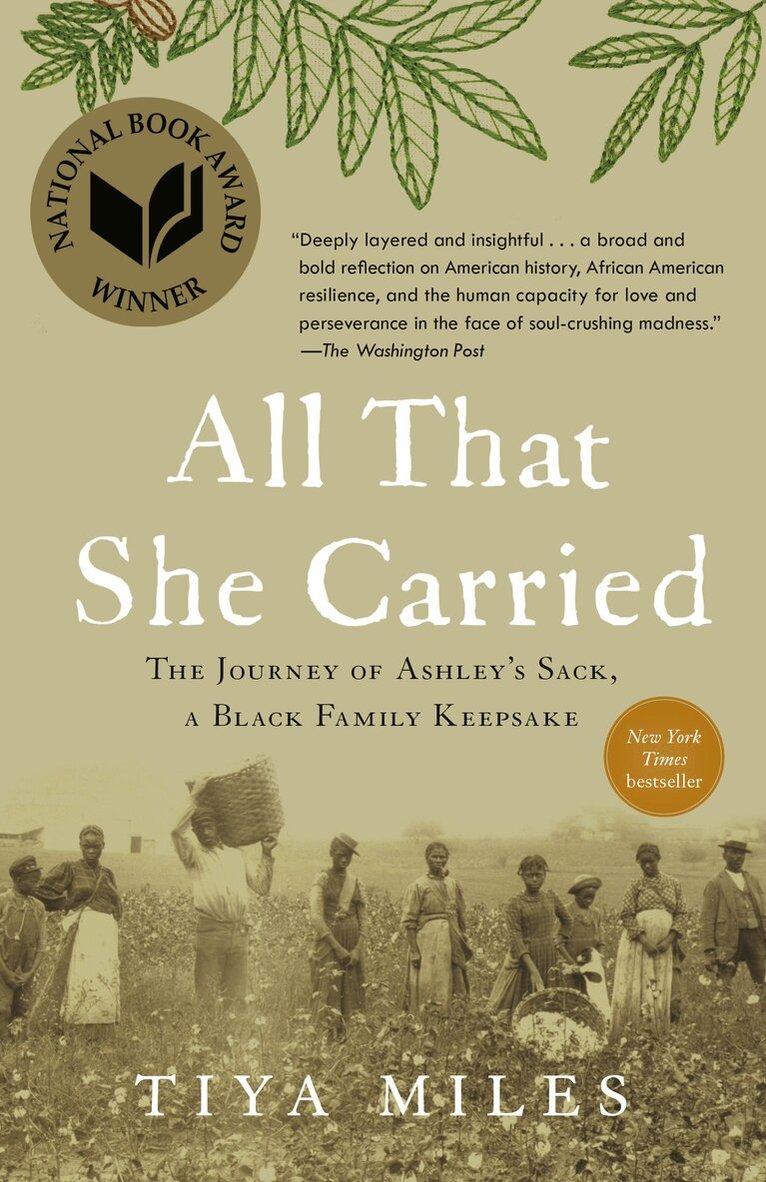
All That She Carried
The Journey of Ashley's Sack, a Black Family Keepsake
Av Tiya Miles
Inbunden, 2023
280 kr
Lägg i varukorg
LONGLISTED FOR THE BAILLIE GIFFORD PRIZE FOR NON-FICTIONNATIONAL BOOK AWARD WINNER ~ NEW YORK TIMES BESTSELLER ~ WINNER OF THE CUNDILL HISTORY PRIZE'An astonishing account of love, resilience and survival' Sunday Times'A remarkable book' New York Times'An extraordinary tale through the generations' …
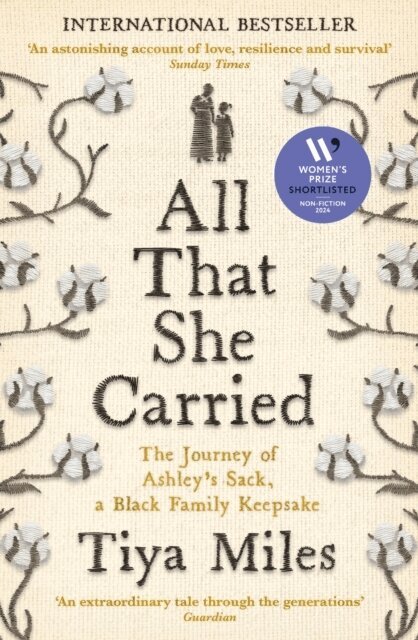
All That She Carried
The Journey of Ashley's Sack, a Black Family Keepsake
Av Tiya Miles
Häftad, 2024
149 kr
Lägg i varukorg
SHORTLISTED FOR THE WOMEN'S PRIZE FOR NON-FICTIONLONGLISTED FOR THE BAILLIE GIFFORD PRIZE FOR NON-FICTIONNATIONAL BOOK AWARD WINNERNEW YORK TIMES BESTSELLERWINNER OF THE CUNDILL HISTORY PRIZE'An astonishing account of love, resilience and survival' Sunday Times'A remarkable book' New York Times'An …
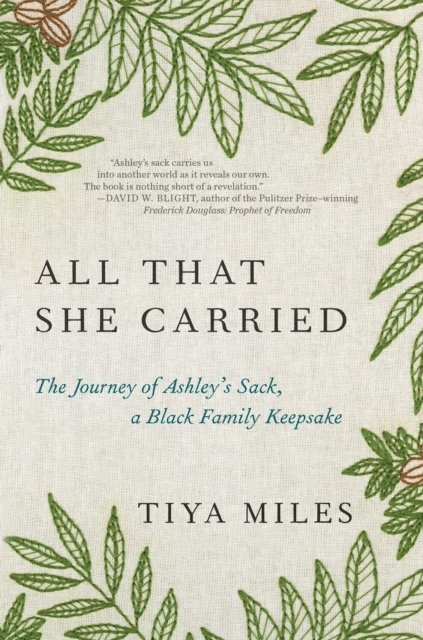
All That She Carried
The Journey of Ashley's Sack, a Black Family Keepsake
Av Tiya Miles
E-bok, 2023
147 kr
Lägg i varukorg
SHORTLISTED FOR THE WOMEN''S PRIZE FOR NON-FICTIONLONGLISTED FOR THE BAILLIE GIFFORD PRIZE FOR NON-FICTIONNATIONAL BOOK AWARD WINNERNEW YORK TIMES BESTSELLERWINNER OF THE CUNDILL HISTORY PRIZE''An astonishing account of love, resilience and survival'' Sunday Times''A remarkable book'' New York …
Tales from the Haunted South
Dark Tourism and Memories of Slavery from the Civil War Era
Av Tiya Miles
E-bok, 2015
286 kr
Lägg i varukorg
In this book Tiya Miles explores the popular yet troubling phenomenon of “ghost tours,” frequently promoted and experienced at plantations, urban manor homes, and cemeteries throughout the South. As a staple of the tours, guides entertain paying customers by routinely relying on stories of enslaved …
Tales from the Haunted South
Dark Tourism and Memories of Slavery from the Civil War Era
Av Tiya Miles
E-bok, 2015
847 kr
Lägg i varukorg
In this book Tiya Miles explores the popular yet troubling phenomenon of “ghost tours,” frequently promoted and experienced at plantations, urban manor homes, and cemeteries throughout the South. As a staple of the tours, guides entertain paying customers by routinely relying on stories of enslaved …
House on Diamond Hill
A Cherokee Plantation Story
Av Tiya Miles
E-bok, 2010
446 kr
Lägg i varukorg
At the turn of the nineteenth century, James Vann, a Cherokee chief and entrepreneur, established Diamond Hill in Georgia, the most famous plantation in the southeastern Cherokee Nation. In this first full-length study to reconstruct the history of the plantation, Tiya Miles tells the story of …
House on Diamond Hill
A Cherokee Plantation Story
Av Tiya Miles
E-bok, 2010
1062 kr
Lägg i varukorg
At the turn of the nineteenth century, James Vann, a Cherokee chief and entrepreneur, established Diamond Hill in Georgia, the most famous plantation in the southeastern Cherokee Nation. In this first full-length study to reconstruct the history of the plantation, Tiya Miles tells the story of …
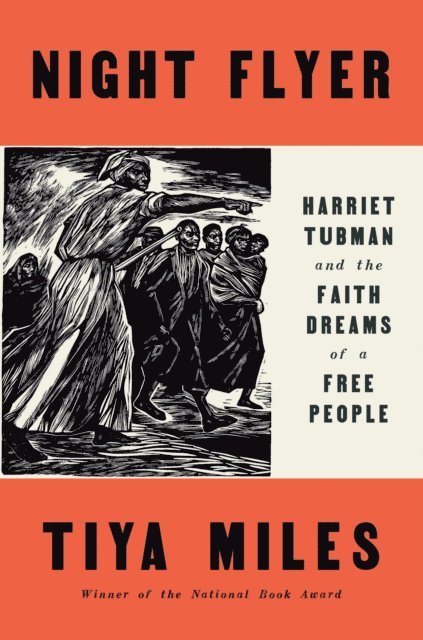
Night Flyer: Harriet Tubman and the Faith Dreams of a Free People
Av Tiya Miles, Henry Louis Gates
Inbunden, 2024
355 kr
Tillfälligt slut
All That She Carried
The Journey of Ashley's Sack, a Black Family Keepsake
Av Tiya Miles
Häftad, 2022
293 kr
Tillfälligt slut