Shaun O’Dwyer - Böcker
Visar alla böcker från författaren Shaun O’Dwyer. Handla med fri frakt och snabb leverans.
5 produkter
5 produkter
1 977 kr
Skickas inom 10-15 vardagar
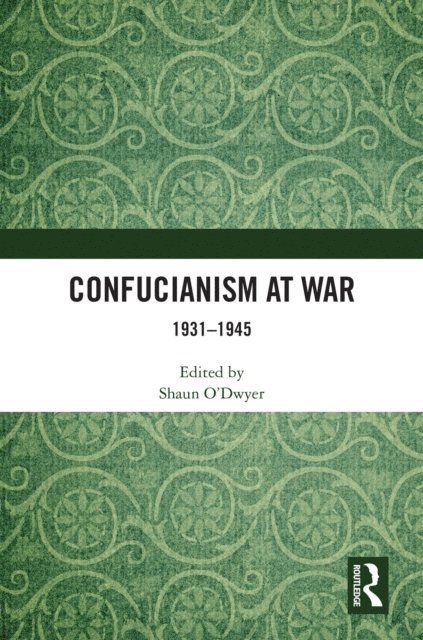
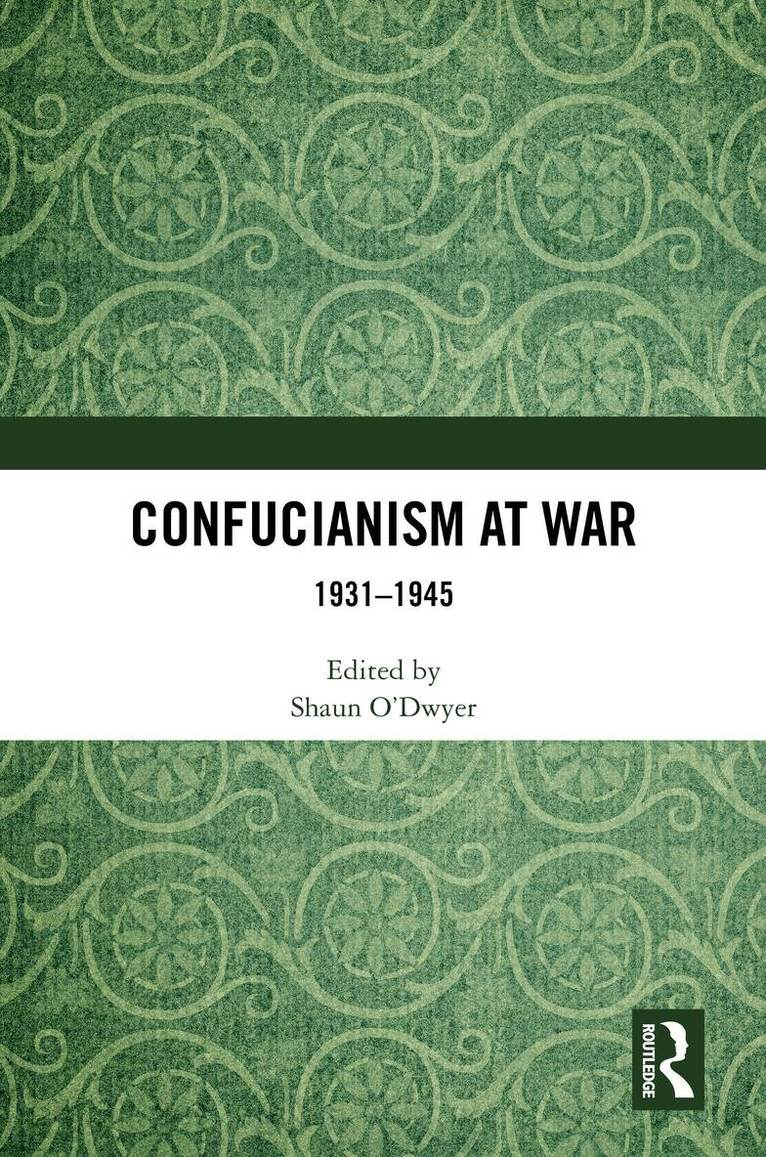
This is the first book-length study of wartime Confucianism in any language, providing new insights into key developments in Confucian thought and ideology in East Asia in the 1930s and 1940s.In standard scholarship on the ideologies driving nation-building and imperialism during the era of Japanese expansionism that began in 1931, Confucianism is rarely referenced and relegated to the background. This volume brings together the work of scholars who argue for a revision of this standard view. It includes studies of Japanese, Chinese, colonial Manchurian, and Korean intellectuals and reformers who contributed to expansionist, collaborationist, or nationalist ideology-building during the war. Contrary to the assumption that Confucianism was an anachronism rendered irrelevant by the Westernizing political reforms and revolutions of the early twentieth century, the chapters in this book show that Confucianism remained a potent and also contested cultural resource for promoting national cohesion, war mobilization and expansionism in East Asia between the Japanese invasion of Manchuria in 1931 and the end of World War II in 1945. This book will appeal to scholars and students of Asian studies, nationalism studies, postcolonial studies, religious studies, and philosophy. In particular, it is essential reading for those interested in nationalism and modern Confucian thought in East Asia.
632 kr
Skickas inom 10-15 vardagar
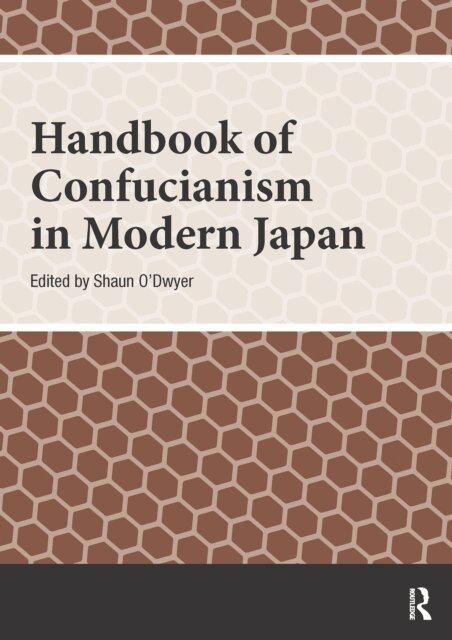
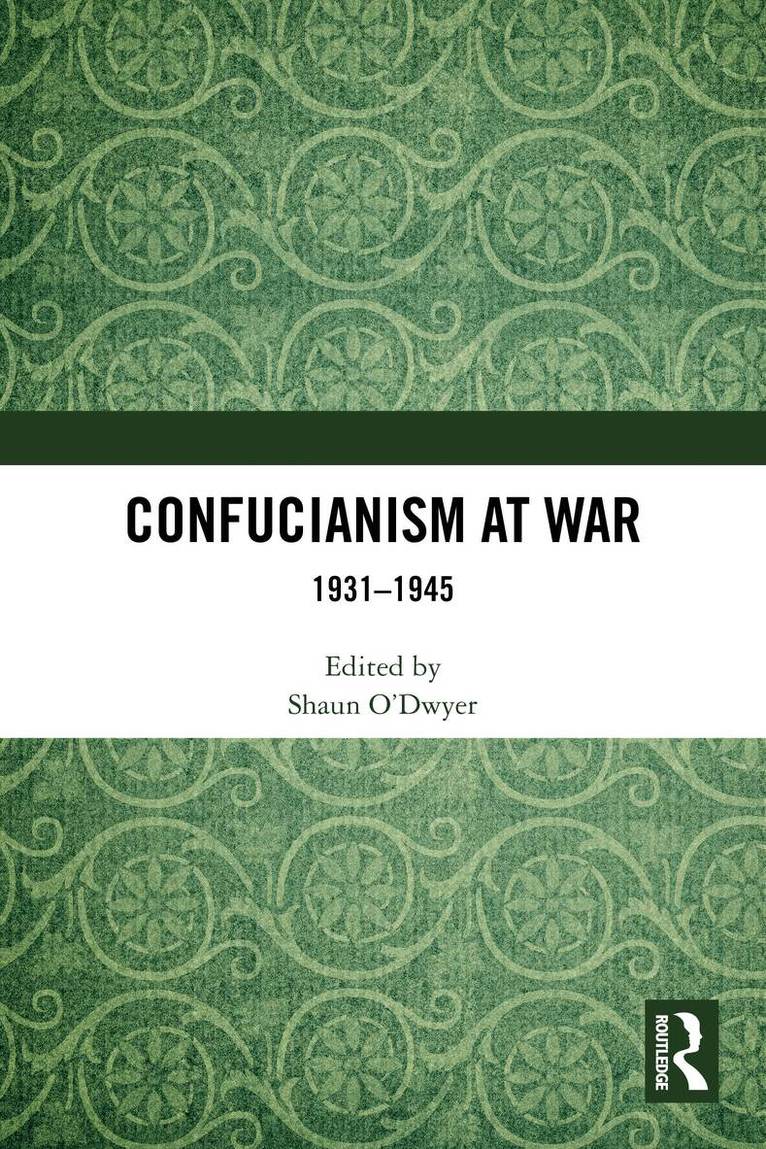
In mainstream assessments of Confucianism's modern genealogy there is a Sinocentric bias which is, in part, the result of a general neglect of modern Japanese Confucianism by political and moral philosophers and intellectual historians during the post-war era. This collection of essays joins a small group of other studies bringing modern Japanese Confucianism to international scholarly notice, largely covering the time period between the Bakumatsu era of the mid-19th century and the 21st century. The essays in this volume can be read for the insight they provide into the intellectual and ideological proclivities of reformers, educators and philosophers explicitly reconstructing Confucian thought, or more tacitly influenced by it, during critical phases in Japan's modernization, imperialist expansionism and post-1945 reconstitution as a liberal democratic polity. They can be read as introductions to the ideas of modern Japanese Confucian thinkers and reformers whose work is little known outside Japan—and sometimes barely remembered inside Japan. They can also be read as a needful corrective to the above-mentioned Sinocentric bias in the 20th century intellectual history of Confucianism. For those Confucian scholars currently exploring how Confucianism is, or can be made compatible with democracy, at least some of the studies in this volume serve as a warning. They enjoin readers to consider how Confucianism was also rendered compatible with the authoritarian ultranationalism and militarism that captured Japan's political system in the 1930s, and brought war to the Asia-Pacific region.
566 kr
Skickas inom 3-6 vardagar
Challenges descriptions of East Asian societies as Confucian cultures and communitarian Confucian models as a political alternative to liberal democracy.In Confucianism's Prospects, Shaun O'Dwyer offers a rare critical engagement with English language scholarship on Confucianism. Against the background of historical and sociological research into the rapid modernization of East Asian societies, O'Dwyer reviews several key Confucian ethical ideas and proposals for East Asian alternatives to liberal democracy that have emerged from this scholarship. He also puts the following question to Confucian scholars: what prospects do those ideas and proposals have in East Asian societies in which liberal democracy and pluralism are well established, and individualization and declining fertility are impacting deeply upon family life? In making his case, O'Dwyer draws upon the neglected work of Japanese philosophers and intellectuals who were witnesses to Japan's pioneering East Asian modernization, and protagonists in the rise and disastrous wartime fall of its own modernized Confucianism. He contests a sometimes Sinocentric and ahistorical conception of East Asian societies as "Confucian societies," while also recognizing that Confucian traditions can contribute importantly to global philosophical dialogue, and to civic and religious life.
1 057 kr
Tillfälligt slut
Challenges descriptions of East Asian societies as Confucian cultures and communitarian Confucian models as a political alternative to liberal democracy.In Confucianism's Prospects, Shaun O'Dwyer offers a rare critical engagement with English language scholarship on Confucianism. Against the background of historical and sociological research into the rapid modernization of East Asian societies, O'Dwyer reviews several key Confucian ethical ideas and proposals for East Asian alternatives to liberal democracy that have emerged from this scholarship. He also puts the following question to Confucian scholars: what prospects do those ideas and proposals have in East Asian societies in which liberal democracy and pluralism are well established, and individualization and declining fertility are impacting deeply upon family life? In making his case, O'Dwyer draws upon the neglected work of Japanese philosophers and intellectuals who were witnesses to Japan's pioneering East Asian modernization, and protagonists in the rise and disastrous wartime fall of its own modernized Confucianism. He contests a sometimes Sinocentric and ahistorical conception of East Asian societies as "Confucian societies," while also recognizing that Confucian traditions can contribute importantly to global philosophical dialogue, and to civic and religious life.
2 713 kr
Skickas inom 10-15 vardagar
This collection of essays joins a small group of other studies bringing modern Japanese Confucianism to international scholarly notice, largely covering the time period between the Bakumatsu era of the mid-19th century and the 21st century.