Shawnya L. Harris - Böcker
Visar alla böcker från författaren Shawnya L. Harris. Handla med fri frakt och snabb leverans.
2 produkter
2 produkter
493 kr
Skickas inom 7-10 vardagar
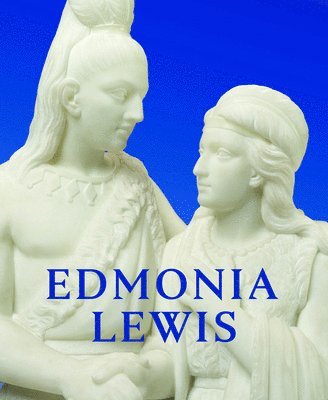
A richly illustrated volume accompanying the first retrospective of Black and Indigenous American sculptor Edmonia Lewis. Edmonia Lewis (1844–1907) broke international, racial, and gender barriers as a young artist who traveled to Rome in 1866 to join the leading American sculptors of her generation. She created acclaimed figurative works in marble and achieved great success, but her status as a Black woman of Indigenous (Mississaugas of the Credit First Nation) descent complicated the critical reception of her oeuvre. After her death, her contribution to American sculpture was largely overlooked. Accompanying the first monographic retrospective of the artist, this lavishly illustrated volume reproduces examples of all Lewis’s known works and shares new discoveries that illuminate her artistic vision of community, reform, and resilience. Essays place her sculptures in conversation with abolitionist and feminist movements and consider the themes Lewis’s art addressed, including Indigenous artistry, social and political reformers, and religious and mythological subjects.
426 kr
Skickas inom 7-10 vardagar
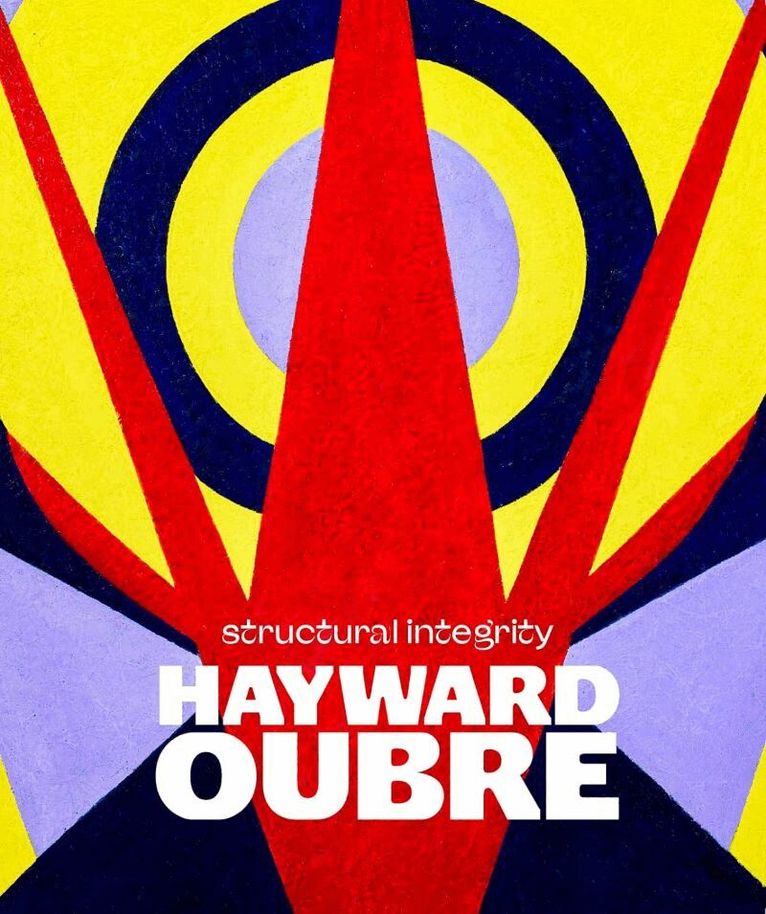
Best known for his wire sculptures, Hayward L. Oubre, Jr. (1916–2006), was an important Black American artist and educator, who has until now received little attention from scholars and museums. He created sculptures, paintings, and prints that tested the bounds of each of these mediums. These works share a previously untold history of American modernism rooted in the South. Academically-trained, Oubre worked with an everyday material—wire coat hangers—that led some early critics to associate his sculpture with folk art, despite wire rising to prominence as a material for modernist sculptors in this period.While making his art he also trained a subsequent generation of artists through his teaching, first at Alabama State College (now Alabama State University), from 1949 to 1965, and then at Winston-Salem State University, from 1965 to 1981, both Historically Black Colleges and Universities. Within Oubre’s story is a history of Alabama art shaping American art that has never been written. This new volume, and its accompanying exhibition, will begin to tell this story, laying the foundation for future projects on the work of Black artists in Alabama and the South.