Sheldon Hsiao-peng Lu – författare
Visar alla böcker från författaren Sheldon Hsiao-peng Lu. Handla med fri frakt och snabb leverans.
13 produkter
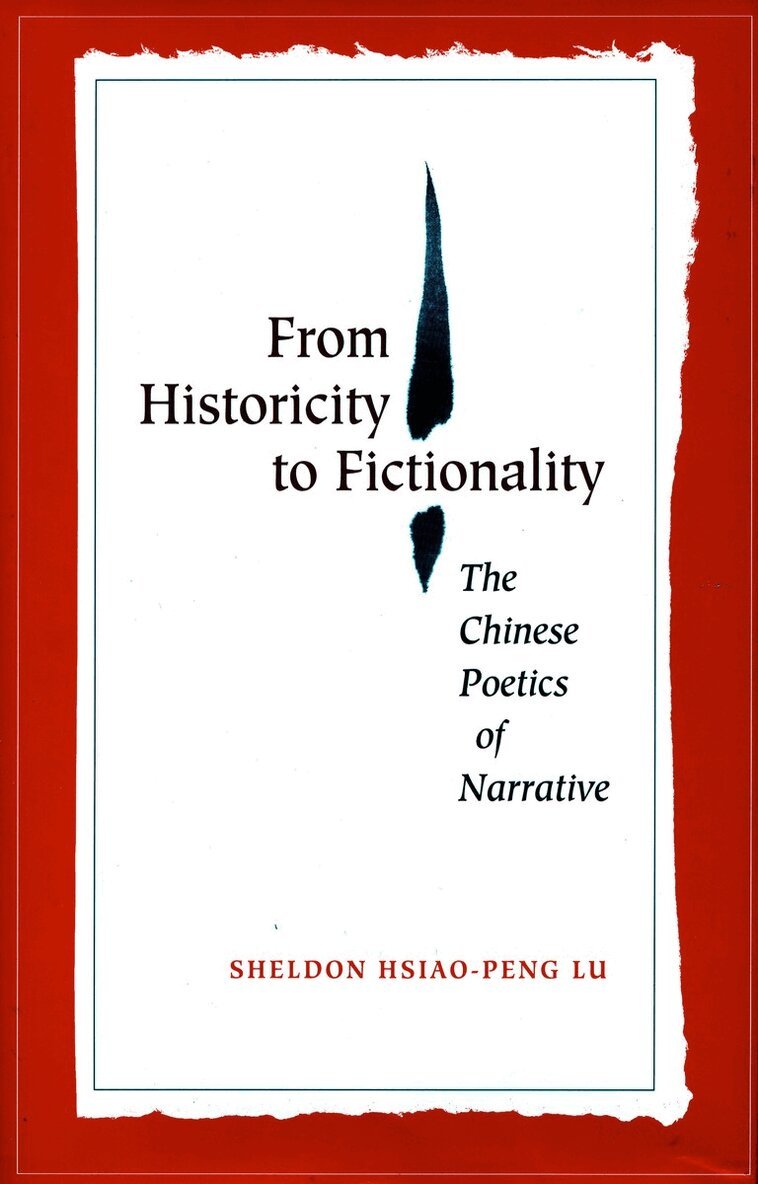
From Historicity to Fictionality
The Chinese Poetics of Narrative
Häftad, 2004
393 kr
Lägg i varukorg
This is the first comprehensive work in English on the complex history and theory of traditional Chinese narrative. It describes the major Chinese conventions and strategies for interpreting narrative works, both historical and fictional, from the earliest narratives through those of the Ch'ing …
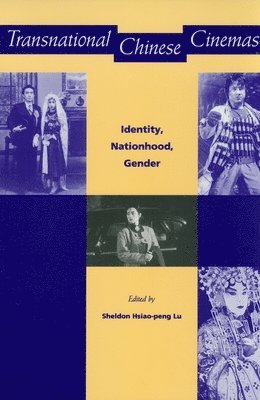
Transnational Chinese Cinemas
Identity, Nationhood, Gender
Av Sheldon Hsiao-Peng Lu, Sheldon Hsiao-Peng Lu
Häftad, 1997
366 kr
Lägg i varukorg
With the increasing popularity of the Chinese film industry, a large amount of foreign captial has been invested in the productions. Internationalization on this scale at both the production and consumption levels has raised the question of what constitutes ""Chinese cinema"". In this book the …
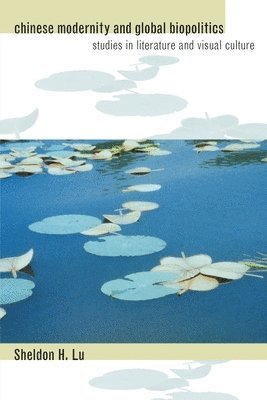
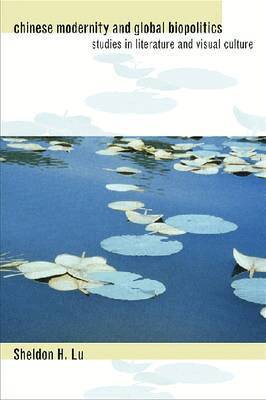
Chinese Modernity and Global Biopolitics
Studies in Literature and Visual Culture
Häftad, 2007
345 kr
Lägg i varukorg
This ambitious work is a multimedia, interdisciplinary study of Chinese modernity in the context of globalization from the late nineteenth century to the present. Sheldon Lu draws on Chinese literature, film, art, photography, and video to broadly map the emergence of modern China in relation to …
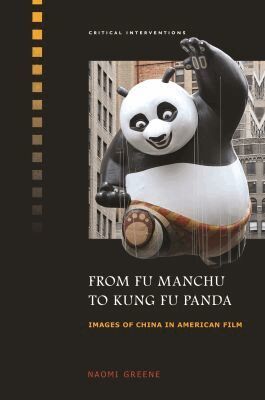
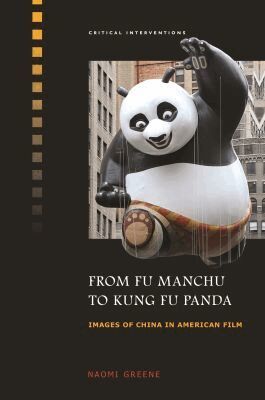
From Fu Manchu to Kung Fu Panda
Images of China in American Film
Av Naomi Greene, Sheldon Hsiao-Peng Lu
Inbunden, 2014
785 kr
Lägg i varukorg
Throughout the twentieth century, American filmmakers have embraced cinematic representations of China. Beginning with D.W. Griffith’s silent classic Broken Blossoms (1919) and ending with the computer-animated Kung Fu Panda (2008), this book explores China’s changing role in the American …
Fragrant Orchid
The Story of My Early Life
Av Yamaguchi Yoshiko, Fujiwara Sakuya m. fl.
Inbunden, 2015
1035 kr
Lägg i varukorg
The acclaimed actress and legendary singer, Yamaguchi Yoshiko (aka Li Xianglan, b. 1920), emerged from Japan-occupied Manchuria to become a transnational star during the Second Sino-Japanese war. Born to Japanese parents, raised in Manchuria, and educated in Beijing, the young Yamaguchi learned to …
Fragrant Orchid
The Story of My Early Life
Av Yamaguchi Yoshika, Fujiwara Sakuya m. fl.
Häftad, 2016
318 kr
Lägg i varukorg
The acclaimed actress and legendary singer, Yamaguchi Yoshiko (aka Li Xianglan, 1920-2014), emerged from Japan-occupied Manchuria to become a transnational star during the Second Sino-Japanese war. Born to Japanese parents, raised in Manchuria, and educated in Beijing, the young Yamaguchi learned …
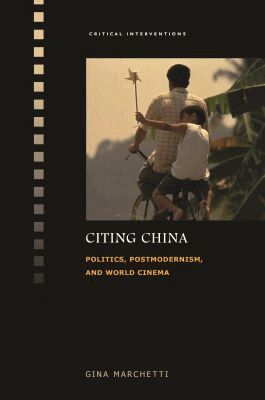
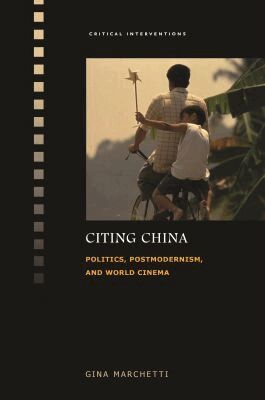
Citing China
Politics, Postmodernism, and World Cinema
Av Gina Marchetti, Sheldon Hsiao-Peng Lu
Häftad, 2020
309 kr
Lägg i varukorg
Citing China explores the role film plays in creating a common ground for the exchange of political and aesthetic ideas between China and the rest of the world. It does so by examining the depiction of China in contemporary film, looking at how global filmmakers "cite" China on screen. Author Gina …
Chinese Modernity and Global Biopolitics
Studies in Literature and Visual Culture
Inbunden, 2007
762 kr
Tillfälligt slut
This ambitious work is a multimedia, interdisciplinary study of Chinese modernity in the context of globalization from the late nineteenth century to the present. Sheldon Lu draws on Chinese literature, film, art, photography, and video to broadly map the emergence of modern China in relation to …
From Fu Manchu to Kung Fu Panda
Images of China in American Film
Av Naomi Greene, Sheldon Hsiao-Peng Lu
Häftad, 2014
289 kr
Tillfälligt slut
Throughout the twentieth century, American filmmakers have embraced cinematic representations of China. Beginning with D.W. Griffith’s silent classic Broken Blossoms (1919) and ending with the computer-animated Kung Fu Panda (2008), this book explores China’s changing role in the American …
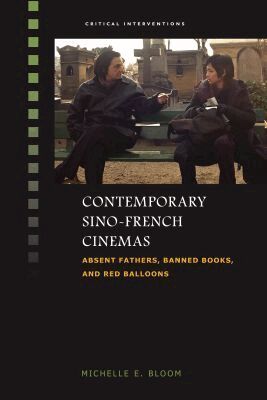
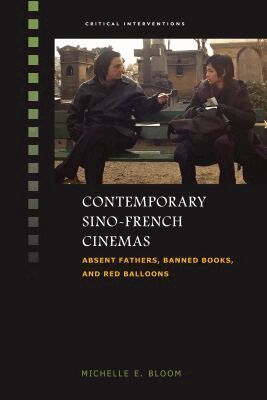
Contemporary Sino-French Cinemas
Absent Fathers, Banned Books, and Red Balloons
Av Michelle Bloom, Sheldon Hsiao-Peng Lu
Inbunden, 2016
955 kr
Tillfälligt slut
Transnational cinemas are eclipsing national cinemas in the contemporary world, and Sino-French films exemplify this phenomenon through the cinematic coupling of the Sinophone and the Francophone, linking France not just with the Chinese mainland but also with the rest of the Chinese-speaking …
Citing China
Politics, Postmodernism, and World Cinema
Av Gina Marchetti, Sheldon Hsiao-Peng Lu
Inbunden, 2018
927 kr
Tillfälligt slut
Citing China explores the role film plays in creating a common ground for the exchange of political and aesthetic ideas between China and the rest of the world. It does so by examining the depiction of China in contemporary film, looking at how global filmmakers “cite” China on screen. Author Gina …
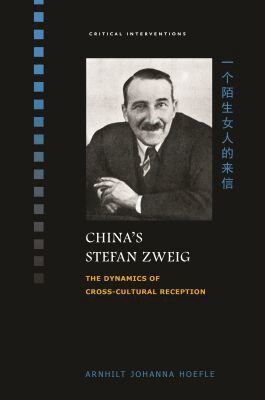
China's Stefan Zweig
The Dynamics of Cross-Cultural Reception
Av Arnhilt Johanna Hoefle, Sheldon Hsiao-Peng Lu
Inbunden, 2017
890 kr
Tillfälligt slut
During his lifetime Austrian novelist Stefan Zweig (1881–1942) was among the most widely read German-language writers in the world. Always controversial, he fell into critical disfavor as writers and critics in a devastated postwar Europe attacked the poor literary quality of his works and …
Contemporary Sino-French Cinemas
Absent Fathers, Banned Books, and Red Balloons
Av Michelle Bloom, Sheldon Hsiao-Peng Lu
Häftad, 2017
318 kr
Tillfälligt slut
Transnational cinemas are eclipsing national cinemas in the contemporary world, and Sino-French films exemplify this phenomenon through the cinematic coupling of the Sinophone and the Francophone, linking France not just with the Chinese mainland but also with the rest of the Chinese-speaking …