Naomi Greene – författare
Visar alla böcker från författaren Naomi Greene. Handla med fri frakt och snabb leverans.
12 produkter
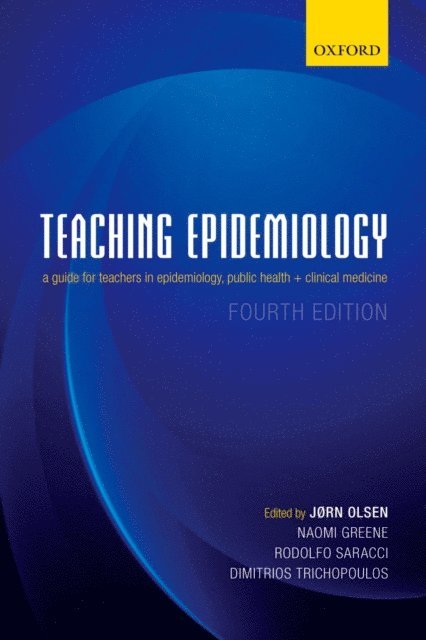
Teaching Epidemiology
A guide for teachers in epidemiology, public health and clinical medicine
Av Dimitrios Trichopoulos, Rodolfo Saracci m. fl.
E-bok, 2015
925 kr
Lägg i varukorg
Teaching epidemiology requires skill and knowledge, combined with a clear teaching strategy and good pedagogic skills. The general advice is simple: if you are not an expert on a topic, try to enrich your background knowledge before you start teaching. The new edition of Teaching Epidemiology helps …
Teaching Epidemiology
A guide for teachers in epidemiology, public health and clinical medicine
Av Dimitrios Trichopoulos, Rodolfo Saracci m. fl.
E-bok, 2015
925 kr
Lägg i varukorg
Teaching epidemiology requires skill and knowledge, combined with a clear teaching strategy and good pedagogic skills. The general advice is simple: if you are not an expert on a topic, try to enrich your background knowledge before you start teaching. The new edition of Teaching Epidemiology helps …
Teaching Epidemiology
A guide for teachers in epidemiology, public health and clinical medicine
Av Olsen, Jørn Olsen m. fl.
Häftad, 2015
1469 kr
Lägg i varukorg
Teaching epidemiology requires skill and knowledge, combined with a clear teaching strategy and good pedagogic skills. The general advice is simple: if you are not an expert on a topic, try to enrich your background knowledge before you start teaching. The new edition of Teaching Epidemiology helps …
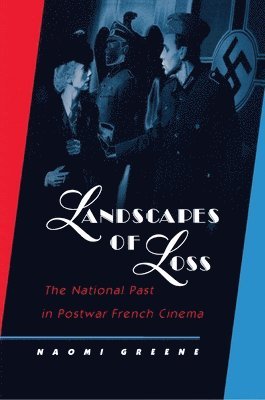
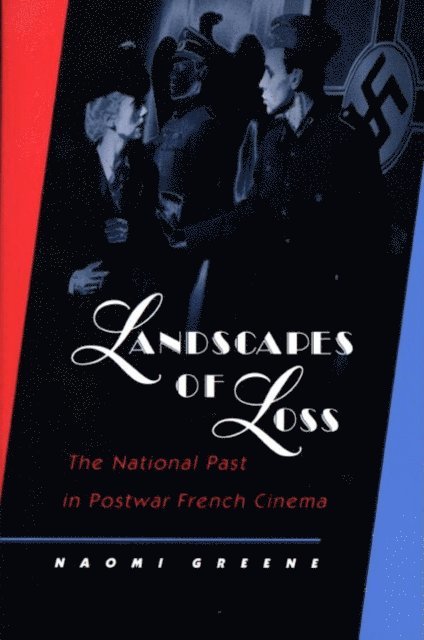
Landscapes of Loss
The National Past in Postwar French Cinema
Av Naomi Greene
Häftad, 1999
505 kr
Lägg i varukorg
In Landscapes of Loss, Naomi Greene makes new sense of the rich variety of postwar French films by exploring the obsession with the national past that has characterized French cinema since the late 1960s. Observing that the sense of grandeur and destiny that once shaped French identity has eroded …
Pier Paolo Pasolini
Cinema as Heresy
Av Naomi Greene
Häftad, 2017
509 kr
Lägg i varukorg
The major Italian filmmaker Pier Paolo Pasolini was also a poet, novelist, essayist, and iconoclastic political commentator. Naomi Greene reveals to English-speaking readers the diverse talents that made him one of the most controversial European intellectuals of the postwar era, at the center of …
Pier Paolo Pasolini
Cinema as Heresy
Av Naomi Greene
Inbunden, 2017
2018 kr
Lägg i varukorg
The major Italian filmmaker Pier Paolo Pasolini was also a poet, novelist, essayist, and iconoclastic political commentator. Naomi Greene reveals to English-speaking readers the diverse talents that made him one of the most controversial European intellectuals of the postwar era, at the center of …
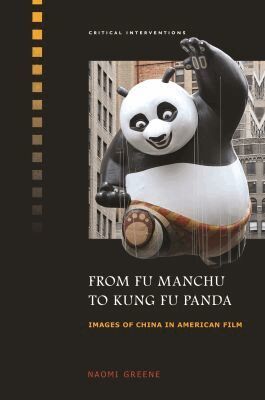
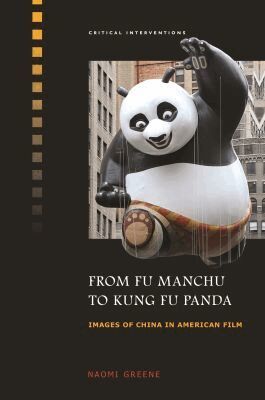
From Fu Manchu to Kung Fu Panda
Images of China in American Film
Av Naomi Greene, Sheldon Hsiao-Peng Lu
Inbunden, 2014
785 kr
Lägg i varukorg
Throughout the twentieth century, American filmmakers have embraced cinematic representations of China. Beginning with D.W. Griffith’s silent classic Broken Blossoms (1919) and ending with the computer-animated Kung Fu Panda (2008), this book explores China’s changing role in the American …
Landscapes of Loss
The National Past in Postwar French Cinema
Av Naomi Greene
E-bok, 1999
727 kr
Lägg i varukorg
In Landscapes of Loss, Naomi Greene makes new sense of the rich variety of postwar French films by exploring the obsession with the national past that has characterized French cinema since the late 1960s. Observing that the sense of grandeur and destiny that once shaped French identity has eroded …
Pier Paolo Pasolini
Cinema as Heresy
Av Naomi Greene
E-bok, 2017
682 kr
Lägg i varukorg
The major Italian filmmaker Pier Paolo Pasolini was also a poet, novelist, essayist, and iconoclastic political commentator. Naomi Greene reveals to English-speaking readers the diverse talents that made him one of the most controversial European intellectuals of the postwar era, at the center of …
From Fu Manchu to Kung Fu Panda
Images of China in American Film
Av Naomi Greene, Sheldon Hsiao-Peng Lu
Häftad, 2014
289 kr
Tillfälligt slut
Throughout the twentieth century, American filmmakers have embraced cinematic representations of China. Beginning with D.W. Griffith’s silent classic Broken Blossoms (1919) and ending with the computer-animated Kung Fu Panda (2008), this book explores China’s changing role in the American …
From Fu Manchu to Kung Fu Panda : Images of China in American Film
Av Naomi Greene
2014
309 kr
Tillfälligt slut