Shenel Husnu – Författare
Visar alla böcker från författaren Shenel Husnu. Handla med fri frakt och snabb leverans.
3 produkter
3 produkter
713 kr
Skickas inom 10-15 vardagar
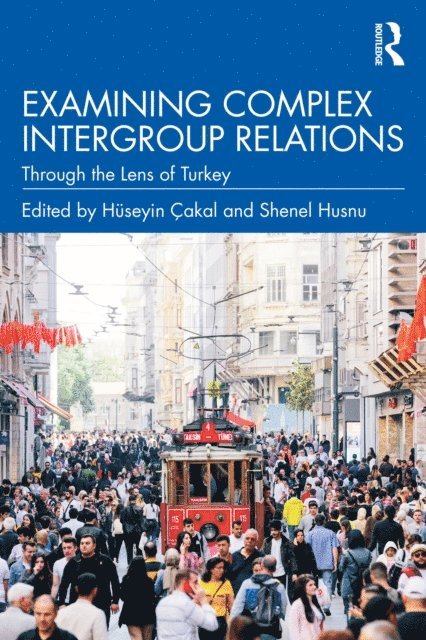
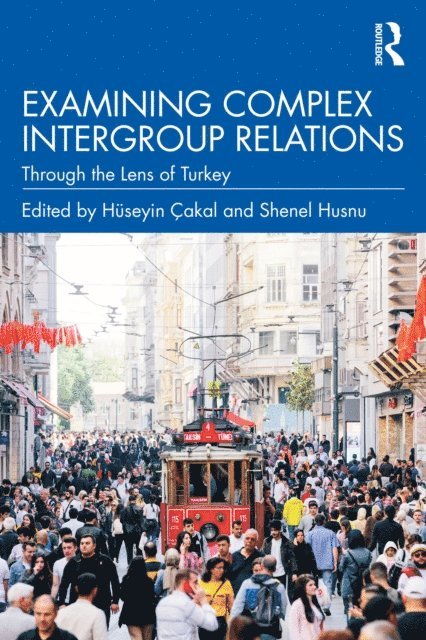
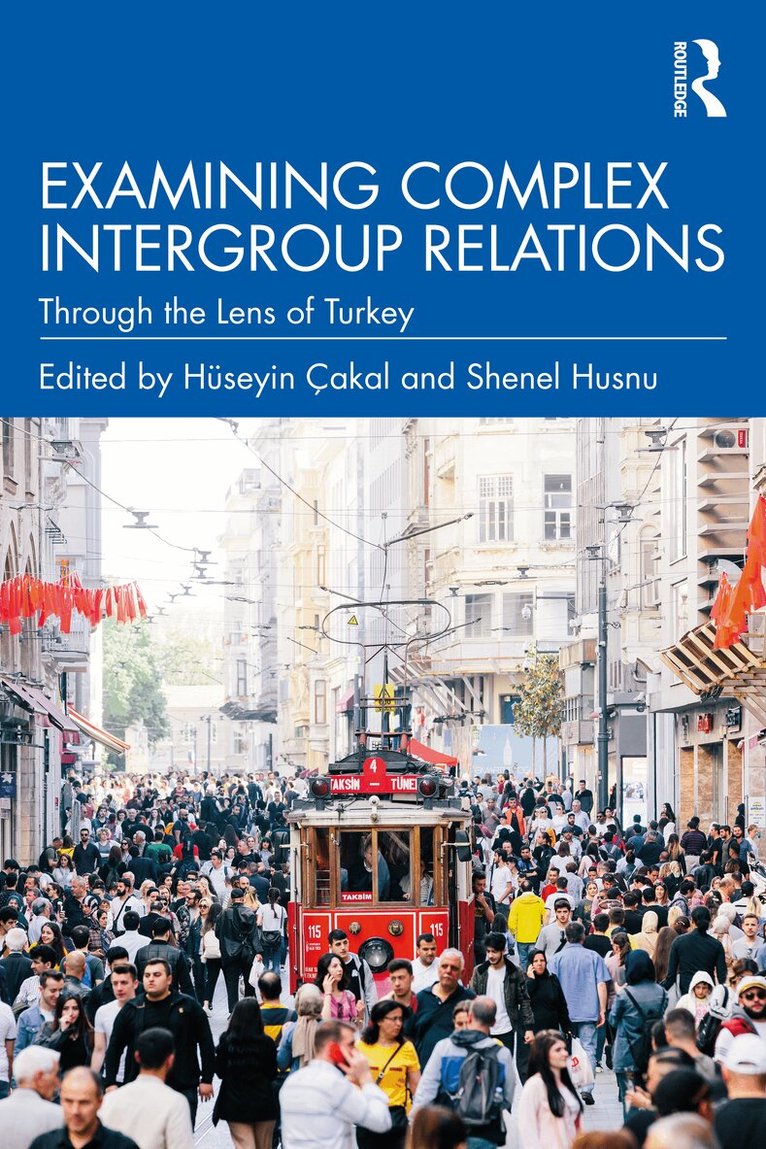
This ground-breaking volume presents a unique contribution to the development of social and political psychology both in Turkey and globally, providing a complex analysis of intergroup relations in the diverse Turkish context.Turkey is home to a huge variety of social, ethnic and religious groups and hosts the largest number of refugees in the world. This diversity creates a unique opportunity to understand how powerful forces of ethnicity, migration and political ideology shape intergroup processes and intergroup relations. Bringing together novel research findings, the international collection of authors explore everything from disability, age and gender, Kurdish and Armenian relations as "traditional minorities", the recent emergence of a "new minority" of Syrian refugees and Turkey’s complex political history. The theories and paradigms considered in the book – social identity, intergroup contact, integrated threat, social representations – are leading approaches in social and political psychology, but the research presented tests these approaches in the context of a very diverse and dynamic non-WEIRD (Western, Educated, Industrialized, Rich and Democratic) society, with the goal of contributing toward the development of a more intercultural and democratic social and political psychology. Bringing together cutting-edge research and providing important insights into the psychological underpinnings of a singular societal situation from a variety of perspectives, this book is essential reading for students studying the psychology, politics and social science of intergroup relations, as well as practitioners interested in conflict resolution.
1 909 kr
Skickas inom 10-15 vardagar
This ground-breaking volume presents a unique contribution to the development of social and political psychology both in Turkey and globally, providing a complex analysis of intergroup relations in the diverse Turkish context.Turkey is home to a huge variety of social, ethnic and religious groups and hosts the largest number of refugees in the world. This diversity creates a unique opportunity to understand how powerful forces of ethnicity, migration and political ideology shape intergroup processes and intergroup relations. Bringing together novel research findings, the international collection of authors explore everything from disability, age and gender, Kurdish and Armenian relations as "traditional minorities", the recent emergence of a "new minority" of Syrian refugees and Turkey’s complex political history. The theories and paradigms considered in the book – social identity, intergroup contact, integrated threat, social representations – are leading approaches in social and political psychology, but the research presented tests these approaches in the context of a very diverse and dynamic non-WEIRD (Western, Educated, Industrialized, Rich and Democratic) society, with the goal of contributing toward the development of a more intercultural and democratic social and political psychology. Bringing together cutting-edge research and providing important insights into the psychological underpinnings of a singular societal situation from a variety of perspectives, this book is essential reading for students studying the psychology, politics and social science of intergroup relations, as well as practitioners interested in conflict resolution.
2 502 kr
Skickas
This book provides a comprehensive overview of the topic of aggression from multiple perspectives, aiming for a deeper understanding of this complex issue. It begins with the philosophical and sociological foundations of aggression, tracing its roots from Ancient Greek ethics and exploring macro-structural and subcultural theories. It follows with the classical approaches to the psychology of aggression in order to set the stage for a multifaceted discussion on aggression. In the second part, the book delves into psychological perspectives, starting with the neurological basis of aggression. It examines the neural circuitry involving the amygdala, hypothalamus, cingulate cortex, PAG, and prefrontal cortical regions that contribute to different forms of aggressive behavior. The cognitive aspects of aggression are also covered, focusing on how memories of aggression differ among perpetrators, victims, and witnesses, particularly in encoding, storage, and recollection processes. The book then explores aggression in specific contexts, such as the traffic environment, highlighting aggressive driving behaviors and potential countermeasures. As well as a social psychological perspective, in particular pertaining to gender-based violence as a hate crime. The third and final part of the book shifts focus to the risk and protective factors associated with aggression. It begins with a forensic psychology lens, investigating the intergenerational transmission of aggression and the impact of childhood violence on later life. Clinical findings are discussed, particularly aggressive tendencies in anxiety and personality disorders. The role of mindfulness as a protective factor against aggression is explored, along with key factors responsible for the emergence and persistence of aggressive behaviors throughout the lifespan, including gene-environment interactions. The book aims to bring together cutting-edge research from diverse viewpoints, offering scholars and students a unique and comprehensive understanding of aggression.