Sherzod Muminov – författare
Visar alla böcker från författaren Sherzod Muminov. Handla med fri frakt och snabb leverans.
9 produkter
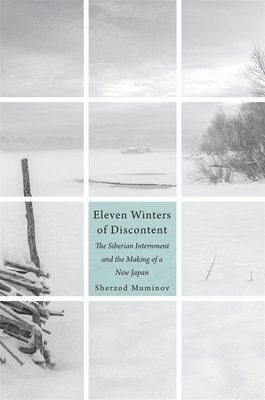
Eleven Winters of Discontent
The Siberian Internment and the Making of a New Japan
Inbunden, 2022
464 kr
Lägg i varukorg
The odyssey of 600,000 imperial Japanese soldiers incarcerated in Soviet labor camps after World War II and their fraught repatriation to postwar Japan.In August 1945 the Soviet Union seized the Japanese puppet state of Manchukuo and the colony of Southern Sakhalin, capturing more than 600,000 …
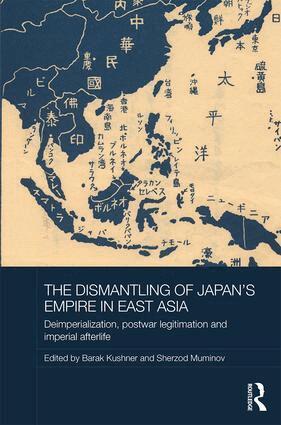
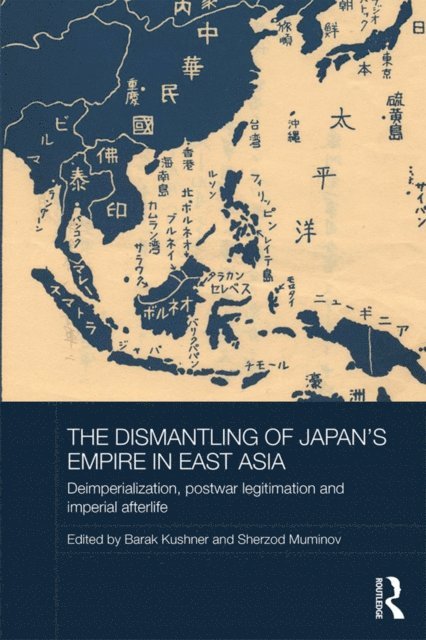
Dismantling of Japan's Empire in East Asia
Deimperialization, Postwar Legitimation and Imperial Afterlife
Av Barak Kushner, Sherzod Muminov
Inbunden, 2016
2818 kr
Lägg i varukorg
The end of Japan’s empire appeared to happen very suddenly and cleanly – but, as this book shows, it was in fact very messy, with a long period of establishing or re-establishing the postwar order. Moreover, as the authors argue, empires have afterlives, which, in the case of Japan’s empire, is not …
Dismantling of Japan's Empire in East Asia
Deimperialization, Postwar Legitimation and Imperial Afterlife
Av Barak Kushner, Sherzod Muminov
Häftad, 2018
814 kr
Lägg i varukorg
The end of Japan’s empire appeared to happen very suddenly and cleanly – but, as this book shows, it was in fact very messy, with a long period of establishing or re-establishing the postwar order. Moreover, as the authors argue, empires have afterlives, which, in the case of Japan’s empire, is not …
Dismantling of Japan's Empire in East Asia
Deimperialization, Postwar Legitimation and Imperial Afterlife
Av Sherzod Muminov, Barak Kushner
E-bok, 2016
935 kr
Lägg i varukorg
The end of Japan’s empire appeared to happen very suddenly and cleanly – but, as this book shows, it was in fact very messy, with a long period of establishing or re-establishing the postwar order. Moreover, as the authors argue, empires have afterlives, which, in the case of Japan’s empire, …
Dismantling of Japan's Empire in East Asia
Deimperialization, Postwar Legitimation and Imperial Afterlife
Av Sherzod Muminov, Barak Kushner
E-bok, 2016
942 kr
Lägg i varukorg
The end of Japan’s empire appeared to happen very suddenly and cleanly – but, as this book shows, it was in fact very messy, with a long period of establishing or re-establishing the postwar order. Moreover, as the authors argue, empires have afterlives, which, in the case of Japan’s empire, …
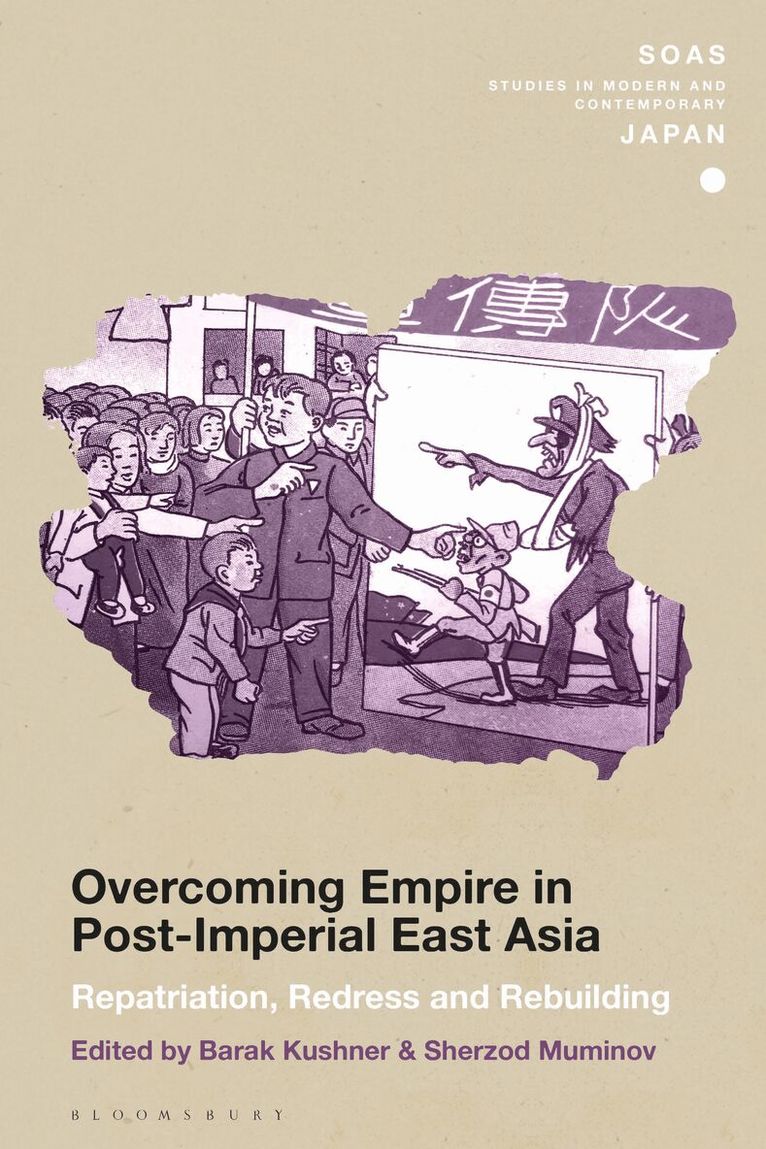
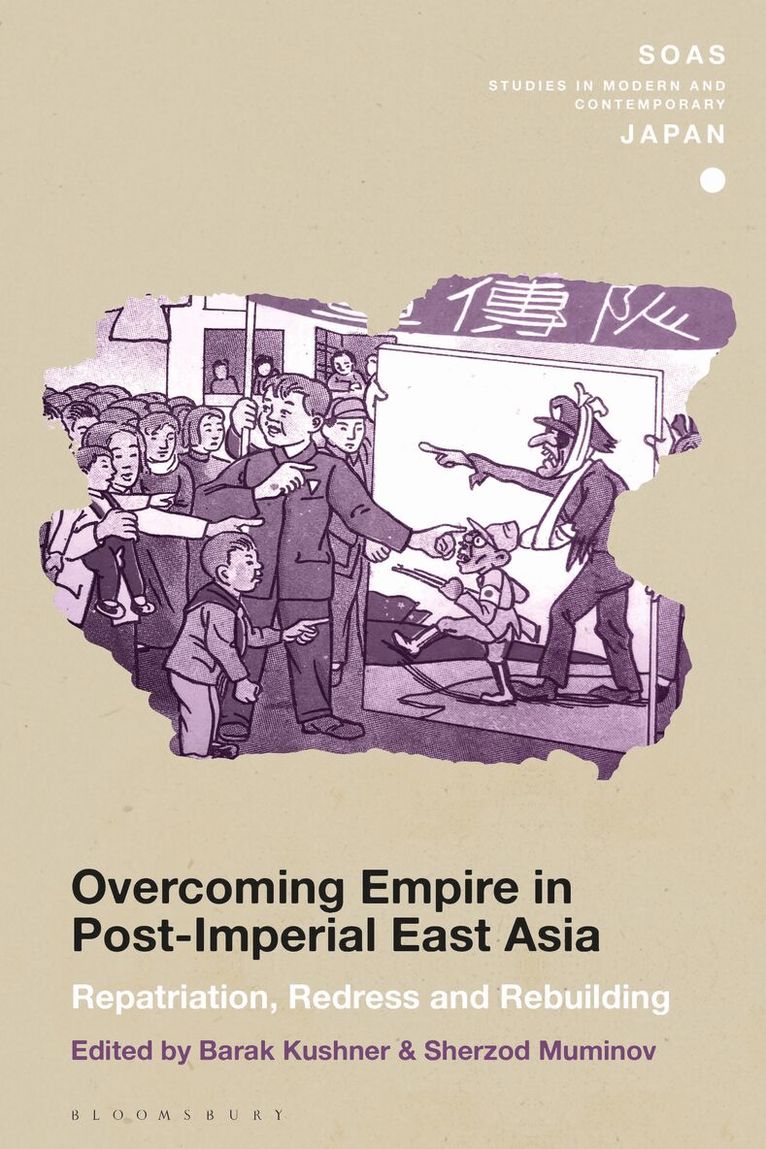
Overcoming Empire in Post-Imperial East Asia
Repatriation, Redress and Rebuilding
Av Barak Kushner, Sherzod Muminov
Inbunden, 2019
1748 kr
Lägg i varukorg
When Emperor Hirohito announced defeat in a radio broadcast on 15th August 1945, Japan was not merely a nation; it was a colossal empire stretching from the tip of Alaska to the fringes of Australia grown out of a colonial ideology that continued to pervade East Asian society for years after the …
Overcoming Empire in Post-Imperial East Asia
Repatriation, Redress and Rebuilding
Av Barak Kushner, Sherzod Muminov
E-bok, 2019
530 kr
Lägg i varukorg
When Emperor Hirohito announced defeat in a radio broadcast on 15th August 1945, Japan was not merely a nation; it was a colossal empire stretching from the tip of Alaska to the fringes of Australia grown out of a colonial ideology that continued to pervade East Asian society for years after the …
Overcoming Empire in Post-Imperial East Asia
Repatriation, Redress and Rebuilding
Av Barak Kushner, Sherzod Muminov
E-bok, 2019
518 kr
Lägg i varukorg
When Emperor Hirohito announced defeat in a radio broadcast on 15th August 1945, Japan was not merely a nation; it was a colossal empire stretching from the tip of Alaska to the fringes of Australia grown out of a colonial ideology that continued to pervade East Asian society for years after the …
Overcoming Empire in Post-Imperial East Asia
Repatriation, Redress and Rebuilding
Av Barak Kushner, Sherzod Muminov
Häftad, 2021
486 kr
Lägg i varukorg
When Emperor Hirohito announced defeat in a radio broadcast on 15th August 1945, Japan was not merely a nation; it was a colossal empire stretching from the tip of Alaska to the fringes of Australia grown out of a colonial ideology that continued to pervade East Asian society for years after the …