Shlomo Getz – författare
Visar alla böcker från författaren Shlomo Getz. Handla med fri frakt och snabb leverans.
3 produkter
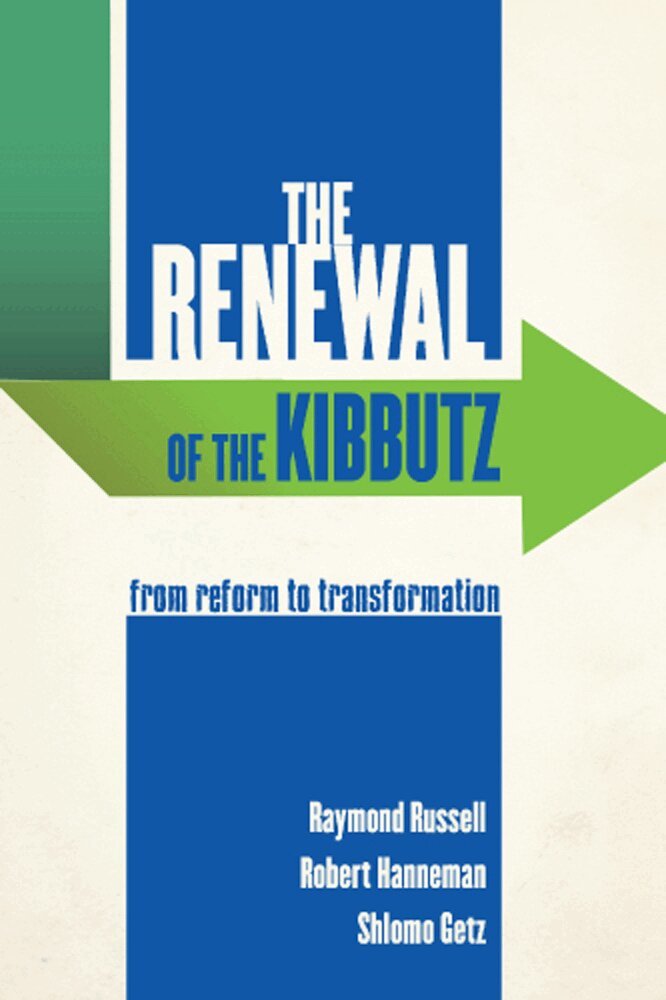
Renewal of the Kibbutz
From Reform to Transformation
Av Raymond Russell, Robert Hanneman m. fl.
Häftad, 2015
430 kr
Lägg i varukorg
We think of the kibbutz as a place for communal living and working. Members work, reside, and eat together, and share income “from each according to ability, to each according to need.” But in the late 1980s the kibbutzim decided that they needed to change. Reforms-moderate at first-were put in …
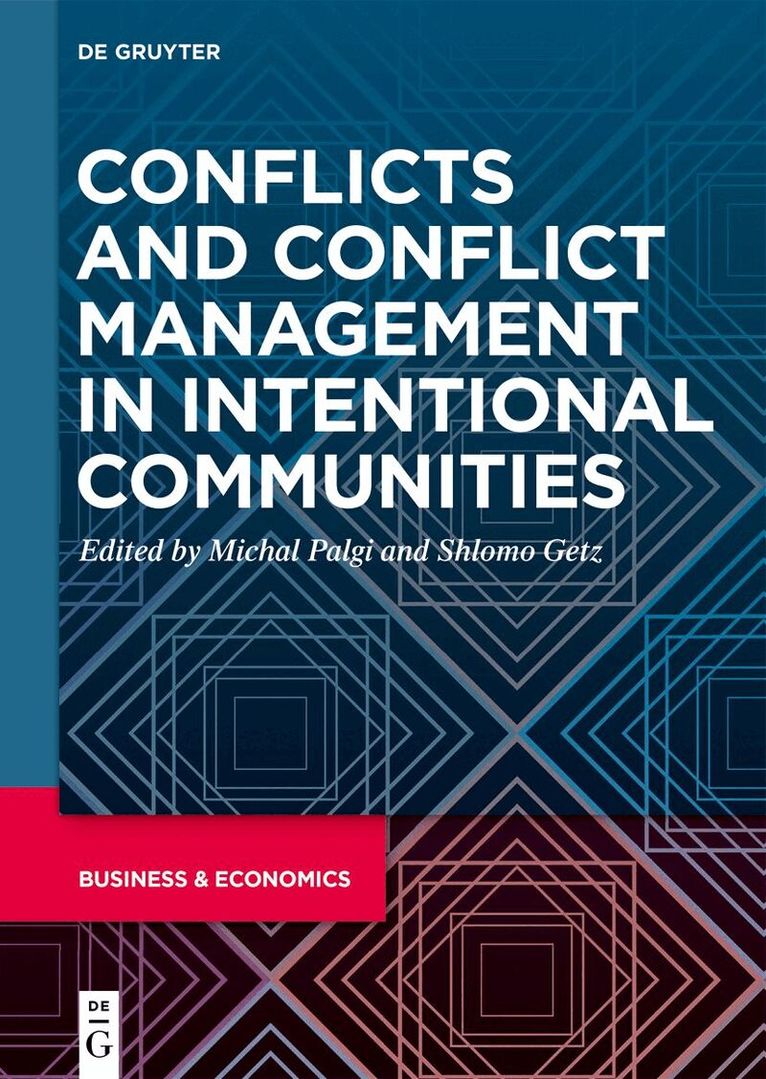
Conflicts and Conflict Management in Intentional Communities
Inbunden, 2025
1628 kr
Lägg i varukorg
Intentional communities combine complex economic organizations with member-run governance. As in any human organization, conflicts arise—whether between members, officials, or external entities. These communities seek to manage disputes locally, often avoiding formal mechanisms like state courts. …
Renewal of the Kibbutz
From Reform to Transformation
Av Raymond Russell, Robert Hanneman m. fl.
Inbunden, 2013
1685 kr
Tillfälligt slut
We think of the kibbutz as a place for communal living and working. Members work, reside, and eat together, and share income “from each according to ability, to each according to need.” But in the late 1980s the kibbutzim decided that they needed to change. Reforms-moderate at first-were put in …