Robert Hanneman – författare
Visar alla böcker från författaren Robert Hanneman. Handla med fri frakt och snabb leverans.
5 produkter
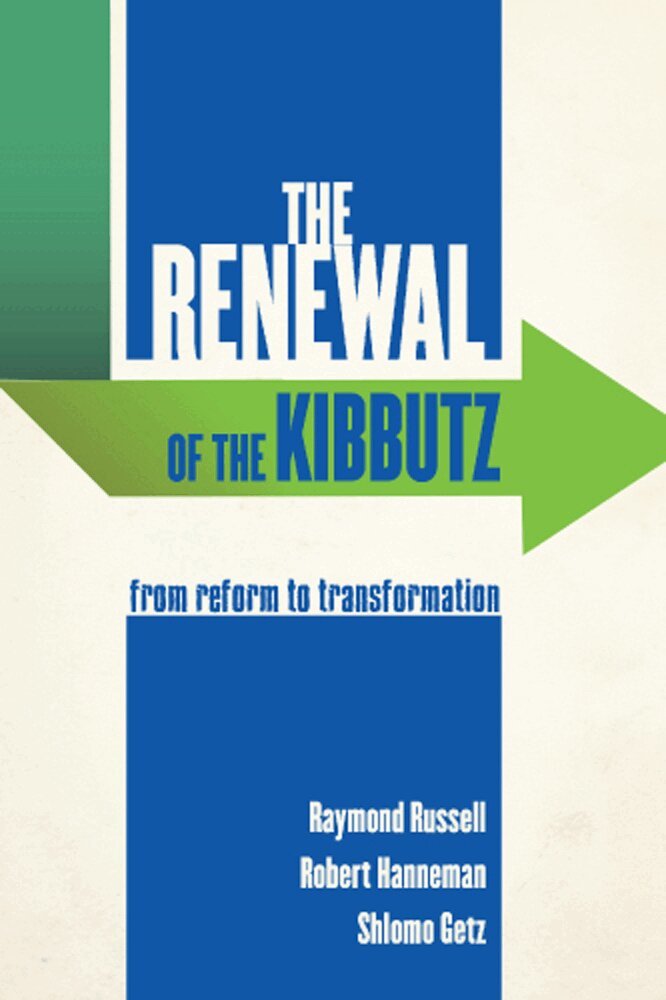
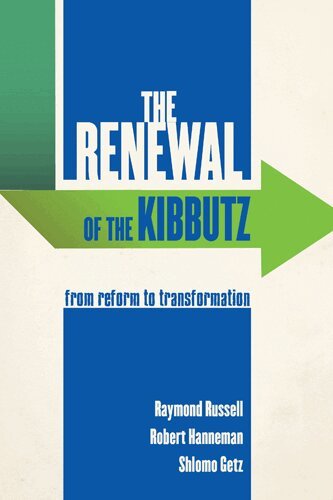
Renewal of the Kibbutz
From Reform to Transformation
Av Raymond Russell, Robert Hanneman m. fl.
Häftad, 2015
430 kr
Lägg i varukorg
We think of the kibbutz as a place for communal living and working. Members work, reside, and eat together, and share income “from each according to ability, to each according to need.” But in the late 1980s the kibbutzim decided that they needed to change. Reforms-moderate at first-were put in …
State Responsiveness and State Activism
An Examination of the Social Forces and State Strategies that Explain the Rise in Social Expenditures in Britain, France, Germany and Italy, 1870-1968
Av Edward T. Gargan, Robert Hanneman m. fl.
E-bok, 2025
972 kr
Lägg i varukorg
State Responsiveness and State Activism (1989) provides a unique comparative account of some of the most fundamental social changes that have taken place in the western world and the role played in these changes by the state. It evaluates which models – economic, modernization, political …
State Responsiveness and State Activism
An Examination of the Social Forces and State Strategies that Explain the Rise in Social Expenditures in Britain, France, Germany and Italy, 1870-1968
Av Edward T. Gargan, Robert Hanneman m. fl.
E-bok, 2025
1000 kr
Lägg i varukorg
State Responsiveness and State Activism (1989) provides a unique comparative account of some of the most fundamental social changes that have taken place in the western world and the role played in these changes by the state. It evaluates which models – economic, modernization, political …
State Responsiveness and State Activism
An Examination of the Social Forces and State Strategies that Explain the Rise in Social Expenditures in Britain, France, Germany and Italy, 1870–1968
Av Jerald Hage, Robert Hanneman m. fl.
Inbunden, 2025
1826 kr
Lägg i varukorg
State Responsiveness and State Activism (1989) provides a unique comparative account of some of the most fundamental social changes that have taken place in the western world and the role played in these changes by the state. It evaluates which models – economic, modernization, political …
Renewal of the Kibbutz
From Reform to Transformation
Av Raymond Russell, Robert Hanneman m. fl.
Inbunden, 2013
1685 kr
Tillfälligt slut
We think of the kibbutz as a place for communal living and working. Members work, reside, and eat together, and share income “from each according to ability, to each according to need.” But in the late 1980s the kibbutzim decided that they needed to change. Reforms-moderate at first-were put in …