Michal Palgi – författare
Visar alla böcker från författaren Michal Palgi. Handla med fri frakt och snabb leverans.
5 produkter
One Hundred Years of Kibbutz Life
A Century of Crises and Reinvention
Av Michal Palgi
E-bok, 2017
963 kr
Lägg i varukorg
One Hundred Years of Kibbutz Life shows that the kibbutz thrives and describes changes that have occurred within Israel''s kibbutz community. The kibbutz population has increased in terms of demography and capital, a point frequently overlooked in debates regarding viability. Like the kibbutz …
One Hundred Years of Kibbutz Life
A Century of Crises and Reinvention
Av Michal Palgi
E-bok, 2017
893 kr
Lägg i varukorg
One Hundred Years of Kibbutz Life shows that the kibbutz thrives and describes changes that have occurred within Israel''s kibbutz community. The kibbutz population has increased in terms of demography and capital, a point frequently overlooked in debates regarding viability. Like the kibbutz …
One Hundred Years of Kibbutz Life
A Century of Crises and Reinvention
Av Michal Palgi
Inbunden, 2011
2510 kr
Lägg i varukorg
The years 1909-2009 mark a century of kibbutz life - one hundred years of achievements, failures, and challenges. It is undeniable that the impact of kibbutzim on Israeli society has been substantial. During its one hundred years of existence, the kibbutz as a concept and as a reality underwent …
One Hundred Years of Kibbutz Life
A Century of Crises and Reinvention
Av Michal Palgi
Häftad, 2013
816 kr
Lägg i varukorg
One Hundred Years of Kibbutz Life shows that the kibbutz thrives and describes changes that have occurred within Israel's kibbutz community. The kibbutz population has increased in terms of demography and capital, a point frequently overlooked in debates regarding viability. Like the kibbutz …
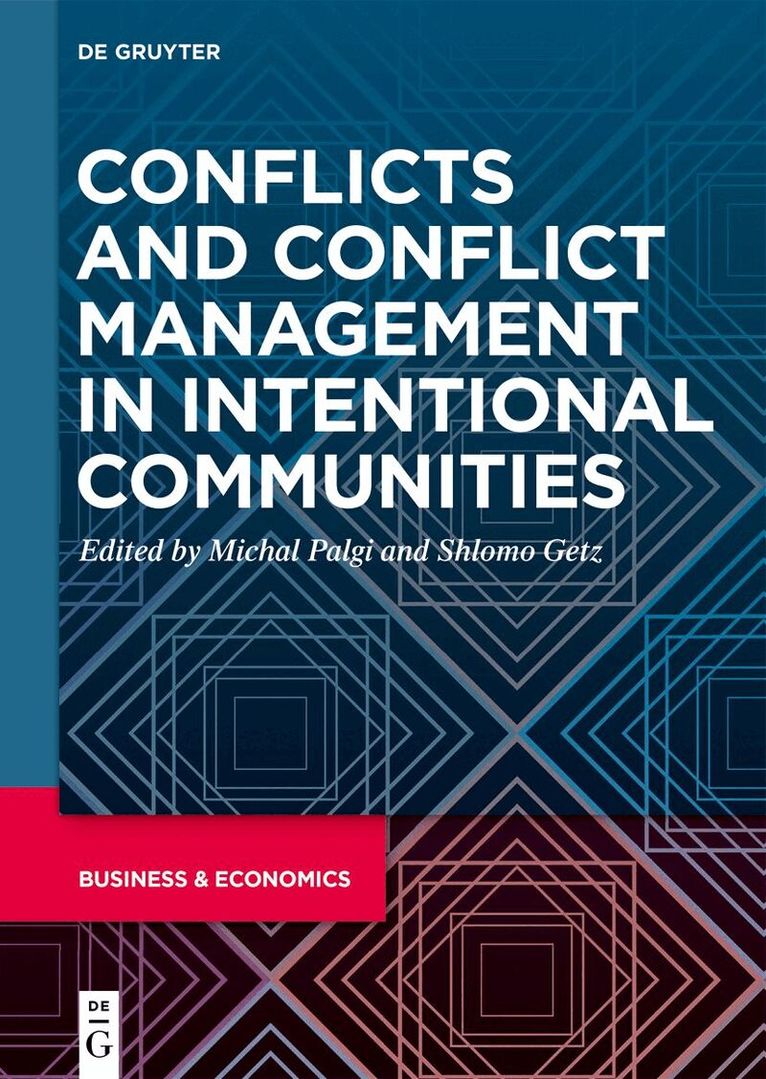
Conflicts and Conflict Management in Intentional Communities
Inbunden, 2025
1628 kr
Lägg i varukorg
Intentional communities combine complex economic organizations with member-run governance. As in any human organization, conflicts arise—whether between members, officials, or external entities. These communities seek to manage disputes locally, often avoiding formal mechanisms like state courts. …