Shona Hunter - Böcker
Visar alla böcker från författaren Shona Hunter. Handla med fri frakt och snabb leverans.
4 produkter
4 produkter
3 109 kr
Skickas inom 10-15 vardagar
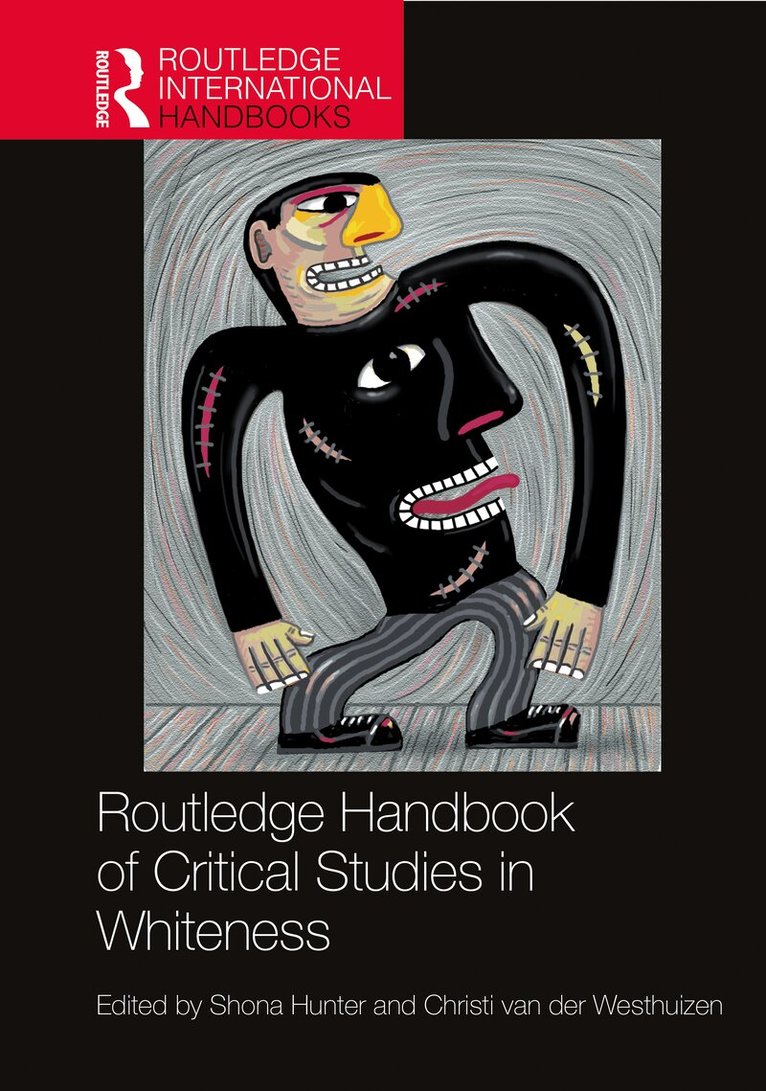
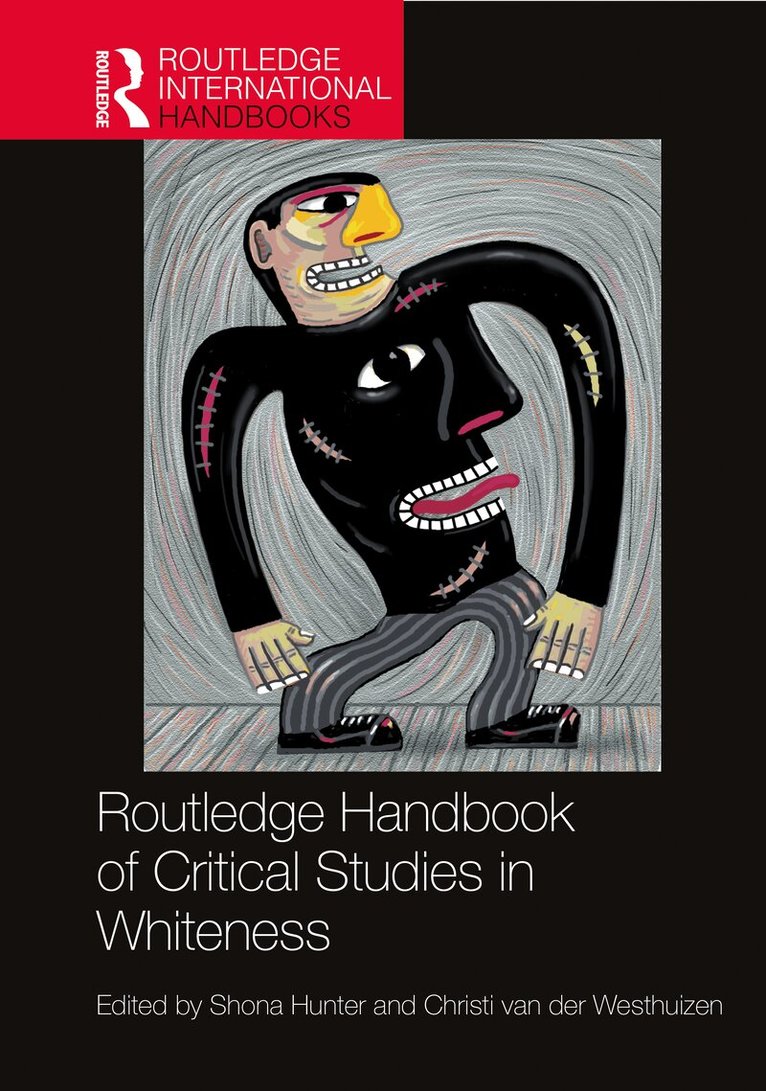
This handbook offers a unique decolonial take on the field of Critical Whiteness Studies by rehistoricising and re-spatialising the study of bodies and identities in the world system of coloniality.Situating the critical study of whiteness as a core intellectual pillar in a broadly based project for racial and social justice, the volume understands whiteness as elaborated in global coloniality through epistemology, ideology and governmentality at the intersections with heteropatriarchy and capitalism. The diverse contributions present Black and other racially diverse scholarship as crucial to the field. The focus of inquiry is expanded beyond Northern Anglophone contexts to challenge centre/margin relations, examining whiteness in the Caribbean, South Africa and the African continent, Asia, the Middle East as well as in the United States and parts of Europe. Providing a transdisciplinary approach and addressing debates about knowledges, black and white subjectivities and newly defensive forms of whiteness, as seen in the rise of the Radical Right, the handbook deepens our understanding of power, place, and culture in coloniality.This book will be an invaluable resource for researchers, advanced students, and scholars in the fields of Education, History, Sociology, Anthropology, Psychology, Political Sciences, Philosophy, Critical Race Theory, Feminist and Gender Studies, Postcolonial and Decolonial Studies, Security Studies, Migration Studies, Media Studies, Indigenous Studies, Cultural Studies, Critical Diversity Studies, and African, Latin American, Asian, American, British and European Studies.
1 992 kr
Skickas inom 10-15 vardagar
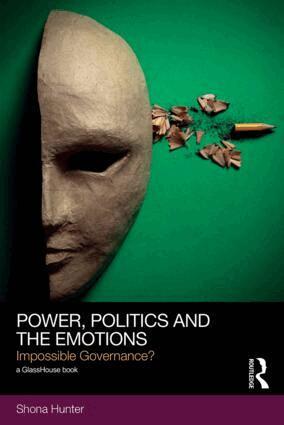
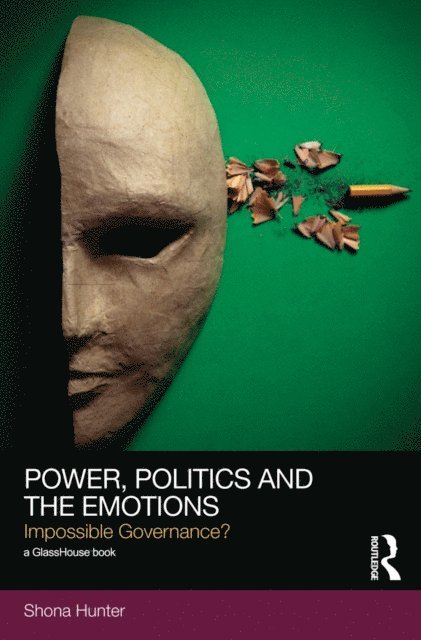
How can we rethink ideas of policy failure to consider its paradoxes and contradictions as a starting point for more hopeful democratic encounters? Offering a provocative and innovative theorisation of governance as relational politics, the central argument of Power, Politics and the Emotions is that there are sets of affective dynamics which complicate the already materially and symbolically contested terrain of policy-making. This relational politics is Shona Hunter’s starting point for a more hopeful, but realistic understanding of the limits and possibilities enacted through contemporary governing processes. Through this idea Hunter prioritises the everyday lived enactments of policy as a means to understand the state as a more differentiated and changeable entity than is often allowed for in current critiques of neoliberalism. But Hunter reminds us that focusing on lived realities demands a melancholic confrontation with pain, and the risks of social and physical death and violence lived through the contemporary neoliberal state. This is a state characterised by the ascendency of neoliberal whiteness; a state where no one is innocent and we are all responsible for the multiple intersecting exclusionary practices creating its unequal social orderings. The only way to struggle through the central paradox of governance to produce something different is to accept this troubling interdependence between resistance and reproduction and between hope and loss. Analysing the everyday processes of this relational politics through original empirical studies in health, social care and education the book develops an innovative interdisciplinary theoretical synthesis which engages with and extends work in political science, cultural theory, critical race and feminist analysis, critical psychoanalysis and post-material sociology.
644 kr
Skickas inom 10-15 vardagar
This handbook offers a unique decolonial take on the field of Critical Whiteness Studies by rehistoricising and re-spatialising the study of bodies and identities in the world system of coloniality.Situating the critical study of whiteness as a core intellectual pillar in a broadly based project for racial and social justice, the volume understands whiteness as elaborated in global coloniality through epistemology, ideology and governmentality at the intersections with heteropatriarchy and capitalism. The diverse contributions present Black and other racially diverse scholarship as crucial to the field. The focus of inquiry is expanded beyond Northern Anglophone contexts to challenge centre/margin relations, examining whiteness in the Caribbean, South Africa and the African continent, Asia, the Middle East as well as in the United States and parts of Europe. Providing a transdisciplinary approach and addressing debates about knowledges, black and white subjectivities and newly defensive forms of whiteness, as seen in the rise of the Radical Right, the handbook deepens our understanding of power, place, and culture in coloniality.This book will be an invaluable resource for researchers, advanced students, and scholars in the fields of Education, History, Sociology, Anthropology, Psychology, Political Sciences, Philosophy, Critical Race Theory, Feminist and Gender Studies, Postcolonial and Decolonial Studies, Security Studies, Migration Studies, Media Studies, Indigenous Studies, Cultural Studies, Critical Diversity Studies, and African, Latin American, Asian, American, British and European Studies.
692 kr
Skickas inom 10-15 vardagar
How can we rethink ideas of policy failure to consider its paradoxes and contradictions as a starting point for more hopeful democratic encounters? Offering a provocative and innovative theorisation of governance as relational politics, the central argument of Power, Politics and the Emotions is that there are sets of affective dynamics which complicate the already materially and symbolically contested terrain of policy-making. This relational politics is Shona Hunter’s starting point for a more hopeful, but realistic understanding of the limits and possibilities enacted through contemporary governing processes. Through this idea Hunter prioritises the everyday lived enactments of policy as a means to understand the state as a more differentiated and changeable entity than is often allowed for in current critiques of neoliberalism. But Hunter reminds us that focusing on lived realities demands a melancholic confrontation with pain, and the risks of social and physical death and violence lived through the contemporary neoliberal state. This is a state characterised by the ascendency of neoliberal whiteness; a state where no one is innocent and we are all responsible for the multiple intersecting exclusionary practices creating its unequal social orderings. The only way to struggle through the central paradox of governance to produce something different is to accept this troubling interdependence between resistance and reproduction and between hope and loss. Analysing the everyday processes of this relational politics through original empirical studies in health, social care and education the book develops an innovative interdisciplinary theoretical synthesis which engages with and extends work in political science, cultural theory, critical race and feminist analysis, critical psychoanalysis and post-material sociology.