Shumon T. Hussain - Böcker
Visar alla böcker från författaren Shumon T. Hussain. Handla med fri frakt och snabb leverans.
4 produkter
4 produkter
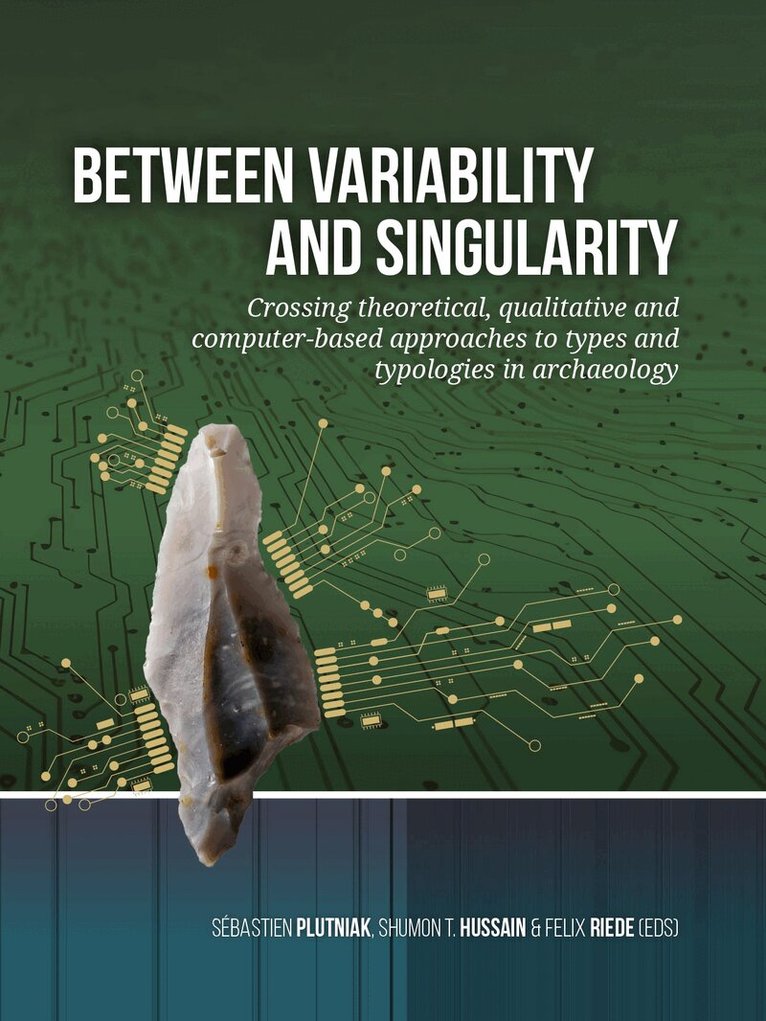
Between variability and singularity
Crossing theoretical, qualitative and computer-based approaches to types and typologies in archaeology
Häftad, Engelska, 2026
986 kr
Kommande
Typology is a core method and practice in archaeology. As a particular form of classification first developed during the infancy of the discipline itself, typology has remained an archaeological staple despite countless twists and turns. Rarely taught explicitly, and often critiqued, typology refuses to loosen its grip on archaeological practice. In 14 chapters, this book explores how typology as a method and typologies as specific practices have developed, how typology is situated in contemporary theoretical thinking, and how typologies relate to the rapidly unfolding computational revolution that is reshaping the discipline. The volume offers state-of-the-art perspectives on typology grounded in all periods and across numerous artefact classes – ceramics, lithics, coins – as well as experimental articulations between typological thinking and mapping practices. Together, the chapters making up this volume challenge naïve typologizing and bring the topic of what we call things and how we classify them to the fore of archaeological debates. The volume is essential reading for graduate students and professionals alike; it offers critical perspectives on core principles of archaeological classification but also provides visionary signposts for how theory and computational methods engage with classification practices now and in the years to come. Notably, this book is not only experimental in its content but also in its form: All chapters contained in it have been peer-assessed in their preprint forms such that earlier versions, all peer reviews and editorial recommendations are available as rich metadata. In this way, the volume sets new standards for bibliodiverse scholarly publishing at the interface between the digital and the physical.
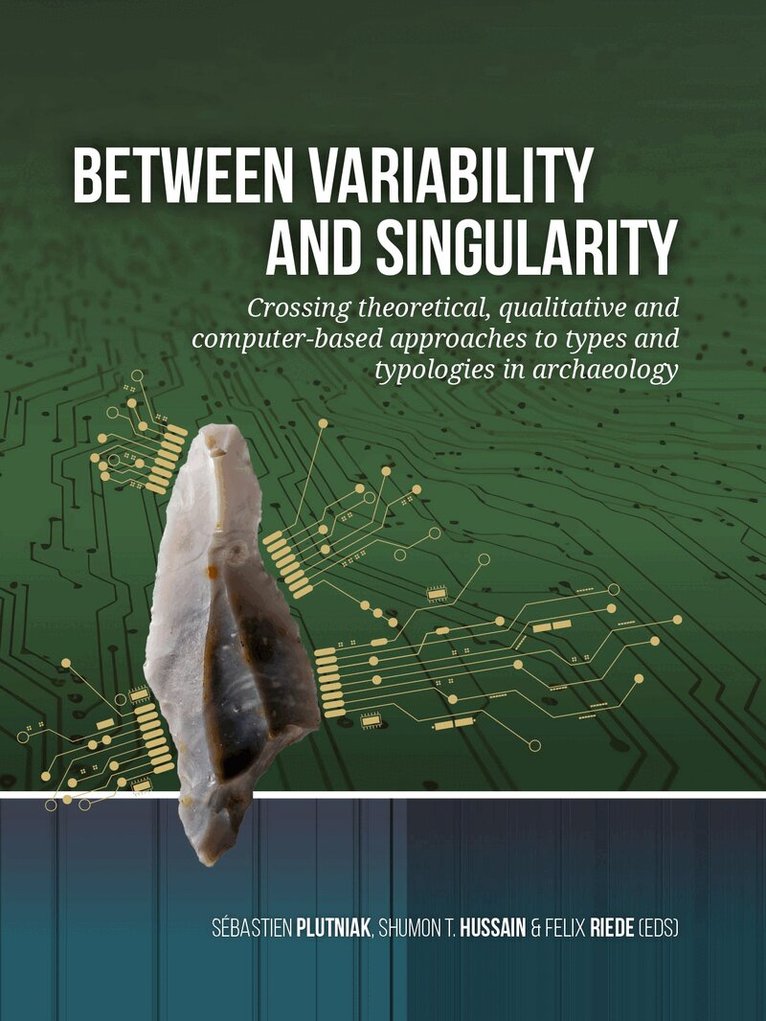
Between variability and singularity
Crossing theoretical, qualitative and computer-based approaches to types and typologies in archaeology
Inbunden, Engelska, 2026
1 890 kr
Kommande
Typology is a core method and practice in archaeology. As a particular form of classification first developed during the infancy of the discipline itself, typology has remained an archaeological staple despite countless twists and turns. Rarely taught explicitly, and often critiqued, typology refuses to loosen its grip on archaeological practice. In 14 chapters, this book explores how typology as a method and typologies as specific practices have developed, how typology is situated in contemporary theoretical thinking, and how typologies relate to the rapidly unfolding computational revolution that is reshaping the discipline. The volume offers state-of-the-art perspectives on typology grounded in all periods and across numerous artefact classes – ceramics, lithics, coins – as well as experimental articulations between typological thinking and mapping practices. Together, the chapters making up this volume challenge naïve typologizing and bring the topic of what we call things and how we classify them to the fore of archaeological debates. The volume is essential reading for graduate students and professionals alike; it offers critical perspectives on core principles of archaeological classification but also provides visionary signposts for how theory and computational methods engage with classification practices now and in the years to come. Notably, this book is not only experimental in its content but also in its form: All chapters contained in it have been peer-assessed in their preprint forms such that earlier versions, all peer reviews and editorial recommendations are available as rich metadata. In this way, the volume sets new standards for bibliodiverse scholarly publishing at the interface between the digital and the physical.
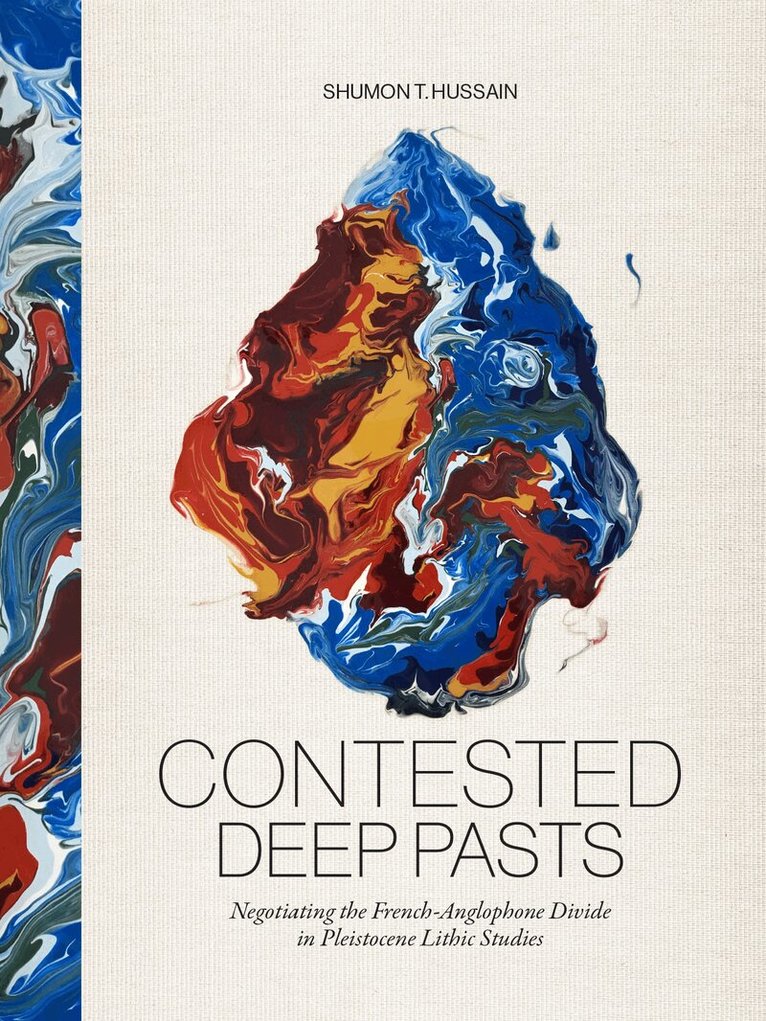
Contested Deep Pasts
Negotiating the French-Anglophone Divide in Pleistocene Lithic Studies
Häftad, Engelska, 2026
1 212 kr
Kommande
This book offers the first in-depth analysis of French-Anglophone research conflicts in Palaeolithic archaeology. By carefully examining a range of case studies and discursive contexts, the author shows that French and Anglophone approaches to the lithic evidence are anchored in opposing cognitive frameworks. The mainstays of this division are outlined by drawing on the work of American philosopher Stephen C. Pepper, who captured the totality of credible Western thought in terms of four equitable world hypotheses. The book demonstrates that French lithic research gravitates towards contextualistic and organicistic modes of inquiry, whereas Anglophone approaches tend to rely on formistic and mechanistic modes of inquiry. The implications of this difficult condition for mutual understanding and critical practice are explored and it is argued that the French-Anglophone divide can only be satisfactorily navigated if practitioners endorse scientific pluralism, cultivate a more reflexive stance towards their own work, and begin to seriously take into consideration the strengths and shortcomings of different cognitive frameworks. While the book seeks to clarify the methodological, theoretical and epistemological landscape of Palaeolithic stone artefact analysis and will therefore be of a key source for lithic specialists, it may also be of interest for a broader readership from Science and Technology Studies (STS), the history and philosophy of science, and nascent interdisciplinary science studies.
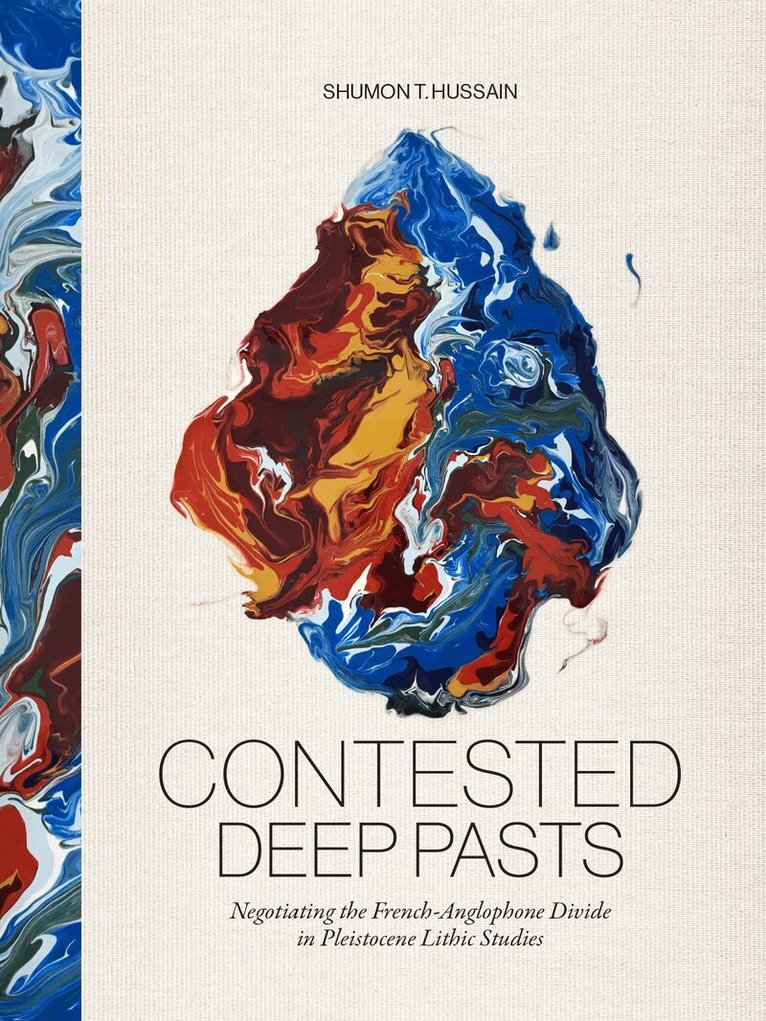
Contested Deep Pasts
Negotiating the French-Anglophone Divide in Pleistocene Lithic Studies
Inbunden, Engelska, 2026
2 341 kr
Kommande
This book offers the first in-depth analysis of French-Anglophone research conflicts in Palaeolithic archaeology. By carefully examining a range of case studies and discursive contexts, the author shows that French and Anglophone approaches to the lithic evidence are anchored in opposing cognitive frameworks. The mainstays of this division are outlined by drawing on the work of American philosopher Stephen C. Pepper, who captured the totality of credible Western thought in terms of four equitable world hypotheses. The book demonstrates that French lithic research gravitates towards contextualistic and organicistic modes of inquiry, whereas Anglophone approaches tend to rely on formistic and mechanistic modes of inquiry. The implications of this difficult condition for mutual understanding and critical practice are explored and it is argued that the French-Anglophone divide can only be satisfactorily navigated if practitioners endorse scientific pluralism, cultivate a more reflexive stance towards their own work, and begin to seriously take into consideration the strengths and shortcomings of different cognitive frameworks. While the book seeks to clarify the methodological, theoretical and epistemological landscape of Palaeolithic stone artefact analysis and will therefore be of a key source for lithic specialists, it may also be of interest for a broader readership from Science and Technology Studies (STS), the history and philosophy of science, and nascent interdisciplinary science studies.