Simon Willmetts - Böcker
Visar alla böcker från författaren Simon Willmetts. Handla med fri frakt och snabb leverans.
4 produkter
4 produkter
2 002 kr
Skickas inom 3-6 vardagar
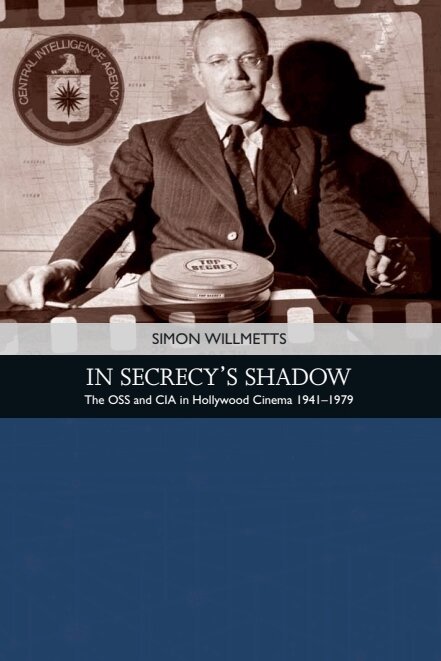
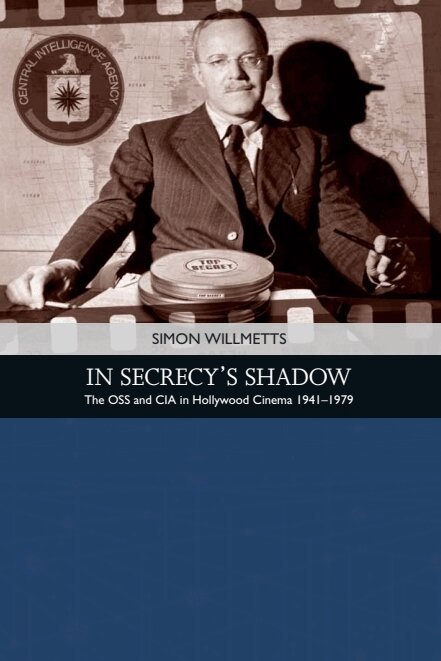
During the Second World War hundreds of Hollywood filmmakers under the command of the legendary director John Ford enlisted in the OSS to produce training, reconnaissance and propaganda films. This wartime bond continued into the post-war period, when a number of studios produced films advocating the creation of a permanent peacetime successor to the OSS: what became the Central Intelligence Agency. By the 1960s however, Hollywood's increasingly irreverent attitude towards the CIA reflected a growing public anxiety about excessive US government secrecy. In Secrecy's Shadow provides the first comprehensive history of the birth and development of Hollywood's relationship with American intelligence. It takes an interdisciplinary approach, synthesizing literatures and methodologies from diplomatic history, film studies and cultural theory, and it presents new perspectives on a number of major filmmakers including Darryl F. Zanuck, Alfred Hitchcock and John Ford.Based on research conducted in over 20 archival repositories across the United States and UK, In Secrecy's Shadow explores the revolution in the relationship between Hollywood and the secret state, from unwavering trust and cooperation to extreme scepticism and paranoia, and demonstrates the debilitating effects of secrecy upon public trust in government and the stability of national memory.
649 kr
Skickas inom 3-6 vardagar
Drawing on extensive archival research, In Secrecy s Shadow explores the revolution in the relationship between Hollywood and the secret state, from unwavering trust and cooperation to extreme scepticism and paranoia.
1 873 kr
Skickas inom 5-8 vardagar
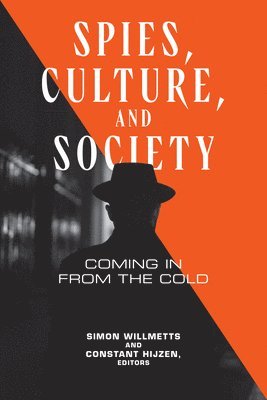
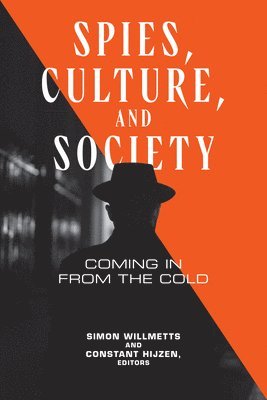
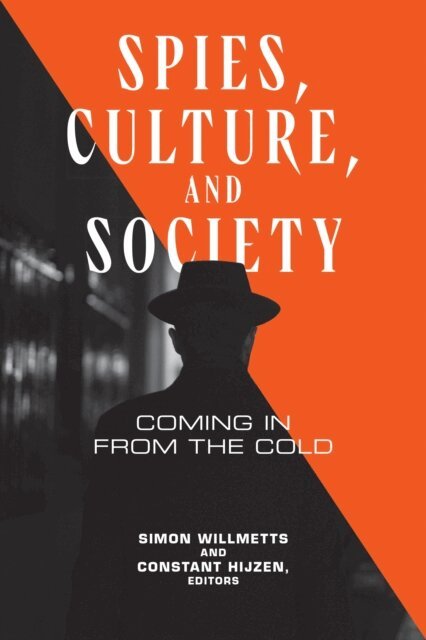
A revealing look at the interrelationship between secret intelligence agencies and the wider societies and cultures they inhabitIntelligence agencies are traditionally understood as cloistered entities. Hidden behind a veil of secrecy, they conduct their activities relatively free from public scrutiny, and their assessments are ideally detached from the cultural and political biases that pervade our fallen world.Today, however, intelligence services have come in from the cold. They feature routinely in our popular culture and our political debates. Our ideas about them, from "deep state" conspiracy theories to popular tropes drawn from spy fiction and cinema, have even influenced the outcome of major elections. Likewise, as John Le Carré once put it, intelligence officers do not sit "like monks in a cell" but are themselves products of the social, political, and cultural domains they inhabit. Spies, Culture, and Society brings together some of the world's leading experts on intelligence and its wider impact to explore different aspects of this reciprocal relationship between spies, culture, and society. The topics covered include the influence of spy films and novels, interactions between spies and journalists, the historical roots of the "deep state" conspiracy theory, Western intelligence and imperialism, and more. Together, these chapters showcase a new way of understanding intelligence agencies as fundamentally integrated into the cultures, societies, and political systems that they seek to analyze and protect.Offering meaningful insights for intelligence studies scholars, Cold War historians, and media scholars, this collection offers a new paradigm for understanding intelligence agencies as fundamentally integrated into the cultures and societies they seek to protect.
549 kr
Skickas
A revealing look at the interrelationship between secret intelligence agencies and the wider societies and cultures they inhabitIntelligence agencies are traditionally understood as cloistered entities. Hidden behind a veil of secrecy, they conduct their activities relatively free from public scrutiny, and their assessments are ideally detached from the cultural and political biases that pervade our fallen world.Today, however, intelligence services have come in from the cold. They feature routinely in our popular culture and our political debates. Our ideas about them, from "deep state" conspiracy theories to popular tropes drawn from spy fiction and cinema, have even influenced the outcome of major elections. Likewise, as John Le Carré once put it, intelligence officers do not sit "like monks in a cell" but are themselves products of the social, political, and cultural domains they inhabit. Spies, Culture, and Society brings together some of the world's leading experts on intelligence and its wider impact to explore different aspects of this reciprocal relationship between spies, culture, and society. The topics covered include the influence of spy films and novels, interactions between spies and journalists, the historical roots of the "deep state" conspiracy theory, Western intelligence and imperialism, and more. Together, these chapters showcase a new way of understanding intelligence agencies as fundamentally integrated into the cultures, societies, and political systems that they seek to analyze and protect.Offering meaningful insights for intelligence studies scholars, Cold War historians, and media scholars, this collection offers a new paradigm for understanding intelligence agencies as fundamentally integrated into the cultures and societies they seek to protect.