Siufu Tang - Böcker
Visar alla böcker från författaren Siufu Tang. Handla med fri frakt och snabb leverans.
4 produkter
4 produkter
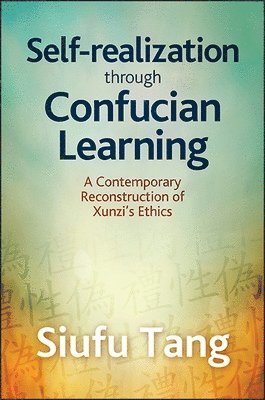
Self-Realization through Confucian Learning
A Contemporary Reconstruction of Xunzi's Ethics
Häftad, Engelska, 2017
376 kr
Tillfälligt slut
Confucian philosopher Xunzi's moral thought is considered in light of the modern focus on self-realization.Self-Realization through Confucian Learning reconstructs Confucian thinker Xunzi's moral philosophy in response to the modern focus on self-realization. Xunzi (born around 310 BCE) claims that human xing ("nature" or "native conditions") is without an ethical framework and has a tendency to dominate, leading to bad judgments and bad behavior. Confucian ritual propriety (li) is needed to transform these human native conditions. Through li, people become self-directing: in control of feelings and desires and in command of their own lives. Siufu Tang explicates Xunzi's understanding of the hierarchical structure of human agency to articulate why and how li is essential to self-realization. Ritual propriety also structures relationships to make a harmonious communal life possible. Tang's focus on self-realization highlights how Confucianism can address the individual as well as the communal and serve as a philosophy for contemporary times.
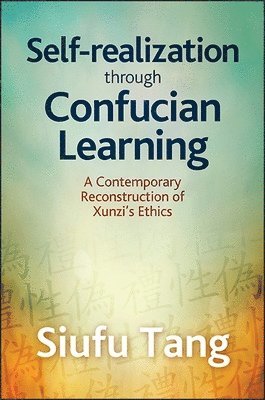
Self-Realization through Confucian Learning
A Contemporary Reconstruction of Xunzi's Ethics
Inbunden, Engelska, 2016
1 456 kr
Skickas inom 3-6 vardagar
Confucian philosopher Xunzi's moral thought is considered in light of the modern focus on self-realization.Self-Realization through Confucian Learning reconstructs Confucian thinker Xunzi's moral philosophy in response to the modern focus on self-realization. Xunzi (born around 310 BCE) claims that human xing ("nature" or "native conditions") is without an ethical framework and has a tendency to dominate, leading to bad judgments and bad behavior. Confucian ritual propriety (li) is needed to transform these human native conditions. Through li, people become self-directing: in control of feelings and desires and in command of their own lives. Siufu Tang explicates Xunzi's understanding of the hierarchical structure of human agency to articulate why and how li is essential to self-realization. Ritual propriety also structures relationships to make a harmonious communal life possible. Tang's focus on self-realization highlights how Confucianism can address the individual as well as the communal and serve as a philosophy for contemporary times.
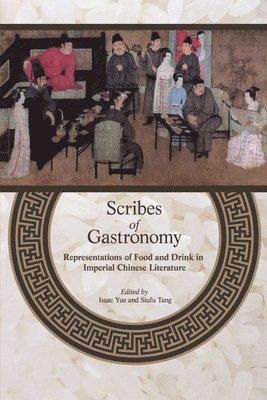
Scribes of Gastronomy
Representations of Food and Drink in Imperial Chinese Literature
Inbunden, Engelska, 2013
864 kr
Skickas inom 5-8 vardagar
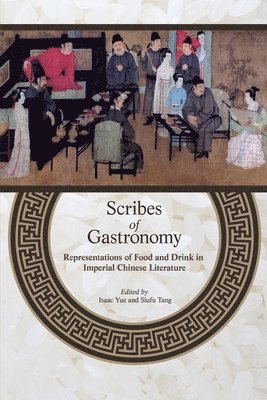
The culture of food and drink occupies a central role in the development of Chinese civilization, and the language of gastronomy has been a vital theme in literary productions through many different eras and genres. From stanzas on food and wine in the Book of Odes to the articulation of refined dining in The Dream of the Red Chamber and Su Shi's literary recipe for attaining culinary perfection, lavish textual representations help explain the unique appeal of food and its overwhelming cultural significance within Chinese society. These eight essays offer a colorful tour of Chinese gourmands whose work exemplifies the interrelationships of social and literary history surrounding food, with careful explication of such topics as the importance of tea in poetry, "the morality of drunkenness", and food's role in the objectification of women in certain classic texts.
Scribes of Gastronomy
Representations of Food and Drink in Imperial Chinese Literature
Häftad, Engelska, 2013
440 kr
Skickas inom 5-8 vardagar
The culture of food and drink occupies a central role in the development of Chinese civilization, and the language of gastronomy has been a vital theme in literary productions through many different eras and genres. From stanzas on food and wine in the Book of Odes to the articulation of refined dining in The Dream of the Red Chamber and Su Shi's literary recipe for attaining culinary perfection, lavish textual representations help explain the unique appeal of food and its overwhelming cultural significance within Chinese society. These eight essays offer a colorful tour of Chinese gourmands whose work exemplifies the interrelationships of social and literary history surrounding food, with careful explication of such topics as the importance of tea in poetry, "the morality of drunkenness", and food's role in the objectification of women in certain classic texts.