Sofia Bull - Böcker
Visar alla böcker från författaren Sofia Bull. Handla med fri frakt och snabb leverans.
3 produkter
3 produkter
1 422 kr
Skickas inom 10-15 vardagar
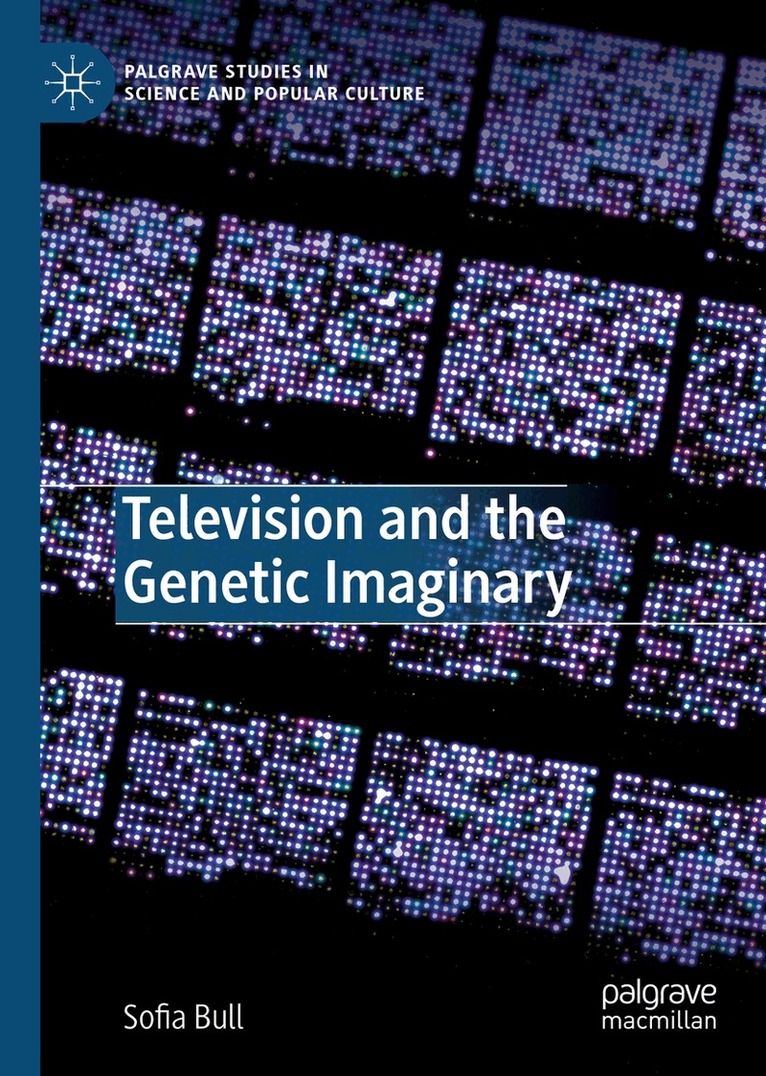
Analysing a wide range of US and UK programmes, from science documentaries, science fiction serials and crime procedurals, to family history programmes, sitcoms and reality shows, Television and the Genetic Imaginary illustrates the extent to which molecular frameworks of understanding now permeate popular culture.
182 kr
Skickas inom 5-8 vardagar
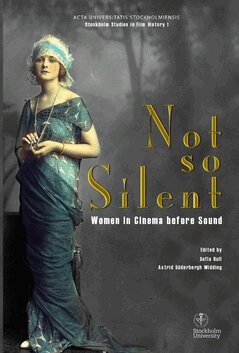
"The work of the Women and the Silent Screen Conferences [...] is to collectively create a new realm of cinema history, neither 'the' history, nor 'a' history, but a strange double world." These words are from Jane Gaines in her keynote address for the fifth Women and the Silent Screen Conference, held at the Stockholm University in 2008. This proceedings volume gives a representative picture of the breadth of the conference. The rich and varied contributions address theoretical issues around this double world of "cinematification" and feminist historiography, advancing questions on the authorship of pioneering female filmmakers and the role of female stars in early cinema. Other topics explored include transnationalism, the performance of femininity, fandom and fashioning, and branding within the studio system. The diversity of subjects in this volume reveals both the complexity and the problems of the field of research that the Women and the Silent Screen Conferences represent. Not only do these papers deal with well-known, concrete issues within feminist scholarship, but they also consider a more fundamental question: that of the medium as such in its early years, and its conceptualisation within a feminist scholarly framework.
A post-genomic forensic crime drama : CSI: crime scene investigation as cultural forum on science
Häftad, Engelska, 2015
195 kr
Skickas inom 5-8 vardagar
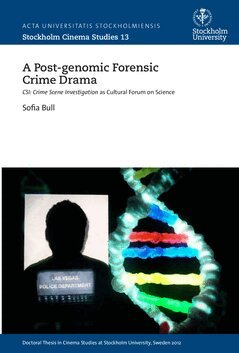
This thesis examines how the first 10 seasons of CSI: Crime Scene Investigation (CBS, 2000-) engage with discourses on science. Investigating CSI's representation of scientific practices and knowledge, it explicitly attempts to look beyond the generic assumption that forensic crime dramas simply 'celebrate' science. The material is analysed at three different levels, studying CSI's wider cultural discursive context, genre linkages, and audio-visual form. In order to fully account for the series' specificity, the thesis undertakes comparative analyses of earlier forensic crime dramas and other relevant audio-visual material. Close textual readings of certain thematic tropes, narrative devices and visual imagery in CSI are thus supplemented by historical studies of their extended generic backgrounds. This textual-historical approach generates a general argument that CSI dramatizes and evokes a number of different, and often contradictory, scientific ideas, perspectives and discursive shifts. The thesis concludes that CSI stages a transnational cultural forum, simultaneously engaging with residual, dominant and emergent discourses on science. Throughout, close attention is paid to the multiple perspectives and viewpoints that allow the series to appeal to a wide and heterogeneous global audience. Furthermore, the thesis asserts that CSI specifically articulates a post-genomic structure of feeling, which begins to express the wider cultural implications of an emergent discursive shift whereby the instrumentalisation of molecular science seemingly offers more possibilities for human intervention into biological processes. Thus, the study demonstrates how CSI's discourse on science treats recent scientific developments as engendering a cultural process of redefinition, questioning foundational concepts such as truth, identity, body, kinship and emotions.