Somadeva Vasudeva - Böcker
Visar alla böcker från författaren Somadeva Vasudeva. Handla med fri frakt och snabb leverans.
3 produkter
3 produkter
310 kr
Skickas inom 7-10 vardagar
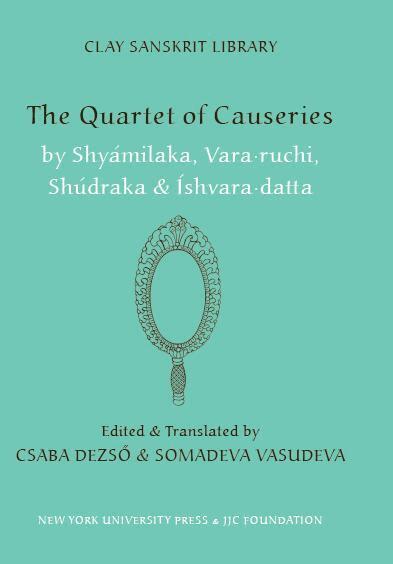
The Quartet of Causeries have been handed down as a collection of the most ancient monologue farces in classical Sanskrit. Though stylistically divergent, they share a common plot: the hero is an inept, bungling procurer, who mismanages his client's love-affairs to an unexpectedly successful completion. A wide spectrum of India's urban society is scandalized, from respected judges to clumsy poetasters, from hypocritical Buddhist monks to greedy madams, from spoiled scions of wealthy houses to criminal low-life.Co-published by New York University Press and the JJC FoundationFor more on this title and other titles in the Clay Sanskrit series, please visit http://www.claysanskritlibrary.org
295 kr
Skickas inom 7-10 vardagar
The Dark Age Ridiculed, by Níla·kantha, Beguiling Artistry, by Ksheméndra, The Hundred Allegories, by BhállataWritten over a period of nearly a thousand years, these works show three very different approaches to satire. Níla·kantha gets straight to the point: swindlers prey on stupidity.The artistry that beguiles Ksheméndra is as varied as human nature and just as fallible. We are off to a gentle start Sanctimoniousreally no more than a warm-up among vices—but soon graduate to Greed and Lust. From there it's downhill all the way, as unfaithfulness leads on to fraud, and drunkenness to depravity; deception and quackery bring up the rear. What's this at the very end? Virtue? A late arrival, pale and unconvincing.This volume presents three Indian satirists with three different strategies: in the ninth century C.E., Bhállata sought vengeance on his boorish new king by producing vicious sarcastic verse, "The Hundred Allegories;" in the eleventh century, Ksheméndra presents himself as a social reformer out to shame the complacent into compliance with Vedic morality; and in the seventeenth century little can redeem the fallen characters Níla·kantha portrays, so his duty is simply to warn about the corruption of every social type.Co-published by New York University Press and the JJC FoundationFor more on this title and other titles in the Clay Sanskrit series, please visit http://www.claysanskritlibrary.org
295 kr
Skickas inom 7-10 vardagar
This play was one of the first examples of Indian literature to be seen in Europe; it attracted considerable attention (among others, from Goethe), and indeed pained surprise that such a sophisticated art-form could have developed without the rest of the world noticing. A good deal of that surprise will be revived by the hitherto untranslated Kashmirian recension.Kali·dasa's The Recognition of Shakúntala is a play that scarcely needs introduction. Among the first works of Sanskrit literature translated into European languages, its skilful plot of thwarted love and eventual redemption has long charmed audiences around the world. Shakúntala's story is a leitmotiv that recurs in many works of Indian literature and culminates in the master Kali·dasa's drama for the stage.Co-published by New York University Press and the JJC FoundationFor more on this title and other titles in the Clay Sanskrit series, please visit http://www.claysanskritlibrary.org