Sonya S. Lee - Böcker
Visar alla böcker från författaren Sonya S. Lee. Handla med fri frakt och snabb leverans.
2 produkter
2 produkter
1 201 kr
Skickas inom 7-10 vardagar
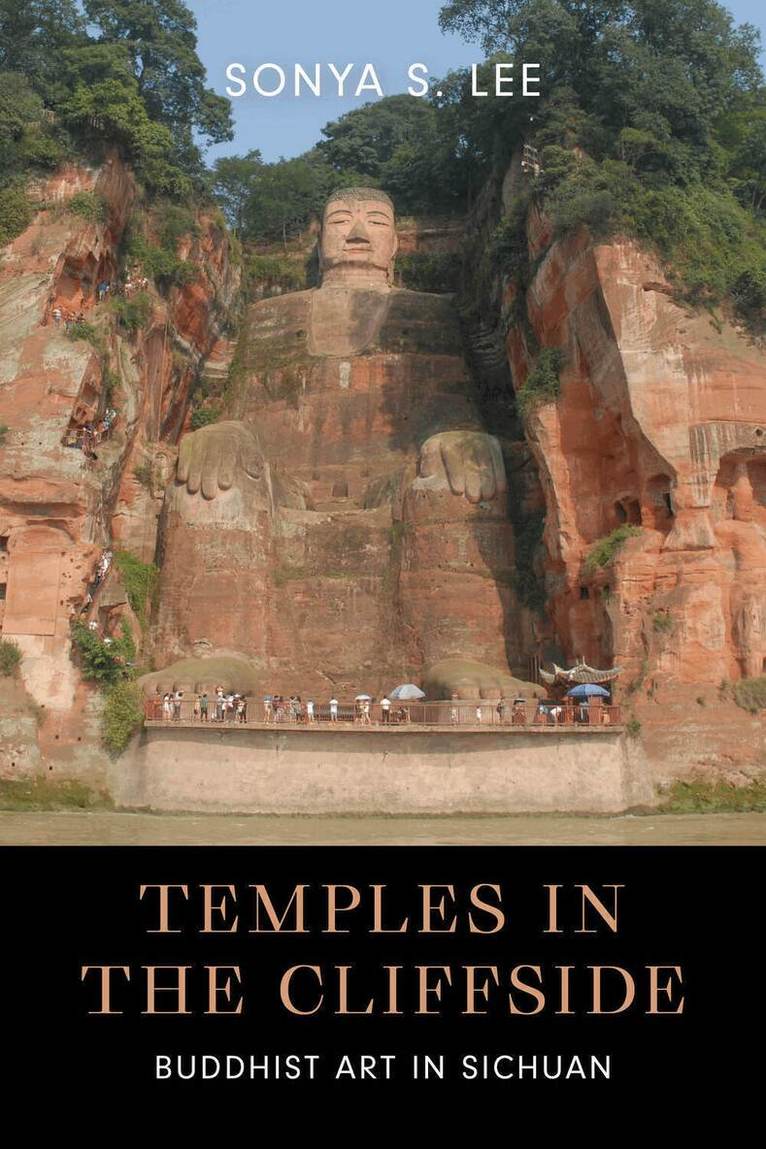
Winner of the 2023 IPPY – Gold – Religion Nonfiction category, sponsored by the Independent Publisher Book Award Centuries of monumental sculpture, embedded in the landscape At sixty-two meters the Leshan Buddha in southwest China is the world’s tallest premodern statue. Carved out of a riverside cliff in the eighth century, it has evolved from a religious center to a UNESCO World Heritage Site and popular tourist destination. But this Buddha does not stand alone: Sichuan is home to many cave temples with such monumental sculptures, part of a centuries-long tradition of art-making intricately tied to how local inhabitants made use of their natural resources with purpose and creativity. These examples of art embedded in nature have altered landscapes and have influenced the behaviors, values, and worldviews of users through multiple cycles of revival, restoration, and recreation. As hybrid spaces that are at once natural and artificial, they embody the interaction of art and the environment over a long period of time. This far-ranging study of cave temples in Sichuan shows that they are part of the world’s sustainable future, as their continued presence is a reminder of the urgency to preserve culture as part of today’s response to climate change. Temples in the Cliffside brings art history into close dialogue with current discourse on environmental issues and contributes to a new understanding of the ecological impact of artistic monuments.
768 kr
Skickas inom 7-10 vardagar
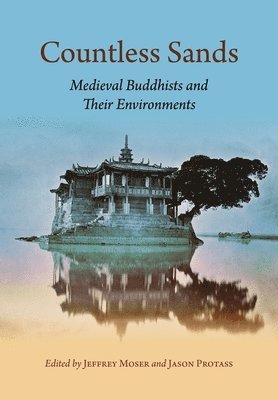
Countless Sands presents engaging analyses of the diverse relationships between Buddhism and the environment that existed in medieval Asia. Recent years have witnessed a surge in publications across the humanities that advance powerful ethical and political arguments to account for the human failure to respond effectively to global climate change. While the contributors to this volume are attuned to this challenge, rather than present explicit political arguments, they pursue a subtler effort to historicize the environment as a site and subject of Buddhist practice while providing research grounded in rigorous analysis of complex and fragmentary sources. The volume thereby mitigates against the Orientalist, East-West binaries that have long informed the invocation of Buddhism in Euro-American environmental discourses. As the chapters collectively demonstrate, there was no singular, consistently "Buddhist" understanding of the natural world, but innumerable, varied engagements preserved in discrete texts, images, and artifacts. We title the volume Countless Sands to echo the Buddhist metaphor of "sands of the Ganges" that implies an uncountable number. Through specific case studies, the authors consider such questions as: How did premodern Buddhists understand what we today call "the environment"? How did they think about their earth? How, when, and where did the various processes of the earth actually impinge on the practices of historical Buddhists? What kinds of "environmental imaginations" informed specific Buddhist practices? In so doing, the authors explore the connections between the ways in which historical Buddhist communities interacted with their environments and how they understood those environments. In the broader field of Buddhist studies, Countless Sands contributes to ongoing efforts to expand the locus of inquiry from textually based investigations of Buddhist doctrine to a broader examination of the complex and varied place of Buddhism in the lives of historical communities. The book furthers this broader process by casting it in environmental terms and will engage readers looking for models of thought-provoking historical analysis on environmental themes.