Sophie van den Elzen – författare
Visar alla böcker från författaren Sophie van den Elzen. Handla med fri frakt och snabb leverans.
7 produkter
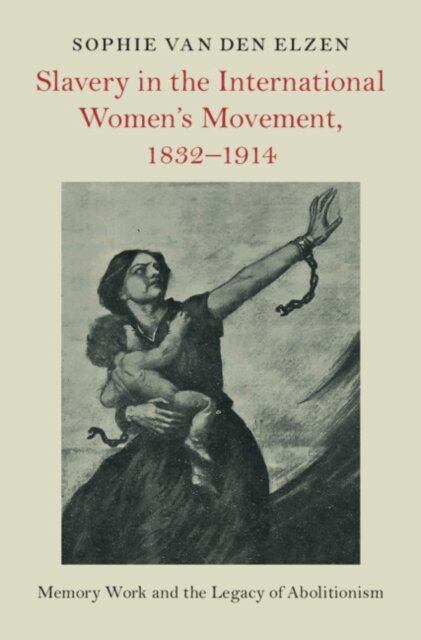
Slavery in the International Women's Movement, 1832-1914
Memory Work and the Legacy of Abolitionism
E-bok, 2025
1511 kr
Lägg i varukorg
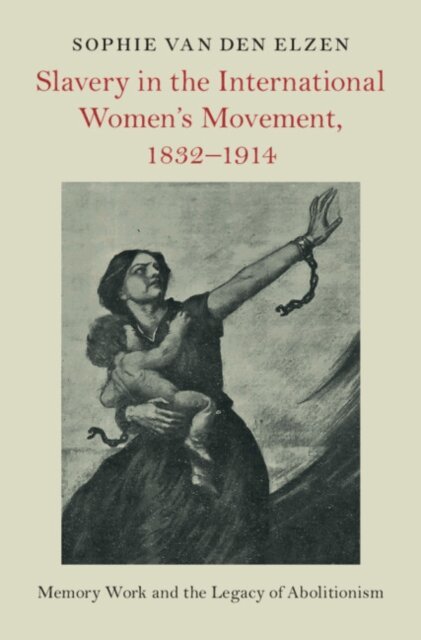
Slavery in the International Women's Movement, 1832-1914
Memory Work and the Legacy of Abolitionism
E-bok, 2025
1511 kr
Lägg i varukorg
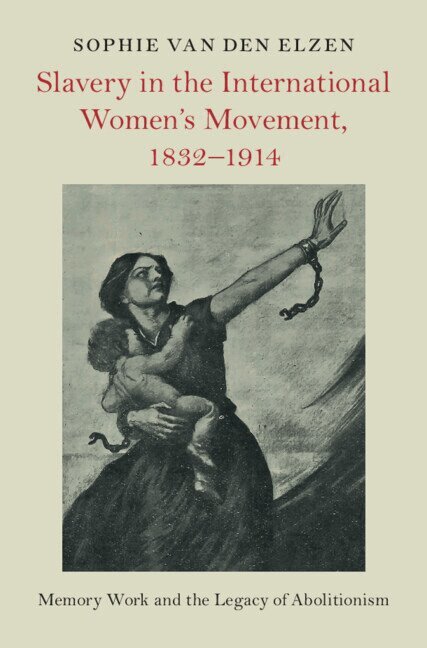
Slavery in the International Women's Movement, 1832-1914
Memory Work and the Legacy of Abolitionism
Inbunden, 2025
1526 kr
Lägg i varukorg
In this book, Sophie van den Elzen shows how advocates for women's rights, in the absence of their 'own' history, used the antislavery movement as a historical reference point and model. Through a detailed analysis of a wide range of sources produced over the span of almost a century, including …
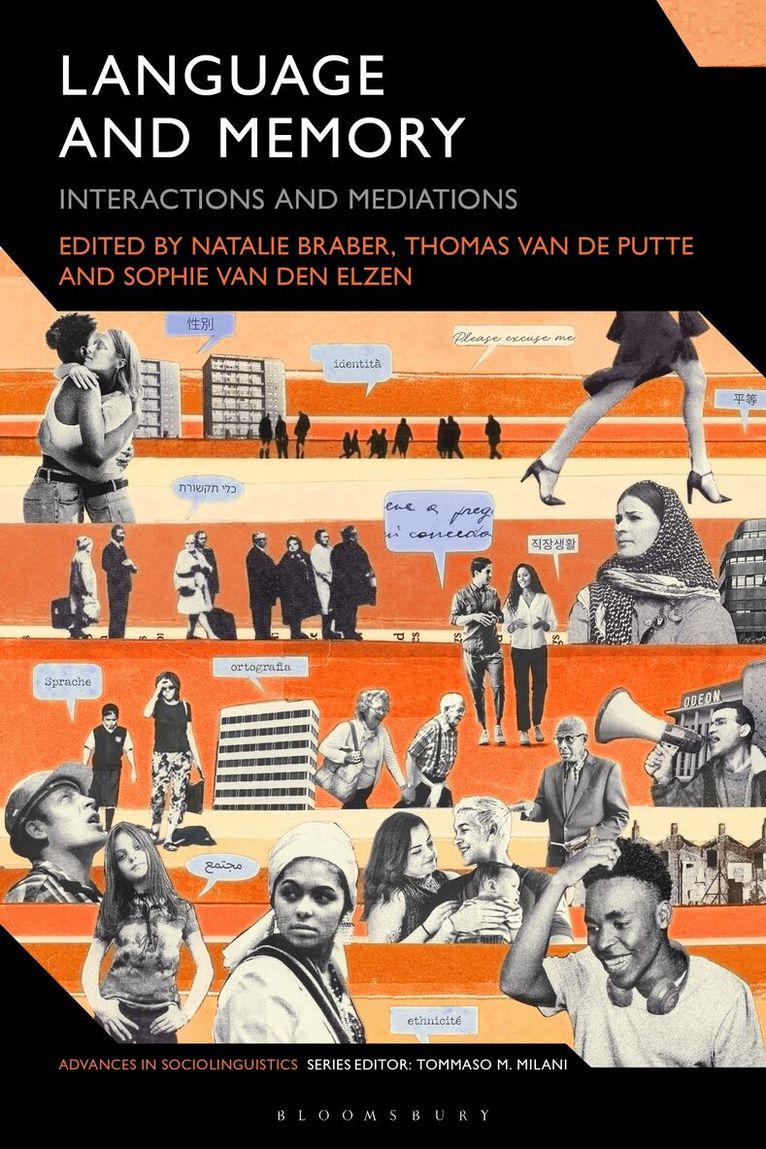
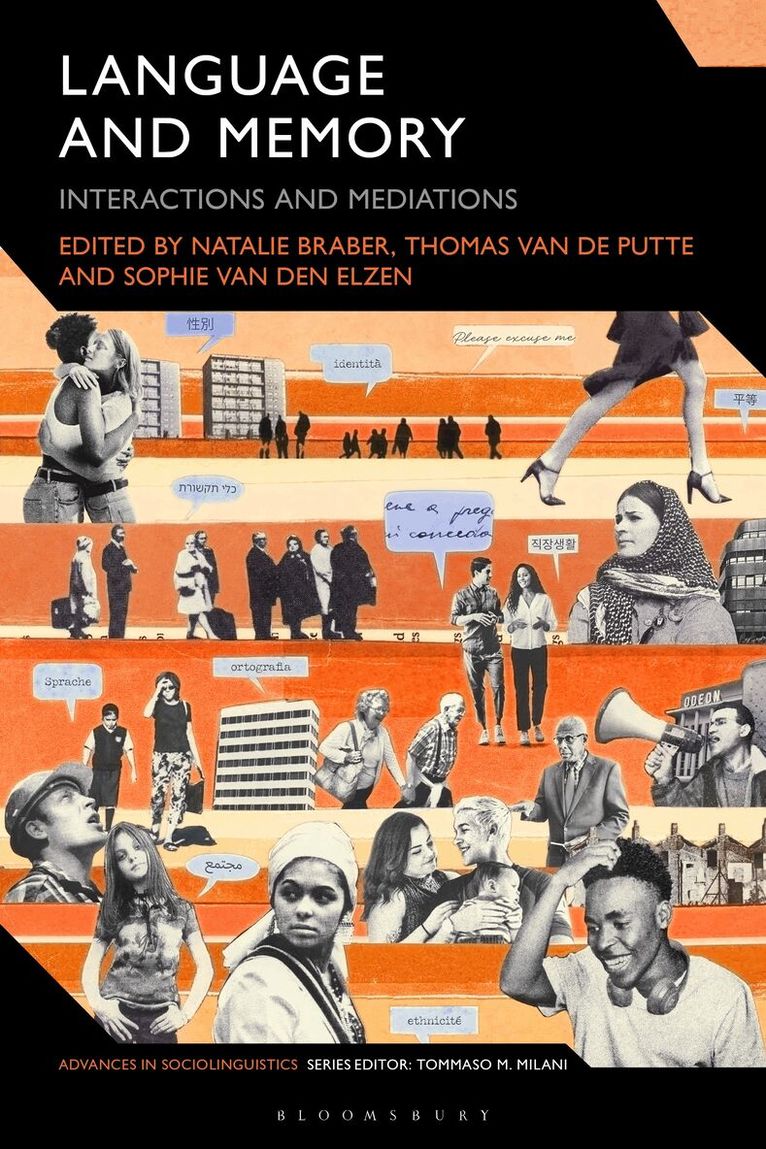
Language and Memory
Interactions and Mediations
Av Natalie Braber, Thomas Van de Putte m. fl.
Inbunden, 2026
1389 kr
Lägg i varukorg
This interdisciplinary edited volume combines linguistic and memory approaches to study how people attribute meaning to the past. It includes contributions by linguists who consider memory studies and its theories, and by memory studies scholars without linguistic background who look at …
Language and Memory
Interactions and Mediations
Av Natalie Braber, Thomas Van de Putte m. fl.
Häftad, 2028
524 kr
Kommande
This interdisciplinary edited volume combines linguistic and memory approaches to study how people attribute meaning to the past. It includes contributions by linguists who consider memory and its theories, and by memory scholars without linguistic background who look at sociolinguistic methods and …
Language and Memory
Interactions and Mediations
Av Natalie Braber, Thomas Van de Putte m. fl.
E-bok, 2026
1525 kr
Lägg i varukorg
This interdisciplinary edited volume combines linguistic and memory approaches to study how people attribute meaning to the past. It includes contributions by linguists who consider memory studies and its theories, and by memory studies scholars without linguistic background who look at …
Language and Memory
Interactions and Mediations
Av Natalie Braber, Thomas Van de Putte m. fl.
E-bok, 2026
1525 kr
Lägg i varukorg
This interdisciplinary edited volume combines linguistic and memory approaches to study how people attribute meaning to the past. It includes contributions by linguists who consider memory studies and its theories, and by memory studies scholars without linguistic background who look at …