Thomas Van de Putte – författare
Visar alla böcker från författaren Thomas Van de Putte. Handla med fri frakt och snabb leverans.
12 produkter
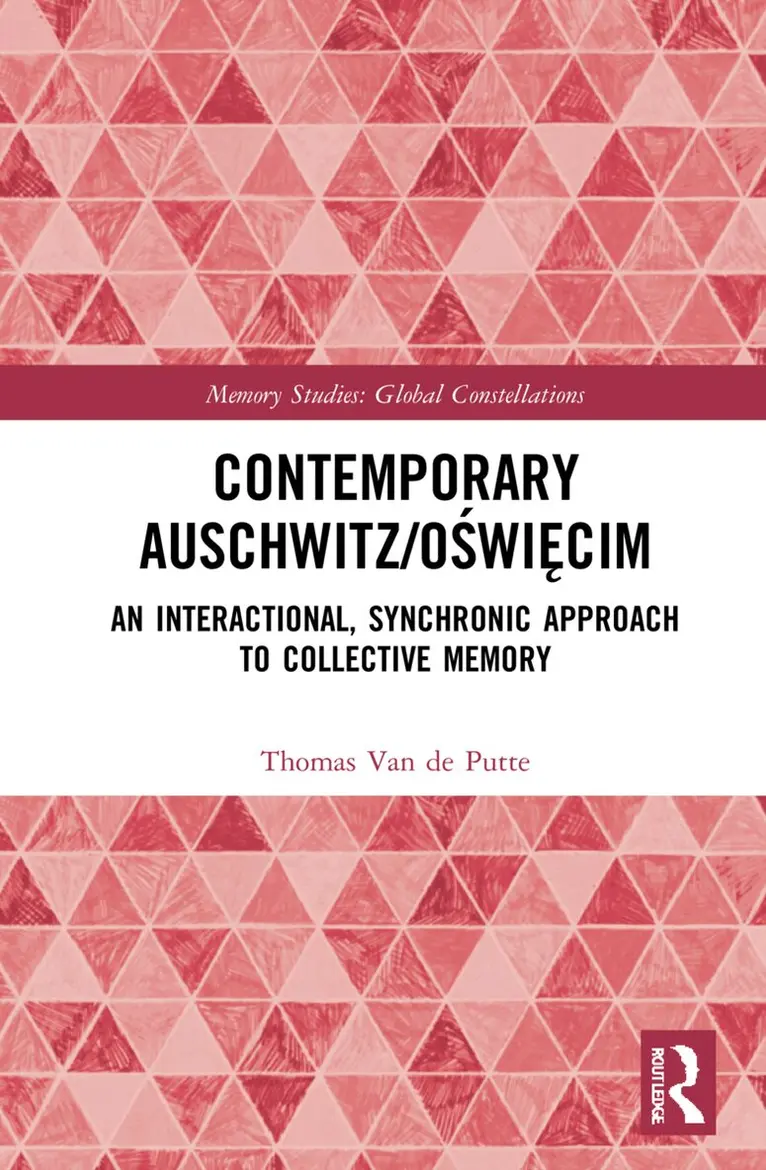
Contemporary Auschwitz/Oświęcim
An Interactional, Synchronic Approach to Collective Memory
Inbunden, 2021
2591 kr
Lägg i varukorg
This book presents an innovative theoretical and empirical approach to the present attributions of meaning to the past. Based on the author’s fieldwork in the contemporary Polish town of Oświęcim – Auschwitz, in German – it observes the manner in which residents remember and narrate the past of …
Contemporary Auschwitz/Oświęcim
An Interactional, Synchronic Approach to Collective Memory
Häftad, 2023
713 kr
Lägg i varukorg
This book presents an innovative theoretical and empirical approach to the present attributions of meaning to the past. Based on the author’s fieldwork in the contemporary Polish town of Oświęcim – Auschwitz, in German – it observes the manner in which residents remember and narrate the past of …
Contemporary Auschwitz/Oswiecim
An Interactional, Synchronic Approach to Collective Memory
E-bok, 2021
838 kr
Lägg i varukorg
This book presents an innovative theoretical and empirical approach to the present attributions of meaning to the past. Based on the author’s fieldwork in the contemporary Polish town of OÅ›wiÄ™cim – Auschwitz, in German – it observes the manner in which residents remember and narrate the …
Contemporary Auschwitz/Oswiecim
An Interactional, Synchronic Approach to Collective Memory
E-bok, 2021
820 kr
Lägg i varukorg
This book presents an innovative theoretical and empirical approach to the present attributions of meaning to the past. Based on the author’s fieldwork in the contemporary Polish town of OÅ›wiÄ™cim – Auschwitz, in German – it observes the manner in which residents remember and narrate the …
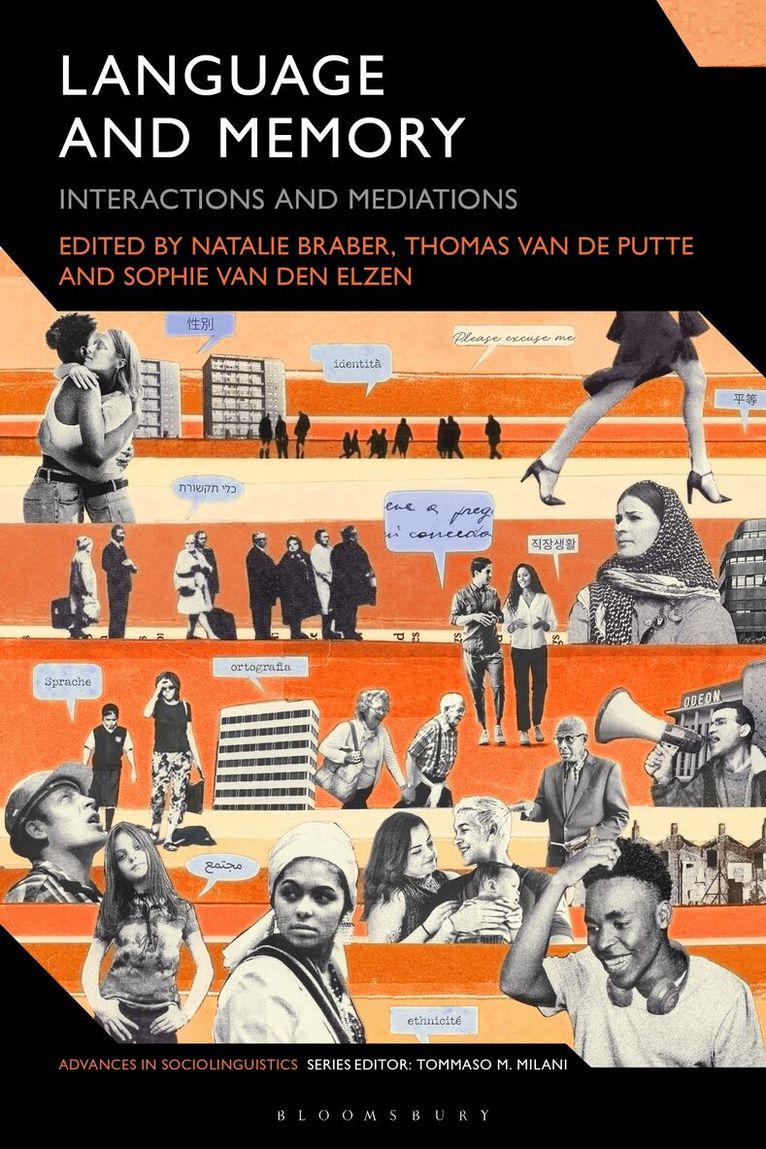
Language and Memory
Interactions and Mediations
Av Natalie Braber, Thomas Van de Putte m. fl.
Inbunden, 2026
1394 kr
Lägg i varukorg
This interdisciplinary edited volume combines linguistic and memory approaches to study how people attribute meaning to the past. It includes contributions by linguists who consider memory studies and its theories, and by memory studies scholars without linguistic background who look at …
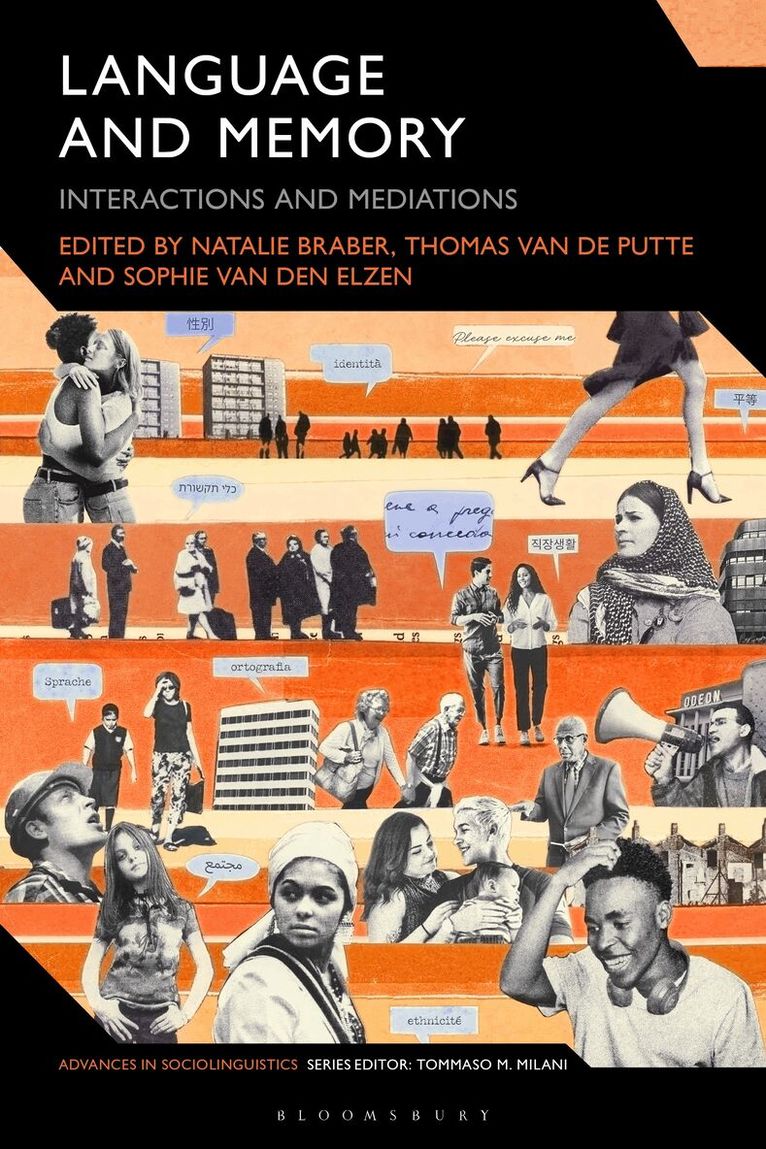
Language and Memory
Interactions and Mediations
Av Natalie Braber, Thomas Van de Putte m. fl.
Häftad, 2028
524 kr
Kommande
This interdisciplinary edited volume combines linguistic and memory approaches to study how people attribute meaning to the past. It includes contributions by linguists who consider memory and its theories, and by memory scholars without linguistic background who look at sociolinguistic methods and …
Language and Memory
Interactions and Mediations
Av Natalie Braber, Thomas Van de Putte m. fl.
E-bok, 2026
1525 kr
Lägg i varukorg
This interdisciplinary edited volume combines linguistic and memory approaches to study how people attribute meaning to the past. It includes contributions by linguists who consider memory studies and its theories, and by memory studies scholars without linguistic background who look at …
Language and Memory
Interactions and Mediations
Av Natalie Braber, Thomas Van de Putte m. fl.
E-bok, 2026
1525 kr
Lägg i varukorg
This interdisciplinary edited volume combines linguistic and memory approaches to study how people attribute meaning to the past. It includes contributions by linguists who consider memory studies and its theories, and by memory studies scholars without linguistic background who look at …
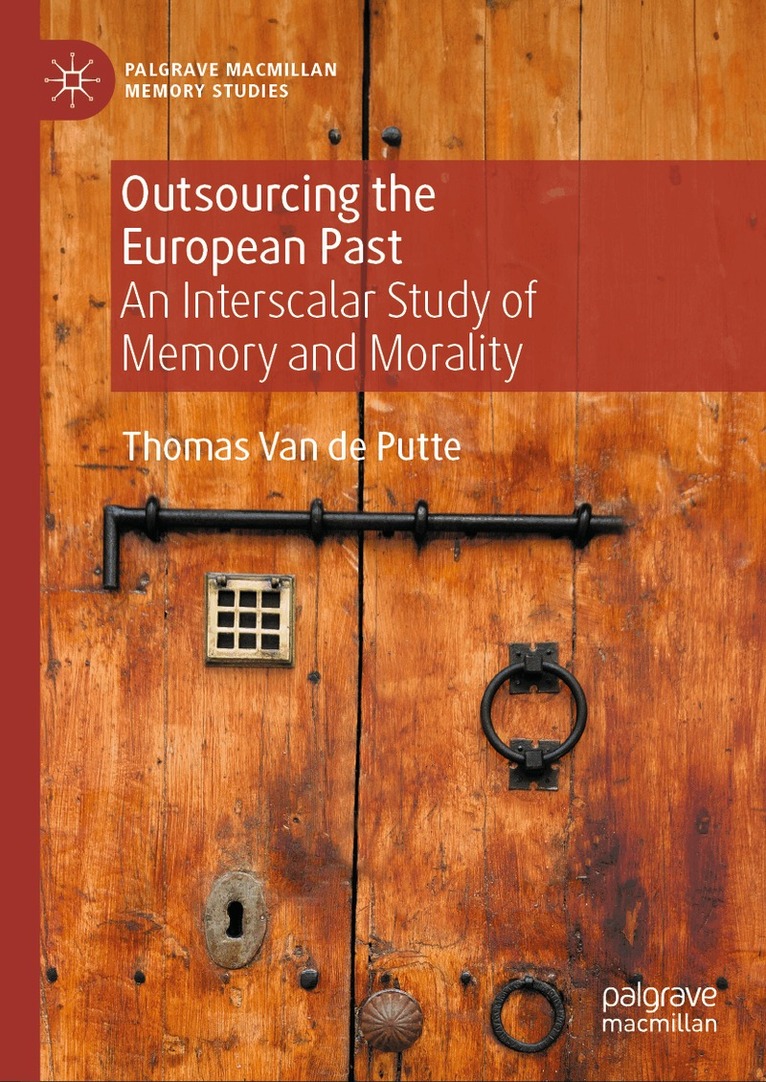
Outsourcing the European Past
An Interscalar Study of Memory and Morality
Inbunden, 2024
455 kr
Lägg i varukorg
This book investigates the entanglement of memory and morality in an extended case study of the memory policy of the European Commission between 2014 and 2020. The main empirical aim is to provide an understanding of how the European Commission, various non-governmental intermediary institutions …
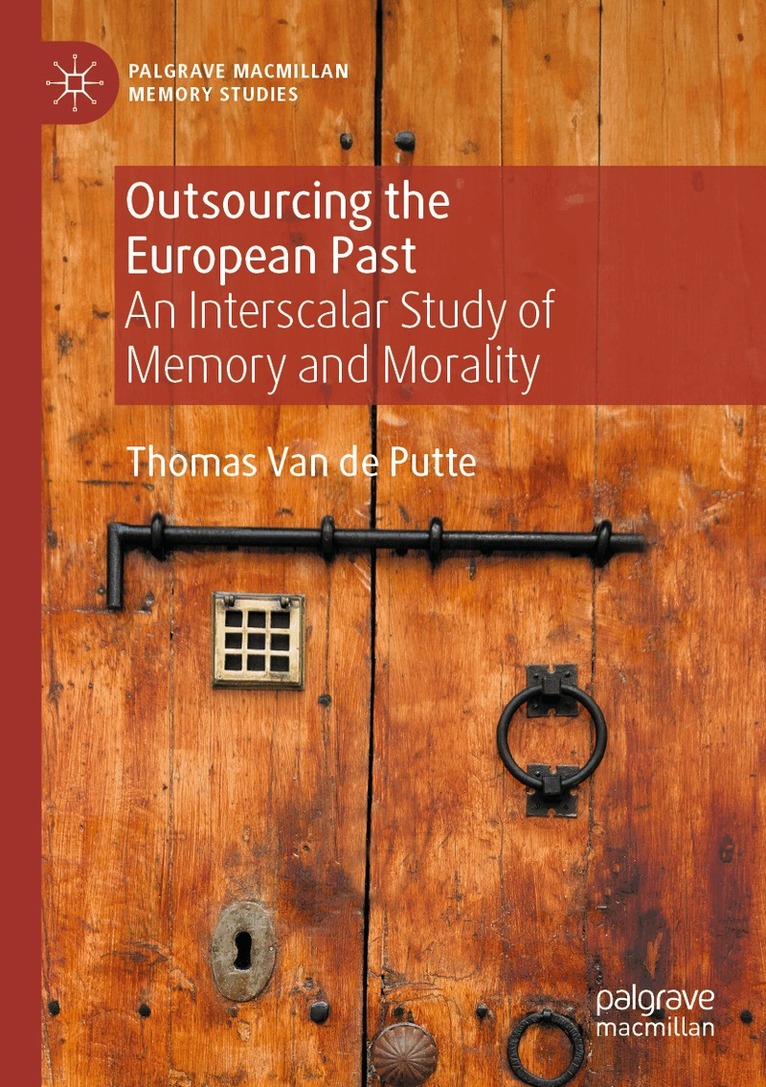
Outsourcing the European Past
An Interscalar Study of Memory and Morality
E-bok, 2024
575 kr
Lägg i varukorg
This book investigates the entanglement of memory and morality in an extended case study of the memory policy of the European Commission between 2014 and 2020. The main empirical aim is to provide an understanding of how the European Commission, various non-governmental intermediary institutions …
Outsourcing the European Past
An Interscalar Study of Memory and Morality
Häftad, 2025
455 kr
Lägg i varukorg
This book investigates the entanglement of memory and morality in an extended case study of the memory policy of the European Commission between 2014 and 2020. The main empirical aim is to provide an understanding of how the European Commission, various non-governmental intermediary institutions …
Historical Distance and the Holocaust
Interactions Between Historians and Middle-Class Western Europeans in Memory Education
Inbunden, 2026
1512 kr
Lägg i varukorg
What happens when Holocaust historians leave their academic bubble and start interacting with laypeople? This book investigates practices and discourses of historical distance and their effects on vernacular understandings of the Holocaust among white, middle-class Europeans. In five chapters, …