Srinath Raghavan – författare
Visar alla böcker från författaren Srinath Raghavan. Handla med fri frakt och snabb leverans.
9 produkter
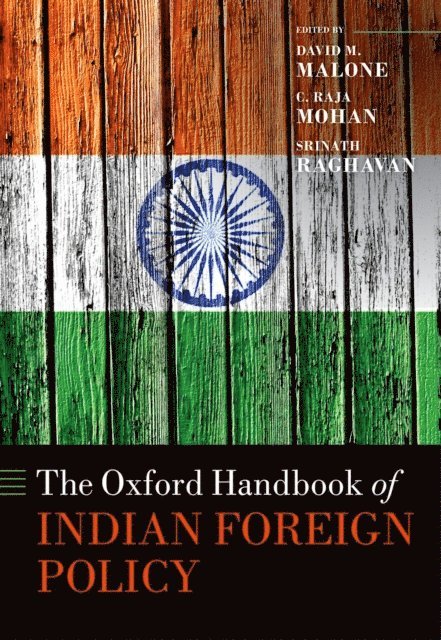
Oxford Handbook of Indian Foreign Policy
Av Srinath Raghavan, C. Raja Mohan m. fl.
E-bok, 2015
587 kr
Lägg i varukorg
Following the end of the Cold War, the economic reforms in the early 1990s, and ensuing impressive growth rates, India has emerged as a leading voice in global affairs, particularly on international economic issues. Its domestic market is fast-growing and India is becoming increasingly important to …
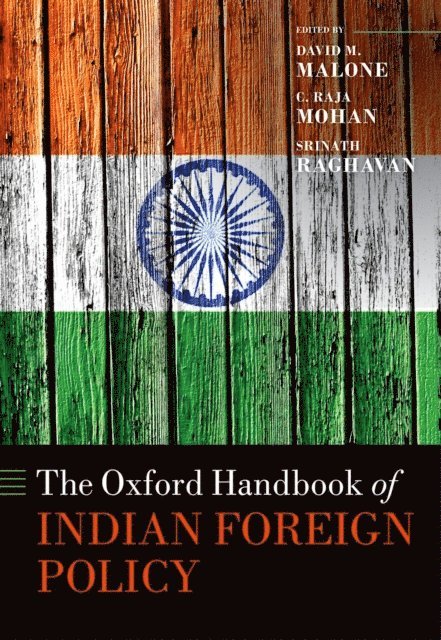
Oxford Handbook of Indian Foreign Policy
Av Srinath Raghavan, C. Raja Mohan m. fl.
E-bok, 2015
587 kr
Lägg i varukorg
Following the end of the Cold War, the economic reforms in the early 1990s, and ensuing impressive growth rates, India has emerged as a leading voice in global affairs, particularly on international economic issues. Its domestic market is fast-growing and India is becoming increasingly important to …
The Oxford Handbook of Indian Foreign Policy
Av MALONE, David M. Malone m. fl.
Inbunden, 2015
3040 kr
Lägg i varukorg
Following the end of the Cold War, the economic reforms in the early 1990s, and ensuing impressive growth rates, India has emerged as a leading voice in global affairs, particularly on international economic issues. Its domestic market is fast-growing and India is becoming increasingly important to …
The Oxford Handbook of Indian Foreign Policy
Av David M. Malone, C. Raja Mohan m. fl.
Häftad, 2017
858 kr
Lägg i varukorg
Following the end of the Cold War, the economic reforms in the early 1990s, and ensuing impressive growth rates, India has emerged as a leading voice in global affairs, particularly on international economic issues. Its domestic market is fast-growing and India is becoming increasingly important to …
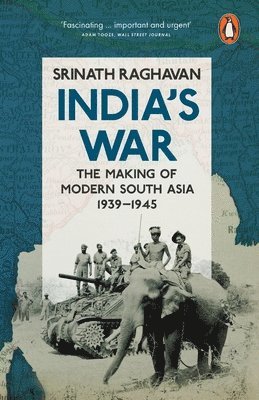
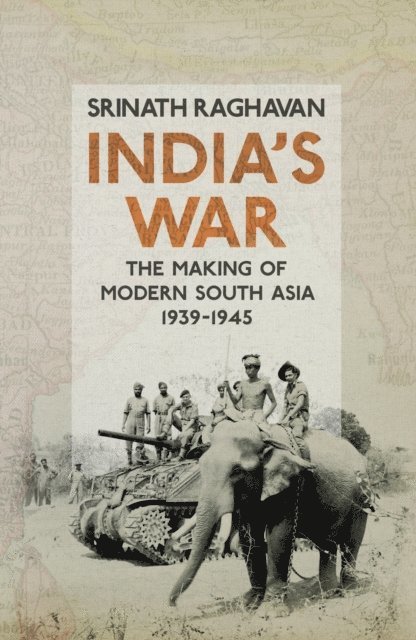
India's War
The Making of Modern South Asia, 1939-1945
Häftad, 2017
203 kr
Lägg i varukorg
SPECTATOR BOOKS OF THE YEAR 2016, GUARDIAN BOOKS OF THE YEAR 2016'Authoritative, expansive and incisive...helps restore India to the global twentieth century' Sunil KhilnaniBetween 1939 and 1945 India changed to an extraordinary extent. Millions of Indians suddenly found themselves as soldiers, …
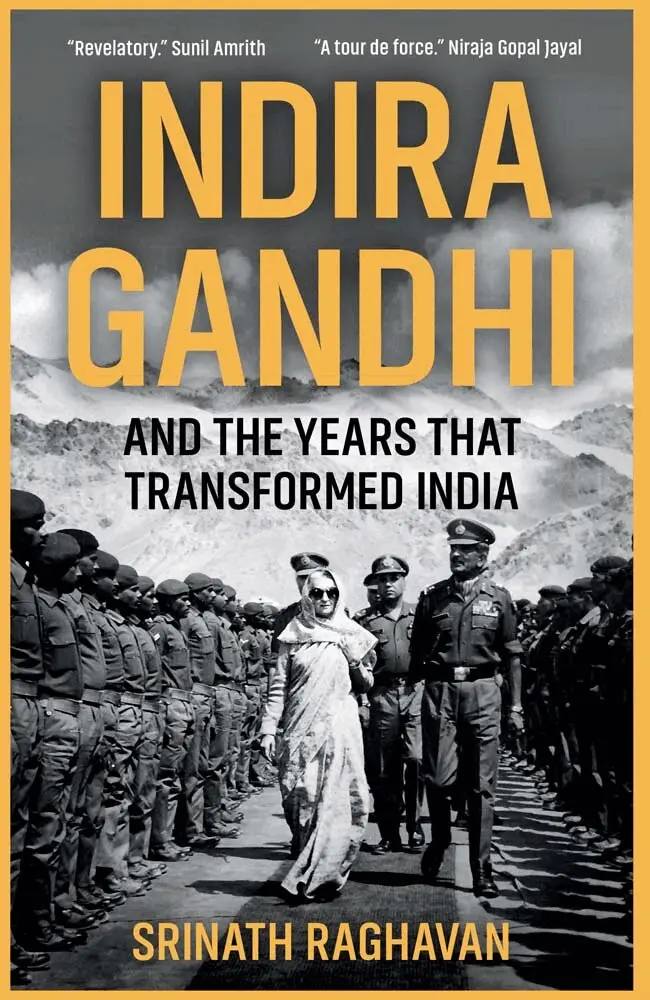
Indira Gandhi and the Years that Transformed India
Inbunden, 2025
322 kr
Lägg i varukorg
The gripping story of Indira Gandhi’s premiership—and the profound influence she had on India Indira Gandhi’s ascent as prime minister of India in 1966 was entirely unforeseen. But she soon emerged as one of the most powerful political leaders of her times, who transformed the world’s largest …
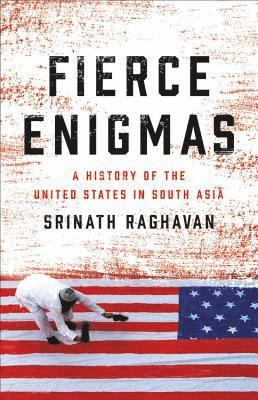
Fierce Enigmas
A History of the United States in South Asia
Inbunden, 2019
395 kr
Lägg i varukorg
In Fierce Enigmas, prize-winning historian Srinath Raghavan argues that we cannot understand the US's entanglement in South Asia without first understanding the long sweep of American interaction with the nations and peoples who comprise it. Starting with the first attempts by Americans in the late …
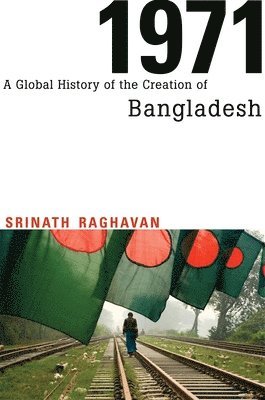
1971
A Global History of the Creation of Bangladesh
Inbunden, 2013
523 kr
Lägg i varukorg
The war of 1971 was the most significant geopolitical event in the Indian subcontinent since its partition in 1947. At one swoop, it led to the creation of Bangladesh, and it tilted the balance of power between India and Pakistan steeply in favor of India. The Line of Control in Kashmir, the …
India's War
The Making of Modern South Asia, 1939-1945
E-bok, 2016
125 kr
Lägg i varukorg
Between 1939 and 1945 India changed to an extraordinary extent. Millions of Indians suddenly found themselves as soldiers, fighting in Europe and North Africa but also - something simply never imagined - against a Japanese army threatening to invade eastern India. Many more were pulled into the …