Stan Beckensall – författare
Visar alla böcker från författaren Stan Beckensall. Handla med fri frakt och snabb leverans.
11 produkter
11 produkter
83 kr
Skickas
196 kr
Tillfälligt slut
240 kr
Tillfälligt slut
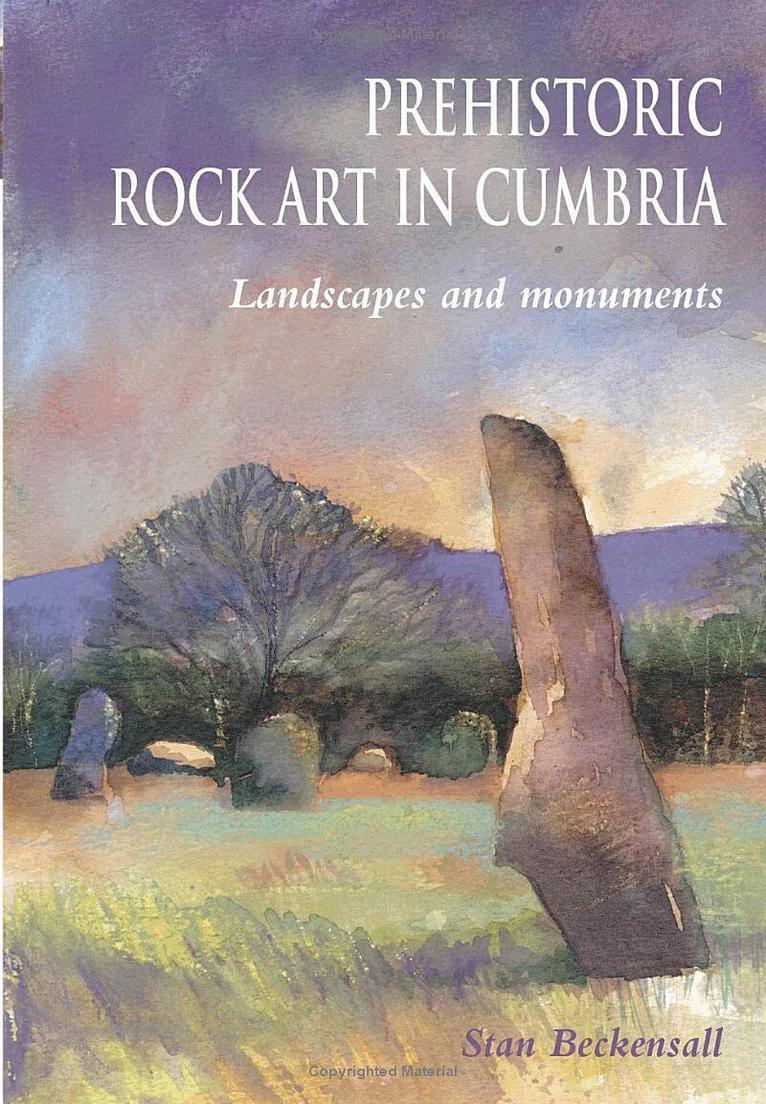
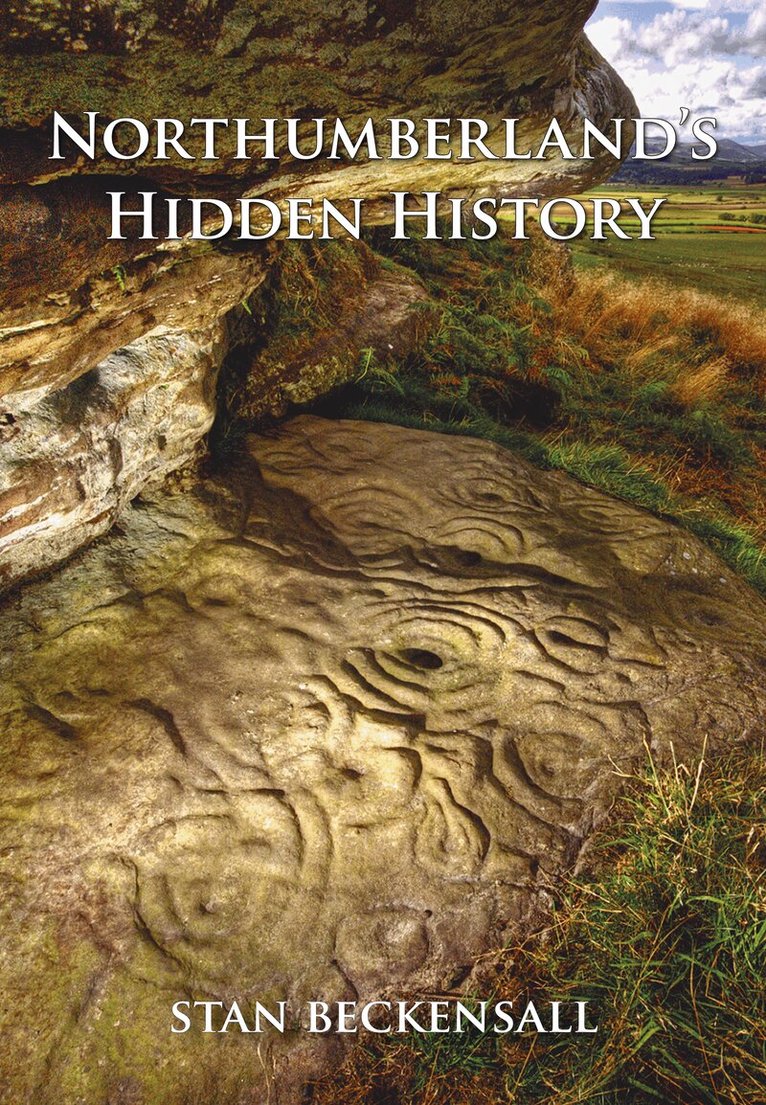
Northumberland is the most prolific, varied and important area of rock-art in Britain. This book, which includes every known site, relates the art to its landscape and monumental setting. This work follows naturally from the author's general work on rock art, British Prehistoric Rock Art and his recent widely acclaimed book Northumberland: Power of Place.
199 kr
Tillfälligt slut
Stan Beckensall's enthusiasm for rock art makes him the ideal author for this guide to the abstract motifs and symbols spread across the landscape. Here he focuses on detailed regional surveys carried out in Northumberland, Yorkshire, southwest England and Wales, Galloway, Argyll, Tayside, the Highlands, and Grampians, and on rock art associated with standing stones, stone circles, burial monuments and rock shelters. The history of recording and studying the art is discussed, and a good collation of examples and descriptions are given.
210 kr
Tillfälligt slut
This glorious evocation of Northumberland in prehistory reflects Stan Beckensall's tireless exploration of the county and his deep understanding of its past.Woven together using evidence derived through fieldwalking, aerial photography, excavation and archival research, the very fabric of this book is vibrant with life. It is an account of the way in which the landscape has been used since hunter-gatherers first roamed the wilderness, how great changes were brought about by farming, and what we can interpret from the lasting remains of monuments, burials, settlements and defences. All of this evidence is used to paint a vivid picture of how the people of the county lived their lives.
183 kr
Tillfälligt slut
One of Britain's most impressive monuments, Hadrian's Wall is now a prime attraction for visitors who enjoy the excitement of walking through the spectacular scenery of its 'corridor' and its visible history. This book of captioned pictures explores a sweep of the most attractive part of its course, from Heddon-on-the-Wall to Birdoswald, followed by carefully selected images of its main components such as wall, ditch, vallum, forts, milecastles, turrets, bridges and roads that mark its regular course. They include the results of recent excavations that each year add to our understanding of it. Taken over many years and at different seasons, these images illustrate why so many people find the Wall so attractive.
204 kr
Tillfälligt slut
A constant factor in human history is the need to protect oneself. Another factor is the urge to attack someone else. Until the Normans imposed their sophisticatedly-designed castles on Britain, the country had seen many structures that met either of these needs. Before the Romans brought their efficient war machine across the Channel and based its troops in a variety of walled buildings, their prehistoric antecedents had met these needs in a different way. For example, pre-Roman hillforts were used not only for defence but also as a gathering place for farmers scattered widely over the land, a place where they established a regional identity and a claim to the land through their ancestors. Along Hadrian's Wall, stone forts were built to house infantry and cavalry. Later some of these places served as regional bases for warriors who arrived from northern Europe. Then came the Norman Conquest. This book of Northumberland's coastal castles explores those that were an outward and visible sign from Norman times onward of domination by the powerful, as well as being a focal point of communities in which they were built. A profusion of colour picures shows where they were sited, how they developed, and what is left of them. Castles were abandoned when they became redundant: gunpowder put paid to many of them, but once there was peace the owners wanted the good life away from the cold and draught - another part of the story.
173 kr
Skickas
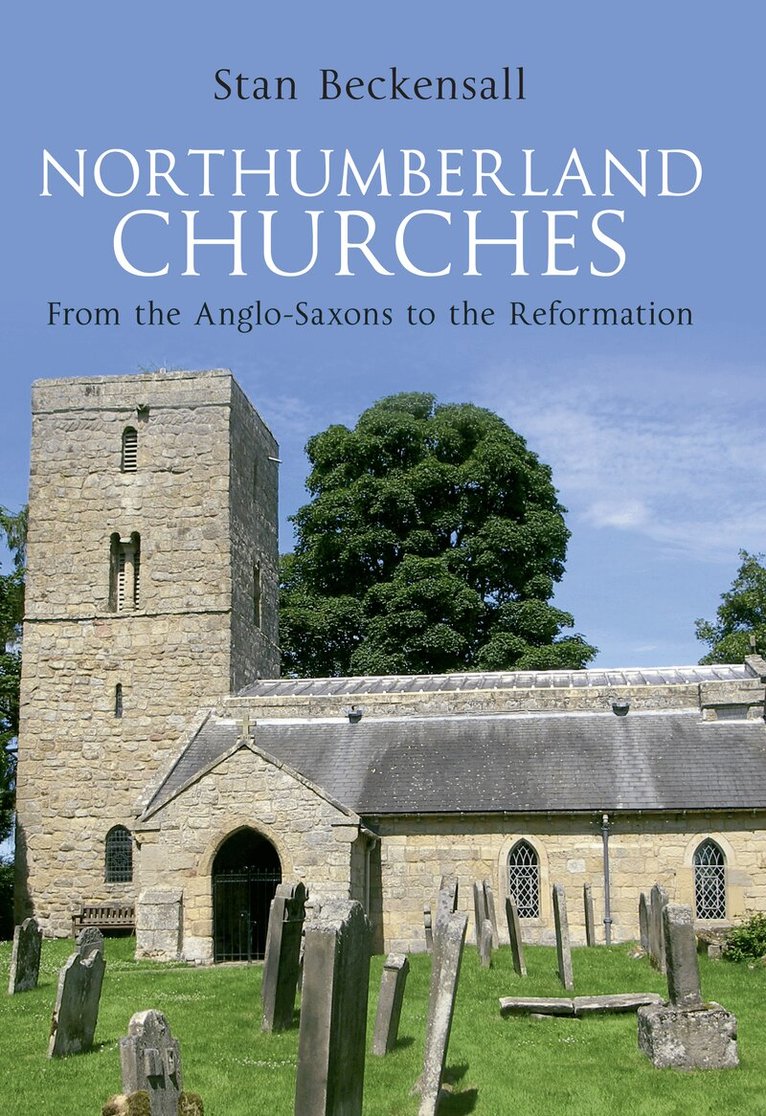
Northumberland was one of the greatest influences on the development of Christianity in Europe. Stan Beckensall guides the reader in words and full-colour pictures through the history of Northumberland's old churches, from the Anglo-Saxon period to the Reformation. The architecture of these beautiful buildings provides a unique insight into the history of the county. The Anglo-Saxon period saw the production of the Lindisfarne Gospels on Holy Island and those of the Venerable Bede in nearby Jarrow. This 'golden age' also produced exceptionally fine church buildings and their contents, many of which were later to be laid waste by Vikings. This book traces the achievements of that age through remaining structures such as the incredible crypt at Hexham, the tall, slender towers that are still part of many churches, and other features. The Norman period is also well represented, followed by the Transitional period when the pointed arch began to replace the rounded one, until it replaced it fully. Northumberland's development was then largely determined by its position as border country, which seriously affected church construction, the emphasis being more on defence in castles and fortified towers. Such period trends were confined to slight changes in existing churches, and there were few later developments except in Alnwick, protected by the defences of that town. In addition, Beckensall looks at the origins of the names of towns and villages that had churches, and comments on their location, with the help of stunning aerial photography.
178 kr
Skickas
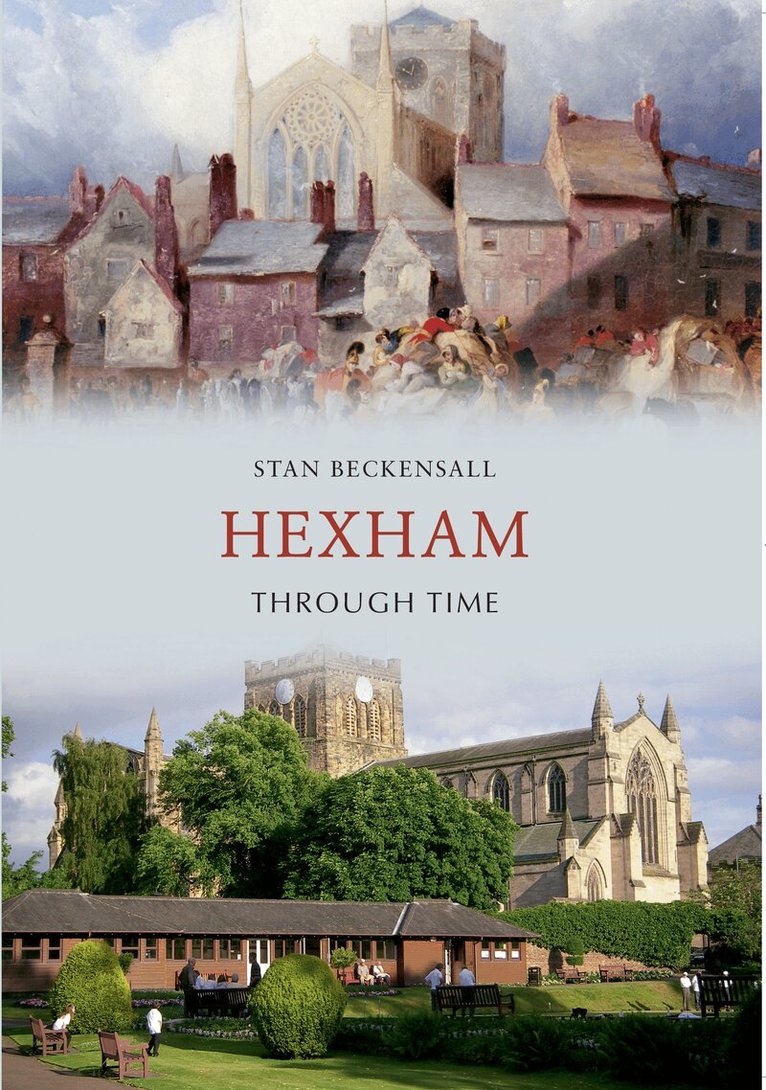
The importance of the attractive town of Hexham began when St Wifrid built his great monastery there in the 7th Century, of which only the unique crypt remains beneath the Priory church. It was bounded by a wall that separated it from the Market Place and the civil administration, which includes the Moothall and Old Gaol. These areas still form the nucleus of the town, which lay in the turbulent Border country between England and Scotland. The vital industry of tanning and glove-making has now gone, but there are smaller industries in its place. The town is a focus of music, the arts and sport. The Queen's Hall houses library, cafe, galleries and theatre. It is linked by roads and by the early Carlisle-Newcastle railway which bring in tourists and local people for many activities such as the Hexham Gathering and the Abbey Arts Festival. Much has changed, but the historic centre remains intact. The author has lived here for over 30 years and is an Honorary Steward and Bailiff of the town.
223 kr
Skickas
Northumberland has a great many attractive sites that are well-recorded, and are frequently visited and written about. However, in this new book Dr Stan Beckensall focuses upon places that are off the beaten track, not so well known, but all of enormous interest for their stunning locations and stories. They are scattered across the county in the hills, valleys, scarplands and on the coast. Sites featured include locations off the 'Alemouth Road' from Hexham to Rothbury; hidden valleys and waterfalls at Linhope Spout, Roughting Linn and Hareshaw Linn; seascapes; abandoned settlements and industry centres; pilgrimage routes; graveyards, and the remarkable rock formations that make up much of the landscape. Northumberland hides some of its history in names, and these too are revealed. Throughout are the author's reflections on the significance of what is seen and known.
200 kr
Tillfälligt slut
Viewing a landscape from above, either from aircraft or from the tops of hills, Northumberland Viewpoints enables us to see beyond one small spot, and to place landscape features in a wider context. Intimate knowledge of a site, whether it be a small house or large estate, provides us with the fine detail that may arouse our interest in the first place. This book is a lavishly illustrated celebration of some of Northumberland's rich landscapes and history.