Stanley M. Lemon – författare
Visar alla böcker från författaren Stanley M. Lemon. Handla med fri frakt och snabb leverans.
28 produkter
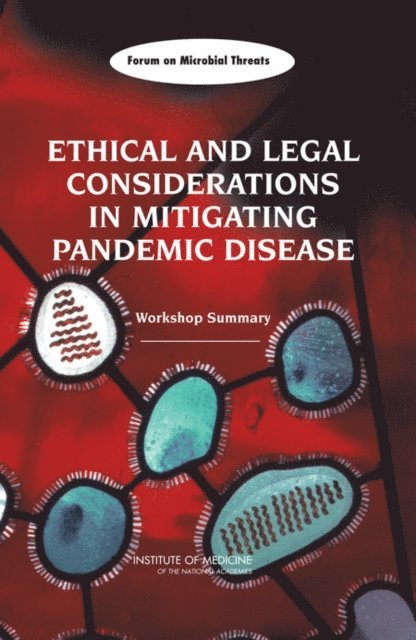
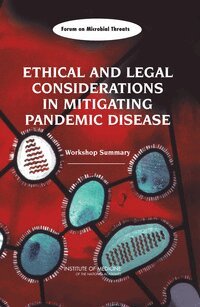
Ethical and Legal Considerations in Mitigating Pandemic Disease
Workshop Summary
Av Forum on Microbial Threats, Board on Global Health m. fl.
E-bok, 2007
732 kr
Lägg i varukorg
In recent public workshops and working group meetings, the Forum on Microbial Threats of the Institute of Medicine (IOM) has examined a variety of infectious disease outbreaks with pandemic potential, including those caused by influenza (IOM, 2005) and severe acute respiratory syndrome (SARS) (IOM, …
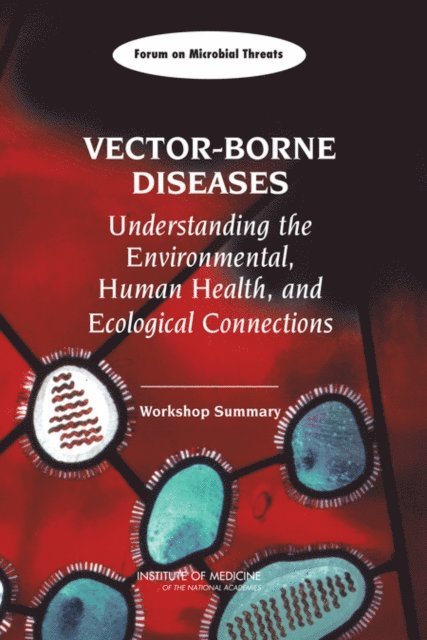
Vector-Borne Diseases
Understanding the Environmental, Human Health, and Ecological Connections: Workshop Summary
Av Forum on Microbial Threats, Board on Global Health m. fl.
E-bok, 2008
963 kr
Lägg i varukorg
Vector-borne infectious diseases, such as malaria, dengue fever, yellow fever, and plague, cause a significant fraction of the global infectious disease burden; indeed, nearly half of the world''s population is infected with at least one type of vector-borne pathogen (CIESIN, 2007; WHO, 2004a). …
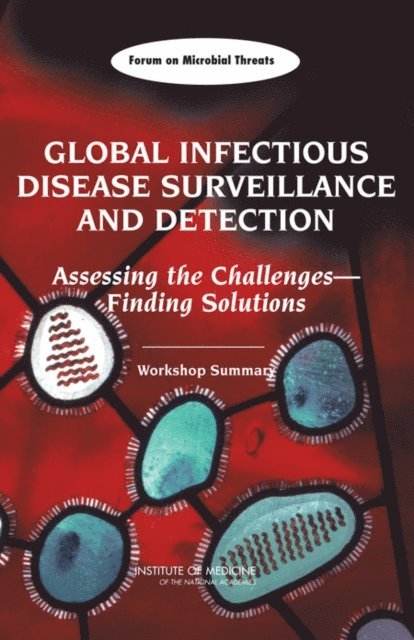
Global Infectious Disease Surveillance and Detection
Assessing the Challenges—Finding Solutions: Workshop Summary
Av Forum on Microbial Threats, Board on Global Health m. fl.
E-bok, 2007
742 kr
Lägg i varukorg
Early detection is essential to the control of emerging, reemerging, and novel infectious diseases, whether naturally occurring or intentionally introduced. Containing the spread of such diseases in a profoundly interconnected world requires active vigilance for signs of an outbreak, rapid …
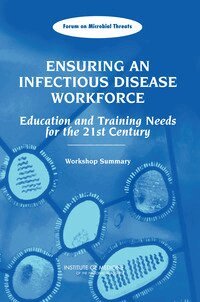
Ensuring an Infectious Disease Workforce
Education and Training Needs for the 21st Century: Workshop Summary
Av Forum on Microbial Threats, Board on Global Health m. fl.
E-bok, 2006
892 kr
Lägg i varukorg
The Forum on Microbial Threats (previously named the Forum on Emerging Infections) was created in 1996 in response to a request from the Centers for Disease Control and Prevention (CDC) and the National Institutes of Health (NIH). The goal of the Forum is to provide structured opportunities for …
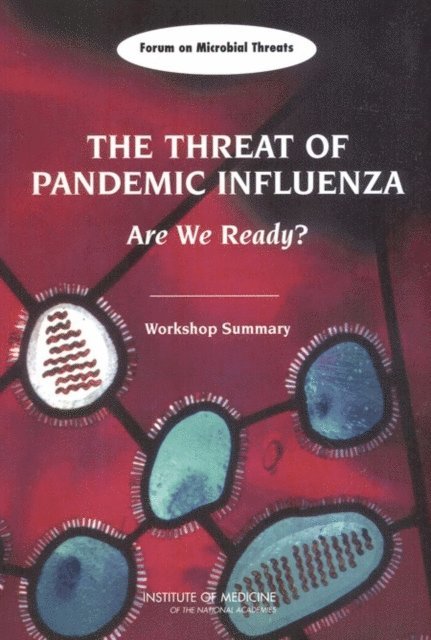
Threat of Pandemic Influenza
Are We Ready? Workshop Summary
Av Forum on Microbial Threats, Board on Global Health m. fl.
E-bok, 2005
981 kr
Lägg i varukorg
Public health officials and organizations around the world remain on high alert because of increasing concerns about the prospect of an influenza pandemic, which many experts believe to be inevitable. Moreover, recent problems with the availability and strain-specificity of vaccine for annual flu …
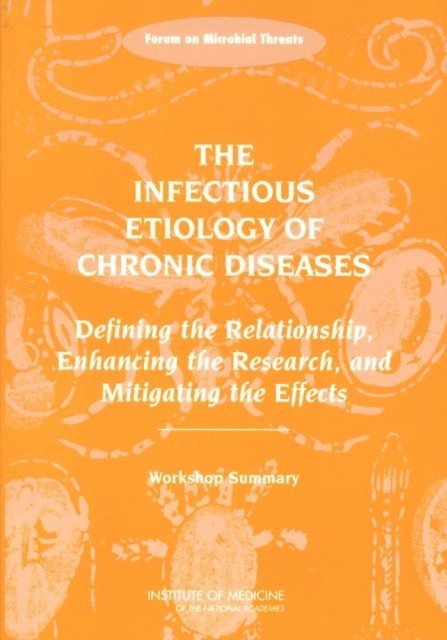
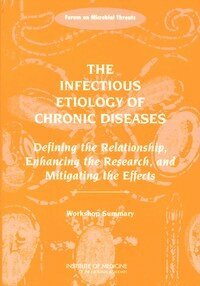
Infectious Etiology of Chronic Diseases
Defining the Relationship, Enhancing the Research, and Mitigating the Effects: Workshop Summary
Av Forum on Microbial Threats, Board on Global Health m. fl.
E-bok, 2004
660 kr
Lägg i varukorg
In recent years, a number of chronic diseases have been linked, in some cases definitively,to an infectious etiology: peptic ulcer disease with Helicobacter pylori, cervicalcancer with several human papillomaviruses, Lyme arthritis and neuroborreliosis withBorrelia burgdorferi, AIDS with the human …
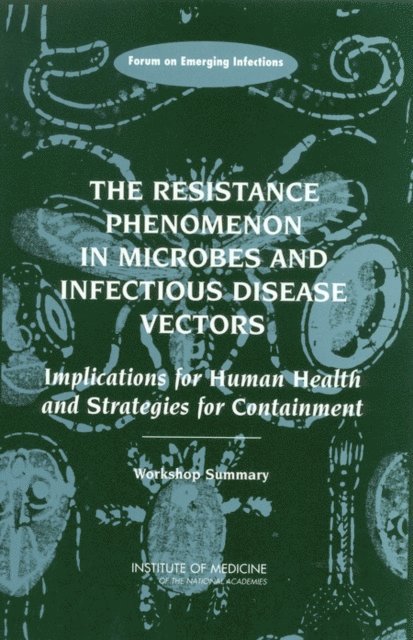
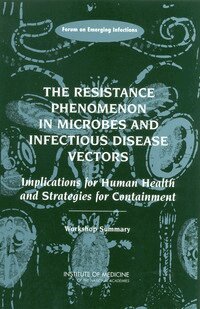
Resistance Phenomenon in Microbes and Infectious Disease Vectors
Implications for Human Health and Strategies for Containment: Workshop Summary
Av Forum on Emerging Infections, Board on Global Health m. fl.
E-bok, 2003
785 kr
Lägg i varukorg
The resistance topic is timely given current events. The emergence of mysterious new diseases, such as SARS, and the looming threat of bioterrorist attacks remind us of how vulnerable we can be to infectious agents. With advances in medical technologies, we have tamed many former microbial foes, …
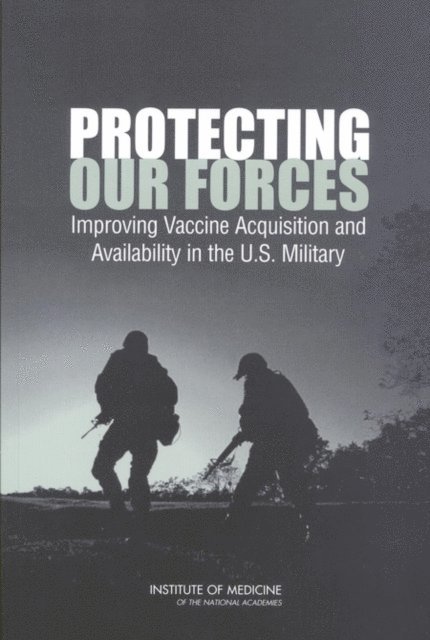
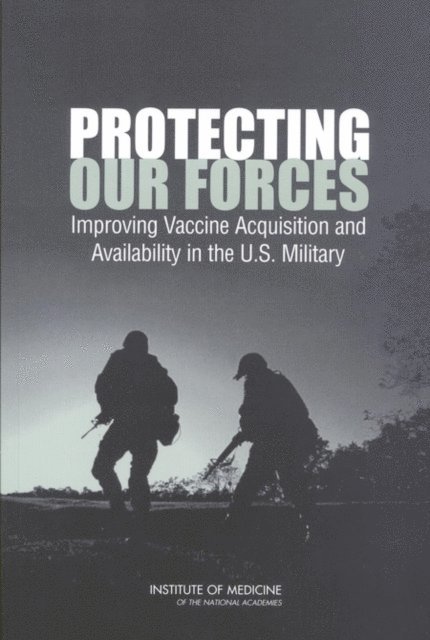
Protecting Our Forces
Improving Vaccine Acquisition and Availability in the U.S. Military
Av Committee on a Strategy for Minimizing the Impact of Naturally Occurring Infectious Diseases of Military Importance: Vaccine Issues in the U.S. Military, Medical Follow-up Agency m. fl.
E-bok, 2002
589 kr
Lägg i varukorg
Infectious diseases continue to pose a substantial threat to the operational capacity of military forces. Protecting Our Forces reviews the process by which the U.S. military acquires vaccines to protect its warfighters from natural infectious disease threats. The committee found that poorly …
Vector-Borne Diseases
Understanding the Environmental, Human Health, and Ecological Connections: Workshop Summary
Av Forum on Microbial Threats, Board on Global Health m. fl.
E-bok, 2008
960 kr
Lägg i varukorg
Vector-borne infectious diseases, such as malaria, dengue fever, yellow fever, and plague, cause a significant fraction of the global infectious disease burden; indeed, nearly half of the world''s population is infected with at least one type of vector-borne pathogen (CIESIN, 2007; WHO, 2004a). …
Global Infectious Disease Surveillance and Detection
Assessing the Challenges—Finding Solutions: Workshop Summary
Av Forum on Microbial Threats, Board on Global Health m. fl.
E-bok, 2007
1070 kr
Lägg i varukorg
Early detection is essential to the control of emerging, reemerging, and novel infectious diseases, whether naturally occurring or intentionally introduced. Containing the spread of such diseases in a profoundly interconnected world requires active vigilance for signs of an outbreak, rapid …
Ethical and Legal Considerations in Mitigating Pandemic Disease
Workshop Summary
Av Forum on Microbial Threats, Board on Global Health m. fl.
E-bok, 2007
1070 kr
Lägg i varukorg
In recent public workshops and working group meetings, the Forum on Microbial Threats of the Institute of Medicine (IOM) has examined a variety of infectious disease outbreaks with pandemic potential, including those caused by influenza (IOM, 2005) and severe acute respiratory syndrome (SARS) (IOM, …
Protecting Our Forces
Improving Vaccine Acquisition and Availability in the U.S. Military
Av Committee on a Strategy for Minimizing the Impact of Naturally Occurring Infectious Diseases of Military Importance: Vaccine Issues in the U.S. Military, Medical Follow-up Agency m. fl.
E-bok, 2002
416 kr
Lägg i varukorg
Infectious diseases continue to pose a substantial threat to the operational capacity of military forces. Protecting Our Forces reviews the process by which the U.S. military acquires vaccines to protect its warfighters from natural infectious disease threats. The committee found that poorly …
Resistance Phenomenon in Microbes and Infectious Disease Vectors
Implications for Human Health and Strategies for Containment: Workshop Summary
Av Forum on Emerging Infections, Board on Global Health m. fl.
E-bok, 2003
616 kr
Lägg i varukorg
The resistance topic is timely given current events. The emergence of mysterious new diseases, such as SARS, and the looming threat of bioterrorist attacks remind us of how vulnerable we can be to infectious agents. With advances in medical technologies, we have tamed many former microbial foes, …
Infectious Etiology of Chronic Diseases
Defining the Relationship, Enhancing the Research, and Mitigating the Effects: Workshop Summary
Av Forum on Microbial Threats, Board on Global Health m. fl.
E-bok, 2004
463 kr
Lägg i varukorg
In recent years, a number of chronic diseases have been linked, in some cases definitively,to an infectious etiology: peptic ulcer disease with Helicobacter pylori, cervicalcancer with several human papillomaviruses, Lyme arthritis and neuroborreliosis withBorrelia burgdorferi, AIDS with the human …
Threat of Pandemic Influenza
Are We Ready? Workshop Summary
Av Forum on Microbial Threats, Board on Global Health m. fl.
E-bok, 2005
669 kr
Lägg i varukorg
Public health officials and organizations around the world remain on high alert because of increasing concerns about the prospect of an influenza pandemic, which many experts believe to be inevitable. Moreover, recent problems with the availability and strain-specificity of vaccine for annual flu …
Ensuring an Infectious Disease Workforce
Education and Training Needs for the 21st Century: Workshop Summary
Av Forum on Microbial Threats, Board on Global Health m. fl.
E-bok, 2006
642 kr
Lägg i varukorg
The Forum on Microbial Threats (previously named the Forum on Emerging Infections) was created in 1996 in response to a request from the Centers for Disease Control and Prevention (CDC) and the National Institutes of Health (NIH). The goal of the Forum is to provide structured opportunities for …
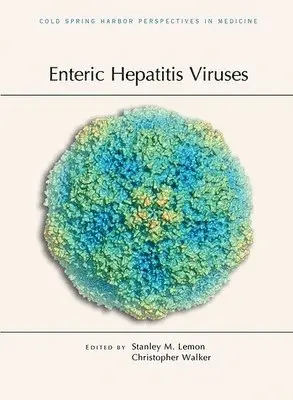
Enteric Hepatitis Viruses
Av Stanley M Lemon, Christopher M Walker m. fl.
Inbunden, 2018
589 kr
Lägg i varukorg
Hepatitis C Virus I
Cellular and Molecular Virology
Av Tatsuo Miyamura, Stanley M. Lemon m. fl.
Inbunden, 2016
2026 kr
Lägg i varukorg
This volume is composed of chapters that review important fundamental aspects of HCV biology and disease pathogenesis including, for example, the discovery and identification of the HCV genome, early virus-cell interactions including identification of various cellular receptors, HCV gene expression …
Hepatitis C Virus I
Cellular and Molecular Virology
Av Takaji Wakita, Christopher M. Walker m. fl.
E-bok, 2016
2677 kr
Lägg i varukorg
This volume is composed of chapters that review important fundamental aspects of HCV biology and disease pathogenesis including, for example, the discovery and identification of the HCV genome, early virus-cell interactions including identification of various cellular receptors, HCV gene expression …
Hepatitis C Virus II
Infection and Disease
Av Tatsuo Miyamura, Stanley M. Lemon m. fl.
Inbunden, 2016
1914 kr
Lägg i varukorg
This book helps scientists, clinicians and other interested individuals understand recent clinical advances and challenges for the future. It covers many basic aspects of the pathogenesis of chronic hepatitis C, HCV infections in particular populations, approaches to therapy, and prevention and …
Hepatitis C Virus II
Infection and Disease
Av Takaji Wakita, Christopher M. Walker m. fl.
E-bok, 2016
2509 kr
Lägg i varukorg
This book helps scientists, clinicians and other interested individuals understand recent clinical advances and challenges for the future. It covers many basic aspects of the pathogenesis of chronic hepatitis C, HCV infections in particular populations, approaches to therapy, and prevention and …
Hepatitis C Virus I
Cellular and Molecular Virology
Av Tatsuo Miyamura, Stanley M. Lemon m. fl.
Häftad, 2018
2026 kr
Lägg i varukorg
This volume is composed of chapters that review important fundamental aspects of HCV biology and disease pathogenesis including, for example, the discovery and identification of the HCV genome, early virus-cell interactions including identification of various cellular receptors, HCV gene expression …
Hepatitis C Virus II
Infection and Disease
Av Tatsuo Miyamura, Stanley M. Lemon m. fl.
Häftad, 2018
2052 kr
Lägg i varukorg
This book helps scientists, clinicians and other interested individuals understand recent clinical advances and challenges for the future. It covers many basic aspects of the pathogenesis of chronic hepatitis C, HCV infections in particular populations, approaches to therapy, and prevention and …
Protecting Our Forces
Improving Vaccine Acquisition and Availability in the U.S. Military
Av Institute of Medicine, Medical Follow-up Agency m. fl.
Häftad, 2002
630 kr
Tillfälligt slut
Infectious diseases continue to pose a substantial threat to the operational capacity of military forces. Protecting Our Forces reviews the process by which the U.S. military acquires vaccines to protect its warfighters from natural infectious disease threats. The committee found that poorly …
Resistance Phenomenon in Microbes and Infectious Disease Vectors
Implications for Human Health and Strategies for Containment: Workshop Summary
Av Institute of Medicine, Board on Global Health m. fl.
Häftad, 2003
775 kr
Tillfälligt slut
The resistance topic is timely given current events. The emergence of mysterious new diseases, such as SARS, and the looming threat of bioterrorist attacks remind us of how vulnerable we can be to infectious agents. With advances in medical technologies, we have tamed many former microbial foes, …
Infectious Etiology of Chronic Diseases
Defining the Relationship, Enhancing the Research, and Mitigating the Effects: Workshop Summary
Av Institute of Medicine, Board on Global Health m. fl.
Häftad, 2004
687 kr
Tillfälligt slut
In recent years, a number of chronic diseases have been linked, in some cases definitively, to an infectious etiology: peptic ulcer disease with Helicobacter pylori, cervical cancer with several human papillomaviruses, Lyme arthritis and neuroborreliosis with Borrelia burgdorferi, AIDS with the …
Ensuring an Infectious Disease Workforce
Education and Training Needs for the 21st Century: Workshop Summary
Av Institute of Medicine, Board on Global Health m. fl.
Häftad, 2006
863 kr
Tillfälligt slut
The Forum on Microbial Threats (previously named the Forum on Emerging Infections) was created in 1996 in response to a request from the Centers for Disease Control and Prevention (CDC) and the National Institutes of Health (NIH). The goal of the Forum is to provide structured opportunities for …
Ethical and Legal Considerations in Mitigating Pandemic Disease
Workshop Summary
Av Institute of Medicine, Board on Global Health m. fl.
Häftad, 2007
939 kr
Tillfälligt slut
In recent public workshops and working group meetings, the Forum on Microbial Threats of the Institute of Medicine (IOM) has examined a variety of infectious disease outbreaks with pandemic potential, including those caused by influenza (IOM, 2005) and severe acute respiratory syndrome (SARS) (IOM, …