Stefan K. Stantchev – författare
Visar alla böcker från författaren Stefan K. Stantchev. Handla med fri frakt och snabb leverans.
5 produkter
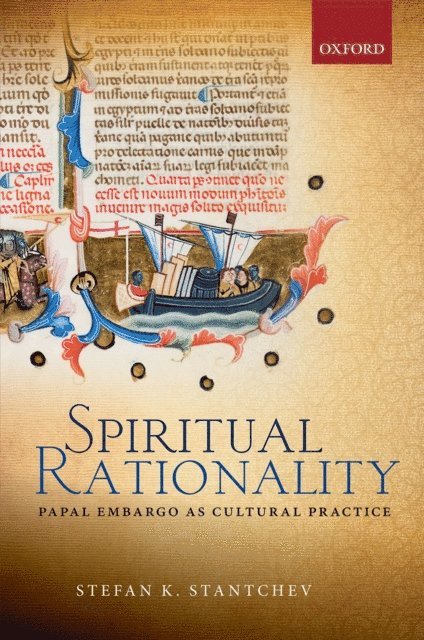
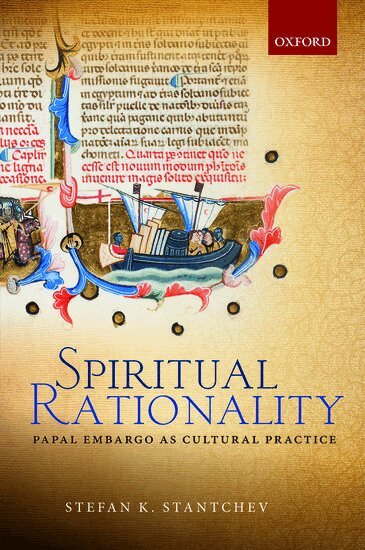
Spiritual Rationality
Papal Embargo as Cultural Practice
E-bok, 2014
1668 kr
Lägg i varukorg
Spiritual Rationality: Papal Embargo as Cultural Practice offers the first book-length study of embargo in a pre-modern period and provides a unique exploration into the domestic implications of this tool of foreign policy. Based on a large and varied body of archival and printed, papal and secular …
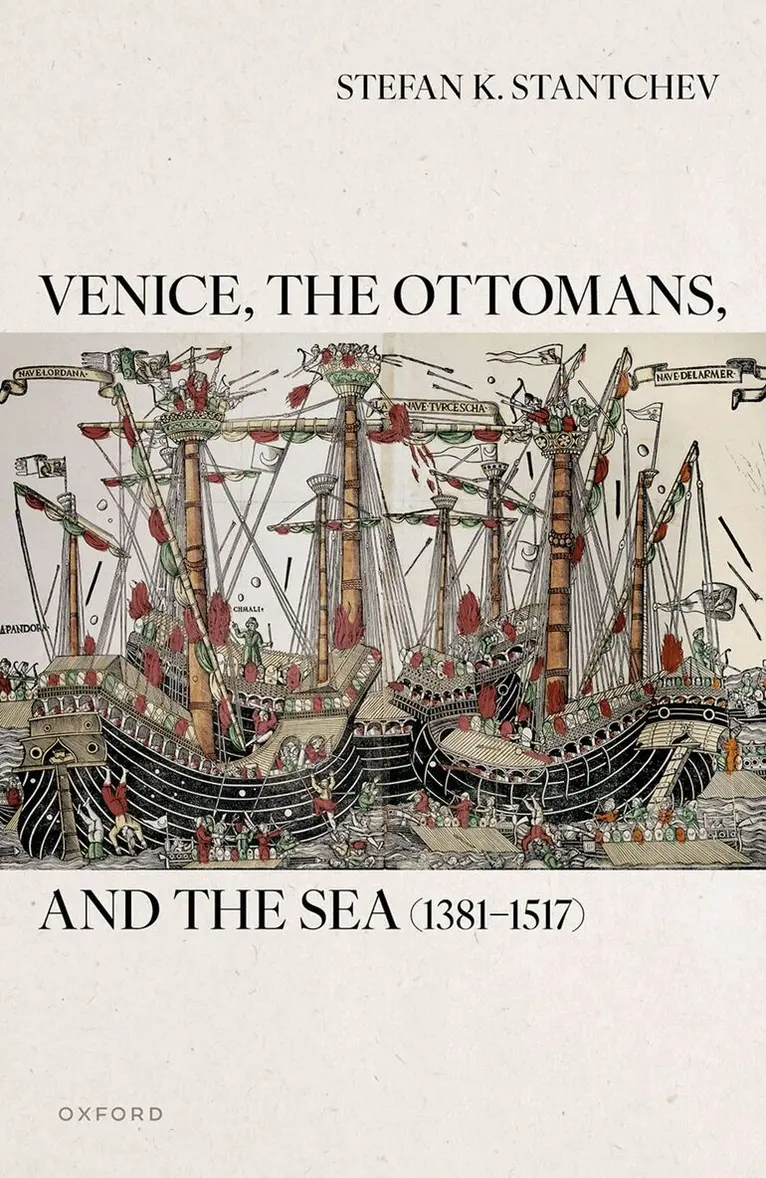
Venice, the Ottomans, and the Sea (1381–1517)
Inbunden, 2025
1549 kr
Lägg i varukorg
The later Middle Ages and the early modern period were important and overlapping historical moments for both Venice and the Ottoman Empire, yet the two--both the periods themselves and the Republic and Empire more generally--have often been considered in isolation. Seeking to understand better this …
Venice, the Ottomans, and the Sea (1381-1517)
E-bok, 2025
1397 kr
Lägg i varukorg
The later Middle Ages and the early modern period were important and overlapping historical moments for both Venice and the Ottoman Empire, yet the two--both the periods themselves and the Republic and Empire more generally--have often been considered in isolation. Seeking to understand better this …
Venice, the Ottomans, and the Sea (1381-1517)
E-bok, 2025
1397 kr
Lägg i varukorg
The later Middle Ages and the early modern period were important and overlapping historical moments for both Venice and the Ottoman Empire, yet the two--both the periods themselves and the Republic and Empire more generally--have often been considered in isolation. Seeking to understand better this …
Spiritual Rationality
Papal Embargo as Cultural Practice
Inbunden, 2014
2775 kr
Lägg i varukorg
Spiritual Rationality: Papal Embargo as Cultural Practice offers the first book-length study of embargo in a pre-modern period and provides a unique exploration into the domestic implications of this tool of foreign policy. Based on a large and varied body of archival and printed, papal and secular …