Stefan Skrimshire – Författare
Visar alla böcker från författaren Stefan Skrimshire. Handla med fri frakt och snabb leverans.
8 produkter
8 produkter
903 kr
Skickas inom 7-10 vardagar
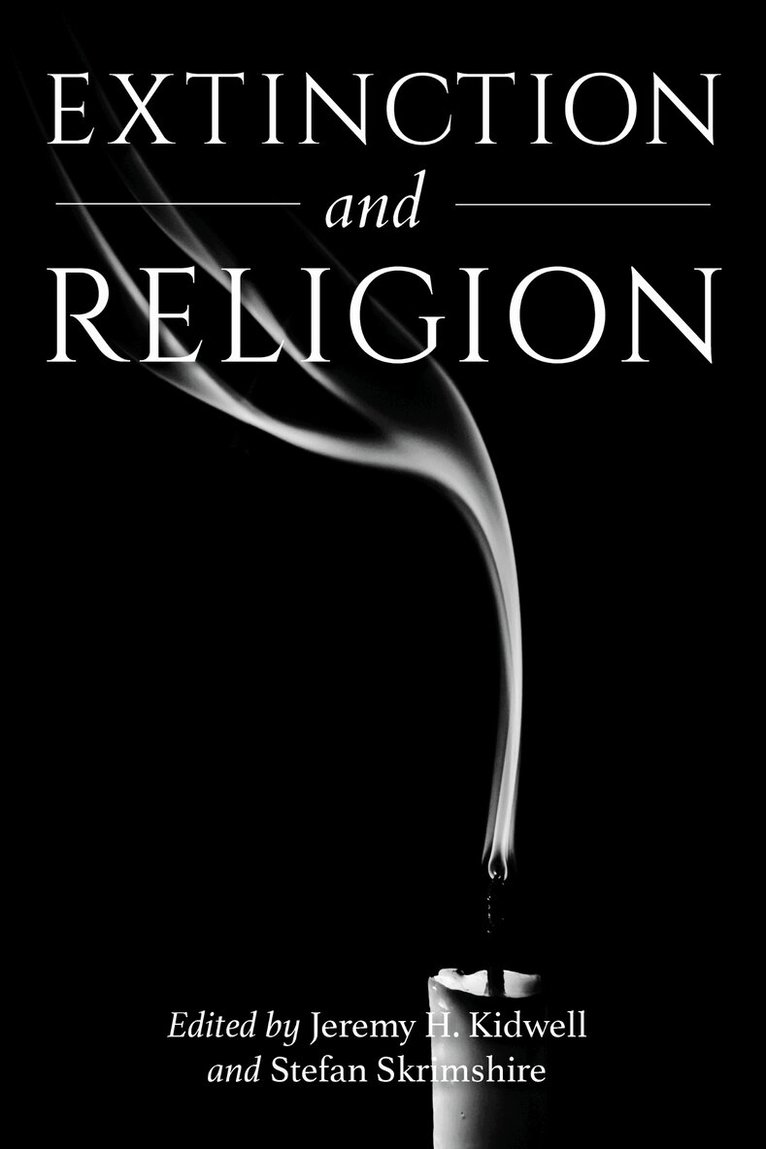
Human-caused extinctions have never been so prominent in our political and cultural landscape. Extinction and Religion is a collection of wide-ranging chapters that explore the implications for religious faith and experience as it relates to a "sixth mass extinction" in Earth's history. Further it seeks to answer the question as to how religious and spiritual practices are shaping responses to the crisis?Edited by Jeremy H. Kidwell and Stefan Skrimshire, this collection aims to set a new postsecular agenda, articulating the questions, challenges, and ways forward for thinking about religion in an age of mass extinction rather than provide responses from world religions in isolation. It covers subjects such as the multitude of challenges posed by mass extinction to beliefs about the future of humanity, death and the afterlife, the integrity of creation, and the relationship between human and nonhuman life.Wide ranging and incisive, Extinction and Religion amply demonstrates the many ways in which the threat of extinction profoundly affects our faith and religious life worlds.
468 kr
Skickas inom 7-10 vardagar
Human-caused extinctions have never been so prominent in our political and cultural landscape. Extinction and Religion is a collection of wide-ranging chapters that explore the implications for religious faith and experience as it relates to a "sixth mass extinction" in Earth's history. Further it seeks to answer the question as to how religious and spiritual practices are shaping responses to the crisis?Edited by Jeremy H. Kidwell and Stefan Skrimshire, this collection aims to set a new postsecular agenda, articulating the questions, challenges, and ways forward for thinking about religion in an age of mass extinction rather than provide responses from world religions in isolation. It covers subjects such as the multitude of challenges posed by mass extinction to beliefs about the future of humanity, death and the afterlife, the integrity of creation, and the relationship between human and nonhuman life.Wide ranging and incisive, Extinction and Religion amply demonstrates the many ways in which the threat of extinction profoundly affects our faith and religious life worlds.
515 kr
Skickas inom 10-15 vardagar
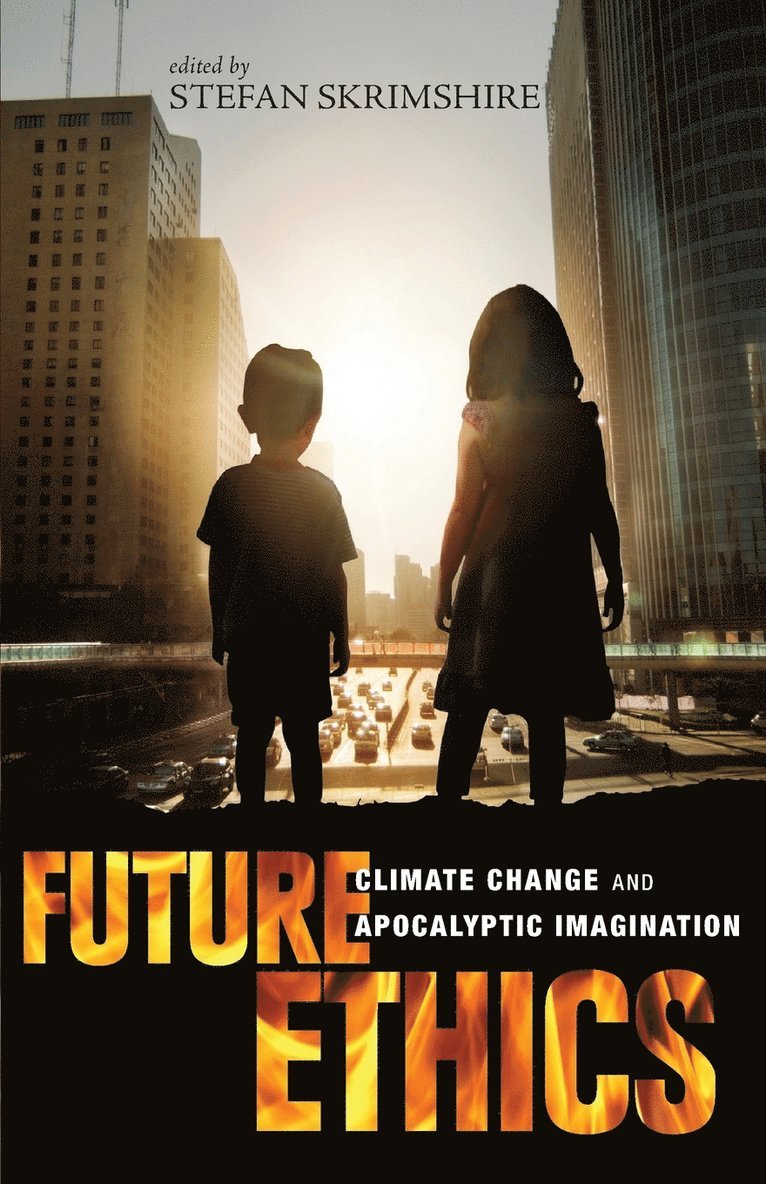
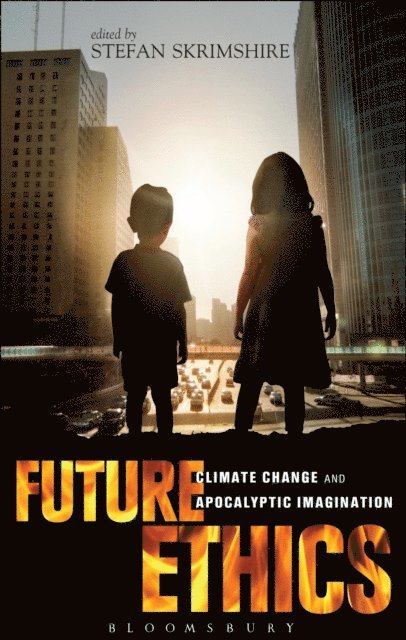
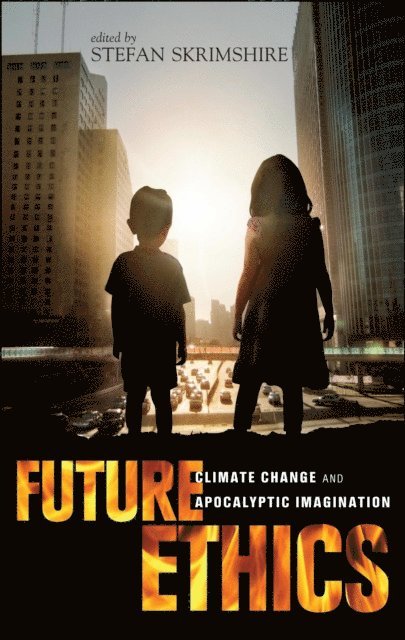
This title examines the ethical and philosophical questions confronting activists, policy makers and educators in the battle against climate change. "Future Ethics: Climate Change and Political Action" presents a comprehensive examination of the philosophical questions facing activists, policy makers and educators fighting the causes of climate change. These questions reflect a genuine crisis in ethical reflection for individuals and groups in today's society and are also underpinned by a broader question of how the future forms the basis for action in the present. For instance, does the reporting of impending 'points of no return' in global warming renew a spirit of resistance or a spirit of fatalism? How is the future of the human species really imagined in society and how does this affect our sense of ethical responsibility? In this fascinating book, thirteen leading experts explore the philosophical and ethical issues underlying social responses to climate change and in particular how these responses draw upon ideas about the future.Ideal for students of environmental ethics in multiple disciplines, the book provides sources and discussion for anyone interested in issues to do with environment, society and ethics.
528 kr
Skickas inom 10-15 vardagar
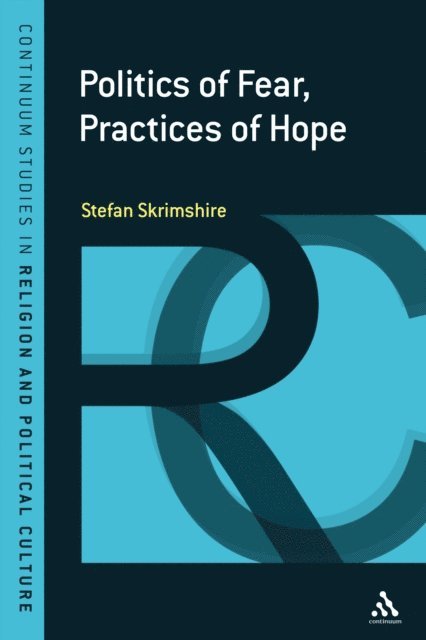
Politics of Fear, Practices of Hope is about the relationship between two hugely influential ideas in political life: fear and hope. How are cultures of resistance nurtured within an environment of paranoia and social paralysis? Stefan Skrimshire argues that grass-roots responses to a politics of fear coincide with an explosion of interest in the quasi-religious themes of apocalypse, eschatology and utopia in cultural life. Where visions of a better future are replaced by the acceptance of a fearful present - a state of 'war with no end' - this is an important examination of the beliefs that underpin our capacity to hope.
2 225 kr
Skickas inom 10-15 vardagar
This title examines the ethical and philosophical questions confronting activists, policy makers and educators in the battle against climate change. "Future Ethics: Climate Change and Political Action" presents a comprehensive examination of the philosophical questions facing activists, policy makers and educators fighting the causes of climate change. These questions reflect a genuine crisis in ethical reflection for individuals and groups in today's society and are also underpinned by a broader question of how the future forms the basis for action in the present. For instance, does the reporting of impending 'points of no return' in global warming renew a spirit of resistance or a spirit of fatalism? How is the future of the human species really imagined in society and how does this affect our sense of ethical responsibility? In this fascinating book, thirteen leading experts explore the philosophical and ethical issues underlying social responses to climate change and in particular how these responses draw upon ideas about the future.Ideal for students of environmental ethics in multiple disciplines, the book provides sources and discussion for anyone interested in issues to do with environment, society and ethics.
1 362 kr
Kommande
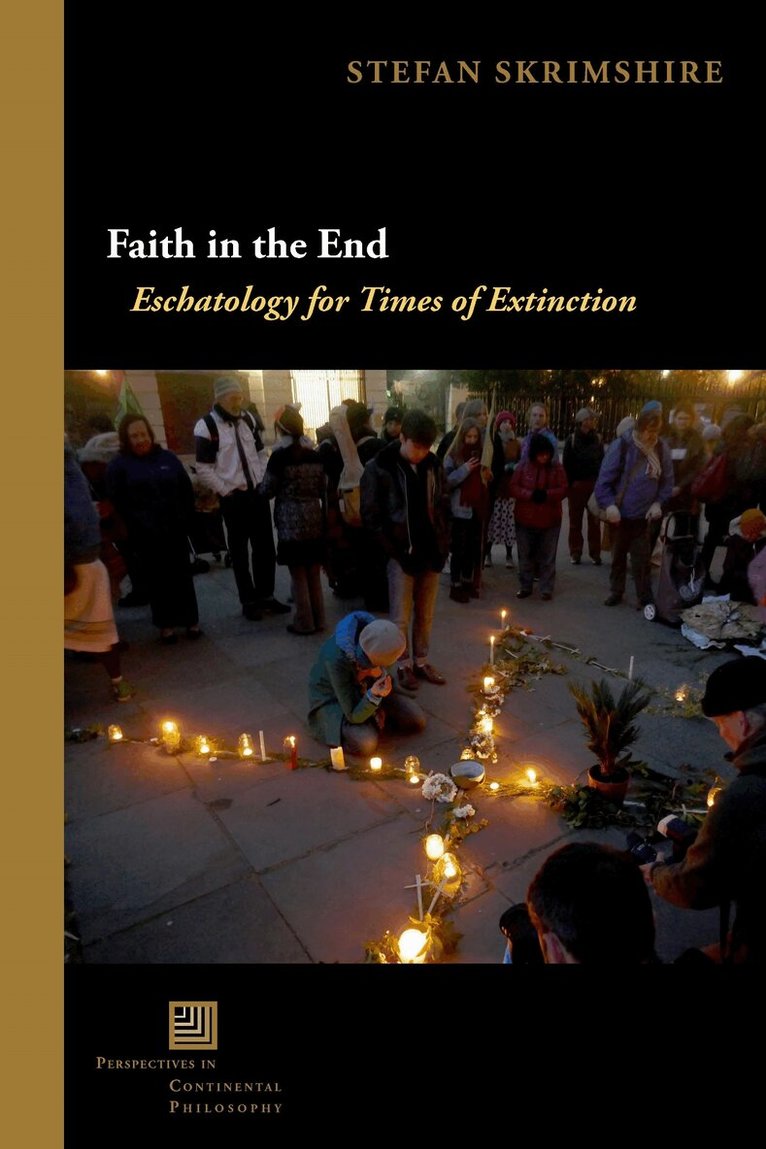
Advocates for an approach to Christian end-times, not as the anticipation of particular futures, but as a way to inhabit the existential crises of our present, the ‘times of extinction’ in which we live.Public environmental concern has turned to the so-called "sixth mass extinction event" currently underway. The interdisciplinary field of extinction studies was established to increase our cultural understanding of that phenomenon, but hitherto there has been little engagement with religious faith and practice. This book stages the first conversation between extinction studies, Christian theology, and continental philosophy. It does so by reimagining eschatology - traditionally the study of ‘the last things’ in Christian faith – for times of extinction.Against an assumption that Christian belief in the end is essentially either about awaiting a final apocalyptic catastrophe or hoping for a final restoration of creation, the book argues that these are in fact the dubious hallmarks of what secular culture offers in precarious times. Christianity, by contrast, can offer plural conceptions of "ends" and "endings" whose purpose is not to exclusively or even primarily to anticipate the future, but rather to heighten the ethical, political and existential significance of the present. This work of re-imagining eschatology requires engaging some familiar theological sources in new light, ranging from St Augustine to eco-feminist theology. Its philosophical interlocutors are drawn from the continental tradition, bringing the insights of existentialism, phenomenology, and critical theory as indispensable lenses by which to reconceive the meanings of end-times.The book will be essential reading to those in the environmental humanities and extinction studies curious about theology, and to scholars of theology and religion concerned about extinction, and planetary crises more broadly. It will appeal to those responding to the extinction crisis in different ways – political activists, educators, faith leaders – who wish to explore how religious and secular faith shape our thinking about the multiple crises of our present age.
335 kr
Kommande
Advocates for an approach to Christian end-times, not as the anticipation of particular futures, but as a way to inhabit the existential crises of our present, the ‘times of extinction’ in which we live.Public environmental concern has turned to the so-called "sixth mass extinction event" currently underway. The interdisciplinary field of extinction studies was established to increase our cultural understanding of that phenomenon, but hitherto there has been little engagement with religious faith and practice. This book stages the first conversation between extinction studies, Christian theology, and continental philosophy. It does so by reimagining eschatology - traditionally the study of ‘the last things’ in Christian faith – for times of extinction.Against an assumption that Christian belief in the end is essentially either about awaiting a final apocalyptic catastrophe or hoping for a final restoration of creation, the book argues that these are in fact the dubious hallmarks of what secular culture offers in precarious times. Christianity, by contrast, can offer plural conceptions of "ends" and "endings" whose purpose is not to exclusively or even primarily to anticipate the future, but rather to heighten the ethical, political and existential significance of the present. This work of re-imagining eschatology requires engaging some familiar theological sources in new light, ranging from St Augustine to eco-feminist theology. Its philosophical interlocutors are drawn from the continental tradition, bringing the insights of existentialism, phenomenology, and critical theory as indispensable lenses by which to reconceive the meanings of end-times.The book will be essential reading to those in the environmental humanities and extinction studies curious about theology, and to scholars of theology and religion concerned about extinction, and planetary crises more broadly. It will appeal to those responding to the extinction crisis in different ways – political activists, educators, faith leaders – who wish to explore how religious and secular faith shape our thinking about the multiple crises of our present age.
1 964 kr
Skickas inom 10-15 vardagar
Fear and hope are two hugely influential ideas in political life; here Stefan Skrimshire examines their relationship at a time where interest has exploded in the quasi-religious themes of apocalyptic protest and utopian politics.This book is about the relationship between two hugely influential ideas in political life: fear and hope. In distinction to a growing literature already grappling with these ideas, this book argues that responses to a politics of fear have coincided with an explosion of interest in the quasi-religious themes of apocalyptic protest and utopian politics in both scholarly interest and cultural and political life. As such, it makes a timely contribution to the rapidly growing study into the re-surfacing of religious reasons in our 'post secular' political culture.Whilst recent scholarly studies have drawn attention to the re-emergence of theological questions of, for example, political sovereignty; attitudes towards the body; universality; and transcendence, this book argues in addition that the subject of political orientations of the future should also be taken seriously, where political thought is engaged with theological themes such as eschatology, apocalypse and utopia, in order to generate resources for hope.In recent years the study of the nature and function of religion with respect to politics has seen enormous changes. This important series provides a range of books devoted to furthering this study, and aimed at those studying and researching in this area across both disciplines.Titles in this series look specifically at the relationship between religion and political culture. Drawing upon a broad range of religious perspectives, the series is open for studies of historical as well as current phenomena in political culture. It seeks not only to inform but to provoke debate at a time when religion is gaining increasing prominence in the public realm.