Stefanie Lenk – författare
Visar alla böcker från författaren Stefanie Lenk. Handla med fri frakt och snabb leverans.
7 produkter
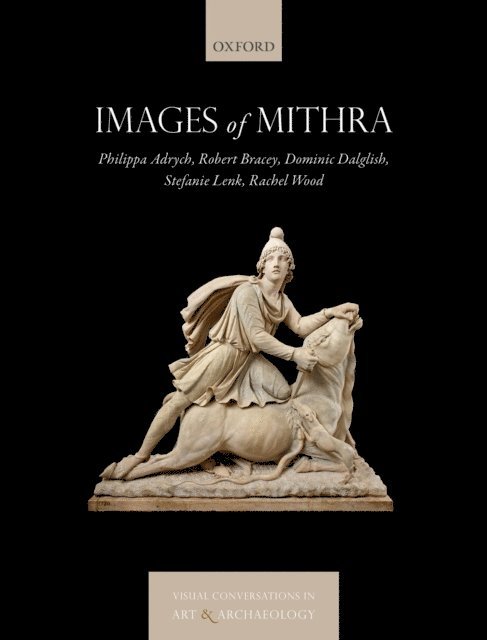
Images of Mithra
Av Rachel Wood, Stefanie Lenk m. fl.
E-bok, 2017
962 kr
Lägg i varukorg
With a history of use extending back to Vedic texts of the second millennium BC, derivations of the name Mithra appear in the Roman Empire, across Sasanian Persia, and in the Kushan Empire of southern Afghanistan and northern India during the first millennium AD. Even today, this name has a place …
Images of Mithra
Av Rachel Wood, Stefanie Lenk m. fl.
E-bok, 2017
962 kr
Lägg i varukorg
With a history of use extending back to Vedic texts of the second millennium BC, derivations of the name Mithra appear in the Roman Empire, across Sasanian Persia, and in the Kushan Empire of southern Afghanistan and northern India during the first millennium AD. Even today, this name has a place …
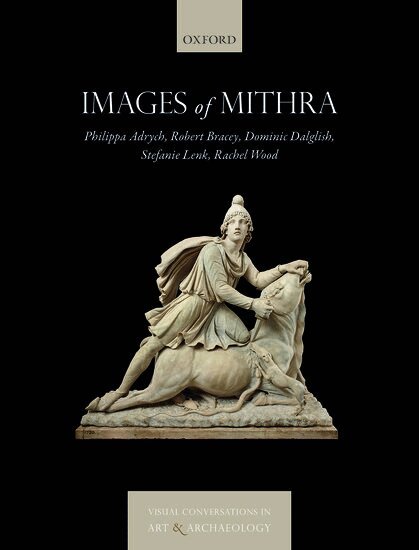
Images of Mithra
Av Philippa Adrych, Robert Bracey m. fl.
Inbunden, 2017
1563 kr
Lägg i varukorg
With a history of use extending back to Vedic texts of the second millennium BC, derivations of the name Mithra appear in the Roman Empire, across Sasanian Persia, and in the Kushan Empire of southern Afghanistan and northern India during the first millennium AD. Even today, this name has a place …
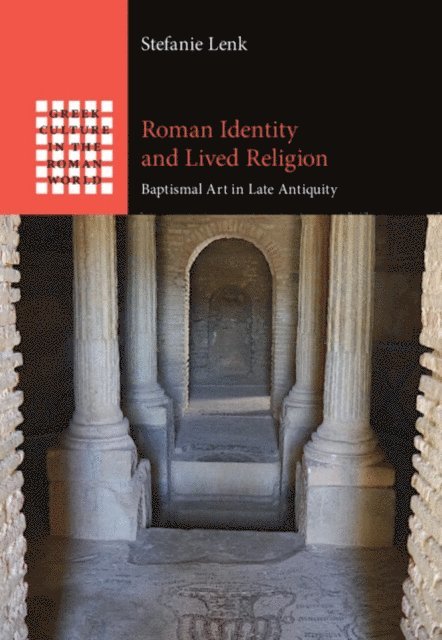
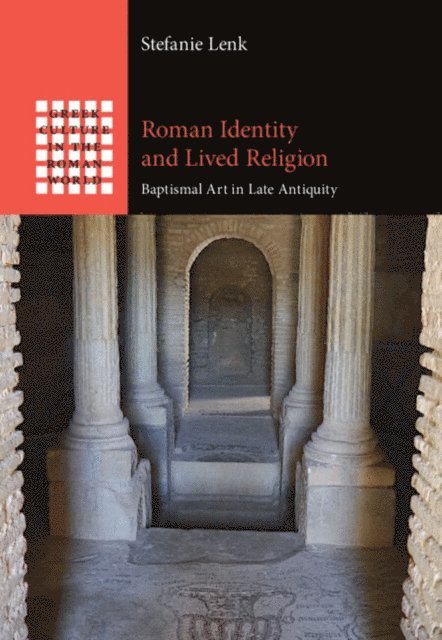
Roman Identity and Lived Religion
Baptismal Art in Late Antiquity
Inbunden, 2025
1481 kr
Lägg i varukorg
Christianity is often considered prevalent when it comes to defining the key values of late antique society, whereas 'feeling connected to the Roman past' is commonly regarded as an add-on for cultivated elites. This book demonstrates the significant impact of popular Roman culture on the religious …
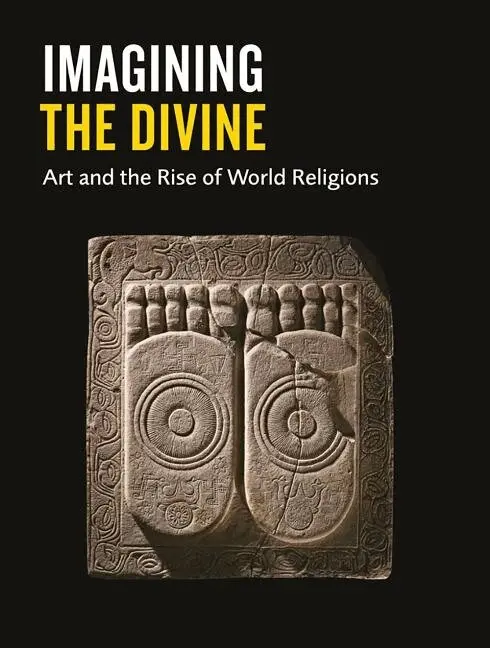
Imagining the Divine
Art and the Rise of World Religions
Av Elsner Jas Et Al, Stefanie Lenk m. fl.
Häftad, 2017
320 kr
Tillfälligt slut
Religion has always been a fundamental force for constructing identity, from antiquity to the contemporary world. The transformation of ancient cults into faith systems, which we recognise now as major world religions, took place in the first millennium AD, in the period we call 'Late Antiquity'. …