Stephanie A. Malin - Böcker
Visar alla böcker från författaren Stephanie A. Malin. Handla med fri frakt och snabb leverans.
8 produkter
8 produkter
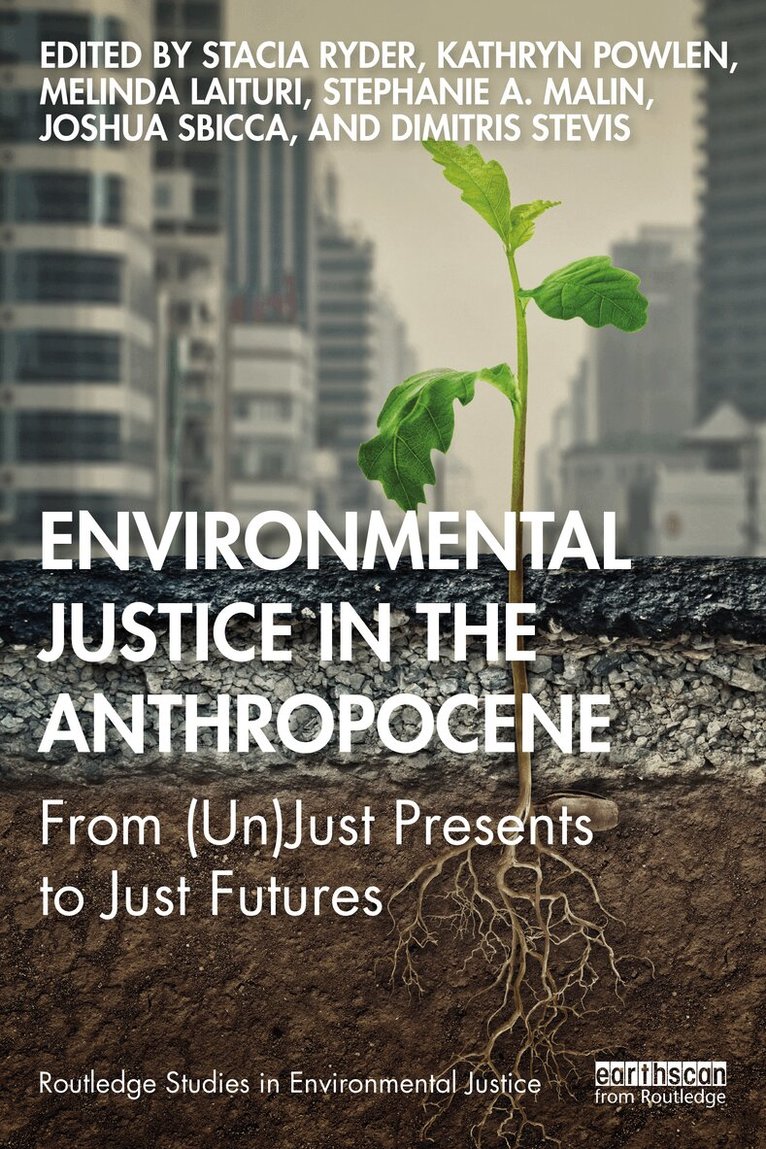
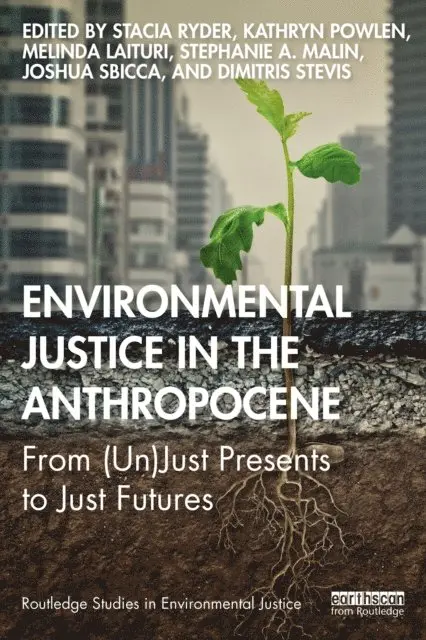
Environmental Justice in the Anthropocene
From (Un)Just Presents to Just Futures
Häftad, Engelska, 2021
549 kr
Skickas inom 10-15 vardagar
Through various international case studies presented by both practitioners and scholars, Environmental Justice in the Anthropocene explores how an environmental justice approach is necessary for reflections on inequality in the Anthropocene and for forging societal transitions toward a more just and sustainable future.Environmental justice is a central component of sustainability politics during the Anthropocene – the current geological age in which human activity is the dominant influence on climate and the environment. Every aspect of sustainability politics requires a close analysis of equity implications, including problematizing the notion that humans as a collective are equally responsible for ushering in this new epoch. Environmental justice provides us with the tools to critically investigate the drivers and characteristics of this era and the debates over the inequitable outcomes of the Anthropocene for historically marginalized peoples. The contributors to this volume focus on a critical approach to power and issues of environmental injustice across time, space, and context, drawing from twelve national contexts: Austria, Bangladesh, Chile, China, India, Nicaragua, Hungary, Mexico, Brazil, Sweden, Tanzania, and the United States. Beyond highlighting injustices, the volume highlights forward-facing efforts at building just transitions, with a goal of identifying practical steps to connect theory and movement and envision an environmentally and ecologically just future.This interdisciplinary work will be of great interest to students, scholars, and practitioners focused on conservation, environmental politics and governance, environmental and earth sciences, environmental sociology, environment and planning, environmental justice, and global sustainability and governance. It will also be of interest to social and environmental justice advocates and activists.
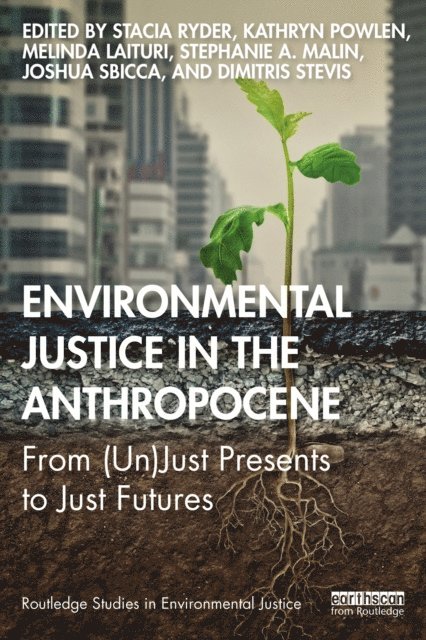
Environmental Justice in the Anthropocene
From (Un)Just Presents to Just Futures
Inbunden, Engelska, 2021
2 088 kr
Skickas inom 10-15 vardagar
Through various international case studies presented by both practitioners and scholars, Environmental Justice in the Anthropocene explores how an environmental justice approach is necessary for reflections on inequality in the Anthropocene and for forging societal transitions toward a more just and sustainable future.Environmental justice is a central component of sustainability politics during the Anthropocene – the current geological age in which human activity is the dominant influence on climate and the environment. Every aspect of sustainability politics requires a close analysis of equity implications, including problematizing the notion that humans as a collective are equally responsible for ushering in this new epoch. Environmental justice provides us with the tools to critically investigate the drivers and characteristics of this era and the debates over the inequitable outcomes of the Anthropocene for historically marginalized peoples. The contributors to this volume focus on a critical approach to power and issues of environmental injustice across time, space, and context, drawing from twelve national contexts: Austria, Bangladesh, Chile, China, India, Nicaragua, Hungary, Mexico, Brazil, Sweden, Tanzania, and the United States. Beyond highlighting injustices, the volume highlights forward-facing efforts at building just transitions, with a goal of identifying practical steps to connect theory and movement and envision an environmentally and ecologically just future.This interdisciplinary work will be of great interest to students, scholars, and practitioners focused on conservation, environmental politics and governance, environmental and earth sciences, environmental sociology, environment and planning, environmental justice, and global sustainability and governance. It will also be of interest to social and environmental justice advocates and activists.
410 kr
Skickas inom 5-8 vardagar
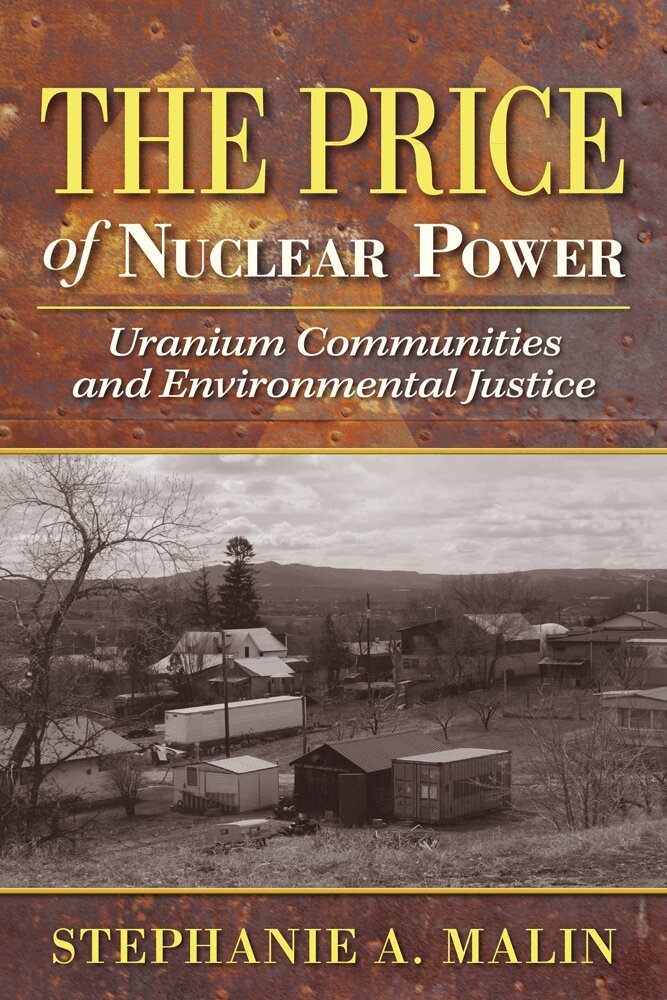
Rising fossil fuel prices and concerns about greenhouse gas emissions are fostering a nuclear power renaissance and a revitalized uranium mining industry across the American West. In The Price of Nuclear Power, environmental sociologist Stephanie Malin offers an on-the-ground portrait of several uranium communities caught between the harmful legacy of previous mining booms and the potential promise of new economic development. Using this context, she examines how shifting notions of environmental justice inspire divergent views about nuclear power’s sustainability and equally divisive forms of social activism. Drawing on extensive fieldwork conducted in rural isolated towns such as Monticello, Utah, and Nucla and Naturita, Colorado, as well as in upscale communities like Telluride, Colorado, and incorporating interviews with community leaders, environmental activists, radiation regulators, and mining executives, Malin uncovers a fundamental paradox of the nuclear renaissance: the communities most hurt by uranium’s legacy-such as high rates of cancers, respiratory ailments, and reproductive disorders-were actually quick to support industry renewal. She shows that many impoverished communities support mining not only because of the employment opportunities, but also out of a personal identification with uranium, a sense of patriotism, and new notions of environmentalism. But other communities, such as Telluride, have become sites of resistance, skeptical of industry and government promises of safe mining, fearing that regulatory enforcement won’t be strong enough. Indeed, Malin shows that the nuclear renaissance has exacerbated social divisions across the Colorado Plateau, threatening social cohesion. Malin further illustrates ways in which renewed uranium production is not a socially sustainable form of energy development for rural communities, as it is utterly dependent on unstable global markets. The Price of Nuclear Power is an insightful portrait of the local impact of the nuclear renaissance and the social and environmental tensions inherent in the rebirth of uranium mining.
1 391 kr
Skickas inom 5-8 vardagar
Rising fossil fuel prices and concerns about greenhouse gas emissions are fostering a nuclear power renaissance and a revitalized uranium mining industry across the American West. In The Price of Nuclear Power, environmental sociologist Stephanie Malin offers an on-the-ground portrait of several uranium communities caught between the harmful legacy of previous mining booms and the potential promise of new economic development. Using this context, she examines how shifting notions of environmental justice inspire divergent views about nuclear power’s sustainability and equally divisive forms of social activism. Drawing on extensive fieldwork conducted in rural isolated towns such as Monticello, Utah, and Nucla and Naturita, Colorado, as well as in upscale communities like Telluride, Colorado, and incorporating interviews with community leaders, environmental activists, radiation regulators, and mining executives, Malin uncovers a fundamental paradox of the nuclear renaissance: the communities most hurt by uranium’s legacy-such as high rates of cancers, respiratory ailments, and reproductive disorders-were actually quick to support industry renewal. She shows that many impoverished communities support mining not only because of the employment opportunities, but also out of a personal identification with uranium, a sense of patriotism, and new notions of environmentalism. But other communities, such as Telluride, have become sites of resistance, skeptical of industry and government promises of safe mining, fearing that regulatory enforcement won’t be strong enough. Indeed, Malin shows that the nuclear renaissance has exacerbated social divisions across the Colorado Plateau, threatening social cohesion. Malin further illustrates ways in which renewed uranium production is not a socially sustainable form of energy development for rural communities, as it is utterly dependent on unstable global markets. The Price of Nuclear Power is an insightful portrait of the local impact of the nuclear renaissance and the social and environmental tensions inherent in the rebirth of uranium mining.
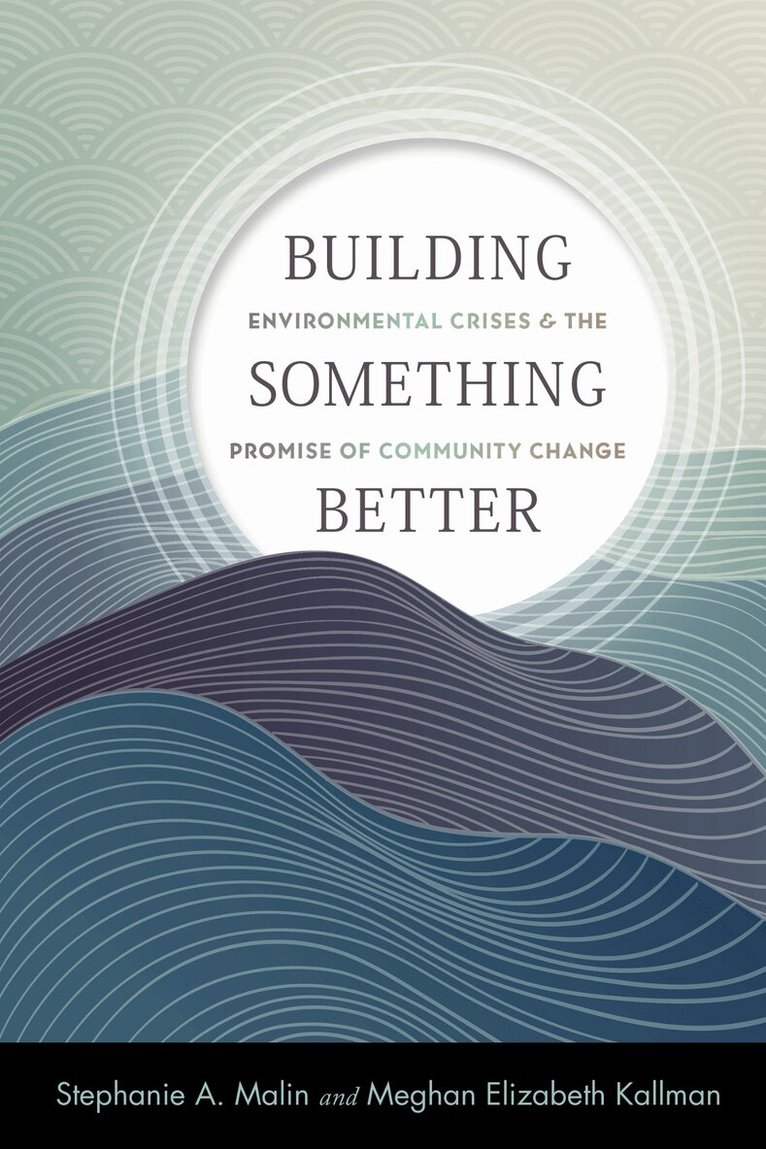
Building Something Better
Environmental Crises and the Promise of Community Change
Häftad, Engelska, 2022
336 kr
Skickas inom 7-10 vardagar
As the turmoil of interlinked crises unfolds across the world-from climate change to growing inequality to the rise of authoritarian governments-social scientists examine what is happening and why. Can communities devise alternatives to the systems that are doing so much harm to the planet and people? Sociologists Stephanie A. Malin and Meghan Elizbeth Kallman offer a clear, accessible volume that demonstrates the ways that communities adapt in the face of crises and explains that sociology can help us understand how and why they do this challenging work. Tackling neoliberalism head-on, these communities are making big changes by crafting distributive and regenerative systems that depart from capitalist approaches. The vivid case studies presented range from activist water protectors to hemp farmers to renewable energy cooperatives led by Indigenous peoples and nations. Alongside these studies, Malin and Kallman present incisive critiques of colonialism, extractive capitalism, and neoliberalism, while demonstrating how sociology’s own disciplinary traditions have been complicit with those ideologies-and must expand beyond them. Showing that it is possible to challenge social inequality and environmental degradation by refusing to continue business-as-usual, Building Something Better offers both a call to action and a dose of hope in a time of crises.
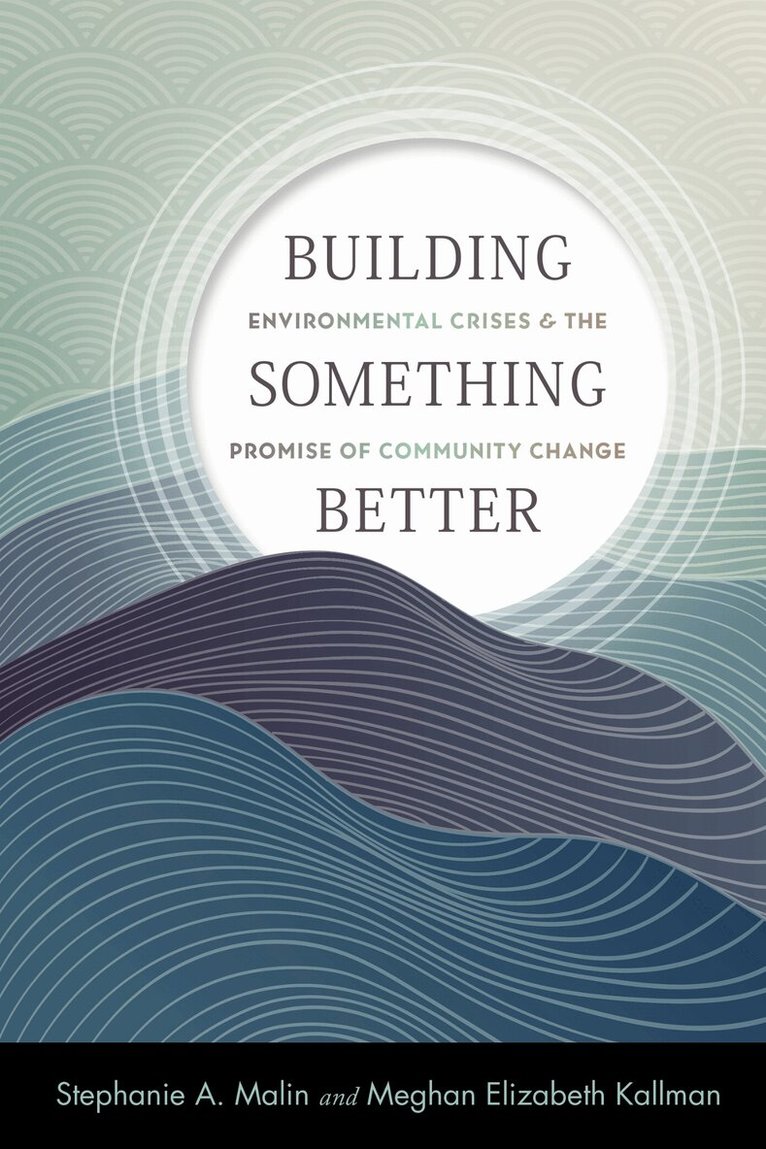
Building Something Better
Environmental Crises and the Promise of Community Change
Inbunden, Engelska, 2022
783 kr
Skickas inom 7-10 vardagar
As the turmoil of interlinked crises unfolds across the world-from climate change to growing inequality to the rise of authoritarian governments-social scientists examine what is happening and why. Can communities devise alternatives to the systems that are doing so much harm to the planet and people? Sociologists Stephanie A. Malin and Meghan Elizbeth Kallman offer a clear, accessible volume that demonstrates the ways that communities adapt in the face of crises and explains that sociology can help us understand how and why they do this challenging work. Tackling neoliberalism head-on, these communities are making big changes by crafting distributive and regenerative systems that depart from capitalist approaches. The vivid case studies presented range from activist water protectors to hemp farmers to renewable energy cooperatives led by Indigenous peoples and nations. Alongside these studies, Malin and Kallman present incisive critiques of colonialism, extractive capitalism, and neoliberalism, while demonstrating how sociology’s own disciplinary traditions have been complicit with those ideologies-and must expand beyond them. Showing that it is possible to challenge social inequality and environmental degradation by refusing to continue business-as-usual, Building Something Better offers both a call to action and a dose of hope in a time of crises.
3 149 kr
Skickas inom 10-15 vardagar
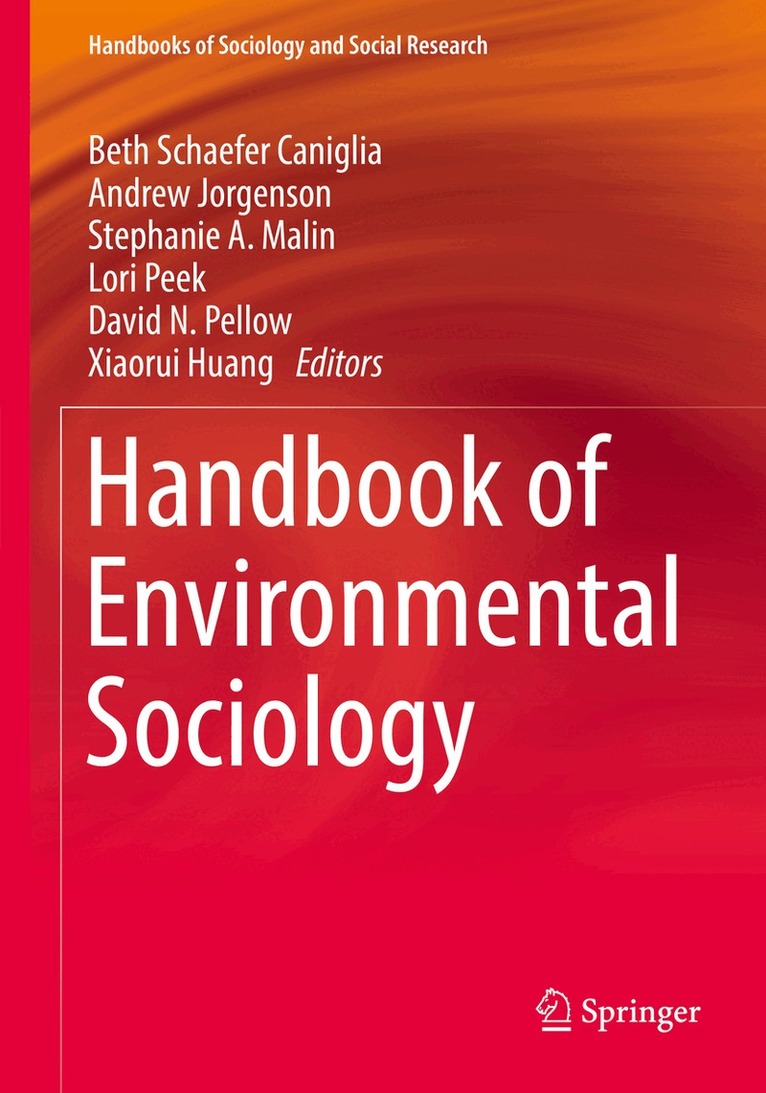
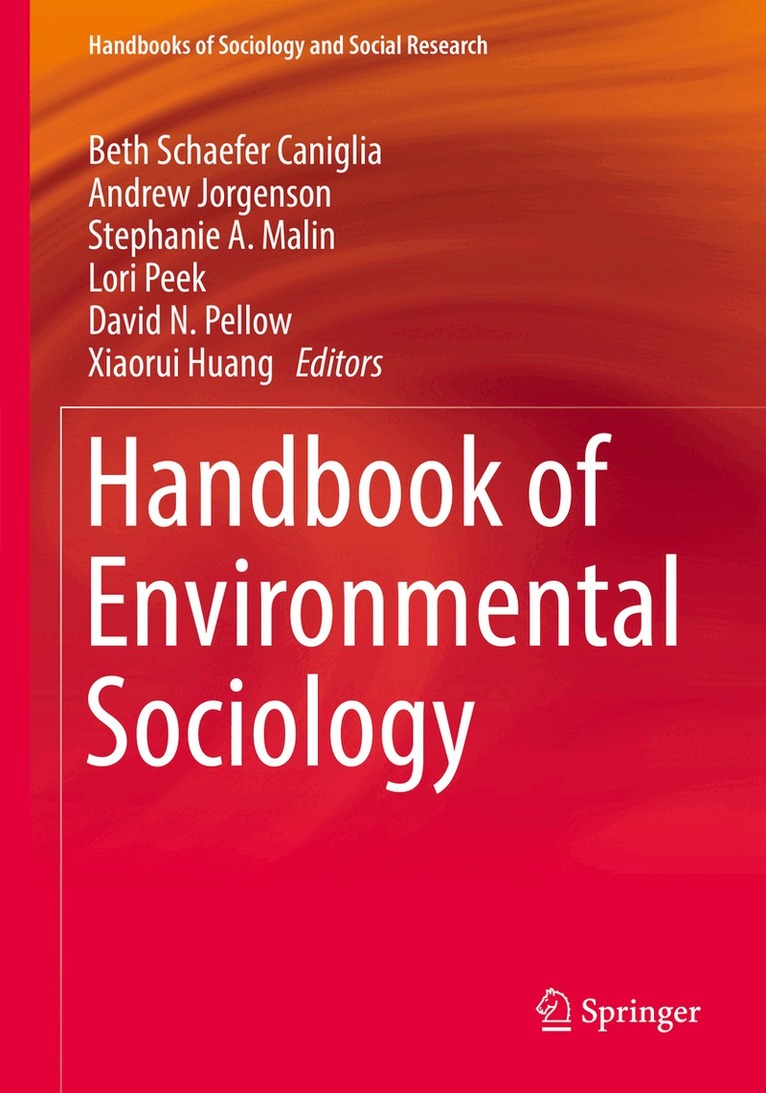
This handbook defines the contours of environmental sociology and invites readers to push boundaries in their exploration of this important subdiscipline. It offers a comprehensive overview of the evolution of environmental sociology and its role in this era of intensified national and global environmental crises.
1 409 kr
Skickas inom 5-8 vardagar
This handbook defines the contours of environmental sociology and invites readers to push boundaries in their exploration of this important subdiscipline. It offers a comprehensive overview of the evolution of environmental sociology and its role in this era of intensified national and global environmental crises.