Stephen D. Houston - Böcker
Visar alla böcker från författaren Stephen D. Houston. Handla med fri frakt och snabb leverans.
10 produkter
10 produkter
474 kr
Skickas inom 10-15 vardagar
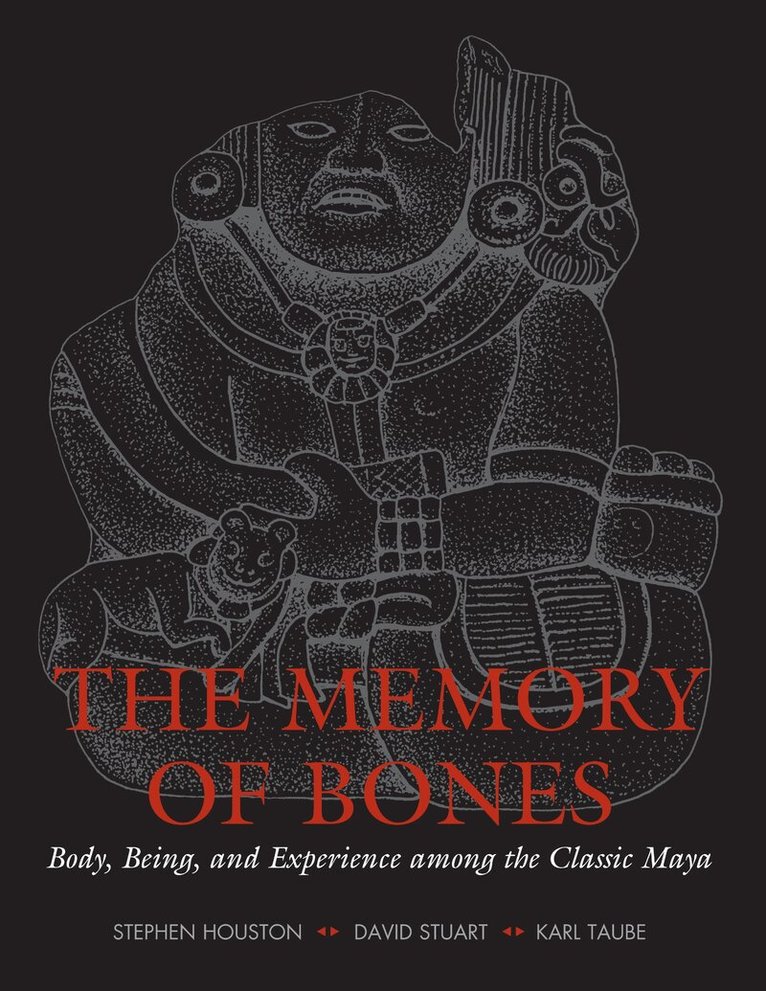
All of human experience flows from bodies that feel, express emotion, and think about what such experiences mean. But is it possible for us, embodied as we are in a particular time and place, to know how people of long ago thought about the body and its experiences? In this groundbreaking book, three leading experts on the Classic Maya (ca. AD 250 to 850) marshal a vast array of evidence from Maya iconography and hieroglyphic writing, as well as archaeological findings, to argue that the Classic Maya developed a coherent approach to the human body that we can recover and understand today.The authors open with a cartography of the Maya body, its parts and their meanings, as depicted in imagery and texts. They go on to explore such issues as how the body was replicated in portraiture; how it experienced the world through ingestion, the senses, and the emotions; how the body experienced war and sacrifice and the pain and sexuality that were intimately bound up in these domains; how words, often heaven-sent, could be embodied; and how bodies could be blurred through spirit possession.From these investigations, the authors convincingly demonstrate that the Maya conceptualized the body in varying roles, as a metaphor of time, as a gendered, sexualized being, in distinct stages of life, as an instrument of honor and dishonor, as a vehicle for communication and consumption, as an exemplification of beauty and ugliness, and as a dancer and song-maker. Their findings open a new avenue for empathetically understanding the ancient Maya as living human beings who experienced the world as we do, through the body.
657 kr
Skickas inom 7-10 vardagar
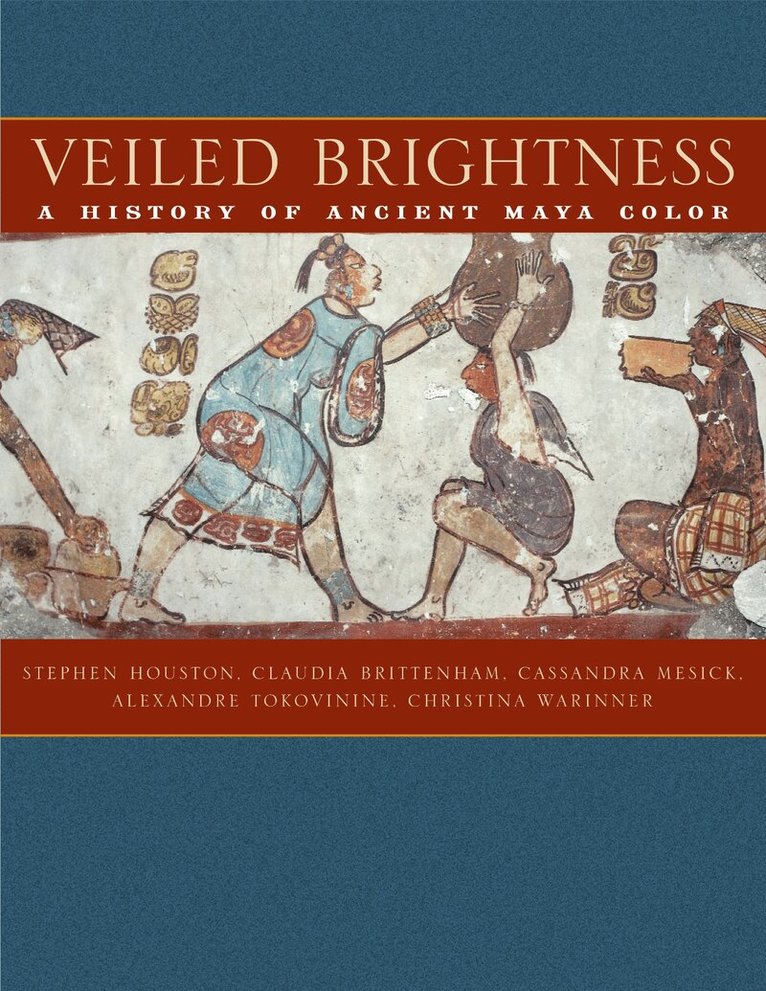
Color is an integral part of human experience, so common as to be overlooked or treated as unimportant. Yet color is both unavoidable and varied. Each culture classifies, understands, and uses it in different and often surprising ways, posing particular challenges to those who study color from long-ago times and places far distant. Veiled Brightness reconstructs what color meant to the ancient Maya, a set of linked peoples and societies who flourished in and around the Yucatan Peninsula of Mexico and Central America. By using insights from archaeology, linguistics, art history, and conservation, the book charts over two millennia of color use in a region celebrated for its aesthetic refinement and high degree of craftsmanship.The authors open with a survey of approaches to color perception, looking at Aristotelian color theory, recent discoveries in neurophysiology, and anthropological research on color. Maya color terminology receives new attention here, clarifying not just basic color terms, but also the extensional or associated meanings that enriched ancient Maya perception of color. The materials and technologies of Maya color production are assembled in one place as never before, providing an invaluable reference for future research.From these investigations, the authors demonstrate that Maya use of color changed over time, through a sequence of historical and artistic developments that drove the elaboration of new pigments and coloristic effects. These findings open fresh avenues for investigation of ancient Maya aesthetics and worldview and provide a model for how to study the meaning and making of color in other ancient civilizations.
2 088 kr
Skickas inom 10-15 vardagar
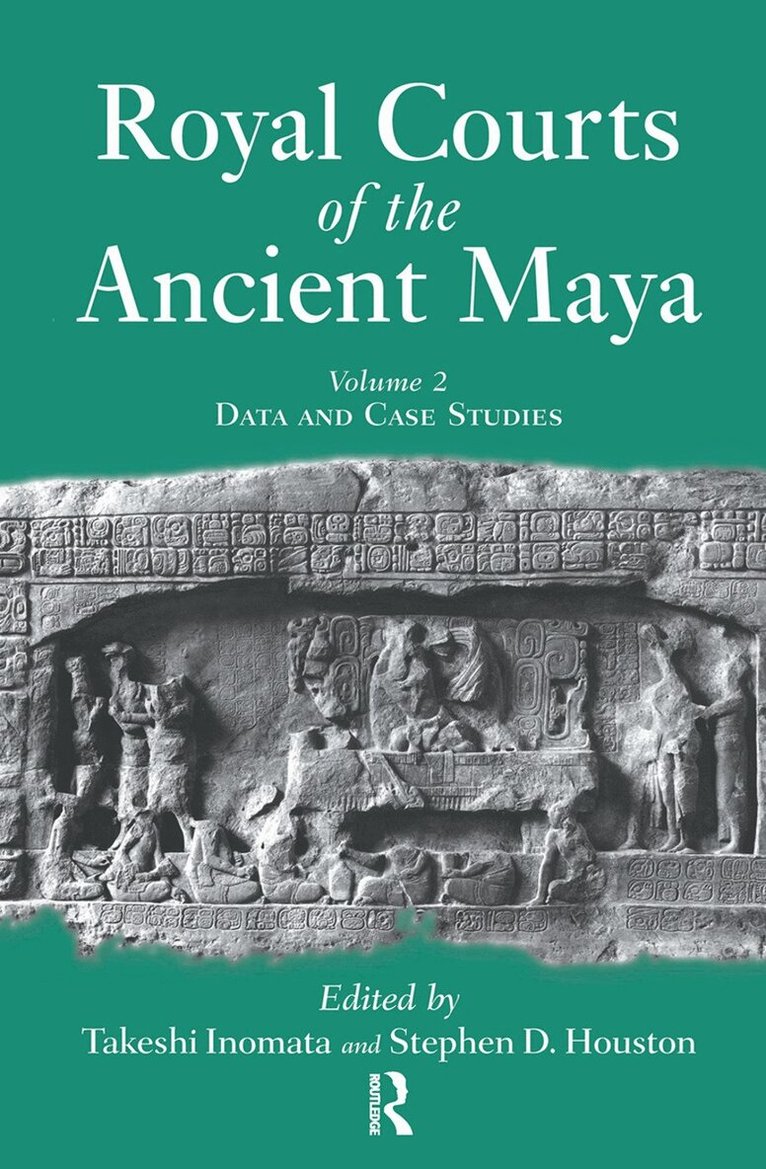
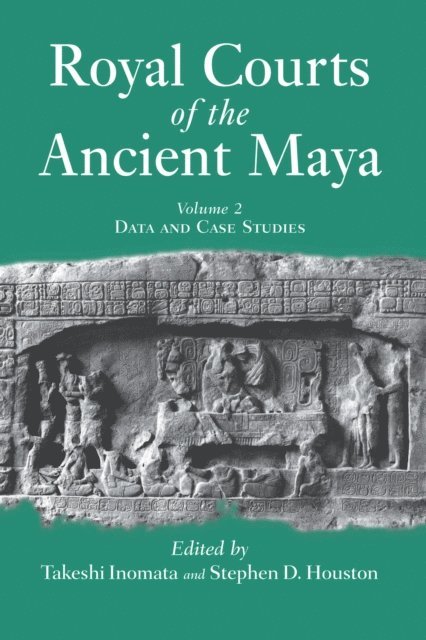
This book provides theory, comparison, and synthesis to establish a carefully considered framework for approaching the study of courts and their functions throughout the world of the ancient Maya. It is based on the annual meeting of the American Anthropological Association.
1 200 kr
Skickas inom 7-10 vardagar
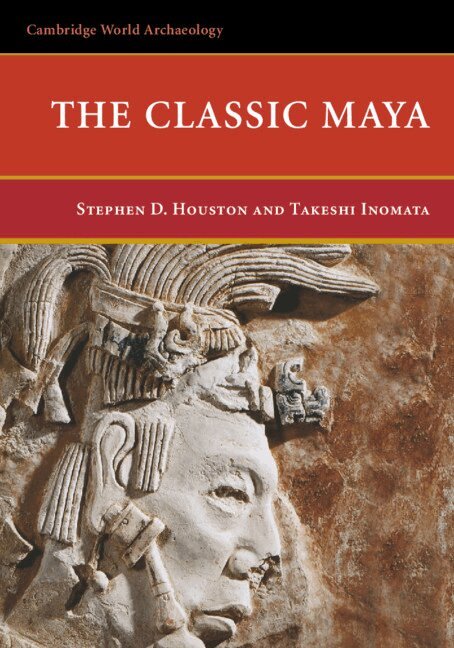
In the first millennium AD, the Classic Maya created courtly societies in and around the Yucatan Peninsula that have left some of the most striking intellectual and aesthetic achievements of the ancient world, including large settlements like Tikal, Copan, and Palenque. This book is the first in-depth synthesis of the Classic Maya. It is richly informed by new decipherment of hieroglyphs, decades of intensive excavation and survey. Structured by categories of person in society, it reports on kings, queens, nobles, gods, and ancestors, as well as the many millions of farmers and other figures who lived in societies predicated on sacred kingship and varying political programs. The Classic Maya presents a tandem model of societies bound by moral covenants and convulsed by unavoidable tensions between groups, affected by demographic trends and changing environments. It will serve as the basic source for all readers interested in the civilisation of the Maya.
422 kr
Skickas inom 7-10 vardagar
In the first millennium AD, the Classic Maya created courtly societies in and around the Yucatan Peninsula that have left some of the most striking intellectual and aesthetic achievements of the ancient world, including large settlements like Tikal, Copan, and Palenque. This book is the first in-depth synthesis of the Classic Maya. It is richly informed by new decipherment of hieroglyphs, decades of intensive excavation and survey. Structured by categories of person in society, it reports on kings, queens, nobles, gods, and ancestors, as well as the many millions of farmers and other figures who lived in societies predicated on sacred kingship and varying political programs. The Classic Maya presents a tandem model of societies bound by moral covenants and convulsed by unavoidable tensions between groups, affected by demographic trends and changing environments. It will serve as the basic source for all readers interested in the civilisation of the Maya.
422 kr
Skickas inom 7-10 vardagar
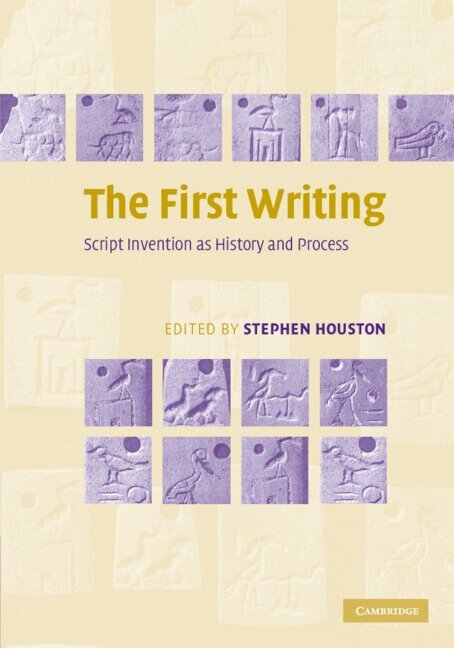
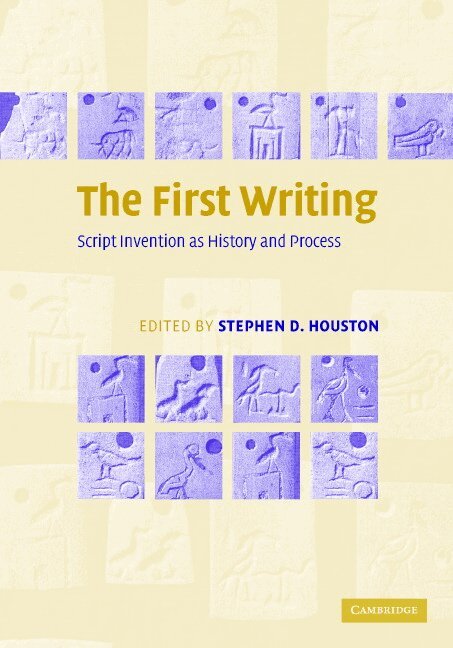
Ancient writing gives us our first glimpse of history, people and institutions, and yet its origins remain mysterious. This book offers a treatment and examination of the origins of ancient writing. It studies often neglected writing systems, such as those of Mesoamerica. The leading scholars in the field collectively discuss new topics and highlight new subtlties about how these scripts came into existence and development during the first centuries of use. Egypt, Mesopotamia, Elamite, Mesoamerica and the Maya, Shang, and Runic are all represented.
1 268 kr
Skickas inom 7-10 vardagar
Ancient writing gives us our first glimpse of history, people and institutions, and yet its origins remain mysterious. This book offers a treatment and examination of the origins of ancient writing. It studies often neglected writing systems, such as those of Mesoamerica. The leading scholars in the field collectively discuss new topics and highlight new subtlties about how these scripts came into existence and development during the first centuries of use. Egypt, Mesopotamia, Elamite, Mesoamerica and the Maya, Shang, and Runic are all represented.
Del 17 - Dumbarton Oaks Pre-Columbian Symposia and Colloquia
Function and Meaning in Classic Maya Architecture
A Symposium at Dumbarton Oaks, 7th and 8th October 1994
Inbunden, Engelska, 1998
331 kr
Skickas inom 7-10 vardagar
657 kr
Skickas inom 7-10 vardagar
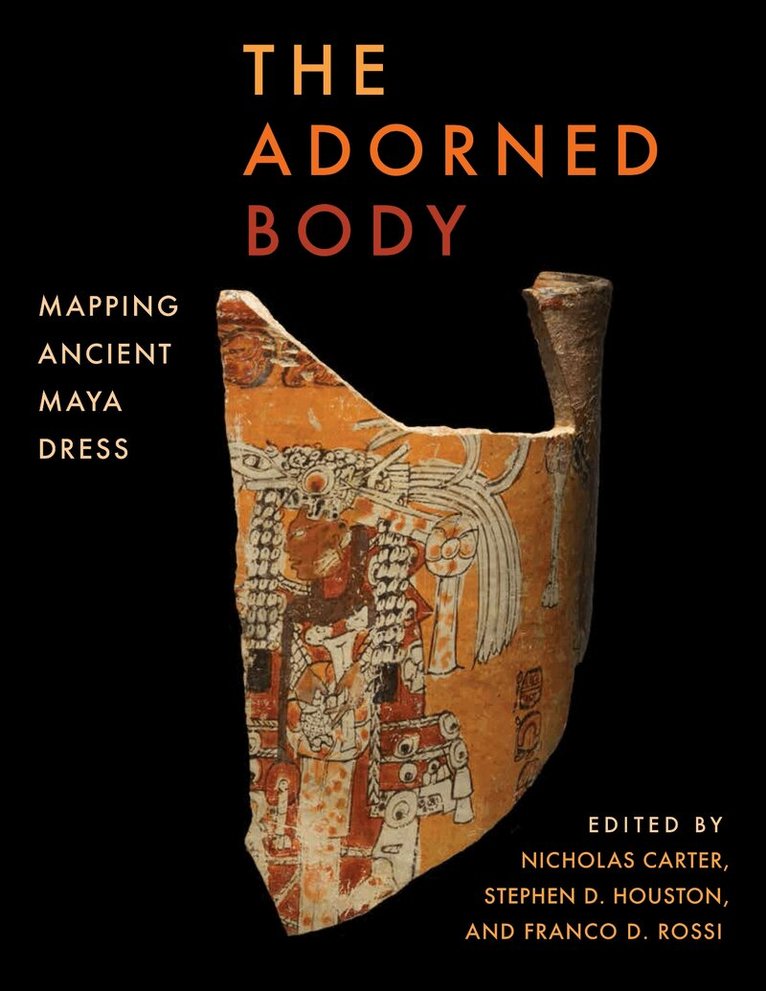
How we dress our bodies-through clothing, footwear, headgear, jewelry, haircuts, and more-is key to the expression of status and identity. This idea was as true for ancient Maya civilization as it is today, yet few studies have centered on what ancient Maya peoples wore and why. In The Adorned Body, Nicholas Carter, Stephen Houston, and Franco Rossi bring together contributions from a wide range of scholars, leading to the first in-depth study of Maya dress in pre-Columbian times.Incorporating artistic, hieroglyphic, and archaeological sources, this book explores the clothing and ornaments of ancient Maya peoples, systematically examining who wore what, deducing the varied purposes and meanings of dress items and larger ensembles, and determining the methods and materials with which such items were created. Each essay investigates a category of dress-including headgear, pendants and necklaces, body painting, footwear, and facial ornaments-and considers the variations within each of these categories, as well as popular styles and trends through time. The final chapters reveal broader views and comparisons about costume ensembles and their social roles. Shedding new light on the art and archaeology of the ancient Americas, The Adorned Body offers a thorough map of Maya dress that will be of interest to scholars and fashion enthusiasts alike.
609 kr
Skickas inom 3-6 vardagar
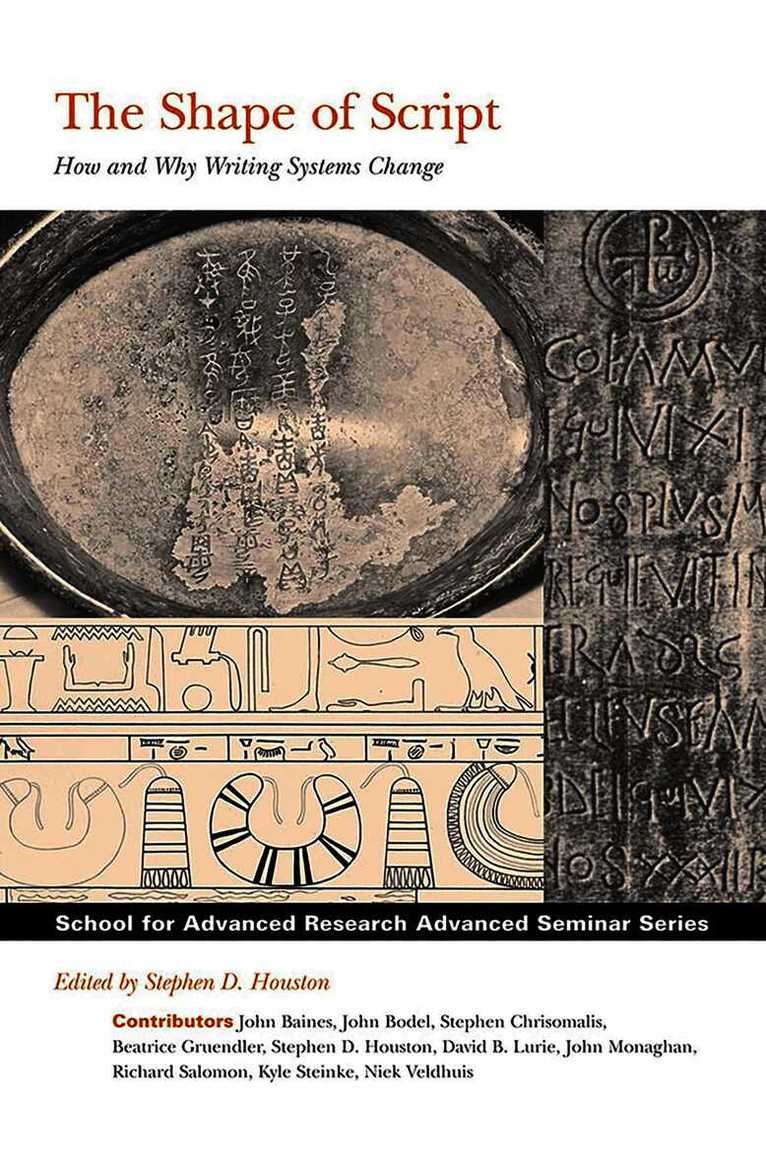
Stephen D. Houston has spent decades studying the nature of writing systems, which “are so very basic as nodes of connection among many aspects of human experience,” such as language, communication, identity, technology, and the recording of memory. “One of the misconceptions about writing is that a particular system of script comes into existence, remains the same, and then ‘dies,’” said Houston.“This notion radically and wrongly dehistoricizes systems of writing. We now know that scripts exist as fluid sets of practices, shifting over long periods of time and in response to changing historical circumstances, conditions of learning, and arenas of patronage and use.” For this advanced seminar “The Shape of Script: How and Why Writing Systems Change,” 10 specialists convened to address “the question of what happens between the origins of a writing system and the time of eventual ‘script death,’ or extinction.” Although scholars are close to conceptualizing the way scripts emerge and pass into obsolescence, they are still far from explaining how scripts maintain themselves over time or how and why they change when they do. “This is unfortunate: writing is one of the central cultural productions in human history, yet its many modulations and shifts seem largely to be taken for granted, without need for explanation. Writing is a pivotal intermediary in many human transactions. But it needs to be brought back into the fold of anthropology, not as a marginal specialty but as an indispensable tool by which knowledge is transmitted.” The seminar, conceived as a capstone to a 10-year project to resuscitate and renovate the study of past writing systems within anthropology, brought together experts in script traditions including Egyptian hieroglyphs, Latin writing and Mediterranean alphabets, cuneiform, South Asian scripts, ancient Roman script, and premodern Arabic, Japanese, Chinese, and Mesoamerican writing systems. Using cross-cultural comparisons, the participants sought to understand the forces that influence the courses of writing systems. Houston emphasized the importance of examining context:“What is the physical, temporal, social, and cultural setting for the way the message of writing is accessed? That is where history enters the picture, within a place of contingency, challenge, and opportunity.” Among the questions driving the discussions were the following: What processes affected formal changes in scripts? What agents or actors were involved in such shifts, either actively or passively? How was literacy achieved, then futhered or restricted? How did aesthetics and the use of script shape each other? What influence did technologies have on script forms? How was writing “gendered” or “aged” or “classed”?And what are the linkages between images and script? Of particular interest was the issue of generational transfer. “This brings us to matters on the cutting edge of anthropology:What is the role of being a child, or an adolescent? What do we learn? When and why do we learn it? This is what’s involved in making sure that script survives more than that initial act of innovation, so that it’s used again and again, across generations,” Houston said.