Stephen E. Hanson – författare
Visar alla böcker från författaren Stephen E. Hanson. Handla med fri frakt och snabb leverans.
17 produkter
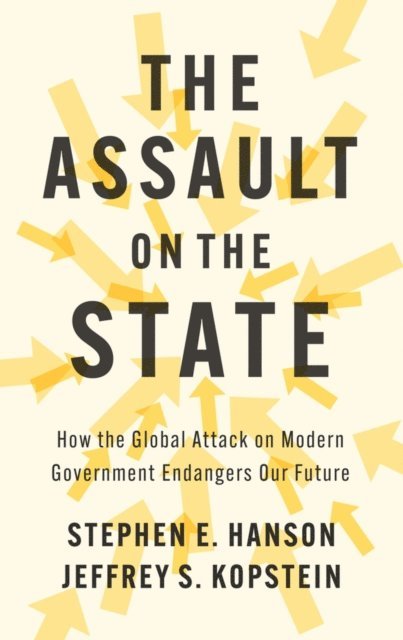
Assault on the State
How the Global Attack on Modern Government Endangers Our Future
Av Stephen E. Hanson, Jeffrey S. Kopstein
Häftad, 2026
116 kr
Lägg i varukorg
What if the state as we know it didn’t exist? Our air would be poisonous, our votes uncounted, and our markets dysfunctional. Yet across the world, in countries as diverse as Hungary, Israel, the U.K., and the U.S., attacks on the modern state and its workforce are intensifying. They are morphing …
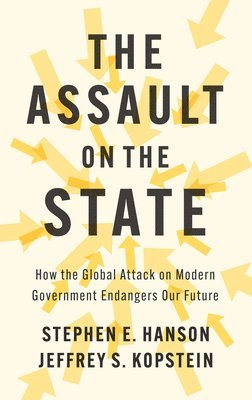
Assault on the State
How the Global Attack on Modern Government Endangers Our Future
Av Stephen E. Hanson, Jeffrey S. Kopstein
Inbunden, 2024
189 kr
Lägg i varukorg
What if the state as we know it didn’t exist? Our air would be poisonous, our votes uncounted, and our markets dysfunctional. Yet across the world, in countries as diverse as Hungary, Israel, the U.K., and the U.S., attacks on the modern state and its workforce are intensifying. They are morphing …
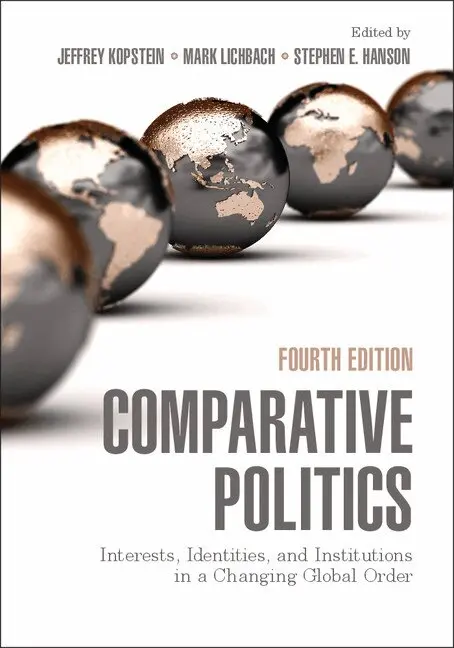
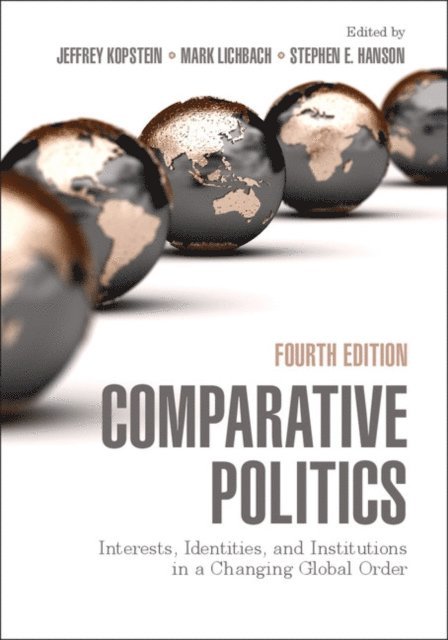
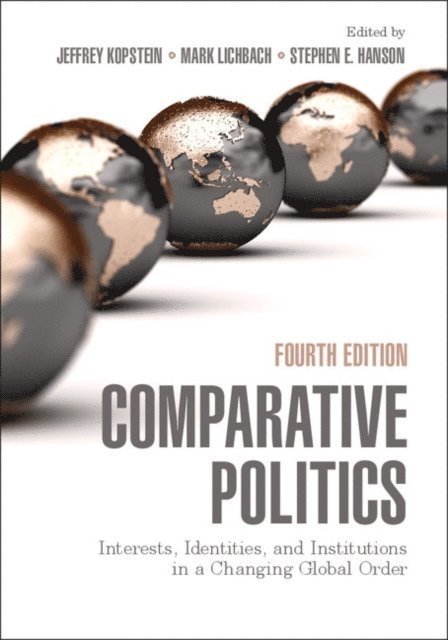
Comparative Politics
Interests, Identities, and Institutions in a Changing Global Order
Av Jeffrey Kopstein, Mark Lichbach m. fl.
Häftad, 2014
1139 kr
Lägg i varukorg
Twelve in-depth case studies of the EU and countries across the globe, written by the leading country specialists and combining insights of cutting-edge institutional analysis and deep study of national histories, explore how the concepts of interests, identities and institutions shape the politics …
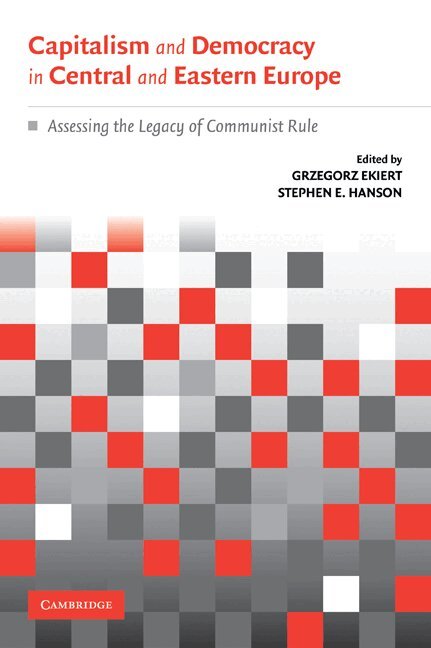
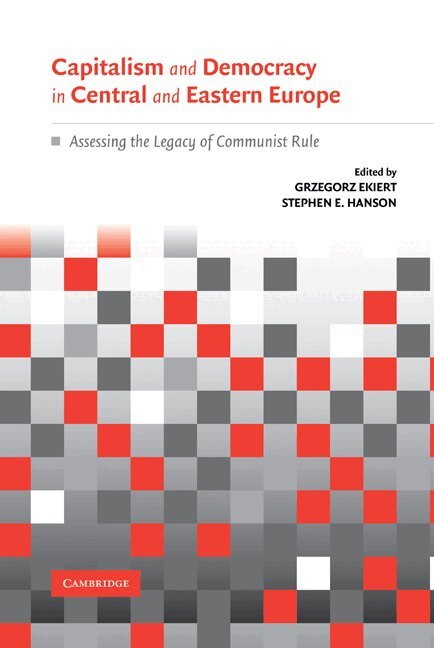
Capitalism and Democracy in Central and Eastern Europe
Assessing the Legacy of Communist Rule
Av Grzegorz Ekiert, Stephen E. Hanson
Häftad, 2003
569 kr
Lägg i varukorg
This volume presents a shared effort to apply a general historical-institutionalist approach to the problem of assessing institutional change in the wake of communism's collapse in Europe. It brings together a number of leading senior and junior scholars with outstanding reputations as specialists …
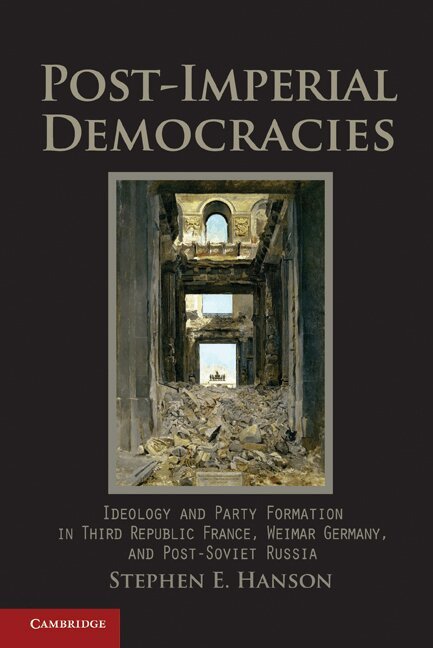
Post-Imperial Democracies
Ideology and Party Formation in Third Republic France, Weimar Germany, and Post-Soviet Russia
Häftad, 2010
455 kr
Lägg i varukorg
This book examines the causal impact of ideology through a comparative-historical analysis of three cases of 'post-imperial democracy': the early Third Republic in France (1870-86); the Weimar Republic in Germany (1918-34); and post-Soviet Russia (1992-2008). Hanson argues that political ideologies …
Capitalism and Democracy in Central and Eastern Europe
Assessing the Legacy of Communist Rule
Av Grzegorz Ekiert, Stephen E. Hanson
Inbunden, 2003
1400 kr
Lägg i varukorg
This volume presents a shared effort to apply a general historical-institutionalist approach to the problem of assessing institutional change in the wake of communism's collapse in Europe. It brings together a number of leading senior and junior scholars with outstanding reputations as specialists …
Post-Imperial Democracies
Ideology and Party Formation in Third Republic France, Weimar Germany, and Post-Soviet Russia
Inbunden, 2010
700 kr
Lägg i varukorg
This book examines the causal impact of ideology through a comparative-historical analysis of three cases of 'post-imperial democracy': the early Third Republic in France (1870-86); the Weimar Republic in Germany (1918-34); and post-Soviet Russia (1992-2008). Hanson argues that political ideologies …
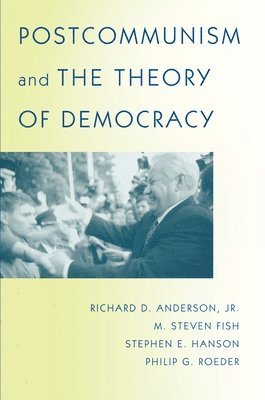
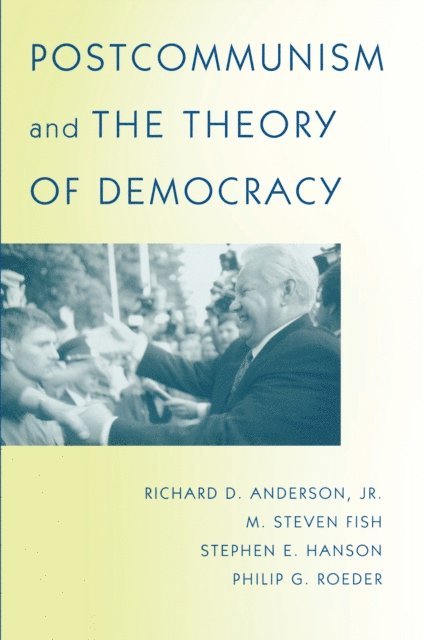
Postcommunism and the Theory of Democracy
Av Richard D. Anderson, M. Steven Fish m. fl.
Häftad, 2001
881 kr
Lägg i varukorg
Why did the wave of democracy that swept the former Soviet Union and Eastern Europe starting more than a decade ago develop in ways unexpected by observers who relied on existing theories of democracy? In Postcommunism and the Theory of Democracy, four distinguished scholars conduct the first major …
Postcommunism and the Theory of Democracy
Av Philip G. Roeder, Stephen E. Hanson m. fl.
E-bok, 2021
642 kr
Lägg i varukorg
Why did the wave of democracy that swept the former Soviet Union and Eastern Europe starting more than a decade ago develop in ways unexpected by observers who relied on existing theories of democracy? In Postcommunism and the Theory of Democracy , four distinguished scholars conduct the first …
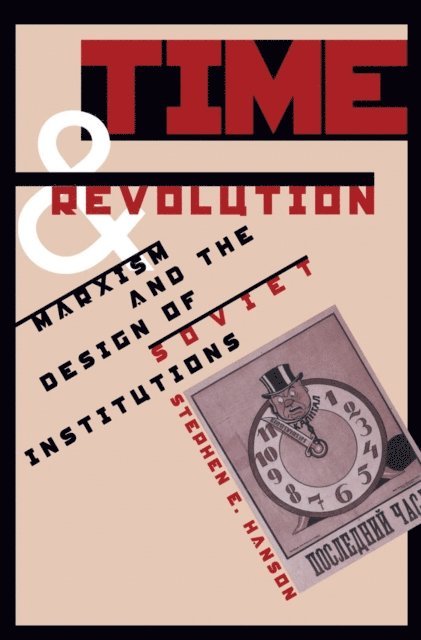
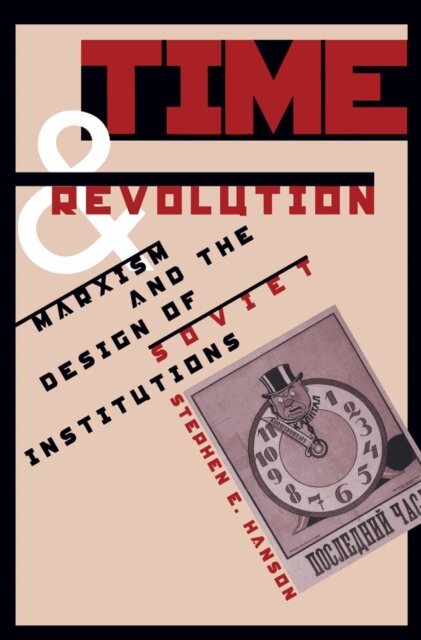
Time and Revolution
Marxism and the Design of Soviet Institutions
Häftad, 1997
617 kr
Lägg i varukorg
Stephen Hanson traces the influence of the Marxist conception of time in Soviet politics from Lenin to Gorbachev. He argues that the history of Marxism and Leninism reveals an unsuccessful revolutionary effort to reorder the human relationship with time and that this reorganization had a direct …
Time and Revolution
Marxism and the Design of Soviet Institutions
E-bok, 2000
399 kr
Lägg i varukorg
Stephen Hanson traces the influence of the Marxist conception of time in Soviet politics from Lenin to Gorbachev. He argues that the history of Marxism and Leninism reveals an unsuccessful revolutionary effort to reorder the human relationship with time and that this reorganization had a direct …
Comparative Politics
Interests, Identities, and Institutions in a Changing Global Order
Av Stephen E. Hanson, Mark Lichbach m. fl.
E-bok, 2014
1101 kr
Lägg i varukorg
Twelve in-depth case studies of the EU and countries across the globe, written by the leading country specialists and combining insights of cutting-edge institutional analysis and deep study of national histories, explore how the concepts of interests, identities and institutions shape the politics …
Comparative Politics
Interests, Identities, and Institutions in a Changing Global Order
Av Stephen E. Hanson, Mark Lichbach m. fl.
E-bok, 2014
1125 kr
Lägg i varukorg
Twelve in-depth case studies of the EU and countries across the globe, written by the leading country specialists and combining insights of cutting-edge institutional analysis and deep study of national histories, explore how the concepts of interests, identities and institutions shape the politics …
Assault on the State
How the Global Attack on Modern Government Endangers Our Future
Av Jeffrey S. Kopstein, Stephen E. Hanson
E-bok, 2024
206 kr
Lägg i varukorg
What if the state as we know it didn’t exist? Our air would be poisonous, our votes uncounted, and our markets dysfunctional. Yet across the world, in countries as diverse as Hungary, Israel, the U.K., and the U.S., attacks on the modern state and its workforce are intensifying. They are morphing …
Time and Revolution
Marxism and the Design of Soviet Institutions
E-bok, 2000
399 kr
Lägg i varukorg
Stephen Hanson traces the influence of the Marxist conception of time in Soviet politics from Lenin to Gorbachev. He argues that the history of Marxism and Leninism reveals an unsuccessful revolutionary effort to reorder the human relationship with time and that this reorganization had a direct …
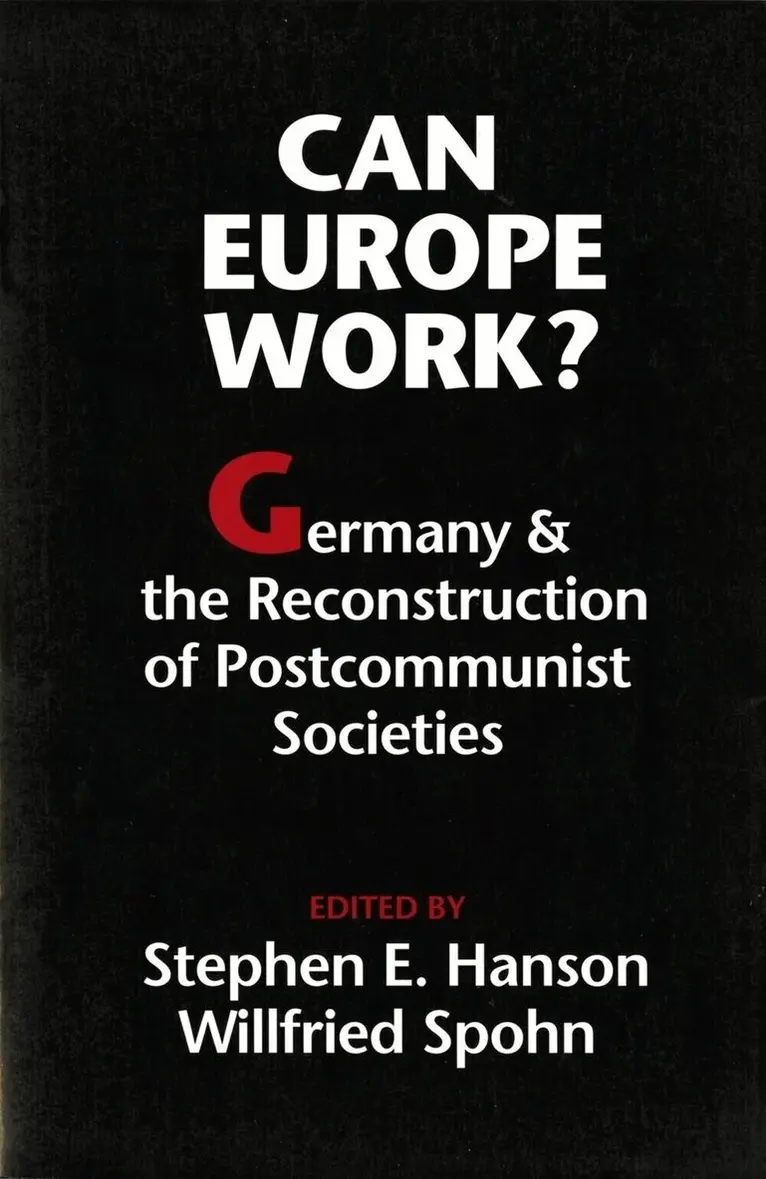
Can Europe Work?
Germany and the Reconstruction of Postcommunist Societies
Av Stephen E. Hanson, Willfried Spohn
Inbunden, 1995
1869 kr
Tillfälligt slut
In Can Europe Work? Germany and the Reconstruction of Postcommunist Societies, eight scholars from the United States and Europe discuss the problems posed for European unity by the collapse of communism and the reemergence of Germany as Europe’s strongest state. Among the topics addressed are a …
Can Europe Work?
Germany and the Reconstruction of Postcommunist Societies
Av Stephen E. Hanson, Willfried Spohn
Häftad, 1995
459 kr
Tillfälligt slut
In Can Europe Work? Germany and the Reconstruction of Postcommunist Societies, eight scholars from the United States and Europe discuss the problems posed for European unity by the collapse of communism and the reemergence of Germany as Europe’s strongest state. Among the topics addressed are a …