Stephen H. Rapp Jr – författare
Visar alla böcker från författaren Stephen H. Rapp Jr. Handla med fri frakt och snabb leverans.
8 produkter
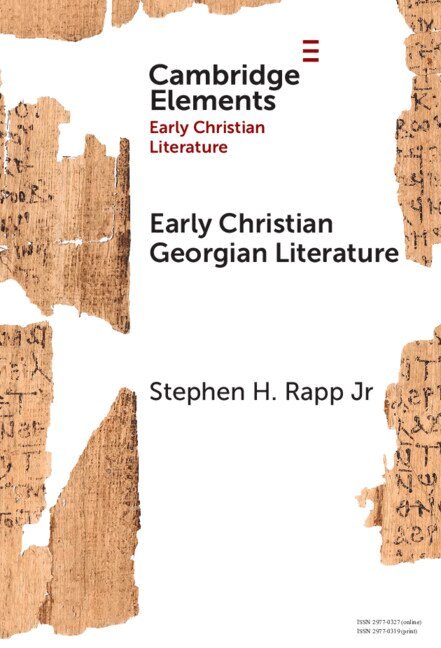
Early Christian Georgian Literature
Making Christian Identity in an Iranic Culture
E-bok, 2026
294 kr
Lägg i varukorg
Early Christian Georgian Literature
Making Christian Identity in an Iranic Culture
Inbunden, 2026
911 kr
Lägg i varukorg
This Element re-evaluates the genesis and early development of Georgian literature. Sparked by the Christian invention of a Georgian script ca. 400 AD, this literature was a product of the Christianization of the Caucasus region. But to what extent was early Georgian literature a Christian one? …
Early Christian Georgian Literature
Making Christian Identity in an Iranic Culture
Häftad, 2026
282 kr
Lägg i varukorg
This Element re-evaluates the genesis and early development of Georgian literature. Sparked by the Christian invention of a Georgian script ca. 400 AD, this literature was a product of the Christianization of the Caucasus region. But to what extent was early Georgian literature a Christian one? …
Early Christian Georgian Literature
Making Christian Identity in an Iranic Culture
E-bok, 2026
238 kr
Lägg i varukorg
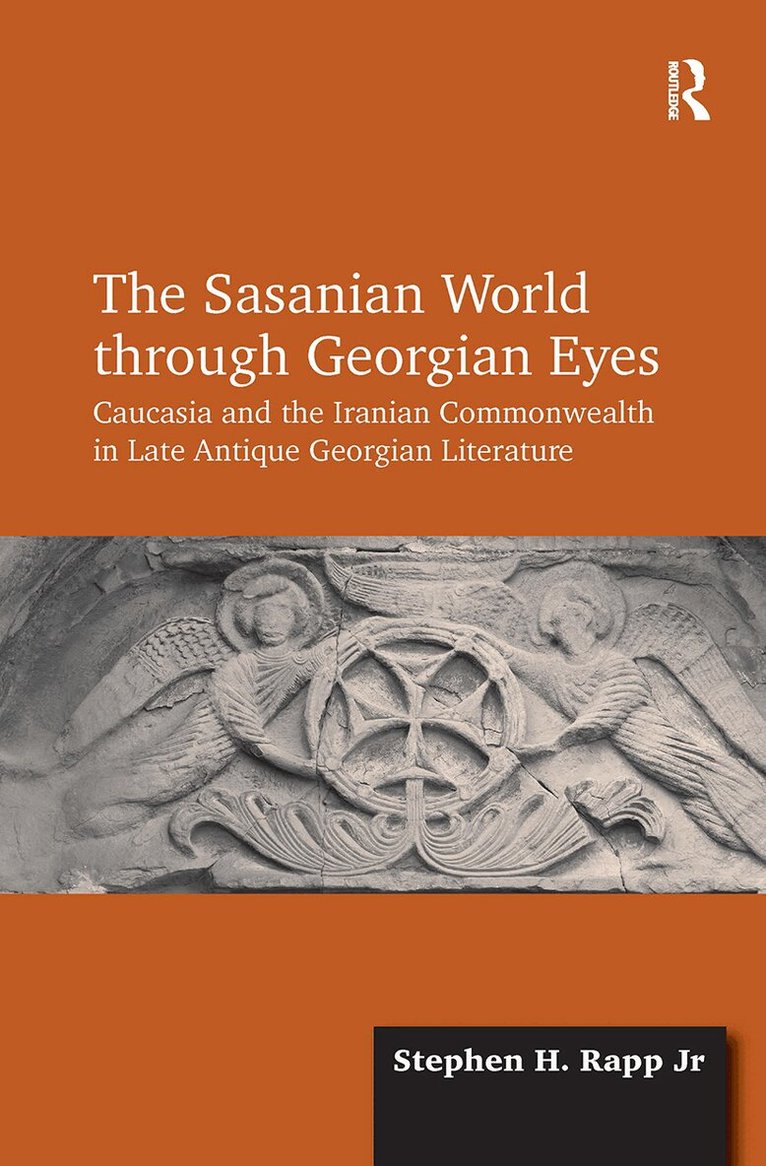
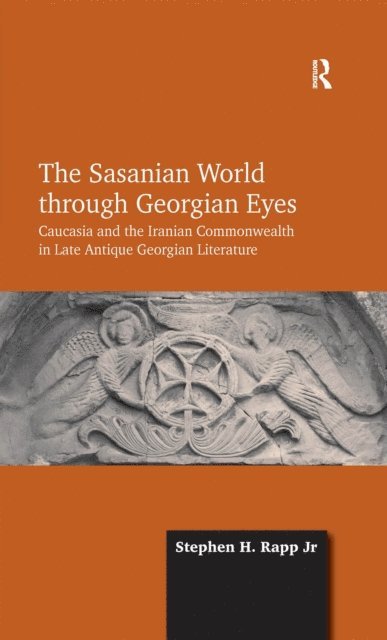
Sasanian World through Georgian Eyes
Caucasia and the Iranian Commonwealth in Late Antique Georgian Literature
Häftad, 2024
665 kr
Lägg i varukorg
Georgian literary sources for Late Antiquity are commonly held to be later productions devoid of historical value. As a result, scholarship outside the Republic of Georgia has privileged Graeco-Roman and even Armenian narratives. However, when investigated within the dual contexts of a regional …
Sasanian World through Georgian Eyes
Caucasia and the Iranian Commonwealth in Late Antique Georgian Literature
E-bok, 2017
876 kr
Lägg i varukorg
Georgian literary sources for Late Antiquity are commonly held to be later productions devoid of historical value. As a result, scholarship outside the Republic of Georgia has privileged Graeco-Roman and even Armenian narratives. However, when investigated within the dual contexts of a regional …
Sasanian World through Georgian Eyes
Caucasia and the Iranian Commonwealth in Late Antique Georgian Literature
E-bok, 2017
876 kr
Lägg i varukorg
Georgian literary sources for Late Antiquity are commonly held to be later productions devoid of historical value. As a result, scholarship outside the Republic of Georgia has privileged Graeco-Roman and even Armenian narratives. However, when investigated within the dual contexts of a regional …
Sasanian World through Georgian Eyes
Caucasia and the Iranian Commonwealth in Late Antique Georgian Literature
Inbunden, 2014
2578 kr
Lägg i varukorg
Georgian literary sources for Late Antiquity are commonly held to be later productions devoid of historical value. As a result, scholarship outside the Republic of Georgia has privileged Graeco-Roman and even Armenian narratives. However, when investigated within the dual contexts of a regional …