Stephen Menendian - Böcker
Visar alla böcker från författaren Stephen Menendian. Handla med fri frakt och snabb leverans.
4 produkter
4 produkter
523 kr
Skickas inom 10-15 vardagar
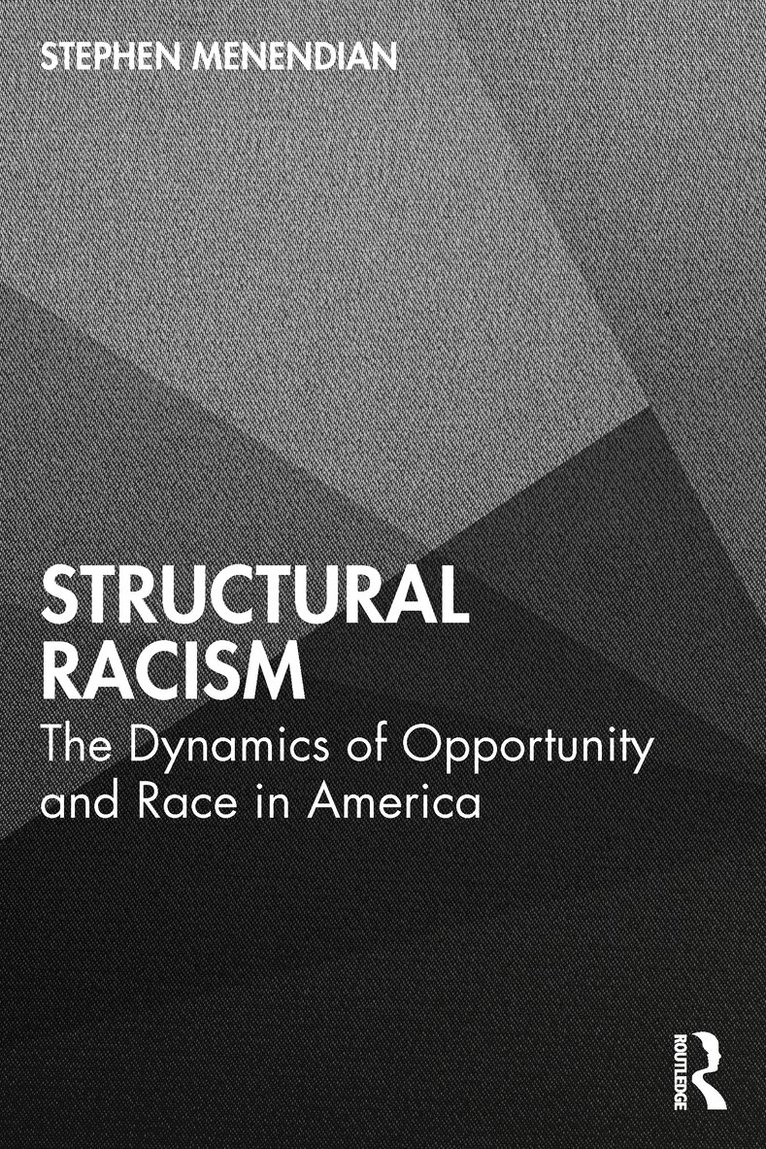
This book explains how racial inequality in the United States is produced and perpetuated and what should be done about it. It develops the elusive concept of “structural racism,” presenting a precise definition that is clear and comprehensible, and illustrates how it operates methodically and rigorously.Many other books are long on problems and short on solutions, whereas this book develops the key principles that must ground a structural reform agenda, and then presents a broad-ranging set of interventions organized around ten themes that will reduce racial disparities while expanding opportunity for all.Unlike most books on race which focus on a particular issue or sector, this book is comprehensive in its scope, encompassing the vital systems that shape racial inequality in contemporary American society: from education and public schools to income and wealth disparities to housing and health care to policing and the criminal justice system. As such, this book is the ideal text for readers seeking to learn more about structural racial inequality in society, how it came to be that way, and what we should do about it, while deepening our understanding and challenging many misguided or simplistic prevailing notions.In a time of backlash to racial justice and growing doubts about racial equity initiatives, this book is a timely and necessary entry. A must read for advocates, students, policymakers, and researchers alike.
2 113 kr
Skickas inom 10-15 vardagar
This book explains how racial inequality in the United States is produced and perpetuated and what should be done about it. It develops the elusive concept of “structural racism,” presenting a precise definition that is clear and comprehensible, and illustrates how it operates methodically and rigorously.Many other books are long on problems and short on solutions, whereas this book develops the key principles that must ground a structural reform agenda, and then presents a broad-ranging set of interventions organized around ten themes that will reduce racial disparities while expanding opportunity for all.Unlike most books on race which focus on a particular issue or sector, this book is comprehensive in its scope, encompassing the vital systems that shape racial inequality in contemporary American society: from education and public schools to income and wealth disparities to housing and health care to policing and the criminal justice system. As such, this book is the ideal text for readers seeking to learn more about structural racial inequality in society, how it came to be that way, and what we should do about it, while deepening our understanding and challenging many misguided or simplistic prevailing notions.In a time of backlash to racial justice and growing doubts about racial equity initiatives, this book is a timely and necessary entry. A must read for advocates, students, policymakers, and researchers alike.
309 kr
Skickas inom 7-10 vardagar
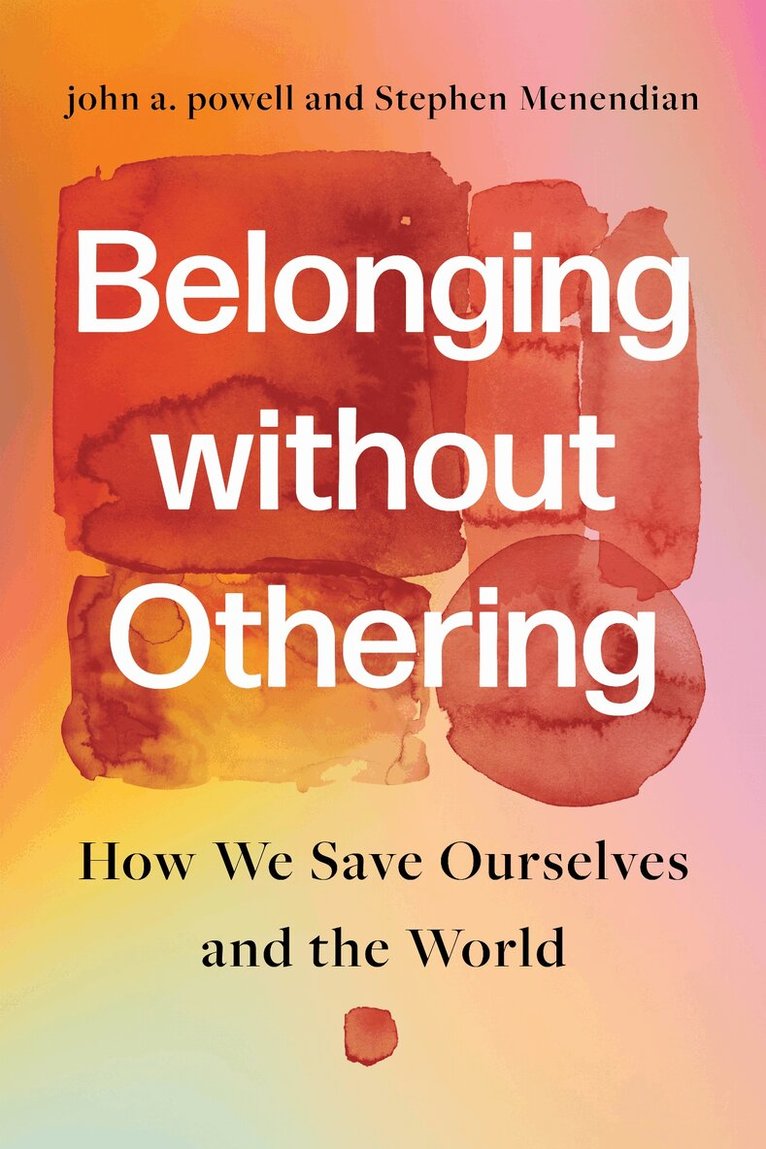
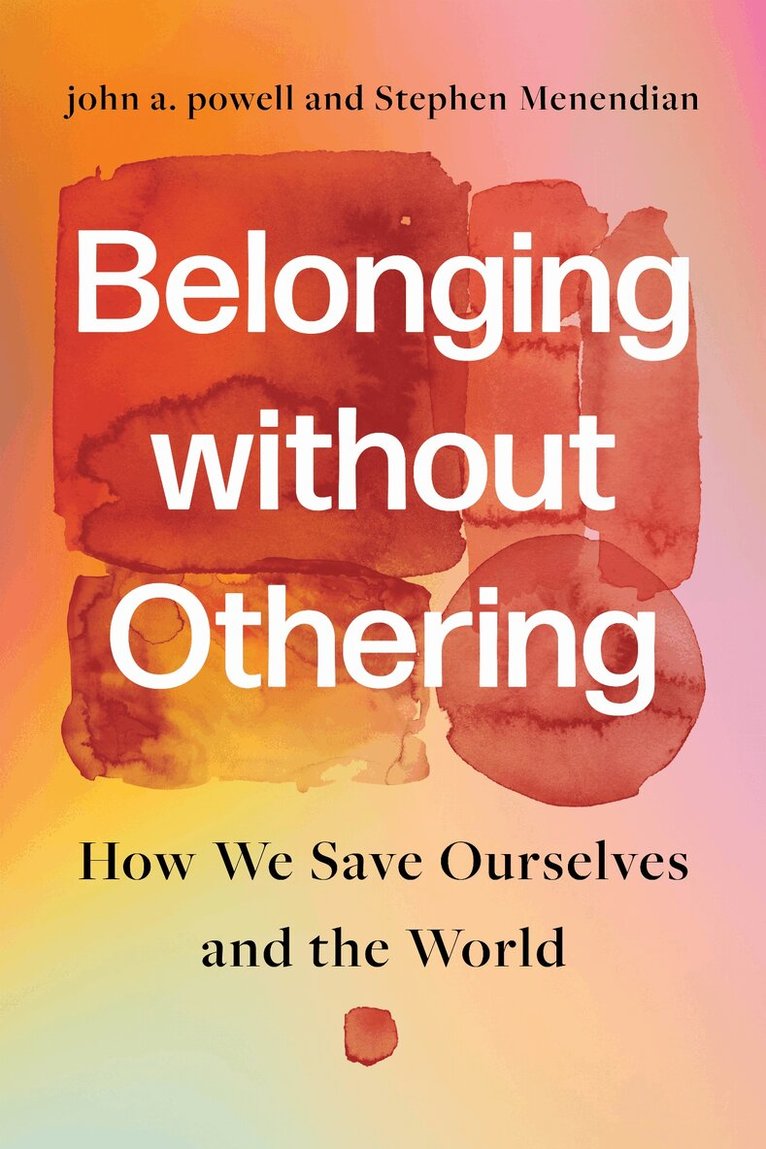
The root of all inequality is the process of othering – and its solution is the practice of belongingWe all yearn for connection and community, but we live in a time when calls for further division along the well-wrought lines of religion, race, ethnicity, caste, and sexuality are pervasive. This ubiquitous yet elusive problem feeds on fears – created, inherited – of the "other." While the much-touted diversity, equity, and inclusion initiatives are undeniably failing, and activists narrowly focus on specific and sometimes conflicting communities, Belonging without Othering prescribes a new approach that encourages us to turn toward one another in unprecedented and radical ways. The pressures that separate us have a common root: our tendency to cast people and groups in irreconcilable terms – or the process of "othering." This book gives vital language to this universal problem, unveiling its machinery at work across time and around the world. To subvert it, john a. powell and Stephen Menendian make a powerful and sweeping case for adopting a paradigm of belonging that does not require the creation of an "other." This new paradigm hinges on transitioning from narrow to expansive identities – even if that means challenging seemingly benevolent forms of community-building based on othering.As the threat of authoritarianism grows across the globe, this book makes the case that belonging without othering is the necessary, but not the inevitable, next step in our long journey toward creating truly equitable and thriving societies. The authors argue that we must build institutions, cultivate practices, and orient ourselves toward a shared future, not only to heal ourselves, but perhaps to save our planet as well. Brimming with clear guidance, sparkling insights, and specific examples and practices, Belonging without Othering is a future-oriented exploration that ushers us in a more hopeful direction.
215 kr
Kommande
The root of all inequality is the process of othering – and its solution is the practice of belongingWe all yearn for connection and community, but we live in a time when calls for further division along the well-wrought lines of religion, race, ethnicity, caste, and sexuality are pervasive. This ubiquitous yet elusive problem feeds on fears – created, inherited – of the "other." While the much-touted diversity, equity, and inclusion initiatives are undeniably failing, and activists narrowly focus on specific and sometimes conflicting communities, Belonging without Othering prescribes a new approach that encourages us to turn toward one another in unprecedented and radical ways.The pressures that separate us have a common root: our tendency to cast people and groups in irreconcilable terms – or the process of "othering." This book gives vital language to this universal problem, unveiling its machinery at work across time and around the world. To subvert it, john a. powell and Stephen Menendian make a powerful and sweeping case for adopting a paradigm of belonging that does not require the creation of an "other." This new paradigm hinges on transitioning from narrow to expansive identities – even if that means challenging seemingly benevolent forms of community-building based on othering.As the threat of authoritarianism grows across the globe, this book makes the case that belonging without othering is the necessary, but not the inevitable, next step in our long journey toward creating truly equitable and thriving societies. The authors argue that we must build institutions, cultivate practices, and orient ourselves toward a shared future, not only to heal ourselves, but perhaps to save our planet as well. Brimming with clear guidance, sparkling insights, and specific examples and practices, Belonging without Othering is a future-oriented exploration that ushers us in a more hopeful direction.