
Steve Rabson - Böcker
Visar alla böcker från författaren Steve Rabson. Handla med fri frakt och snabb leverans.
3 produkter
3 produkter
1 108 kr
Skickas inom 10-15 vardagar
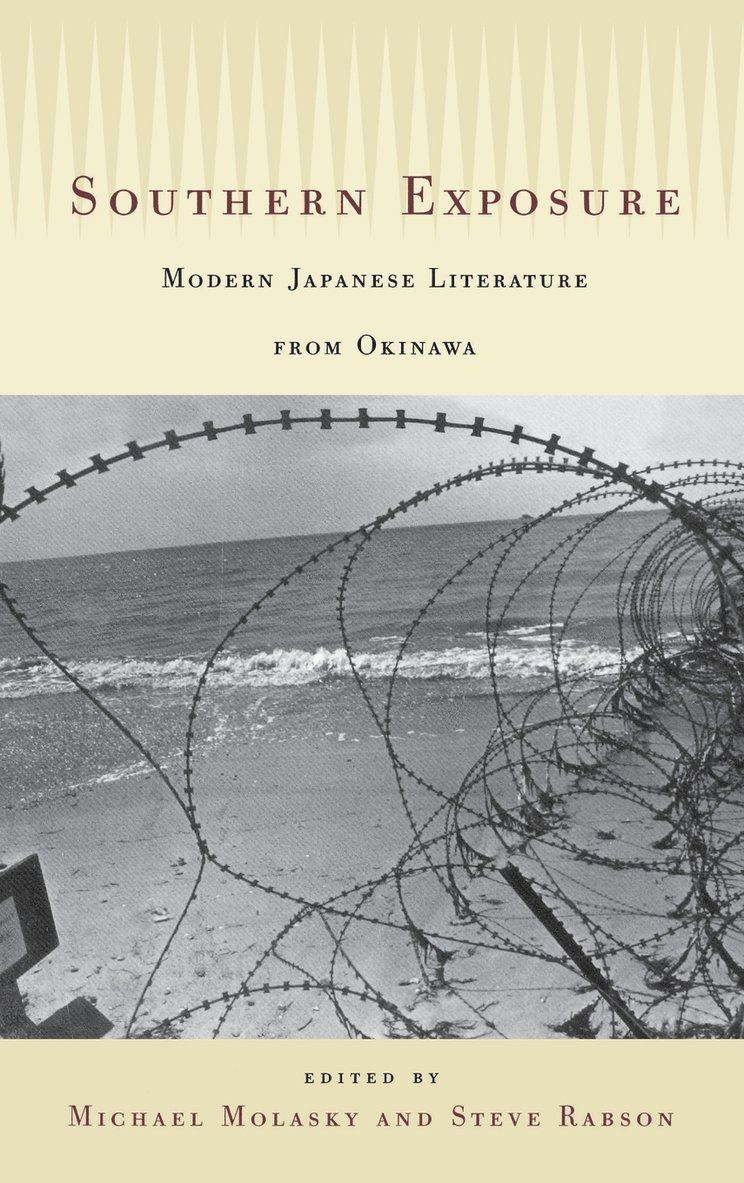
Southern Exposure is the first anthology of Okinawan literature to appear in English translation, and it appears at a propitious time. Although Okinawa Prefecture comprises only one percent of Japan's population, its writers have been winning a disproportionate number of literary awards in recent years--including the prestigious Akutagawa Prize for fiction, which was awarded to Matayoshi Eiki in 1996 and to Medoruma Shun in 1997. Both Matayoshi and Medoruma are represented in this anthology, which includes a wide range of fiction as well as a sampling of poetry from the 1920s to the present day. Modern Okinawa has been forged by a history of conquest and occupation by mainland Japan and the United States. Its sense of dual subjugation and the propensity of its writers to confront their own complicity with Japanese militarism imbues Okinawa's literary tradition with insightful perspectives on a wide range of issues. But this tradition is as deeply rooted in the region's lush semitropical landscape as in the forces of history. As this anthology demonstrates, Okinawan writers often suffuse their works with a lyricism and humor that disarms readers while bringing them face to face with the region's richly ambiguous legacy.
359 kr
Skickas inom 10-15 vardagar
Southern Exposure is the first anthology of Okinawan literature to appear in English translation, and it appears at a propitious time. Although Okinawa Prefecture comprises only one percent of Japan's population, its writers have been winning a disproportionate number of literary awards in recent years—including the prestigious Akutagawa Prize for fiction, which was awarded to Matayoshi Eiki in 1996 and to Medoruma Shun in 1997. Both Matayoshi and Medoruma are represented in this anthology, which includes a wide range of fiction as well as a sampling of poetry from the 1920s to the present day.Modern Okinawa has been forged by a history of conquest and occupation by mainland Japan and the United States. Its sense of dual subjugation and the propensity of its writers to confront their own complicity with Japanese militarism imbues Okinawa's literary tradition with insightful perspectives on a wide range of issues. But this tradition is as deeply rooted in the region's lush semitropical landscape as in the forces of history. As this anthology demonstrates, Okinawan writers often suffuse their works with a lyricism and humor that disarms readers while bringing them face to face with the region's richly ambiguous legacy.
324 kr
Skickas inom 7-10 vardagar
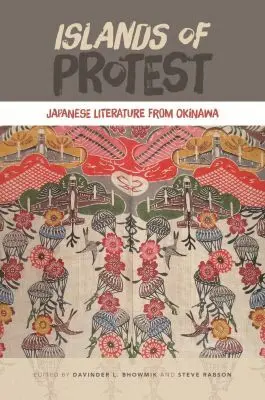
Literature is an important vehicle to further knowledge of other cultures, and English translations of Okinawan literary works have had a major impact on the field of Okinawan studies. Yet the riches of Okinawa's literature have yet to be adequately mined. Islands of Protest attempts to address this lacuna with this new selection of critically acclaimed modern and contemporary works in English.The anthology includes poetry, fiction, and drama, drawing on Okinawa's distinct culture and subtropical natural environment to convey the emotions and tensions present in everyday life. T?ma Hiroko's poem ""Backbone"" juxtaposes the natural environment of aquamarine beaches and subtropical flora and fauna with the built environment of America's military bases. Stories by two of Okinawa's most dynamic contemporary authors display wide breadth, from the preservation of island dances and burial practices in Sakiyama Tami's ""Island Confinement"" and ""Come Swaying, Come Swinging"" to the bold, disquieting themes of violence and comfort women in Medoruma Shun's ""Hope,"" ""Taiwan Woman,"" and ""Tree of Butterflies."" The crown jewel of the anthology, Chinen Seishin's play The Human Pavilion, is based on an infamous historical incident in which Okinawans were put on display during a 1903 industrial exhibition in Osaka. In his 1978 masterpiece, Chinen depicts the relentless pressure on Okinawans to become more Japanese.Given the controversial presence of U.S. military forces in Okinawa, this book is particularly timely. Disputes between the United States and Japanese governments over construction of a new marine airbase at Henoko have led to the resignation of Japan's prime minister, the election of an anti-base governor, and repeated protests. Islands of Protest offers a compelling entrée into a complex culture, one marked by wartime decimation, relentless discrimination, and fierce resistance, yet often overshadowed by the clichéd notion of a gentle Okinawa so ceaselessly depicted in Japan's mass media.