Steven C.Y. Kuo – författare
Visar alla böcker från författaren Steven C.Y. Kuo. Handla med fri frakt och snabb leverans.
6 produkter
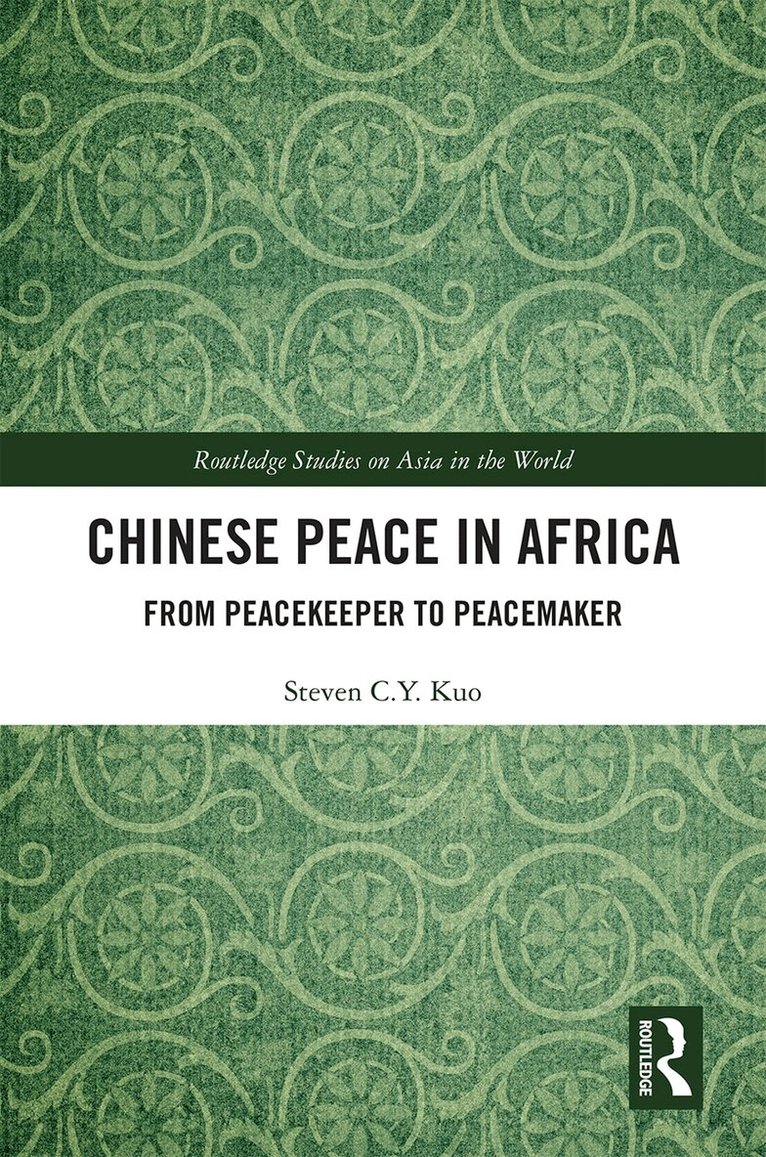
Chinese Peace in Africa
From Peacekeeper to Peacemaker
Inbunden, 2019
2512 kr
Lägg i varukorg
China’s emergence in Africa is the most significant development for the continent since at least the end of the Cold War. Of the permanent members of the UN Security Council, China is also the largest contributor in terms of troop numbers to United Nations Peacekeeping Operations (UNPKO). While …
Chinese Peace in Africa
From Peacekeeper to Peacemaker
E-bok, 2019
802 kr
Lägg i varukorg
China’s emergence in Africa is the most significant development for the continent since at least the end of the Cold War. Of the permanent members of the UN Security Council, China is also the largest contributor in terms of troop numbers to United Nations Peacekeeping Operations (UNPKO). While …
Chinese Peace in Africa
From Peacekeeper to Peacemaker
E-bok, 2019
779 kr
Lägg i varukorg
China’s emergence in Africa is the most significant development for the continent since at least the end of the Cold War. Of the permanent members of the UN Security Council, China is also the largest contributor in terms of troop numbers to United Nations Peacekeeping Operations (UNPKO). While …
Chinese Peace in Africa
From Peacekeeper to Peacemaker
Häftad, 2021
691 kr
Lägg i varukorg
China’s emergence in Africa is the most significant development for the continent since at least the end of the Cold War. Of the permanent members of the UN Security Council, China is also the largest contributor in terms of troop numbers to United Nations Peacekeeping Operations (UNPKO). While …
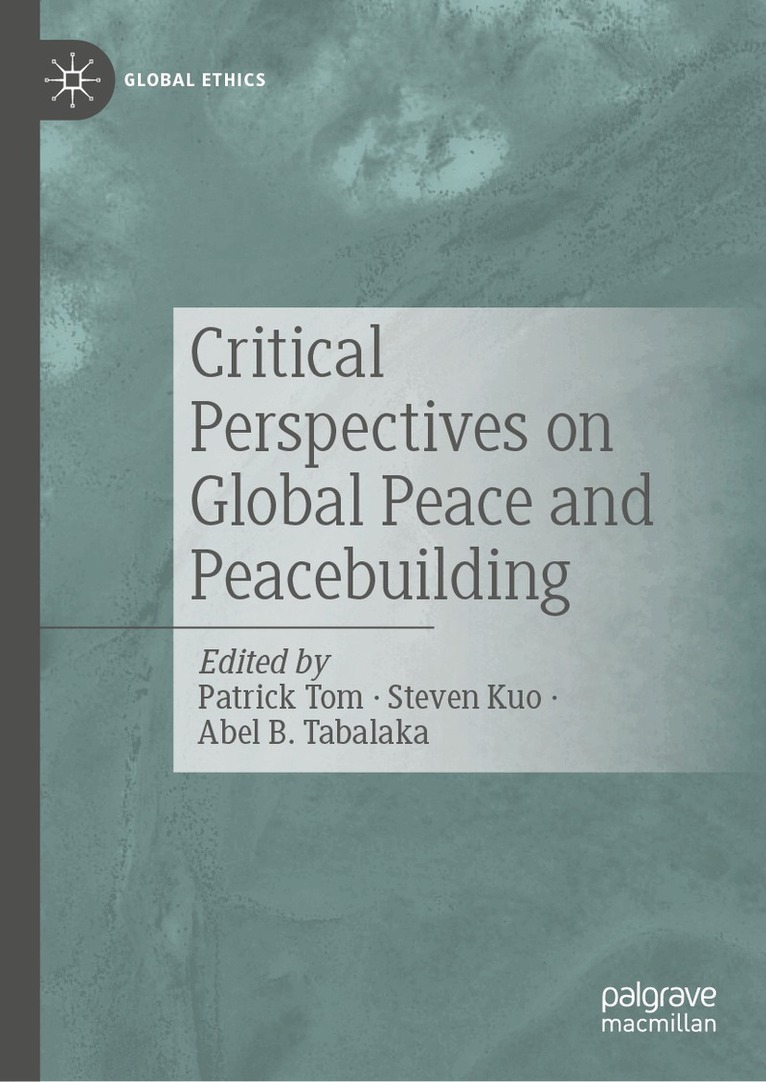
Critical Perspectives on Global Peace and Peacebuilding
Av Patrick Tom, Steven C.Y. Kuo m. fl.
Inbunden, 2026
1534 kr
Lägg i varukorg
This groundbreaking book challenges Western-centric approaches to peace and peacebuilding, offering diverse perspectives from across the globe. It reveals how peace is understood, negotiated, and sustained in varied contexts, moving beyond the limits of the liberal peace model, which links …
Critical Perspectives on Global Peace and Peacebuilding
Av Abel B. Tabalaka, Steven C.Y. Kuo m. fl.
E-bok, 2026
1948 kr
Lägg i varukorg
This groundbreaking book challenges Western-centric approaches to peace and peacebuilding, offering diverse perspectives from across the globe. It reveals how peace is understood, negotiated, and sustained in varied contexts, moving beyond the limits of the liberal peace model, which links …