Patrick Tom – författare
Visar alla böcker från författaren Patrick Tom. Handla med fri frakt och snabb leverans.
4 produkter
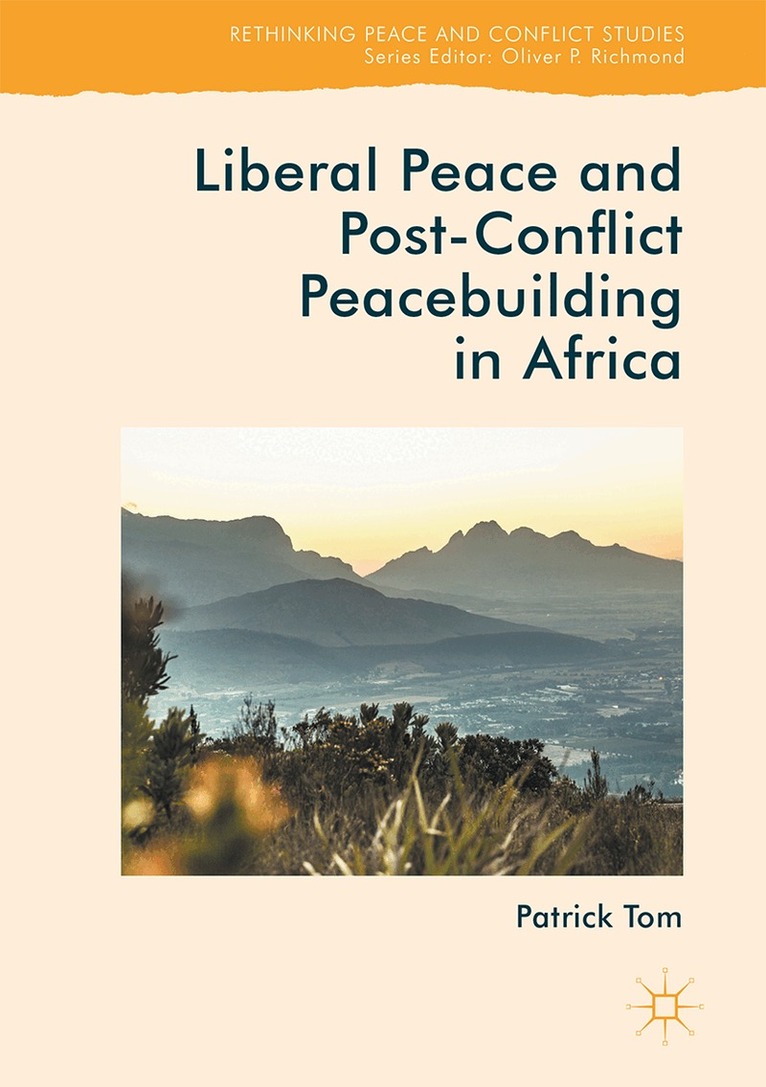
Liberal Peace and Post-Conflict Peacebuilding in Africa
Av Patrick Tom
Inbunden, 2017
1207 kr
Lägg i varukorg
The book makes theoretical and empirical contributions to recent debates on hybrid forms of peace and ‘post-liberal’ peace. In applying concepts of power, hybridity and resistance, and providing different kinds of hybridity and resistance to explore post-conflict peacebuilding in Sierra Leone, the …
Liberal Peace and Post-Conflict Peacebuilding in Africa
Av Patrick Tom
E-bok, 2017
1668 kr
Lägg i varukorg
The book makes theoretical and empirical contributions to recent debates on hybrid forms of peace and ‘post-liberal’ peace. In applying concepts of power, hybridity and resistance, and providing different kinds of hybridity and resistance to explore post-conflict peacebuilding in Sierra Leone, the …
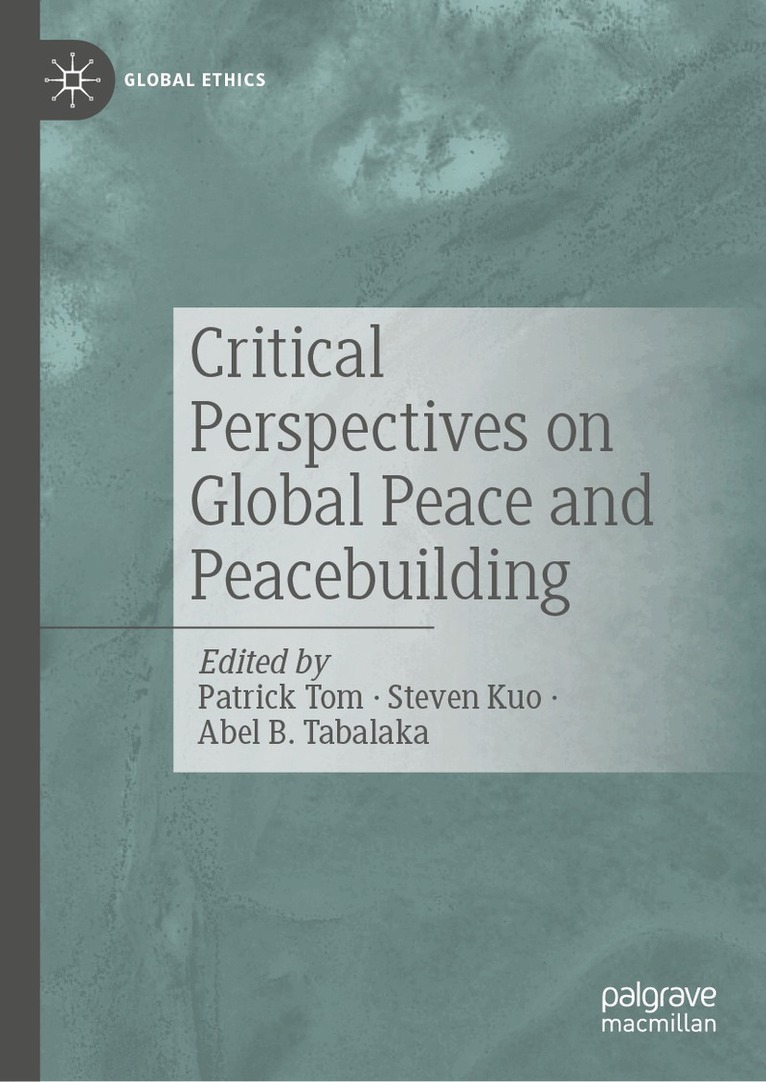
Critical Perspectives on Global Peace and Peacebuilding
Av Patrick Tom, Steven C.Y. Kuo m. fl.
Inbunden, 2026
1534 kr
Lägg i varukorg
This groundbreaking book challenges Western-centric approaches to peace and peacebuilding, offering diverse perspectives from across the globe. It reveals how peace is understood, negotiated, and sustained in varied contexts, moving beyond the limits of the liberal peace model, which links …
Critical Perspectives on Global Peace and Peacebuilding
Av Abel B. Tabalaka, Steven C.Y. Kuo m. fl.
E-bok, 2026
1948 kr
Lägg i varukorg
This groundbreaking book challenges Western-centric approaches to peace and peacebuilding, offering diverse perspectives from across the globe. It reveals how peace is understood, negotiated, and sustained in varied contexts, moving beyond the limits of the liberal peace model, which links …