Abel B. Tabalaka – författare
Visar alla böcker från författaren Abel B. Tabalaka. Handla med fri frakt och snabb leverans.
2 produkter
2 produkter
Inbunden, Engelska, 2026
1 524 kr
Skickas inom 10-15 vardagar
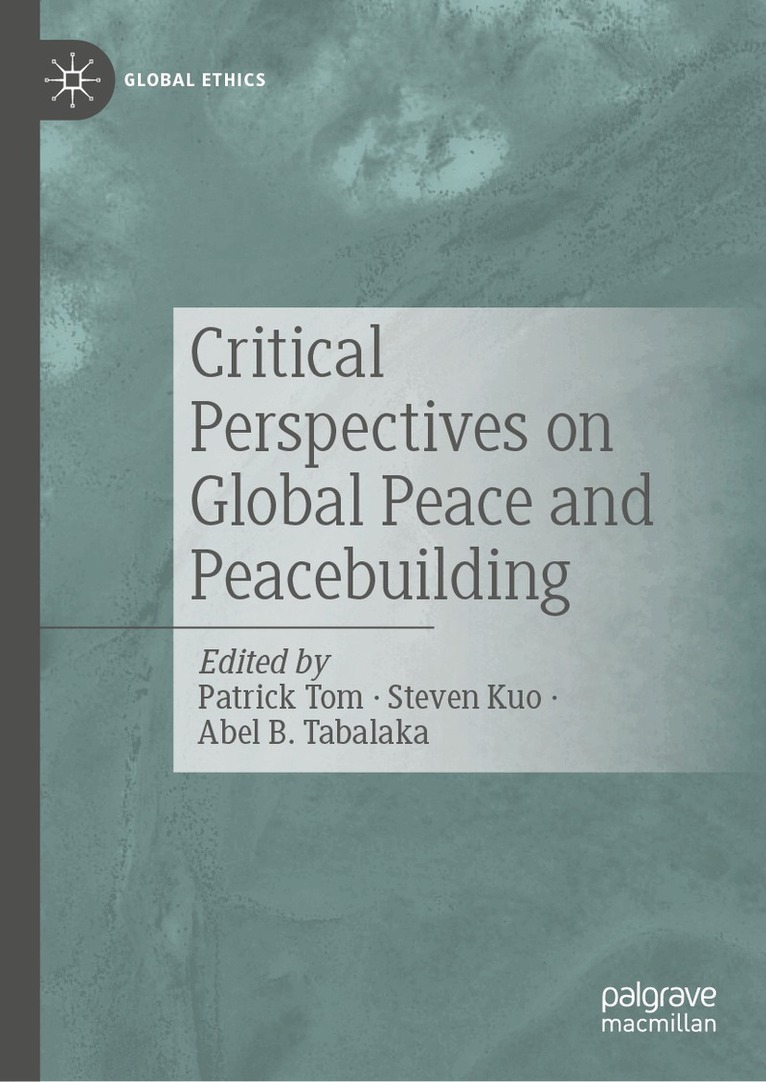
This groundbreaking book challenges Western-centric approaches to peace and peacebuilding, offering diverse perspectives from across the globe. It reveals how peace is understood, negotiated, and sustained in varied contexts, moving beyond the limits of the liberal peace model, which links stability to economic and political liberalization. Highlighting local experiences, indigenous knowledge, and inclusive engagement with marginalized communities, the book underscores the importance of context-specific approaches to building lasting peace. In an era of shifting geopolitics, as the world moves from a unipolar to a multipolar order, new actors and emerging donors are reshaping priorities and practices. These developments bring both opportunities and challenges, signaling transformative shifts in global peacebuilding norms. Through thought-provoking insights and region-focused analyses, the book invites readers to rethink established paradigms and embrace evolving, locally grounded visions of peace. It offers a compelling guide for scholars, practitioners, and anyone interested in the future of global stability.
E-bok
Engelska, 20261 825 kr
Läs direkt efter köp
This groundbreaking book challenges Western-centric approaches to peace and peacebuilding, offering diverse perspectives from across the globe. It reveals how peace is understood, negotiated, and sustained in varied contexts, moving beyond the limits of the liberal peace model, which links stability to economic and political liberalization. Highlighting local experiences, indigenous knowledge, and inclusive engagement with marginalized communities, the book underscores the importance of context-specific approaches to building lasting peace. In an era of shifting geopolitics, as the world moves from a unipolar to a multipolar order, new actors and emerging donors are reshaping priorities and practices. These developments bring both opportunities and challenges, signaling transformative shifts in global peacebuilding norms. Through thought-provoking insights and region-focused analyses, the book invites readers to rethink established paradigms and embrace evolving, locally grounded visions of peace. It offers a compelling guide for scholars, practitioners, and anyone interested in the future of global stability.