Stewart Burn – författare
Visar alla böcker från författaren Stewart Burn. Handla med fri frakt och snabb leverans.
4 produkter
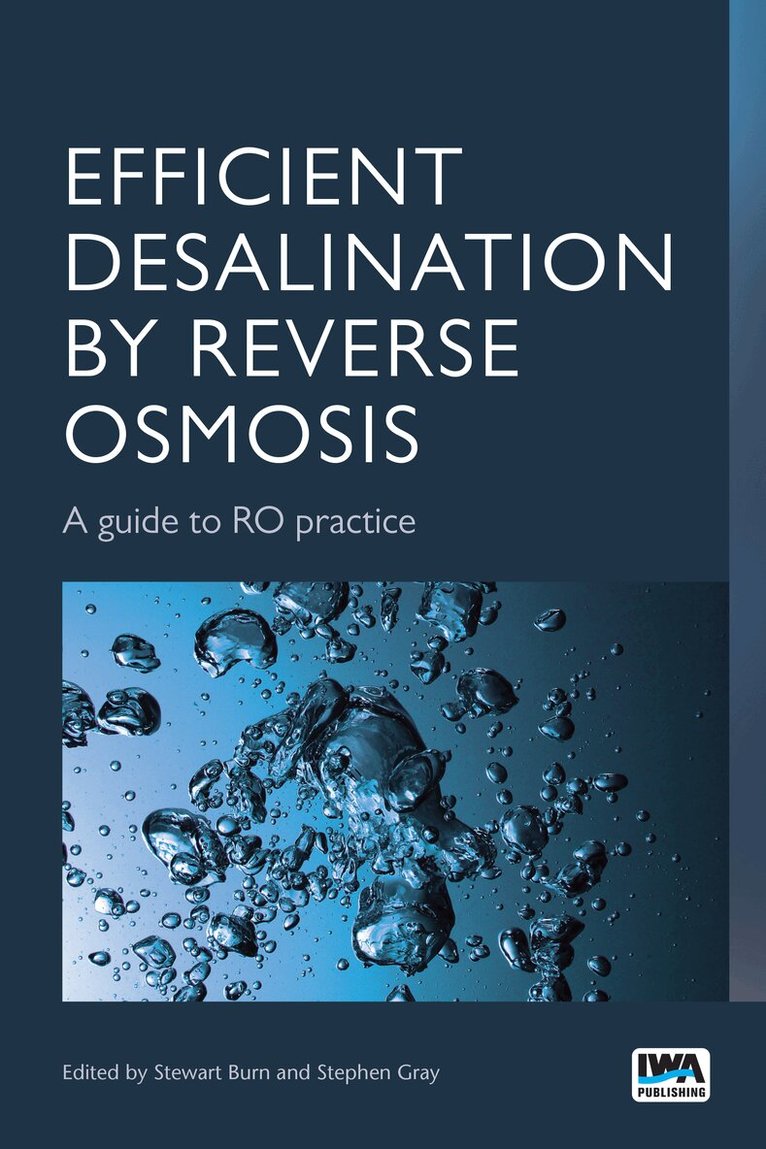
Efficient Desalination by Reverse Osmosis
A guide to RO practice
Häftad, 2015
2030 kr
Lägg i varukorg
Early applications of desalination were small-scale plants deploying a range of technologies. However with the technological developments in Reverse Osmosis, most new plants use this technology because it has a proven history of use and low energy and capital costs compared with other available …
Long-Term Performance Prediction for PE Pipes
Häftad, 2009
1675 kr
Lägg i varukorg
International experience indicates that PE often exhibits the lowest failure rate of all materials in use. Many failures are due to third-party damage or poor joint preparation rather than failure under normal service loading conditions. While low failure rates should also be expected in the United …
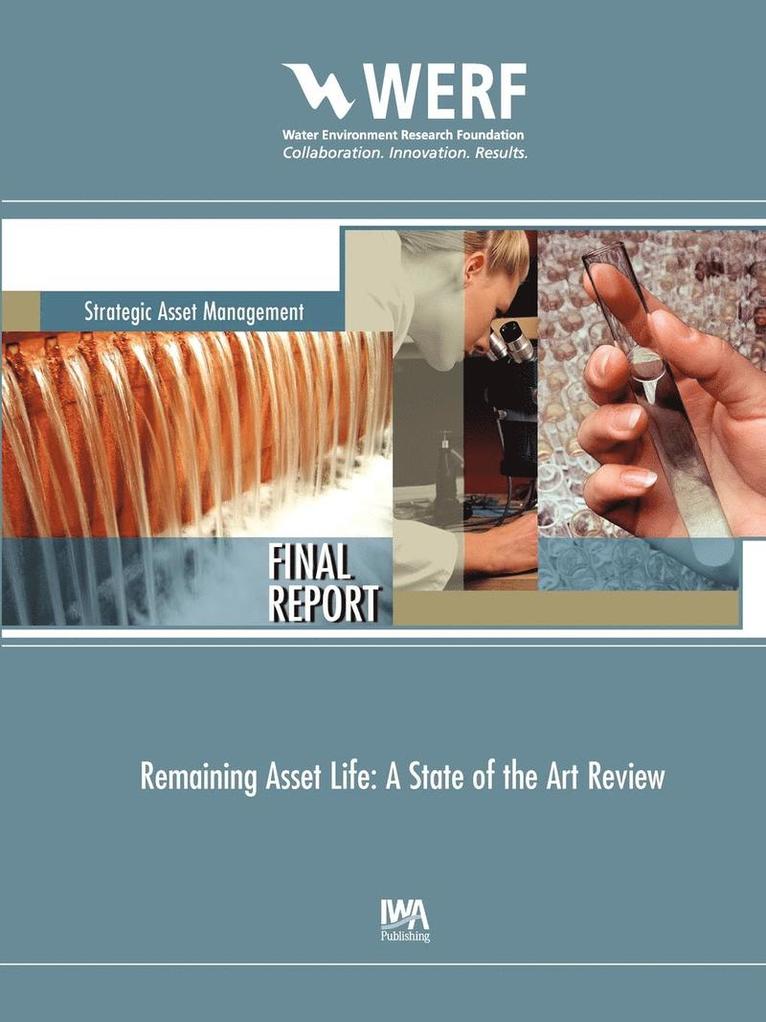
Remaining Asset Life
A State of the Art Review
Av David Marlow, Paul Davis m. fl.
Häftad, 2010
1885 kr
Lägg i varukorg
This report is an output of the fourth research track (Track 4) of WERF’s strategic asset management research program ‘Asset Management Communication and Implementation’ (SAM1R06). Track 4 addressed ‘remaining asset life’, and had the overall objective of contributing to the development of …
Long-Term Performance Prediction for PVC Pipes
Av Stewart Burn
Häftad, 2006
1639 kr
Lägg i varukorg
Since the late 1970s, polyvinyl chloride pipes have been used in a significant number of new water distribution systems in North America. While premature fracture failures have been reported for (unplasticized) PVC-U pipes worldwide, with good design and installation practice, current performance …