Stuart Hadaway – författare
Visar alla böcker från författaren Stuart Hadaway. Handla med fri frakt och snabb leverans.
12 produkter
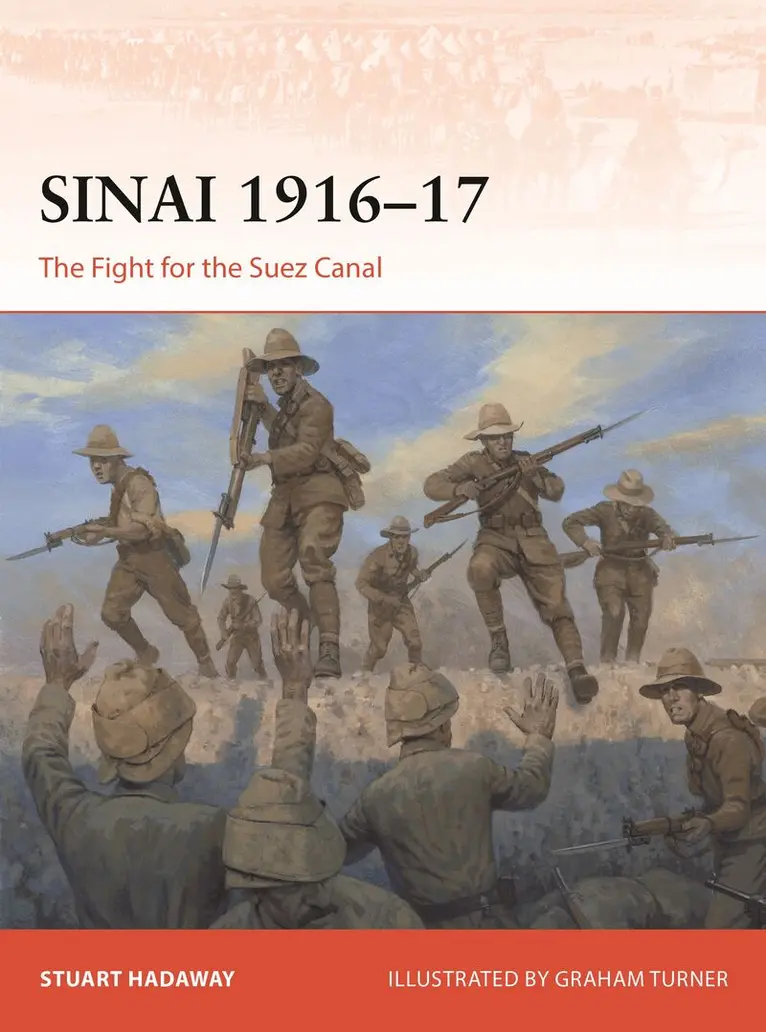
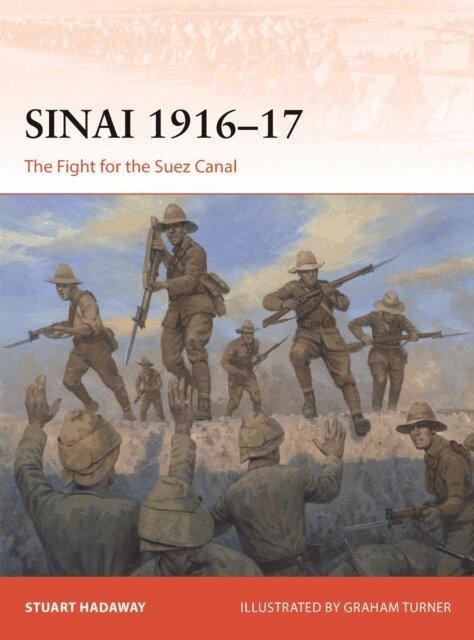
Sinai 1916–17
The Fight for the Suez Canal
Häftad, 2025
206 kr
Lägg i varukorg
A fascinating dive into the overlooked fight between the British Empire's Egyptian Expeditionary Force and the Ottoman Empire for control of the Suez Canal.The Battle of Romani was fought between Britain's Egyptian Expeditionary Force (EEF) and the Ottoman Empire's Sinai Expeditionary Force in the …
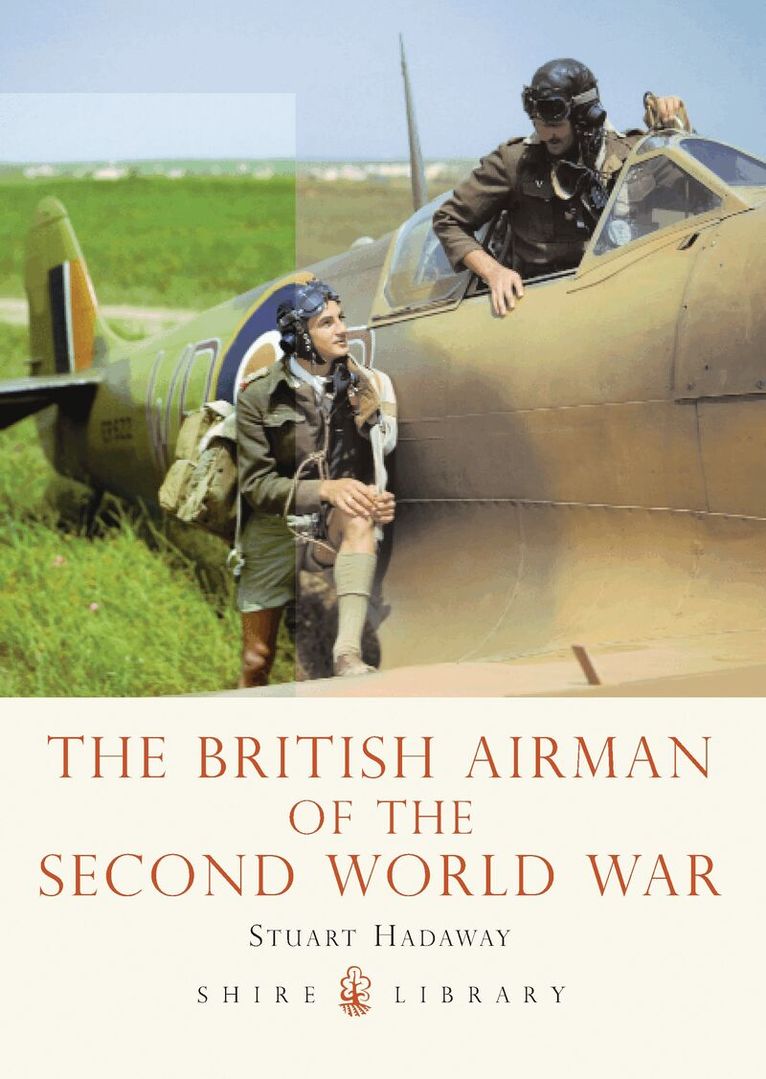
British Airman of the Second World War
Häftad, 2013
114 kr
Lägg i varukorg
British airmen experienced a wide range of conditions and challenges during the Second World War. They served in every corner of the globe, operating over oceans and deserts, jungles and cities.In this fully illustrated introduction, Stuart Hadaway examines the experiences of the young men who, as …
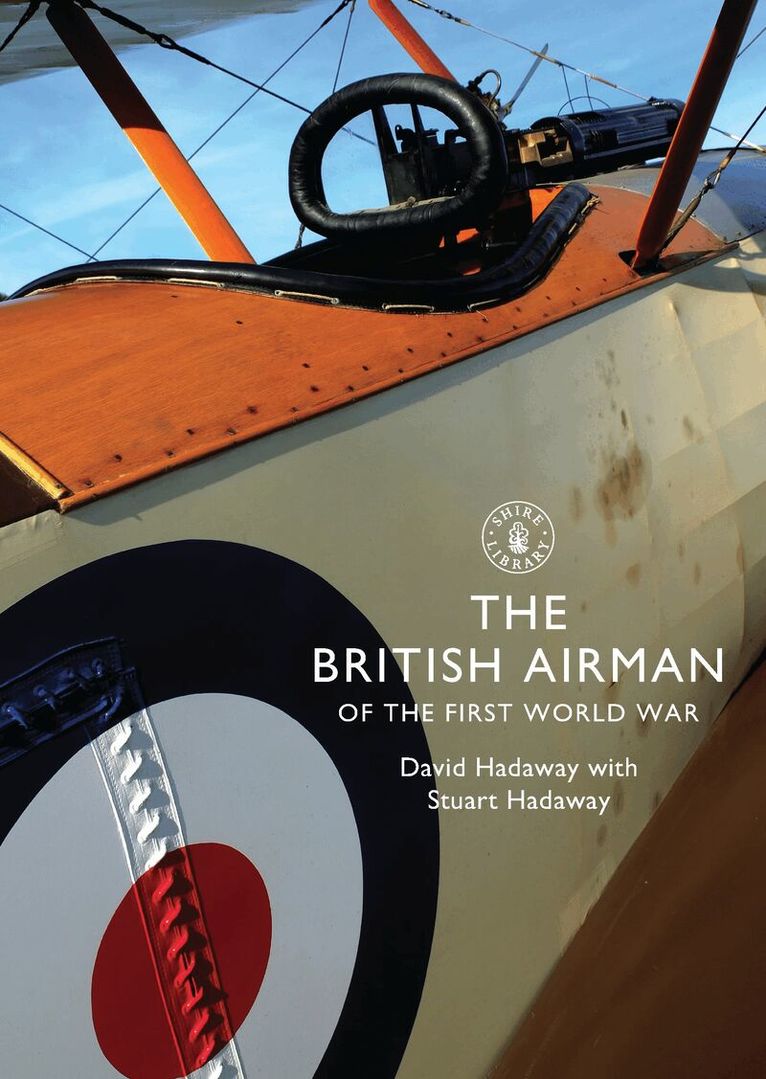
British Airman of the First World War
Av David Hadaway, Stuart Hadaway
Häftad, 2014
114 kr
Lägg i varukorg
An accessible introduction to the British airman of 1914–18: the first air war, fought by true pioneers not only of aerial combat but of flight itself.British pilots, observers and gunners played a vital part in the Allied war effort around the globe, from the desolation of the Western Front and …
Sinai 1916–17
The Fight for the Suez Canal
E-bok, 2025
243 kr
Lägg i varukorg
A fascinating dive into the overlooked fight between the British Empire''s Egyptian Expeditionary Force and the Ottoman Empire for control of the Suez Canal. The Battle of Romani was fought between Britain''s Egyptian Expeditionary Force (EEF) and the Ottoman Empire''s Sinai Expeditionary Force in …
Sinai 1916–17
The Fight for the Suez Canal
E-bok, 2025
238 kr
Lägg i varukorg
A fascinating dive into the overlooked fight between the British Empire''s Egyptian Expeditionary Force and the Ottoman Empire for control of the Suez Canal. The Battle of Romani was fought between Britain''s Egyptian Expeditionary Force (EEF) and the Ottoman Empire''s Sinai Expeditionary Force in …
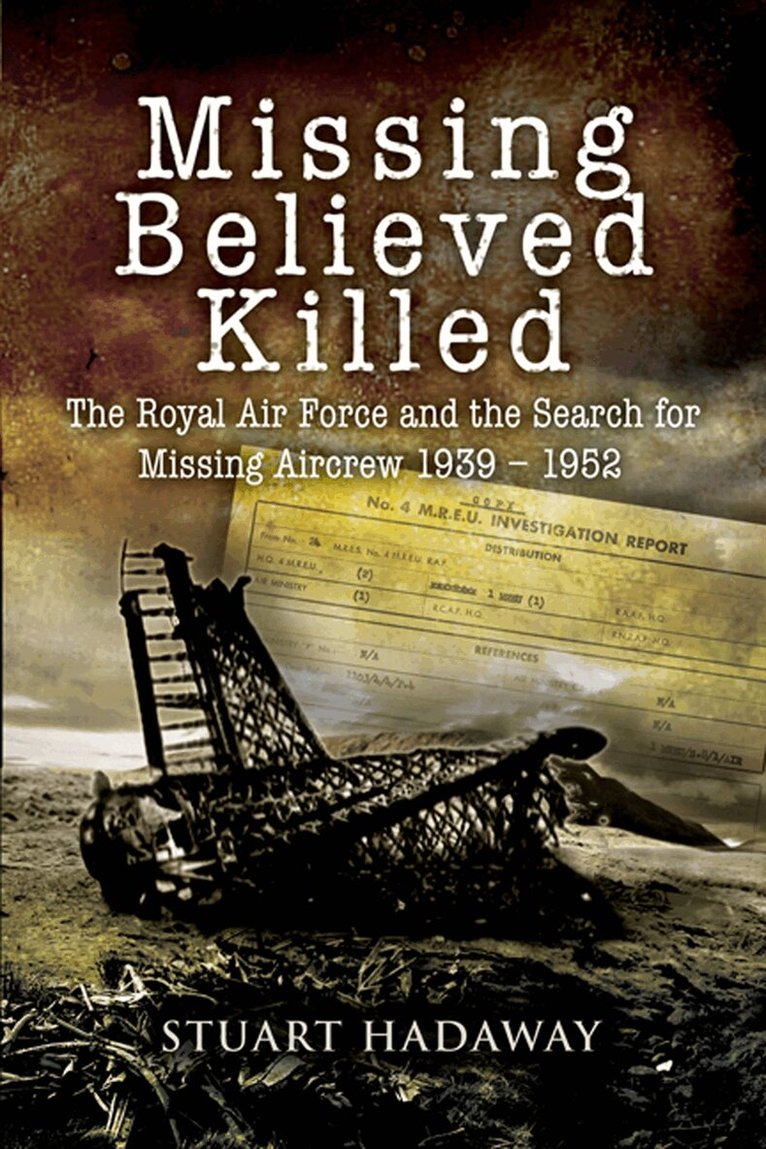
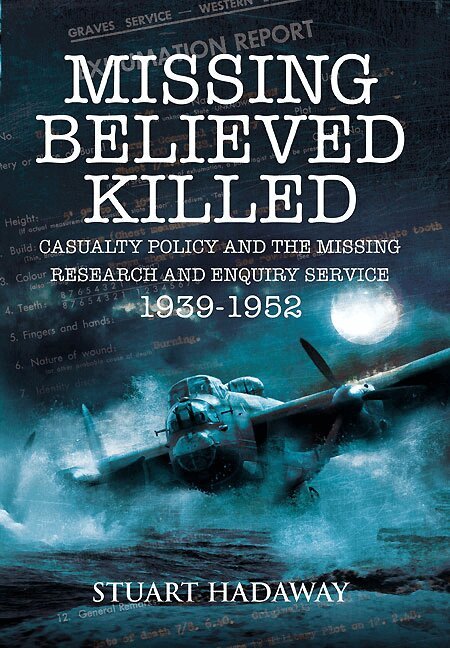
Missing Believed Killed
The Royal Air Force and the Search for Missing Aircrew 1939–1952
E-bok, 2021
130 kr
Lägg i varukorg
During the early years of WW2 it soon became apparent that the system for tracing the remains of R.A.F. aircrew deemed ‘Missing Believed Killed’ was totally inadequate. The Missing Research Section (M.R.S.) of the Air Ministry was set up in 1941 to deal with this problem. It collected and collated …
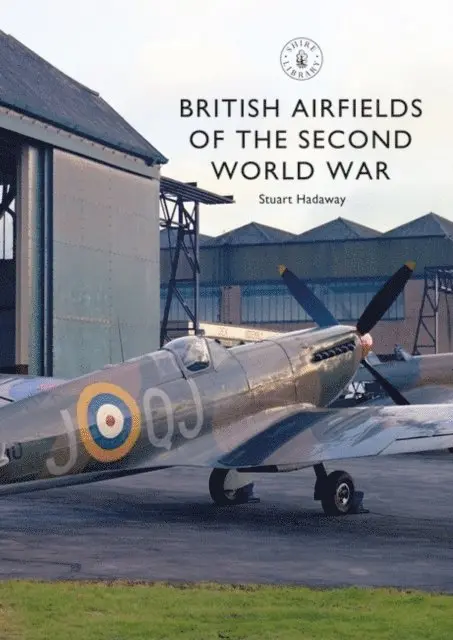
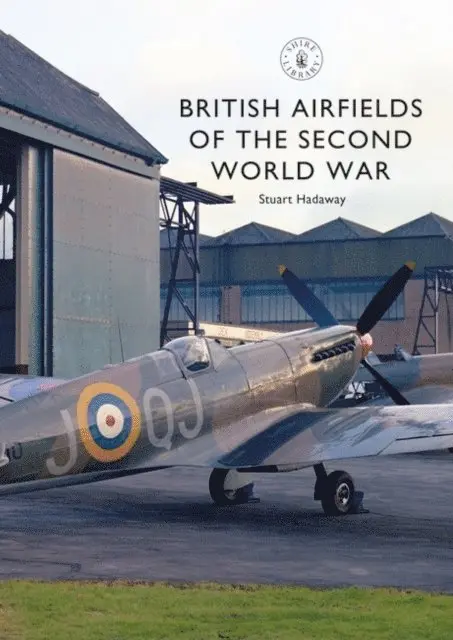
British Airfields of the Second World War
E-bok, 2020
114 kr
Lägg i varukorg
The Second World War airfields peppered around Britain are among the most visible and widespread reminders of this devastating conflict. Some are now almost forgotten or built over; others have become museums, industrial estates or parkland; and some have been adapted and remain in operation today. …
British Airfields of the Second World War
Häftad, 2020
112 kr
Lägg i varukorg
The Second World War airfields peppered around Britain are among the most visible and widespread reminders of this devastating conflict.Some are now almost forgotten or built over; others have become museums, industrial estates or parkland; and some have been adapted and remain in operation …
British Airfields of the Second World War
E-bok, 2020
114 kr
Lägg i varukorg
The Second World War airfields peppered around Britain are among the most visible and widespread reminders of this devastating conflict. Some are now almost forgotten or built over; others have become museums, industrial estates or parkland; and some have been adapted and remain in operation today. …
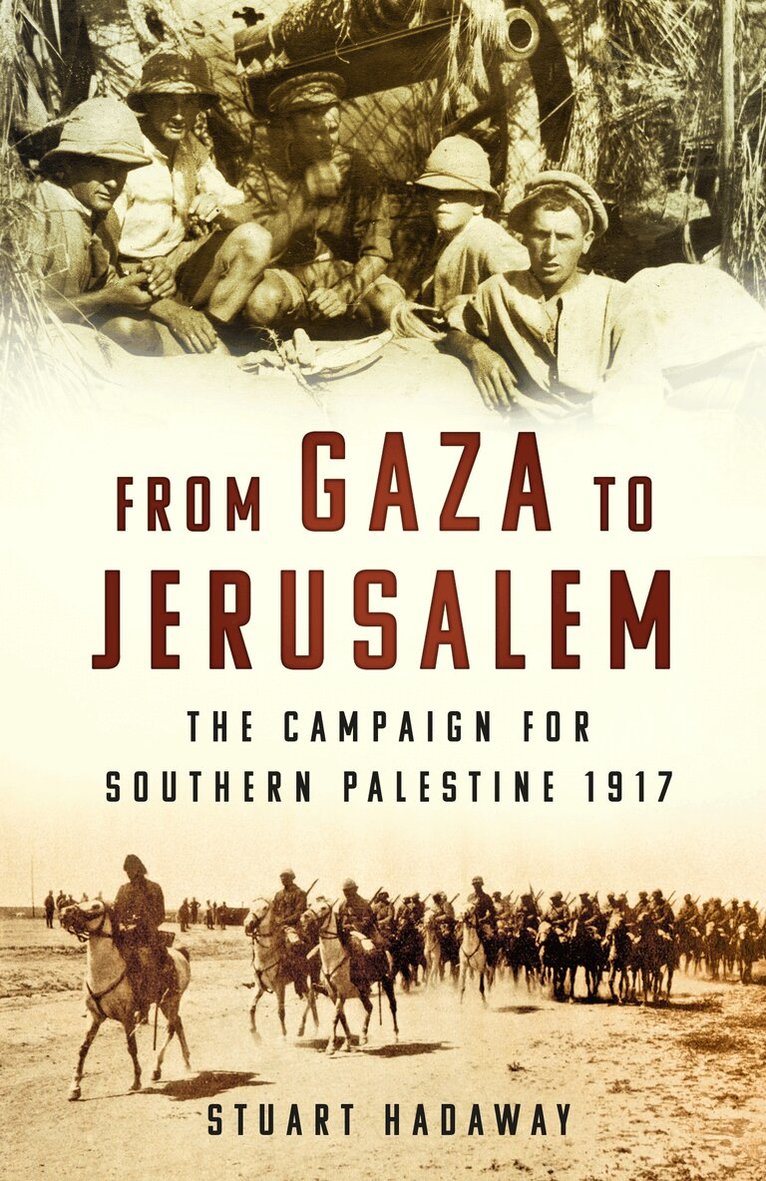
From Gaza to Jerusalem
The Campaign for Southern Palestine 1917
Häftad, 2023
212 kr
Lägg i varukorg
The Palestine campaign of 1917 saw Britain’s armed forces rise from defeat to achieve stunning victory. After two failed attempts in the spring, at the end of the year they broke through the Ottoman line with an innovative mixture of old and new technology and tactics, and managed to advance over …
Missing Believed Killed: Casualty Policy and the Missing Research and Enquiry Service 1939-1952
Häftad, 2012
236 kr
Lägg i varukorg
During the early years of World War Two it soon became apparent that the system for tracing the whereabouts of the remains of RAF aircrew deemed 'Missing Believed Killed' was totally inadequate. The Missing Research Section (MRS) of the Air Ministry was set up in late 1941 to deal with this …
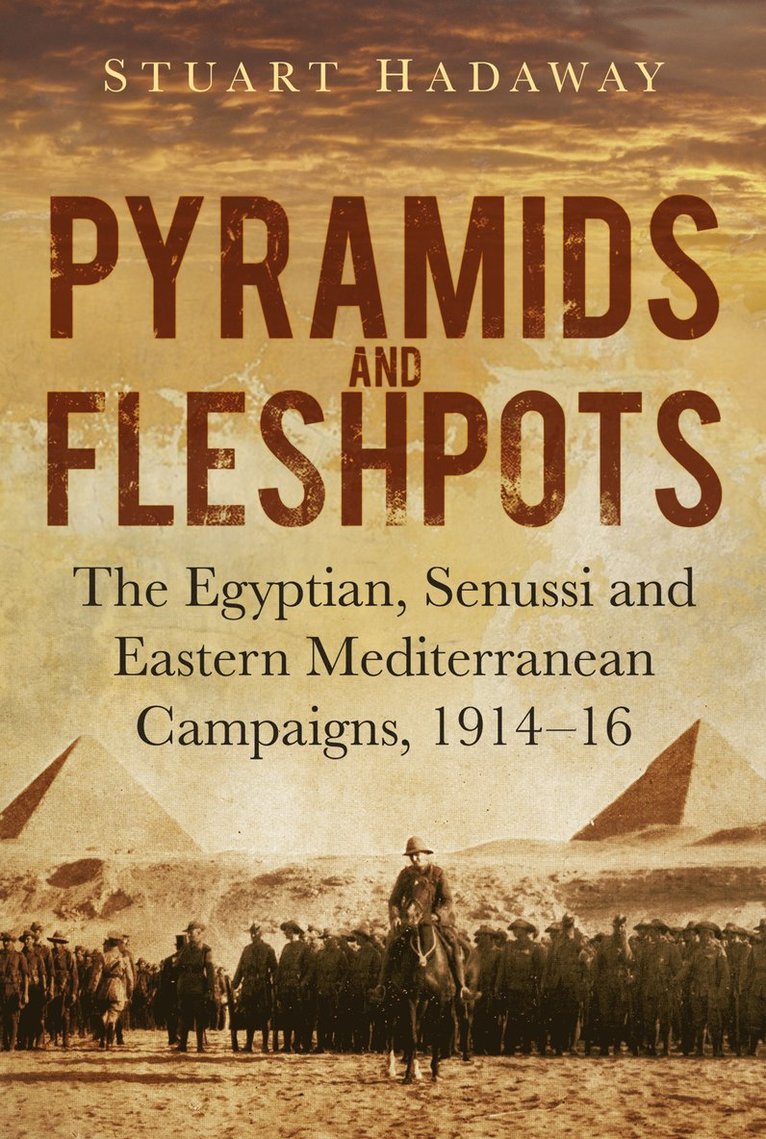
Pyramids and Fleshpots
The Egyptian, Senussi and Eastern Mediterranean Campaigns, 1914-16
Inbunden, 2014
219 kr
Tillfälligt slut
Pyramids and Fleshpots tells the true story of the experiences and achievements of British military personnel serving in Egypt in the First World War fighting a determined enemy to protect the Suez Canal – the lifeline of the Empire. The popular impression that the campaigns were merely a sideshow, …