Subhash R. Lele – författare
Visar alla böcker från författaren Subhash R. Lele. Handla med fri frakt och snabb leverans.
6 produkter
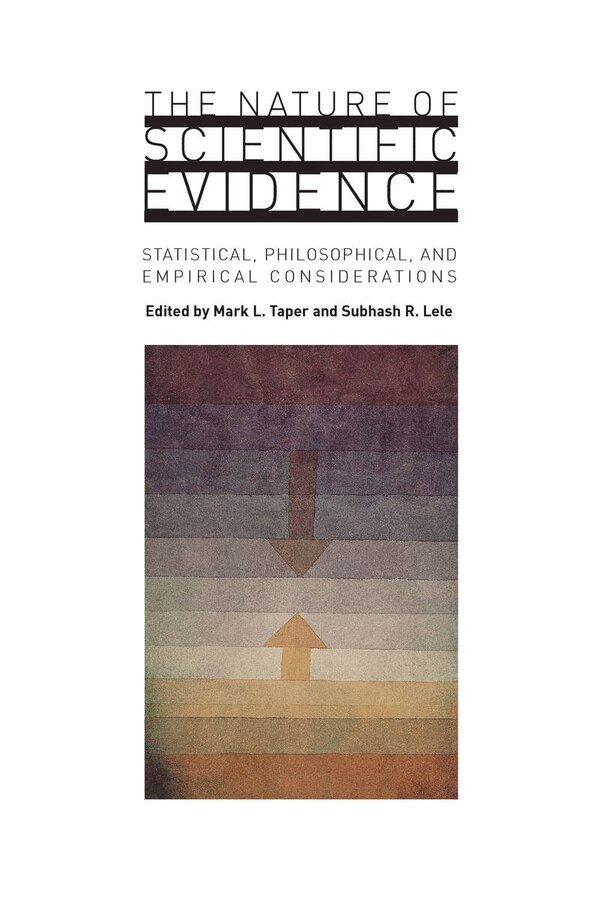
Nature of Scientific Evidence
Statistical, Philosophical, and Empirical Considerations
Av Mark L. Taper, Subhash R. Lele
Häftad, 2004
428 kr
Lägg i varukorg
An exploration of the statistical foundations of scientific inference, The Nature of Scientific Evidence asks what constitutes scientific evidence and whether scientific evidence can be quantified statistically. Mark Taper, Subhash Lele, and an esteemed group of contributors explore the …
Nature of Scientific Evidence
Statistical, Philosophical, and Empirical Considerations
Av Subhash R. Lele, Mark L. Taper
E-bok, 2010
928 kr
Lägg i varukorg
An exploration of the statistical foundations of scientific inference, The Nature of Scientific Evidence asks what constitutes scientific evidence and whether scientific evidence can be quantified statistically. Mark Taper, Subhash Lele, and an esteemed group of contributors explore the …
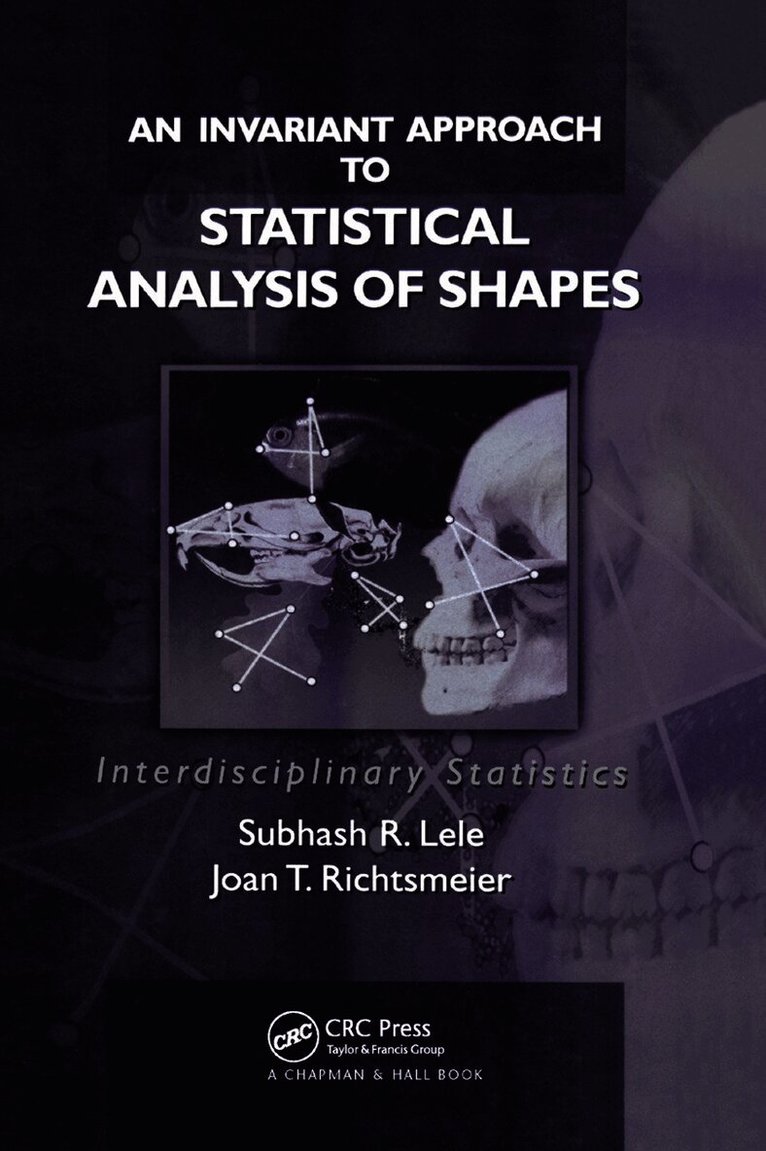
Invariant Approach to Statistical Analysis of Shapes
Av Subhash R. Lele, Joan T. Richtsmeier
Häftad, 2019
1041 kr
Lägg i varukorg
Natural scientists perceive and classify organisms primarily on the basis of their appearance and structure- their form , defined as that characteristic remaining invariant after translation, rotation, and possibly reflection of the object. The quantitative study of form and form change comprises …
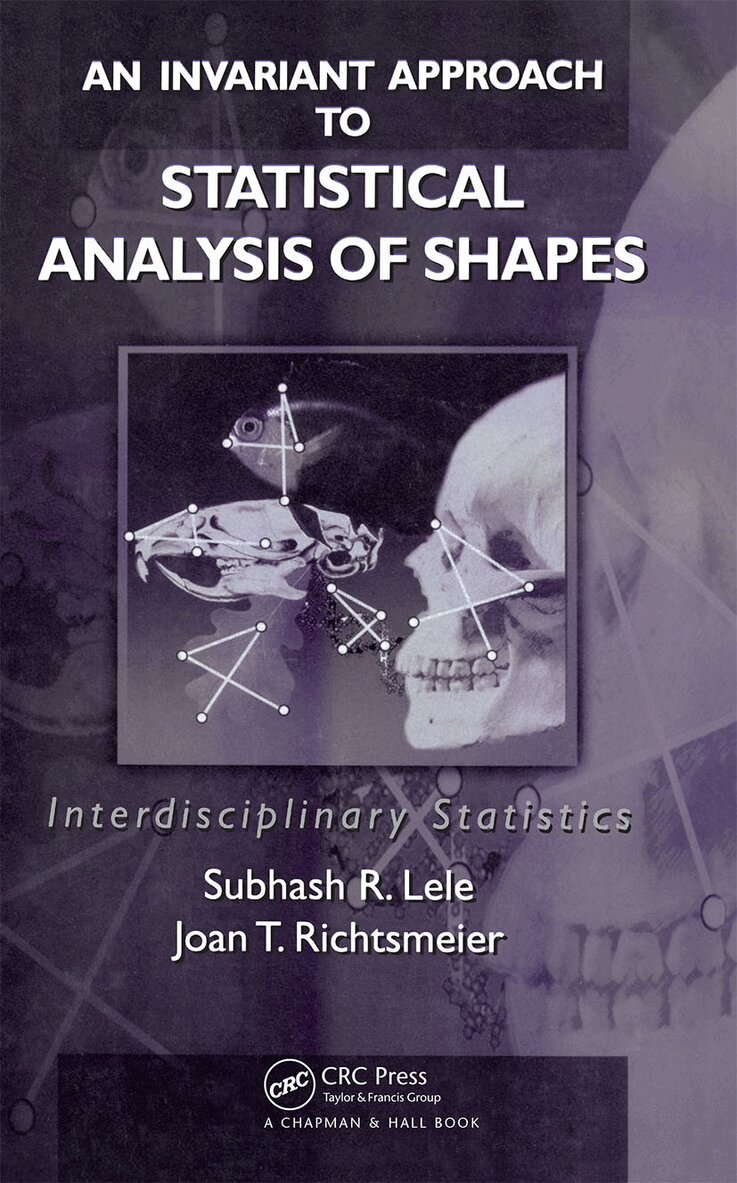
Invariant Approach to Statistical Analysis of Shapes
Av Subhash R. Lele, Joan T. Richtsmeier
Inbunden, 2001
2744 kr
Lägg i varukorg
Natural scientists perceive and classify organisms primarily on the basis of their appearance and structure- their form , defined as that characteristic remaining invariant after translation, rotation, and possibly reflection of the object. The quantitative study of form and form change comprises …
Invariant Approach to Statistical Analysis of Shapes
Av Joan T. Richtsmeier, Subhash R. Lele
E-bok, 2001
1230 kr
Lägg i varukorg
Natural scientists perceive and classify organisms primarily on the basis of their appearance and structure- their form , defined as that characteristic remaining invariant after translation, rotation, and possibly reflection of the object. The quantitative study of form and form change comprises …
Invariant Approach to Statistical Analysis of Shapes
Av Joan T. Richtsmeier, Subhash R. Lele
E-bok, 2001
1194 kr
Lägg i varukorg
Natural scientists perceive and classify organisms primarily on the basis of their appearance and structure- their form , defined as that characteristic remaining invariant after translation, rotation, and possibly reflection of the object. The quantitative study of form and form change comprises …