Sue Brunning - Böcker
Visar alla böcker från författaren Sue Brunning. Handla med fri frakt och snabb leverans.
4 produkter
4 produkter
651 kr
Skickas inom 3-6 vardagar
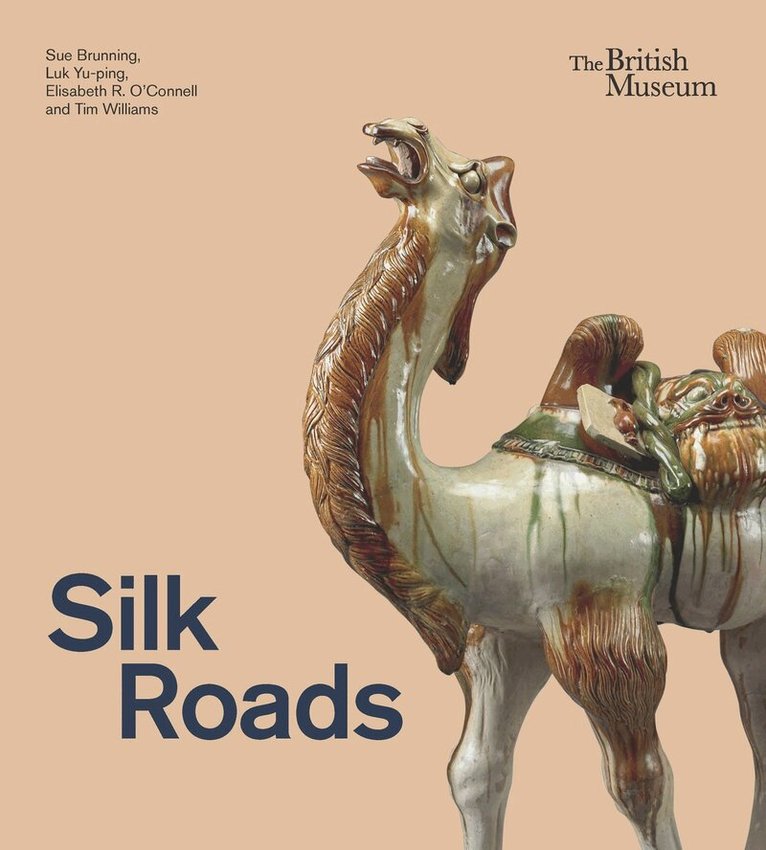
Explores how the movement of people, objects, and ideas from 500 to 1000 CE shaped cultures and historiesIn the ninth century CE, an Arabian ship sank off the coast of Indonesia. The objects found in the wreckage, which include Chinese ceramics and precious metals, have provided extraordinary evidence of the nature, scale, and diversity of trade between Tang China and the Islamic Abbasid dynasty. This is just one example of the sprawling and extensive networks of contacts and exchanges spanning Afro-Eurasia. This richly illustrated book challenges the concept of the "Silk Roads" as a simple history of trade between East and West. Focusing on a series of overlapping geographic zones and interspersed with case studies of particular peoples who were active along these networks—seafarers in the Indian Ocean, Sogdians, Vikings, Aksumites, and the peoples of al-Andalus—it reveals remarkable human stories, innovations, and the transfer of knowledge that emerged from these connections. The volume explores notable examples of contacts, connections, and integrations, while emphasizing the environmental and historical conditions that shaped them, featuring the latest scientific research. The dazzling range of objects includes a wooden panel with the story of the "silk princess" who smuggled the eggs of the silk moth from China; a lion sculpture from Jordan; a miniature wooden pagoda from Japan; wall paintings from the Hall of Ambassadors in Uzbekistan; a kaftan from the Caucasus region; an ivory cross from Spain; and a gold and garnet scabbard slide from the Sutton Hoo burial in Britain.
473 kr
Kommande
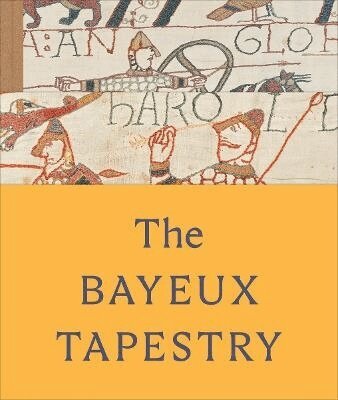
The Bayeux Tapestry is a unique historical artwork almost 70 metres long, which tells the story of the events leading to the Norman Conquest of England in 1066 by William, Duke of Normandy. Its account of the eleventh century in England and France is like no other, revealing details from civil and military architecture to armour, seafaring and everyday life. Featuring a full-colour reproduction of the Tapestry, this beautiful new book allows the reader to follow the narrative visually, while texts from international experts unpick the importance of the work in understanding this pivotal point in European history. The latest research into the Tapestry is presented across five chapters that explore its patronage, design and production, its status as an iconic work of art, and its depictions of daily life. Focused profiles woven throughout introduce key figures from the world of the Tapestry, offering moments of personal connection within the sweeping story. This publication marks the historic moment of the loan of the Tapestry to the British Museum, the first time it has been displayed outside of France in almost 1,000 years.
427 kr
Skickas inom 7-10 vardagar
‘Filled with insights, the very latest research and plenty of surprises: a superlative catalogue of one the most ambitious and spectacular exhibitions ever staged at the British Museum.’ – Peter Frankopan, author of The Silk Roads: A New History of the World ‘A sumptuous book…a book of the exotic and the wonderful, a trip to ancient and far-away lands, a book full of artistic and cultural treasures, a book to savour and enjoy.’ – Sacred Hoop magazine A richly illustrated publication that explores the networks of contacts and exchanges spanning Afro-Eurasia from 500 to 1000 ce, highlighting how the movement of people, objects and ideas shaped cultures and histories. The term ‘Silk Road’ conjures a range of romantic images. Camel caravans crossing desert dunes. Merchants trading silk and spices. Far-flung commerce between ‘East’ and ‘West’. The reality was far richer. Focusing on a defining period between 500 and 1000 CE, this beautifully illustrated book reimagines the Silk Roads as a web of interlocking networks linking Asia, Africa and Europe, from Japan to Ireland, from the Arctic to Madagascar. It tells a remarkable story of people, objects and ideas flowing in all directions, through the traces these journeys left behind – including ceramics from Tang China recovered from a shipwreck in the Java Sea, sword-fittings set with Indian garnets buried in England, and a selection of letters and legal texts from a synagogue in Cairo revealing a Jewish community’s links from India to al-Andalus. Woven throughout, encounters with various peoples active on the Silk Roads, from seafarers to Sogdians, Aksumites and Vikings, reveal the human stories, innovations and transfers of knowledge that emerged, shaping cultures and histories across continents centuries before the formation of today’s globalised world.
Del 36 - Anglo-Saxon Studies
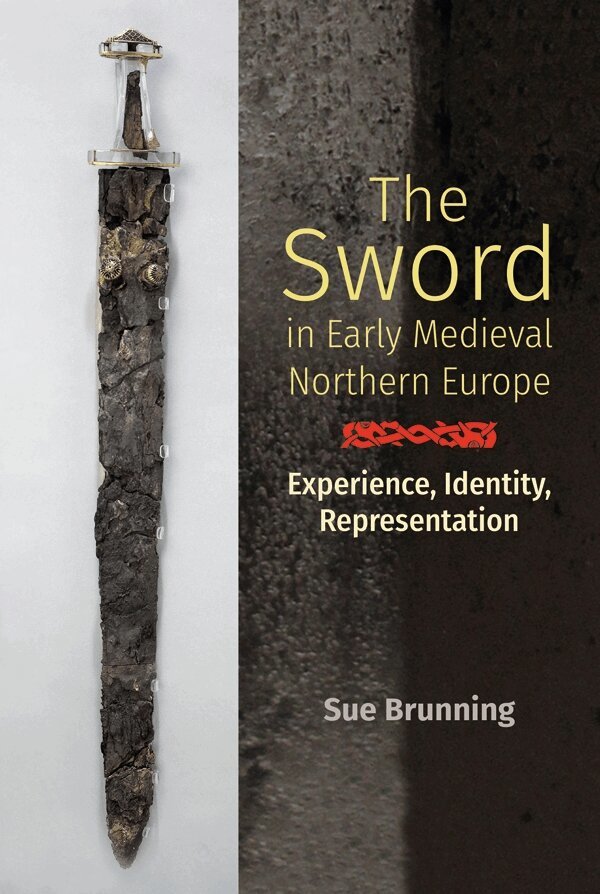
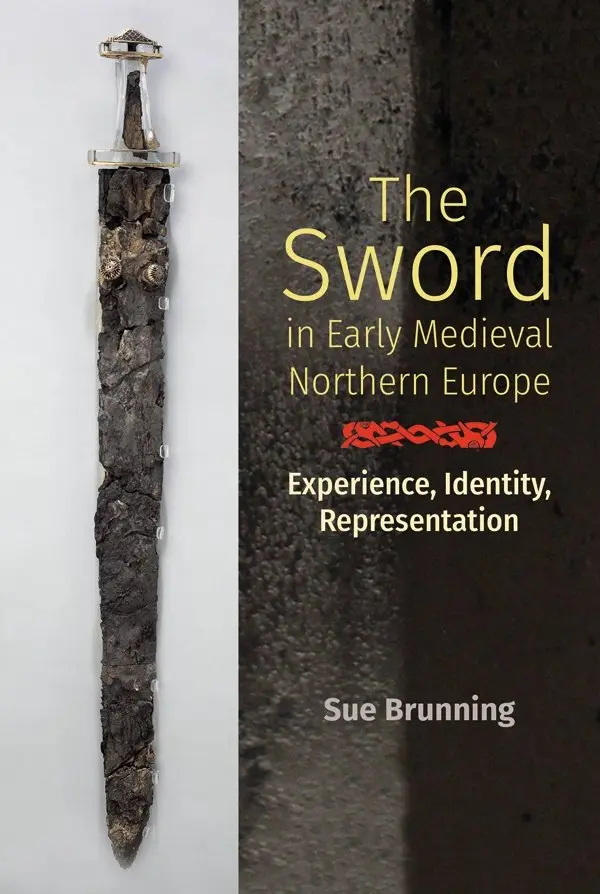
Sword in Early Medieval Northern Europe
Experience, Identity, Representation
Inbunden, Engelska, 2019
882 kr
Skickas inom 7-10 vardagar
A wide-ranging study of the significance of swords throughout the whole Anglo-Saxon period, offering valuable insights into the meaning of and attitude towards swords.Swords were special in Anglo-Saxon England. Their names, deeds and pedigrees were enshrined in writing. Many were curated for generations, revealed by their worn and mended condition. Few ended their lives as casual discards, placed instead in graves, hoards and watercourses as part of ritualised acts. Contemporary sources leave no doubt that complex social meanings surrounded these weapons, transcending their use on the battlefield; but they have yet to transcend the traditional view that their primary social function was as status symbols. Even now, half a century after the first major study of Anglo-Saxon swords, their wider significance within their world has yet to be fully articulated.This book sets out to meet the challenge. Eschewing modern value judgements, it focuses instead on contemporary perceptions - exploring how those who made, used and experienced swords really felt about them. It takes a multidisciplinary and holistic approach, bringing together insights from art, archaeology and literature. Comparison with Scandinavia adds further nuance, revealing what was (and was not) distinctive of Anglo-Saxon views of these weapons. Far from elite baubles, swords are revealed to have been dynamic "living" artefacts with their own identities, histories and places in social networks - ideas fuelled by their adaptability, durability and unique role in bloodshed.