Sue Edney – författare
Visar alla böcker från författaren Sue Edney. Handla med fri frakt och snabb leverans.
12 produkter
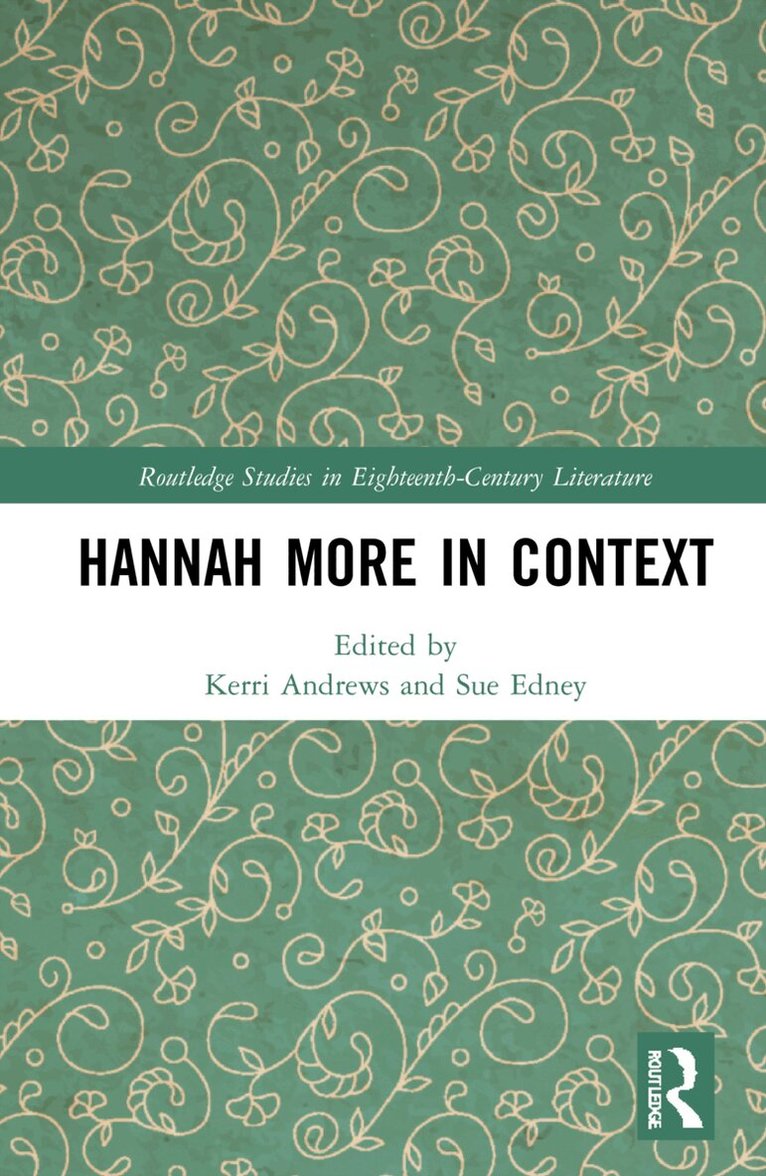
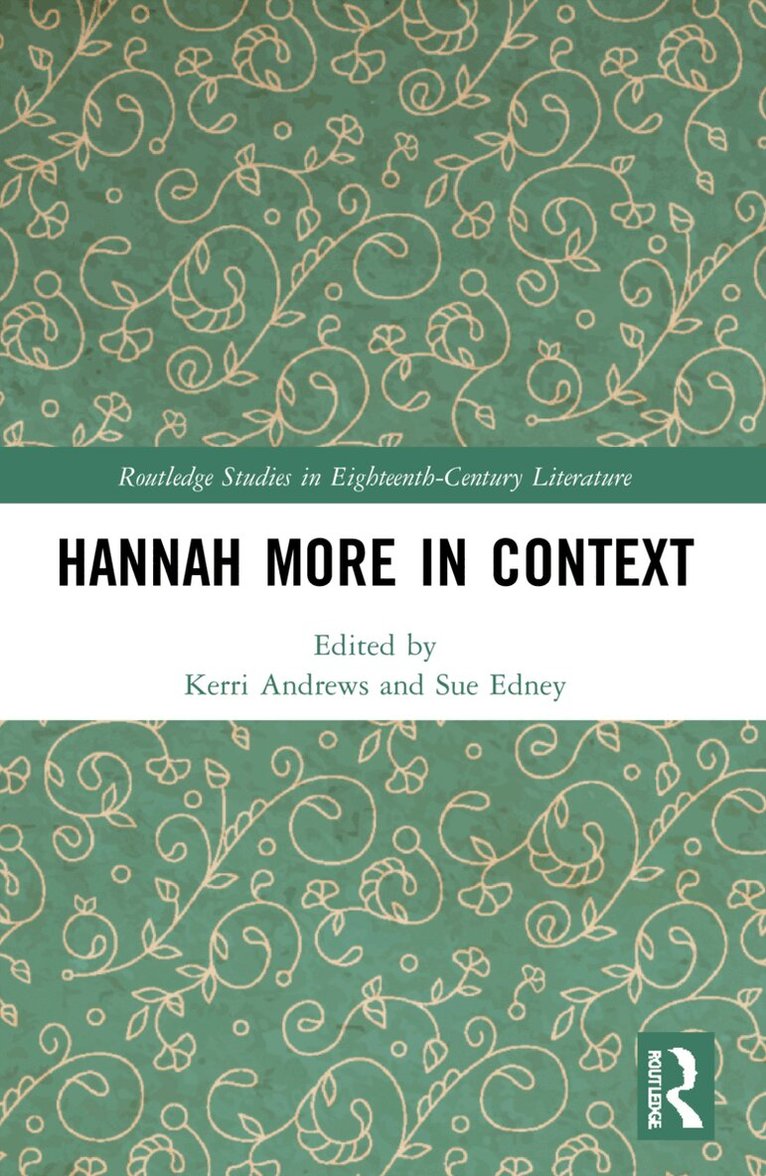
Hannah More in Context
Inbunden, 2022
2890 kr
Lägg i varukorg
This book relocates the long life and literary career of the poet, playwright, novelist, philanthropist and teacher Hannah More (1745-1833) in the wider social and cultural contexts that shaped her, and which she helped shape in turn. One of the most influential writers and campaigners of the late …
Hannah More in Context
E-bok, 2022
936 kr
Lägg i varukorg
This book relocates the long life and literary career of the poet, playwright, novelist, philanthropist and teacher Hannah More (1745-1833) in the wider social and cultural contexts that shaped her, and which she helped shape in turn. One of the most influential writers and campaigners of the late …
Hannah More in Context
E-bok, 2022
936 kr
Lägg i varukorg
This book relocates the long life and literary career of the poet, playwright, novelist, philanthropist and teacher Hannah More (1745-1833) in the wider social and cultural contexts that shaped her, and which she helped shape in turn. One of the most influential writers and campaigners of the late …
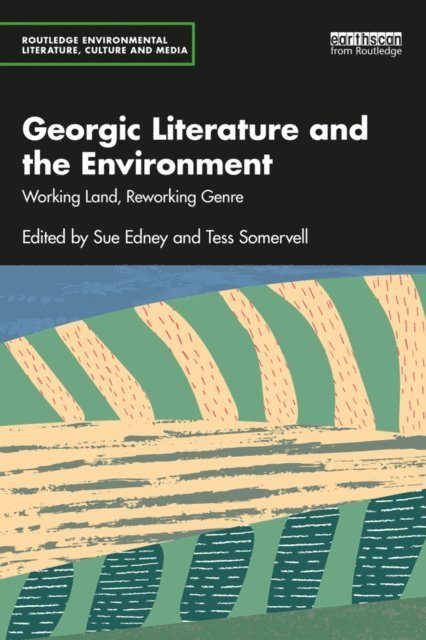
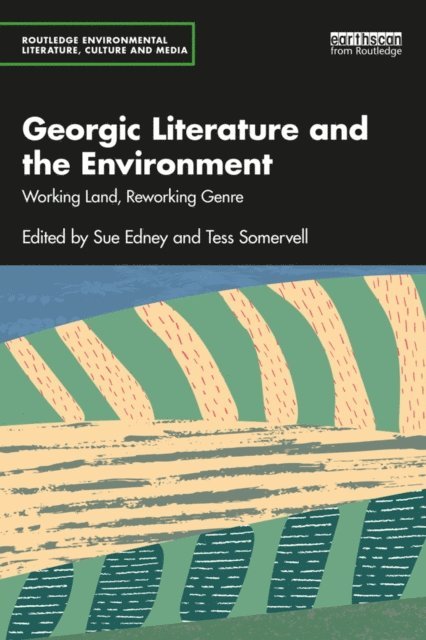
Georgic Literature and the Environment
Working Land, Reworking Genre
E-bok, 2022
817 kr
Lägg i varukorg
This expansive edited collection explores in depth the georgic genre and its connections to the natural world. Together, its chapters demonstrate that georgic—a genre based primarily on two classical poems about farming, Virgil’s Georgics and Hesiod’s Works and Days —has been reworked by writers …
Georgic Literature and the Environment
Working Land, Reworking Genre
E-bok, 2022
817 kr
Lägg i varukorg
This expansive edited collection explores in depth the georgic genre and its connections to the natural world. Together, its chapters demonstrate that georgic—a genre based primarily on two classical poems about farming, Virgil’s Georgics and Hesiod’s Works and Days —has been reworked by writers …
Georgic Literature and the Environment
Working Land, Reworking Genre
Inbunden, 2022
2451 kr
Lägg i varukorg
This expansive edited collection explores in depth the georgic genre and its connections to the natural world. Together, its chapters demonstrate that georgic—a genre based primarily on two classical poems about farming, Virgil’s Georgics and Hesiod’s Works and Days—has been reworked by writers …
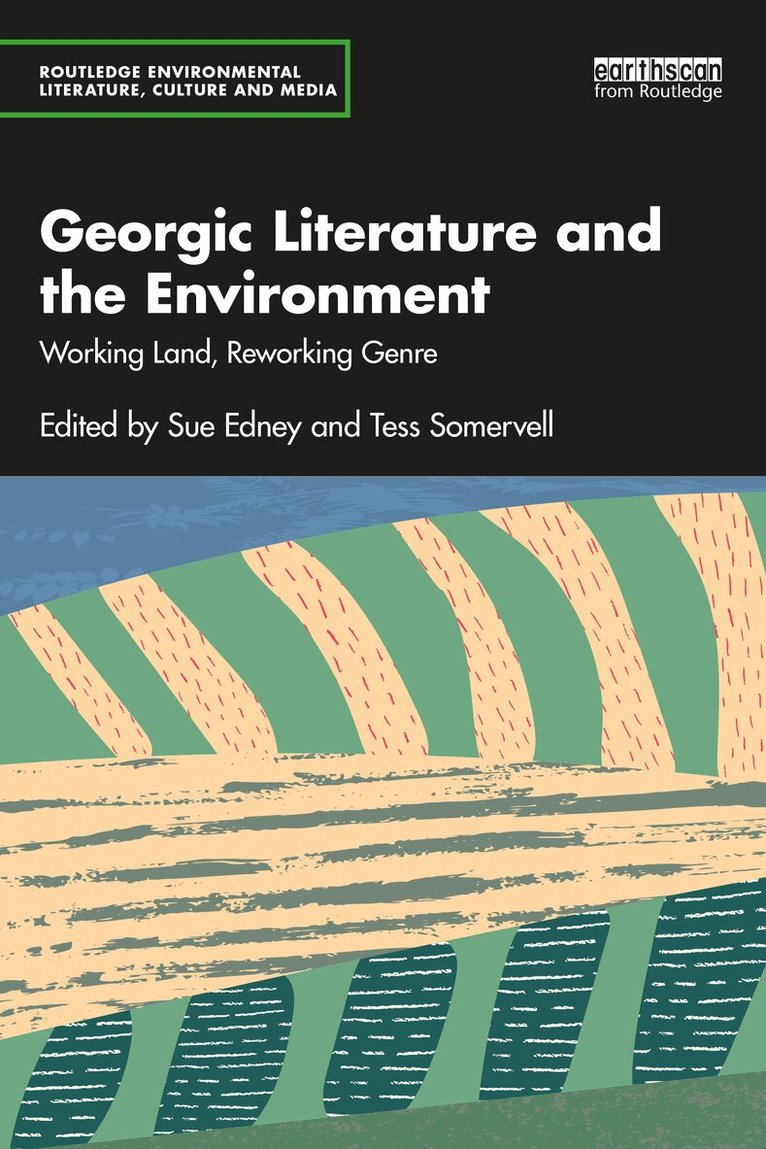
Georgic Literature and the Environment
Working Land, Reworking Genre
Häftad, 2022
694 kr
Lägg i varukorg
This expansive edited collection explores in depth the georgic genre and its connections to the natural world. Together, its chapters demonstrate that georgic—a genre based primarily on two classical poems about farming, Virgil’s Georgics and Hesiod’s Works and Days—has been reworked by writers …
Hannah More in Context
Häftad, 2023
795 kr
Lägg i varukorg
This book relocates the long life and literary career of the poet, playwright, novelist, philanthropist and teacher Hannah More (1745-1833) in the wider social and cultural contexts that shaped her, and which she helped shape in turn. One of the most influential writers and campaigners of the late …
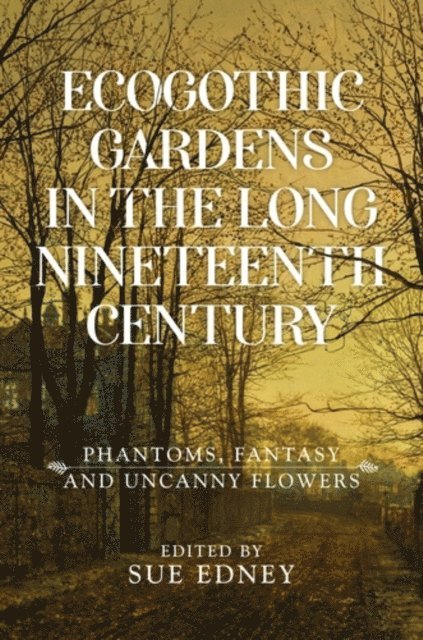
Ecogothic Gardens in the Long Nineteenth Century
Phantoms, Fantasy and Uncanny Flowers
Av Sue Edney
E-bok, 2020
328 kr
Lägg i varukorg
EcoGothic gardens in the long nineteenth century provides fresh approaches to contemporary ecocritical and environmental debates, providing new, compelling insights into material relationships between vegetal and human beings. Through twelve exciting essays, the collection demonstrates how unseen …
Ecogothic Gardens in the Long Nineteenth Century
Phantoms, Fantasy and Uncanny Flowers
Av Sue Edney
Inbunden, 2020
1381 kr
Lägg i varukorg
EcoGothic gardens in the long nineteenth century provides fresh approaches to contemporary ecocritical and environmental debates, providing new, compelling insights into material relationships between vegetal and human beings. Through eleven exciting essays, the collection demonstrates how unseen …
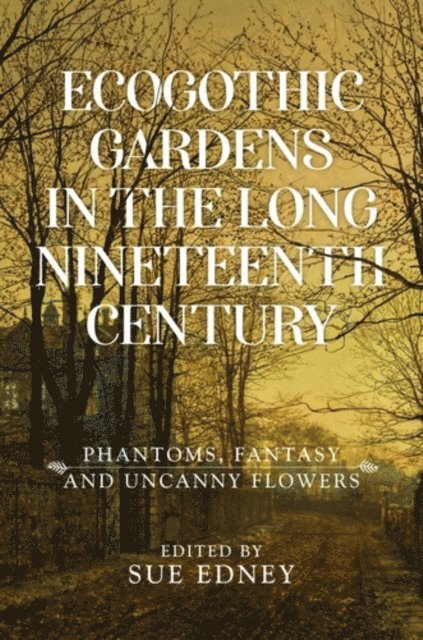
Ecogothic Gardens in the Long Nineteenth Century
Phantoms, Fantasy and Uncanny Flowers
Av Sue Edney
E-bok, 2020
328 kr
Lägg i varukorg
EcoGothic gardens in the long nineteenth century provides fresh approaches to contemporary ecocritical and environmental debates, providing new, compelling insights into material relationships between vegetal and human beings. Through twelve exciting essays, the collection demonstrates how unseen …
EcoGothic gardens in the long nineteenth century
Phantoms, fantasy and uncanny flowers
Av Sue Edney
Häftad, 2024
427 kr
Lägg i varukorg
EcoGothic gardens in the long nineteenth century provides fresh approaches to contemporary ecocritical and environmental debates, providing new, compelling insights into material relationships between vegetal and human beings. Through eleven exciting essays, the collection demonstrates how unseen …