Tess Somervell - Böcker
Visar alla böcker från författaren Tess Somervell. Handla med fri frakt och snabb leverans.
4 produkter
4 produkter
2 169 kr
Skickas inom 10-15 vardagar
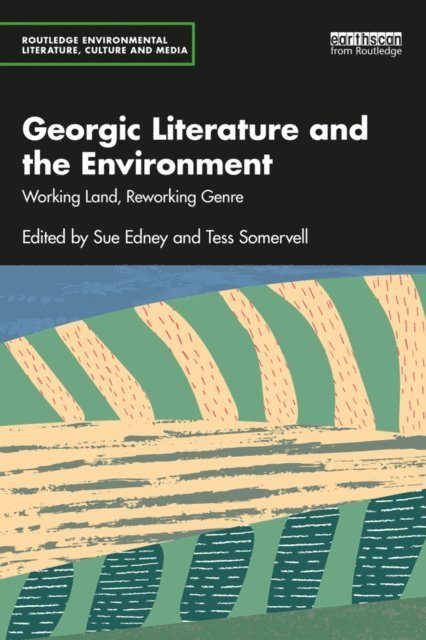
This expansive edited collection explores in depth the georgic genre and its connections to the natural world. Together, its chapters demonstrate that georgic—a genre based primarily on two classical poems about farming, Virgil’s Georgics and Hesiod’s Works and Days—has been reworked by writers throughout modern and early modern English-language literary history as a way of thinking about humans’ relationships with the environment.The book is divided into three sections: Defining Georgic, Managing Nature and Eco-Georgic for the Anthropocene. It centres the georgic genre in the ecocritical conversation, giving it equal prominence with pastoral, elegy and lyric as an example of ‘nature writing’ that can speak to urgent environmental questions throughout literary history and up to the present day. It provides an overview of the myriad ways georgic has been reworked in order to address human relationships with the environment, through focused case studies on individual texts and authors, including James Grainger, William Wordsworth, Henry David Thoreau, George Eliot, Thomas Hardy, Seamus Heaney, Judith Wright and Rachel Blau DuPlessis.This is a much-needed volume for literary critics, academics and students engaged in ecocritical studies, environmental humanities and literature, addressing a significantly overlooked environmental literary genre.
616 kr
Skickas inom 10-15 vardagar
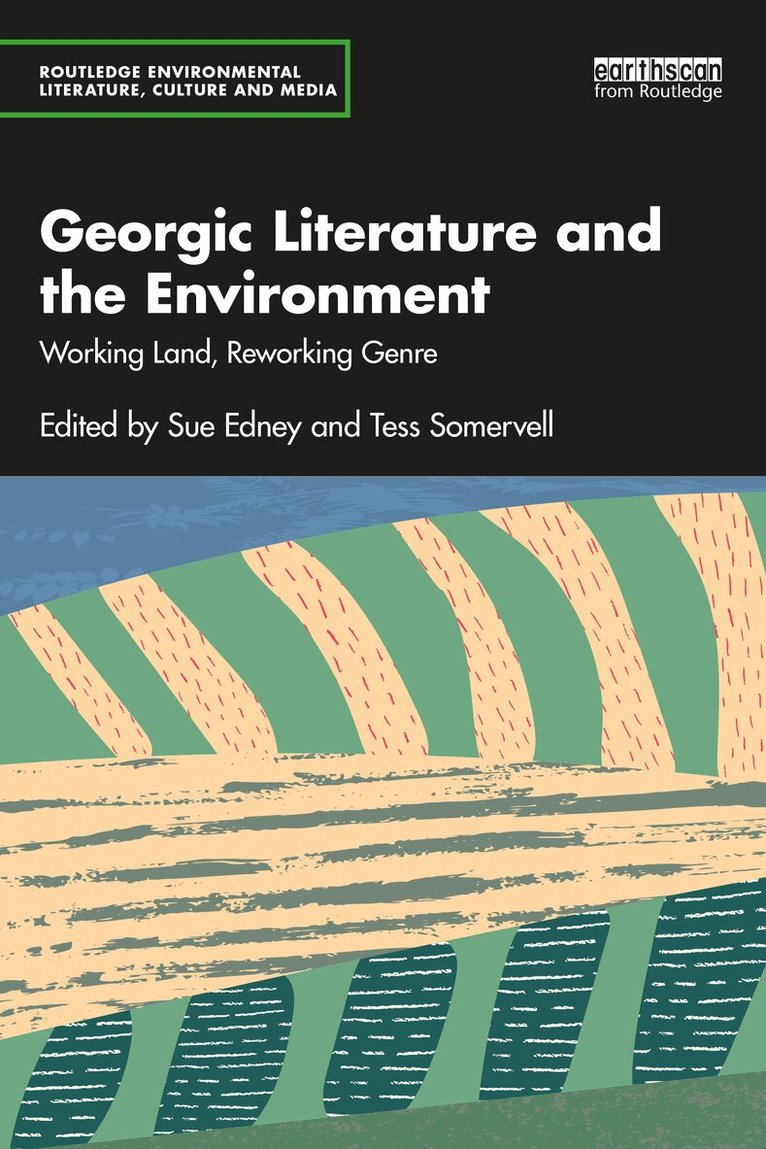
This expansive edited collection explores in depth the georgic genre and its connections to the natural world. Together, its chapters demonstrate that georgic—a genre based primarily on two classical poems about farming, Virgil’s Georgics and Hesiod’s Works and Days—has been reworked by writers throughout modern and early modern English-language literary history as a way of thinking about humans’ relationships with the environment.The book is divided into three sections: Defining Georgic, Managing Nature and Eco-Georgic for the Anthropocene. It centres the georgic genre in the ecocritical conversation, giving it equal prominence with pastoral, elegy and lyric as an example of ‘nature writing’ that can speak to urgent environmental questions throughout literary history and up to the present day. It provides an overview of the myriad ways georgic has been reworked in order to address human relationships with the environment, through focused case studies on individual texts and authors, including James Grainger, William Wordsworth, Henry David Thoreau, George Eliot, Thomas Hardy, Seamus Heaney, Judith Wright and Rachel Blau DuPlessis.This is a much-needed volume for literary critics, academics and students engaged in ecocritical studies, environmental humanities and literature, addressing a significantly overlooked environmental literary genre.
1 311 kr
Skickas inom 3-6 vardagar
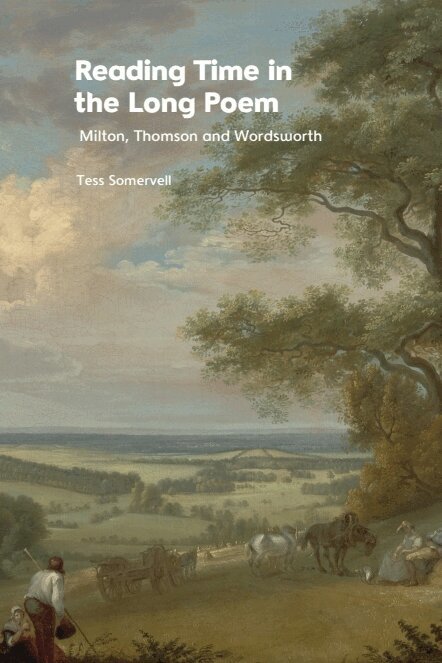
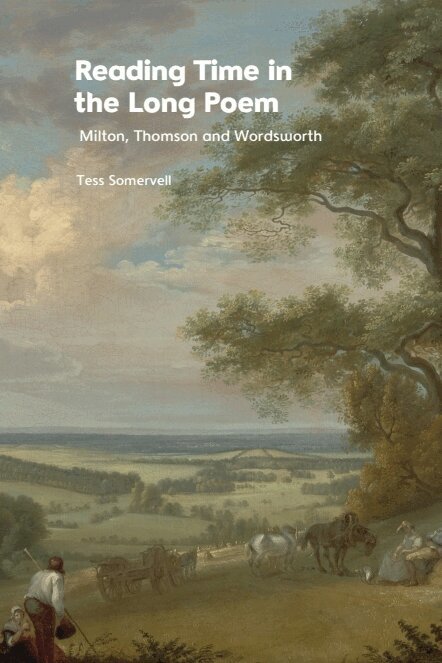
Reveals how long poems of the long eighteenth century articulate philosophies of time in both content and formProvides a new literary history of the long poem in English in the long eighteenth century, with incisive original readings of the representation of time in three important long poemsArgues for the usefulness of the 'long poem' as a critical category that includes genres such as georgic and the prospect poem, as well as epic and romanceDemonstrates a distinctive methodological approach, combining analyses of theme, structure, and narrative with reception history in order to approach the history of reading in a unique wayDevelops understanding of the Romantic reception of Milton by giving proper attention to the mediating role of eighteenth-century poetryReading Time tells the story of the long poem in the long eighteenth century as it navigated between narrative and description, progress and digression, and time and space. The long poem emerged, between 1660 and 1850, as a medium in which poets could shape and reshape time. Analysing Milton's Paradise Lost, Thomson's The Seasons and Wordsworth's The Prelude, this study reveals how these poets used both the content and form of their long poems to intervene in contemporary debates about the temporalities of free will, nature and identity. Reading Time argues that they use the figure of the prospect, the extended landscape, to imagine time as a space onto which different causal configurations could be mapped. In turn, readers have approached these poems as both temporal and spatial forms, as linear processes and as static structures, demonstrating how the long poem can shape a reader's own experience of time.
539 kr
Skickas inom 3-6 vardagar
Reading Time tells the story of the long poem in the long eighteenth century as it navigated between narrative and description, progress and digression, and time and space. The long poem emerged, between 1660 and 1850, as a medium in which poets could shape and reshape time. Analysing Milton's Paradise Lost, Thomson's The Seasons and Wordsworth's The Prelude, this study reveals how these poets used both the content and form of their long poems to intervene in contemporary debates about the temporalities of free will, nature and identity. Reading Time argues that they use the figure of the prospect, the extended landscape, to imagine time as a space onto which different causal configurations could be mapped. In turn, readers have approached these poems as both temporal and spatial forms, as linear processes and as static structures, demonstrating how the long poem can shape a reader's own experience of time.