Sunglim Kim - Böcker
Visar alla böcker från författaren Sunglim Kim. Handla med fri frakt och snabb leverans.
3 produkter
3 produkter
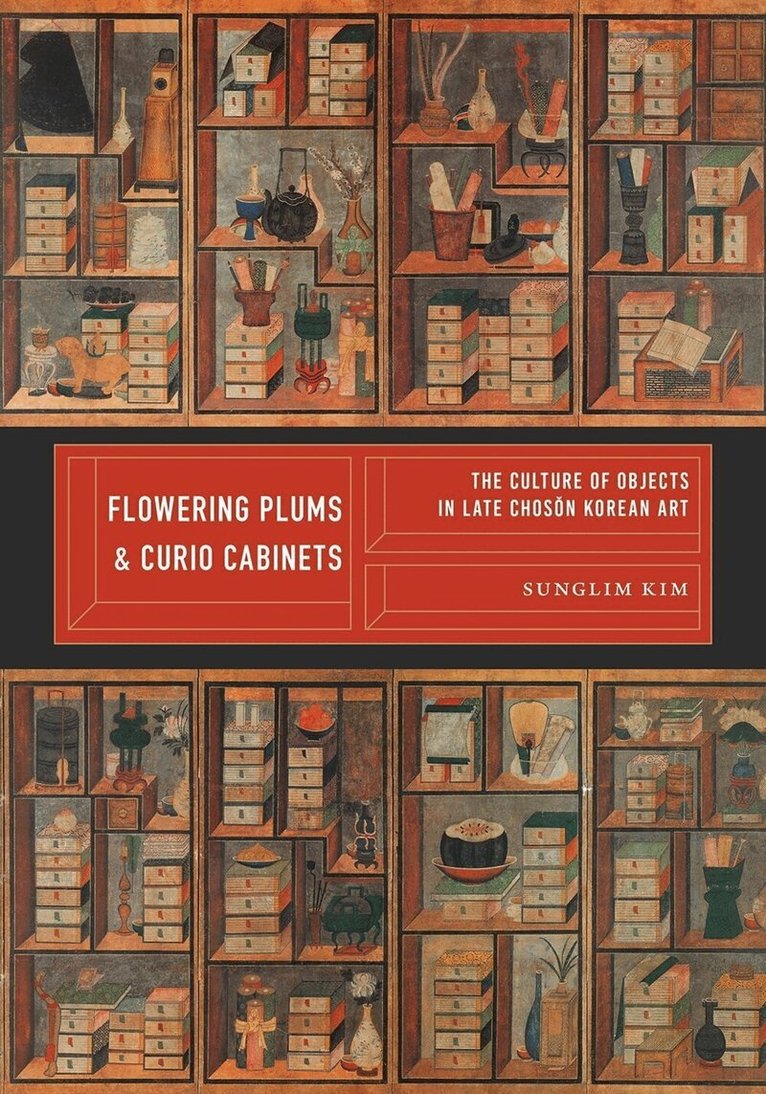
Flowering Plums and Curio Cabinets
The Culture of Objects in Late Chosŏn Korean Art
Inbunden, Engelska, 2018
1 237 kr
Skickas inom 7-10 vardagar
The social and economic rise of the chungin class (“middle people” who ranked between the yangban aristocracy and commoners) during the late Chosŏn period (1700–1910) ushered in a world of materialism and commodification of painting and other art objects. Generally overlooked in art history, the chungin contributed to a flourishing art market, especially for ch’aekkori, a new form of still life painting that experimented with Western perspective and illusionism, and a reimagined style of the traditional plum blossom painting genre.Sunglim Kim examines chungin artists and patronage of the visual arts, and their commercial transactions, artistic exchange with China and Japan, and historical writings on art. She also explores the key role of men of chungin background in preserving Korean art heritage in the tumultuous twentieth century, including the work of the modern Korean collector and historian O Se-ch’ang, who memorialized many chungin painters and calligraphers.Revealing a vivid picture of a complex art world,Flowering Plums and Curio Cabinets presents a major reconsideration of late Chosŏn society and its material culture. Lushly illustrated, it will appeal to scholars of Korea and East Asia, art history, visual culture, and social history.A William Sangki and Nanhee Min Hahn BookArt History Publication Initiative. For more information, visit http://arthistorypi.org/books/flowering-plums-and-curio-cabinets
1 010 kr
Tillfälligt slut
The first major exhibition in the United States of chaekgeori painting, including on view for the first time many screens from private collections and various Korean institutions.Chaekgeori explores the genre of Korean still-life painting known as chaekgeori (loosely translated as "books and things"). Encouraged and popularized by King Jeongjo (1752–1800, r. 1776–1800) as a political tool to promote societal conservatism against an influx of ideas from abroad, chaekgeori was one of the most enduring and prolific art forms of Korea's Joseon dynasty (1392–1910). It depicts books and other material commodities as symbolic embodiments of knowledge, power, and social reform.Chaekgeori has maintained its popularity in Korea for more than two centuries, and remains a force in Korean art to this day. No other genre or medium in the entirety of Korean art, including both court and folk paintings, has so engaged and documented the image of books and collectable commodities and their place in an ever-evolving Korean society. When it transitioned into folk-style painting, unexpected and creative visual elements emerged. Folk versions of chaekgeori from the eighteenth and nineteenth centuries often show an exquisite fusion of Korean and Western composition that feels modern to our contemporary eyes. Not only books but many other commodities are depicted to represent the commoner's desire for higher social status, wealth, and knowledge.The first large-scale traveling exhibition of its kind to be published, The Power and Pleasure of Possessions in Korean Painted Screens is being presented at the Charles B. Wang Center, Stony Brook University (September 29, 2016–December 23, 2016), at the Spencer Museum of Art, University of Kansas (April 15, 2017–June 11, 2017), and at the Cleveland Museum of Art (August 5, 2017–November 5, 2017). This exhibition is made possible by generous grants from the Korea Foundation and the Gallery Hyundai.
988 kr
Skickas inom 7-10 vardagar
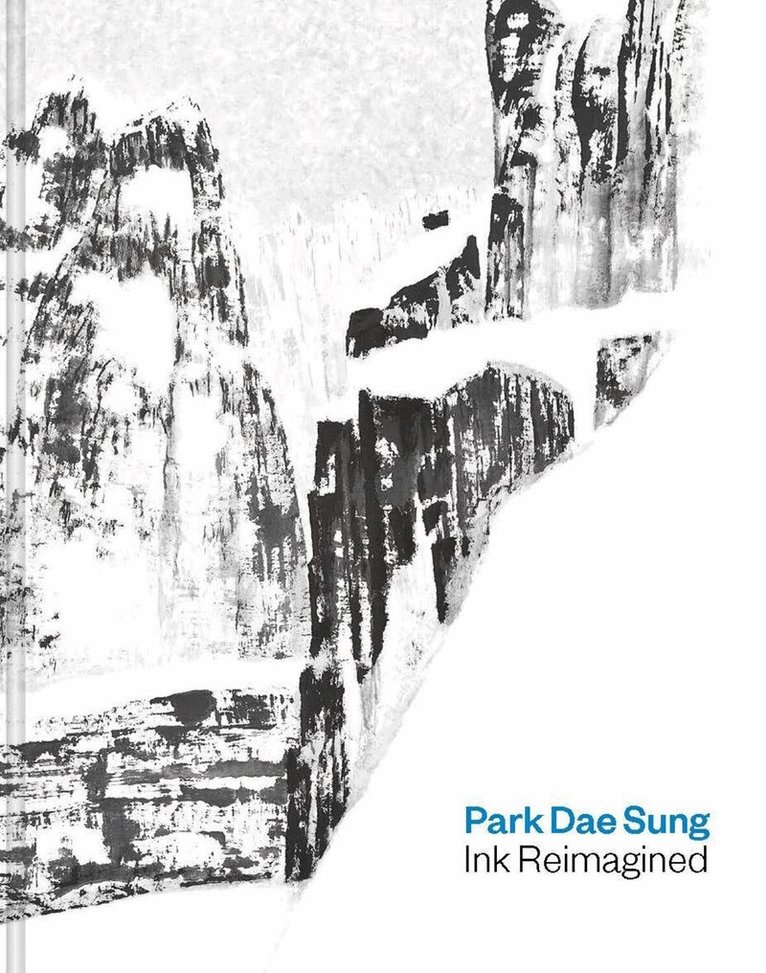
Contemporary Korean artist Park Dae Sung (b. 1945) works in the traditional medium of ink painting while transforming familiar Korean landscapes with his modern and imaginative interpretations of the natural world. Park, who lost his left arm and both parents at the age of five and is entirely self-taught, has said, “Nature is my teacher.” He devoted sixty years to mastering traditional brush and ink techniques and established his own innovative landscape style, broadening his knowledge through extensive global travel and endless practice. His visually striking paintings are gigantic in size yet contain an aesthetic sensibility.Ink Reimagined illuminates the artist’s paintings through 150 full-color images, an interview with Park, and six scholarly essays exploring his diverse subjects, such as calligraphy, landscape, animals, and still life. In addition to telling the artist’s remarkable life story, the contributors trace the rich history of Korean ink painting from the 1950s to today. This book will enlighten Western readers, deepen the understanding of Park’s modernized style of Korean ink painting, and inspire interest in the long tradition of East Asian ink painting, as well as contemporary Korean art and culture.Exhibition dates: Los Angeles County Museum of Art, July 11, 2022; The Center for Government and International Studies at Harvard University, September 15, 2022–December 8, 2022; Hood Museum of Art at Dartmouth College, September 24, 2022–March 19, 2023; Charles B. Wang Center at Stony Brook University, September 14–December 10, 2023; Ridderhof Martin Gallery and duPont Gallery at the University of Mary Washington, October 26–December 10, 2023