Clark W. Sorensen – författare
Visar alla böcker från författaren Clark W. Sorensen. Handla med fri frakt och snabb leverans.
18 produkter
18 produkter
Inbunden, Engelska, 2018
1 257 kr
Skickas inom 5-8 vardagar
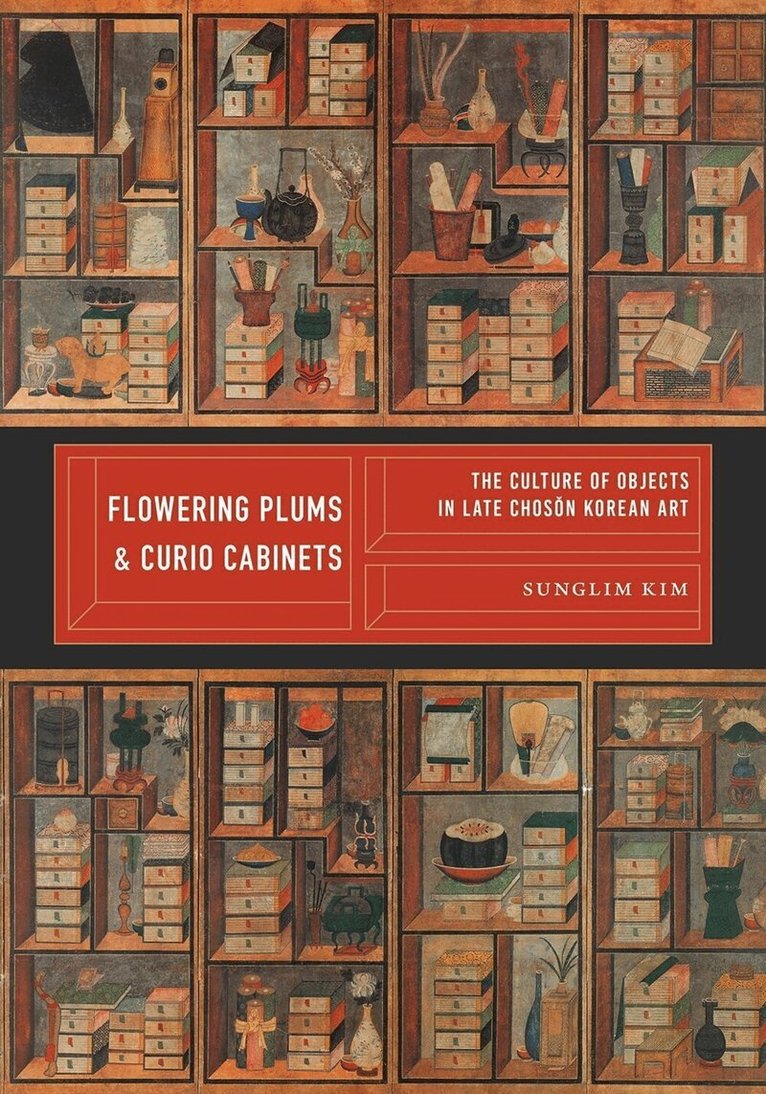
The social and economic rise of the chungin class (“middle people” who ranked between the yangban aristocracy and commoners) during the late Chosŏn period (1700–1910) ushered in a world of materialism and commodification of painting and other art objects. Generally overlooked in art history, the chungin contributed to a flourishing art market, especially for ch’aekkori, a new form of still life painting that experimented with Western perspective and illusionism, and a reimagined style of the traditional plum blossom painting genre.Sunglim Kim examines chungin artists and patronage of the visual arts, and their commercial transactions, artistic exchange with China and Japan, and historical writings on art. She also explores the key role of men of chungin background in preserving Korean art heritage in the tumultuous twentieth century, including the work of the modern Korean collector and historian O Se-ch’ang, who memorialized many chungin painters and calligraphers.Revealing a vivid picture of a complex art world,Flowering Plums and Curio Cabinets presents a major reconsideration of late Chosŏn society and its material culture. Lushly illustrated, it will appeal to scholars of Korea and East Asia, art history, visual culture, and social history.A William Sangki and Nanhee Min Hahn BookArt History Publication Initiative. For more information, visit http://arthistorypi.org/books/flowering-plums-and-curio-cabinets
Häftad, Engelska, 2019
524 kr
Skickas inom 5-8 vardagar
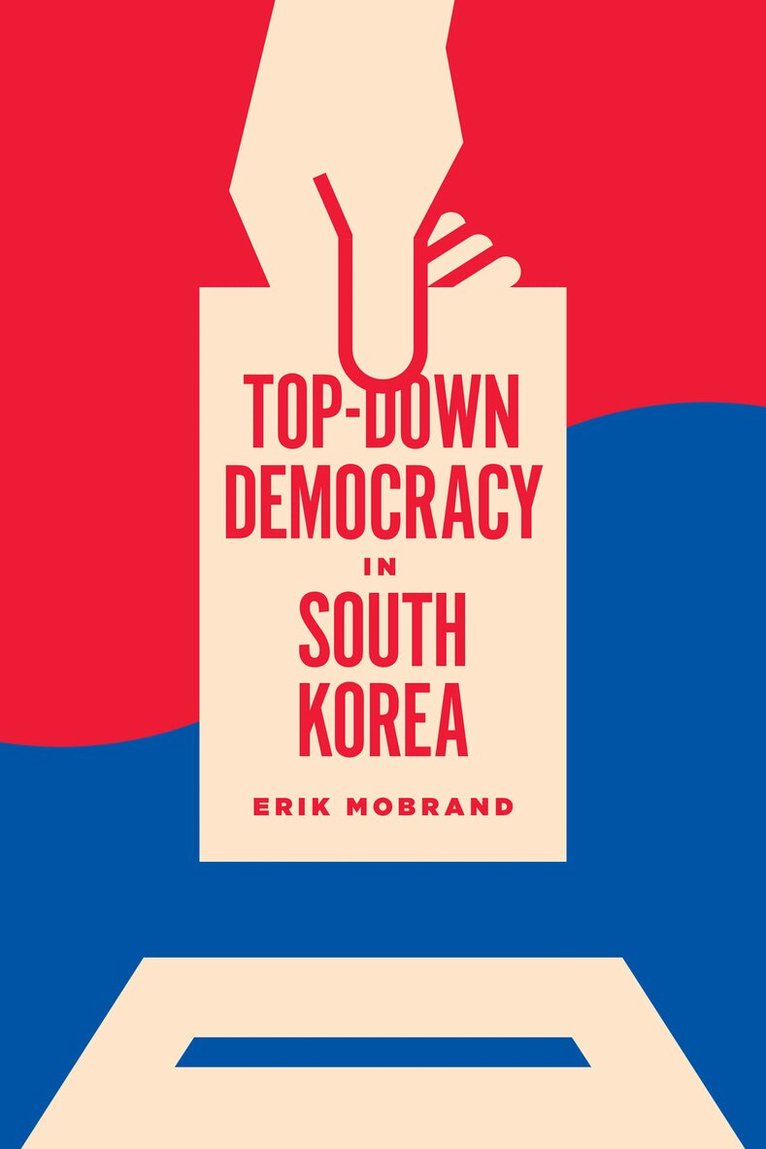
While popular movements in South Korea rightly grab the headlines for forcing political change and holding leaders to account, those movements are only part of the story of the construction and practice of democracy. In Top-Down Democracy in South Korea, Erik Mobrand documents another part – the elite-led design and management of electoral and party institutions. Even as the country left authoritarian rule behind, elites have responded to freer and fairer elections by entrenching rather than abandoning exclusionary practices and forms of party organization.Exploring South Korea’s political development from 1945 through the end of dictatorship in the 1980s and into the twenty-first century, Mobrand challenges the view that the origins of the postauthoritarian political system lie in a series of popular movements that eventually undid repression. He argues that we should think about democratization not as the establishment of an entirely new system, but as the subtle blending of new formal rules with earlier authority structures, political institutions, and legitimizing norms.
Inbunden, Engelska, 2019
1 832 kr
Skickas inom 5-8 vardagar
While popular movements in South Korea rightly grab the headlines for forcing political change and holding leaders to account, those movements are only part of the story of the construction and practice of democracy. In Top-Down Democracy in South Korea, Erik Mobrand documents another part – the elite-led design and management of electoral and party institutions. Even as the country left authoritarian rule behind, elites have responded to freer and fairer elections by entrenching rather than abandoning exclusionary practices and forms of party organization.Exploring South Korea’s political development from 1945 through the end of dictatorship in the 1980s and into the twenty-first century, Mobrand challenges the view that the origins of the postauthoritarian political system lie in a series of popular movements that eventually undid repression. He argues that we should think about democratization not as the establishment of an entirely new system, but as the subtle blending of new formal rules with earlier authority structures, political institutions, and legitimizing norms.
Häftad, Engelska, 2019
509 kr
Skickas inom 5-8 vardagar
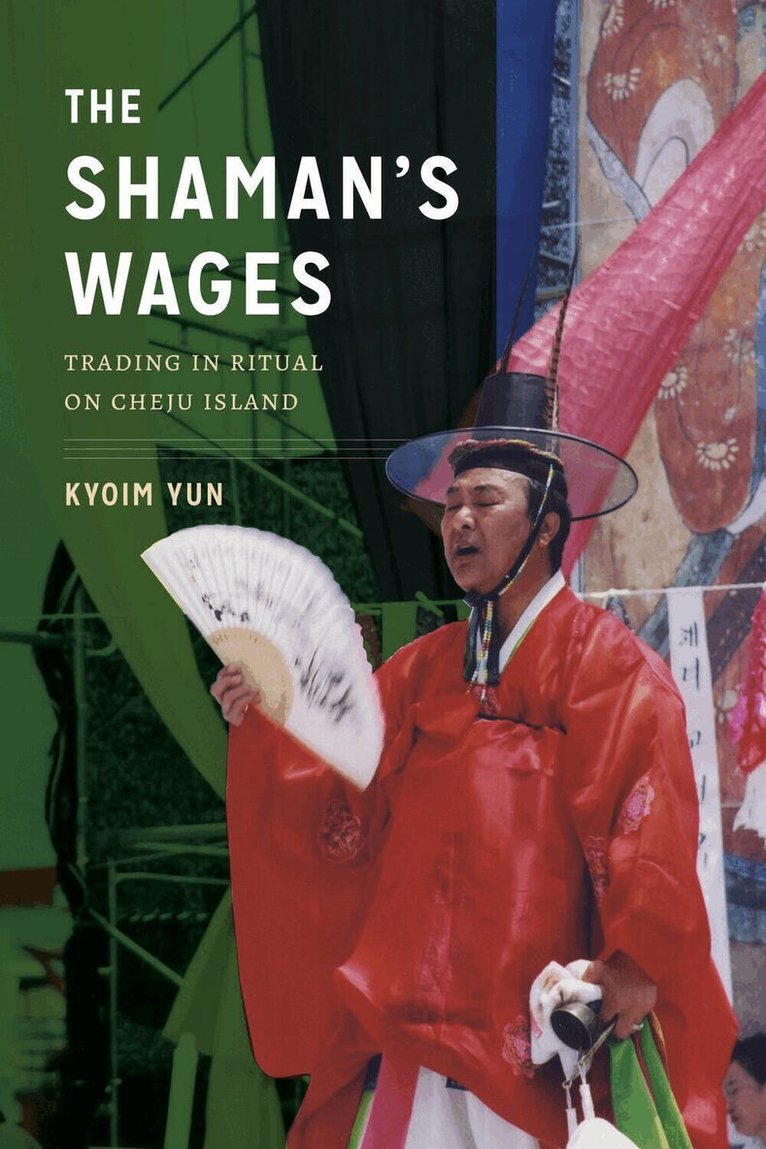
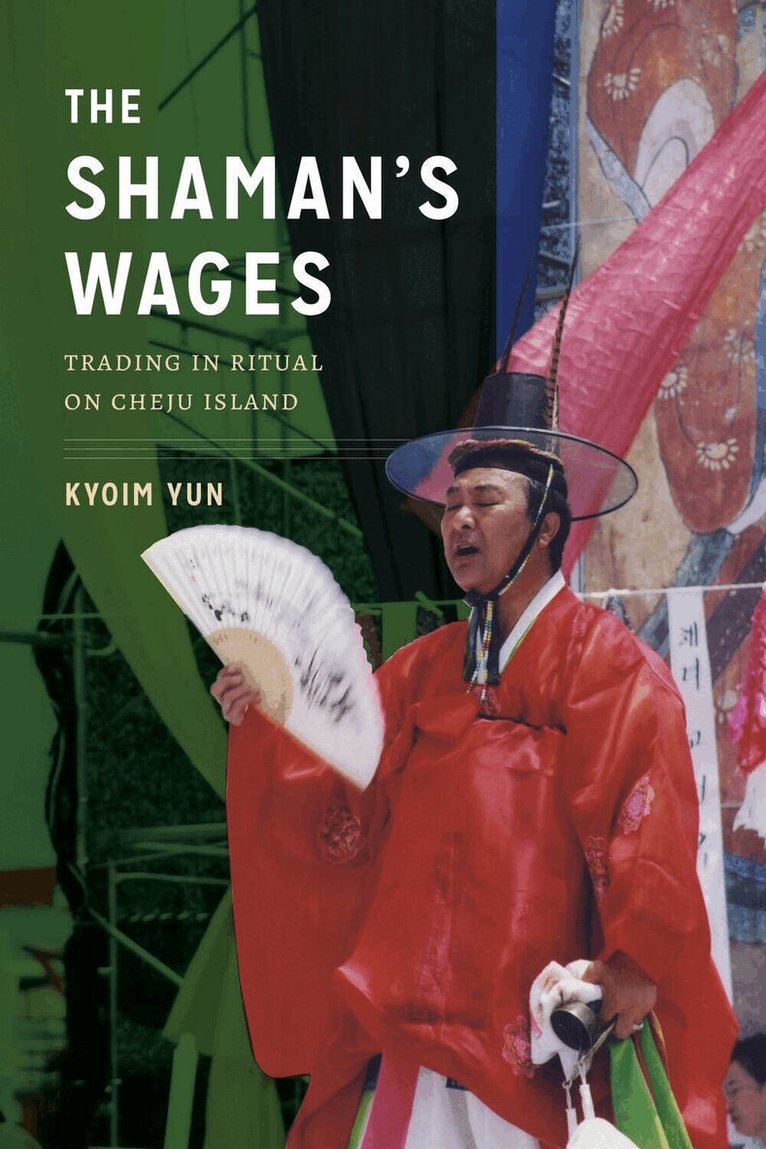
Breaking from previous scholarship on Korean shamanism, which focuses on mansin of mainland Korea, The Shaman’s Wages offers the first in-depth study of simbang, hereditary shamans on Cheju Island off the peninsula’s southwest coast. In this engaging ethnography enriched by extensive historical research, Kyoim Yun explores the prevalent and persistent ambivalence toward practitioners, whose services have long been sought out yet derided as wasteful by anti-shaman commentators and occasionally by their clients.Intrigued by discord between simbang and their clients over fee negotiations, Yun set out to learn the deep-rooted legacy of condemning or trivializing the practitioners’ self-interests, from a neo-Confucian governor’s purge of shrines during the Chosŏn dynasty to the recent transformation of a community ritual into a practice recognized through UNESCO World Heritage status. Drawing on a wealth of firsthand observations, she shows how simbang distinguish ritual exchanges from more mundane instances of bartering, purchasing, bribing, and gift giving and explains why ritual affairs are nonetheless inevitably thorny. This original study illuminates the intertwining of religion and economy in shamanic practice on Cheju Island.
Inbunden, Engelska, 2019
1 778 kr
Skickas inom 5-8 vardagar
Breaking from previous scholarship on Korean shamanism, which focuses on mansin of mainland Korea, The Shaman’s Wages offers the first in-depth study of simbang, hereditary shamans on Cheju Island off the peninsula’s southwest coast. In this engaging ethnography enriched by extensive historical research, Kyoim Yun explores the prevalent and persistent ambivalence toward practitioners, whose services have long been sought out yet derided as wasteful by anti-shaman commentators and occasionally by their clients.Intrigued by discord between simbang and their clients over fee negotiations, Yun set out to learn the deep-rooted legacy of condemning or trivializing the practitioners’ self-interests, from a neo-Confucian governor’s purge of shrines during the Chosŏn dynasty to the recent transformation of a community ritual into a practice recognized through UNESCO World Heritage status. Drawing on a wealth of firsthand observations, she shows how simbang distinguish ritual exchanges from more mundane instances of bartering, purchasing, bribing, and gift giving and explains why ritual affairs are nonetheless inevitably thorny. This original study illuminates the intertwining of religion and economy in shamanic practice on Cheju Island.
Inbunden, Engelska, 2020
1 832 kr
Skickas inom 5-8 vardagar
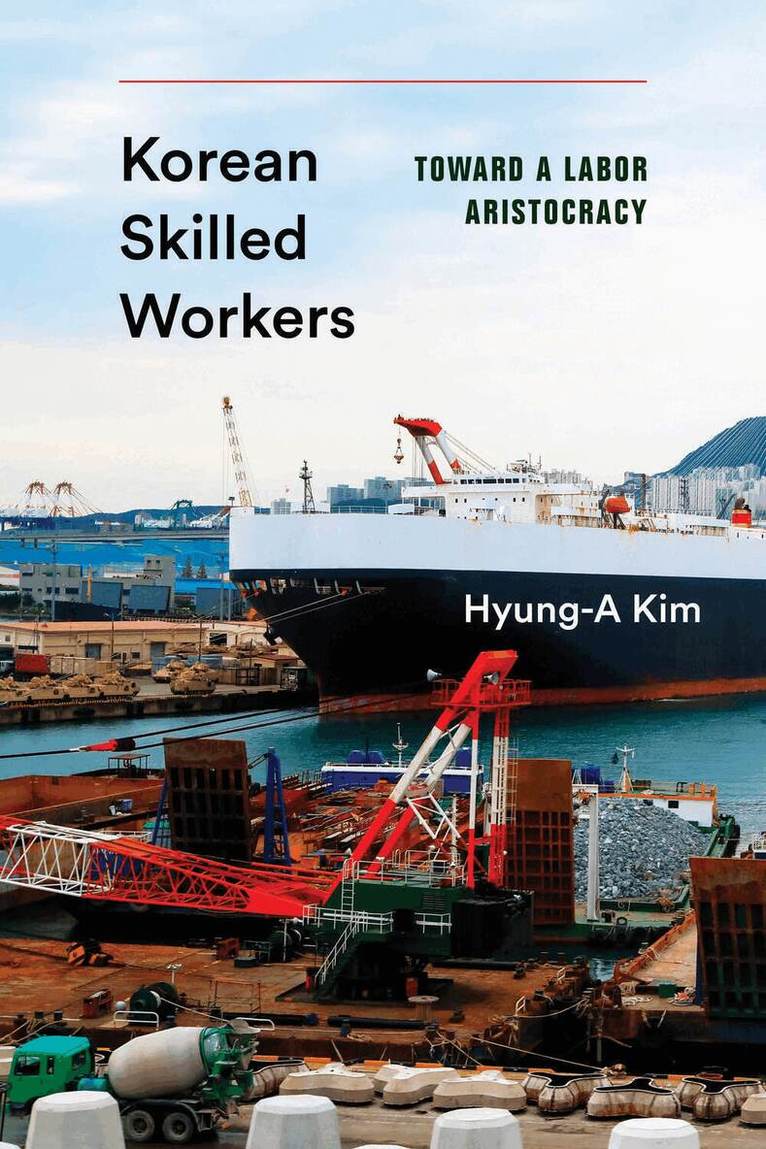
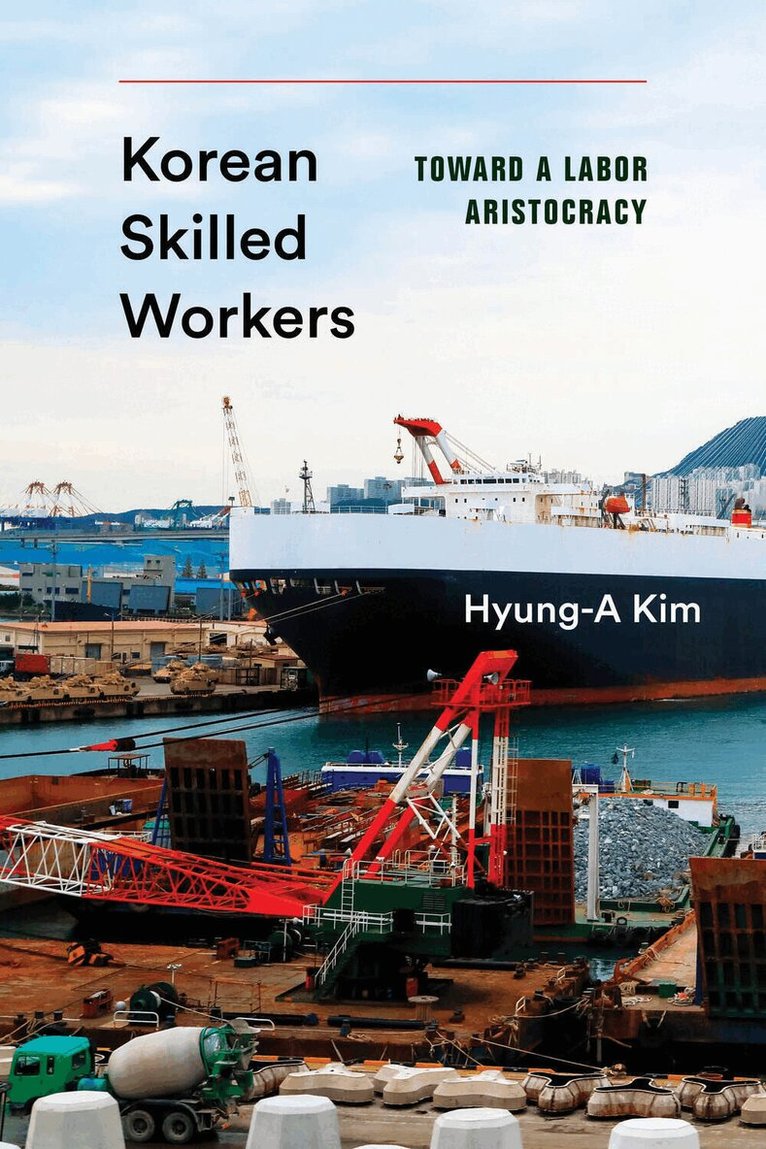
South Korea’s triumphant development has catapulted the country’s economy to the eleventh largest in the world. Large family-owned conglomerates, or chaebŏls, such as Samsung, Hyundai, and LG, have become globally preeminent manufacturing brands. Yet Korea’s highly disciplined, technologically competent skilled workers who built these brands have become known only for their successful labor-union militancy, which in recent decades has been criticized as collective “selfishness” that has allowed them to prosper at the expense of other workers.Hyung-A Kim tells the story of Korea’s first generation of skilled workers in the heavy and chemical industries sector, following their dramatic transition from 1970s-era “industrial warriors” to labor-union militant “Goliat Warriors,” and ultimately to a “labor aristocracy” with guaranteed job security, superior wages, and even job inheritance for their children. By contrast, millions of Korea’s non-regular employees, especially young people, struggle in precarious and insecure employment.This richly documented account demonstrates that industrial workers’ most enduring goal has been their own economic advancement, not a wider socialist revolution, and shows how these individuals’ paths embody the consequences of rapid development.
Häftad, Engelska, 2020
524 kr
Skickas inom 5-8 vardagar
South Korea’s triumphant development has catapulted the country’s economy to the eleventh largest in the world. Large family-owned conglomerates, or chaebŏls, such as Samsung, Hyundai, and LG, have become globally preeminent manufacturing brands. Yet Korea’s highly disciplined, technologically competent skilled workers who built these brands have become known only for their successful labor-union militancy, which in recent decades has been criticized as collective “selfishness” that has allowed them to prosper at the expense of other workers.Hyung-A Kim tells the story of Korea’s first generation of skilled workers in the heavy and chemical industries sector, following their dramatic transition from 1970s-era “industrial warriors” to labor-union militant “Goliat Warriors,” and ultimately to a “labor aristocracy” with guaranteed job security, superior wages, and even job inheritance for their children. By contrast, millions of Korea’s non-regular employees, especially young people, struggle in precarious and insecure employment.This richly documented account demonstrates that industrial workers’ most enduring goal has been their own economic advancement, not a wider socialist revolution, and shows how these individuals’ paths embody the consequences of rapid development.
Inbunden, Engelska, 2020
1 888 kr
Skickas inom 5-8 vardagar
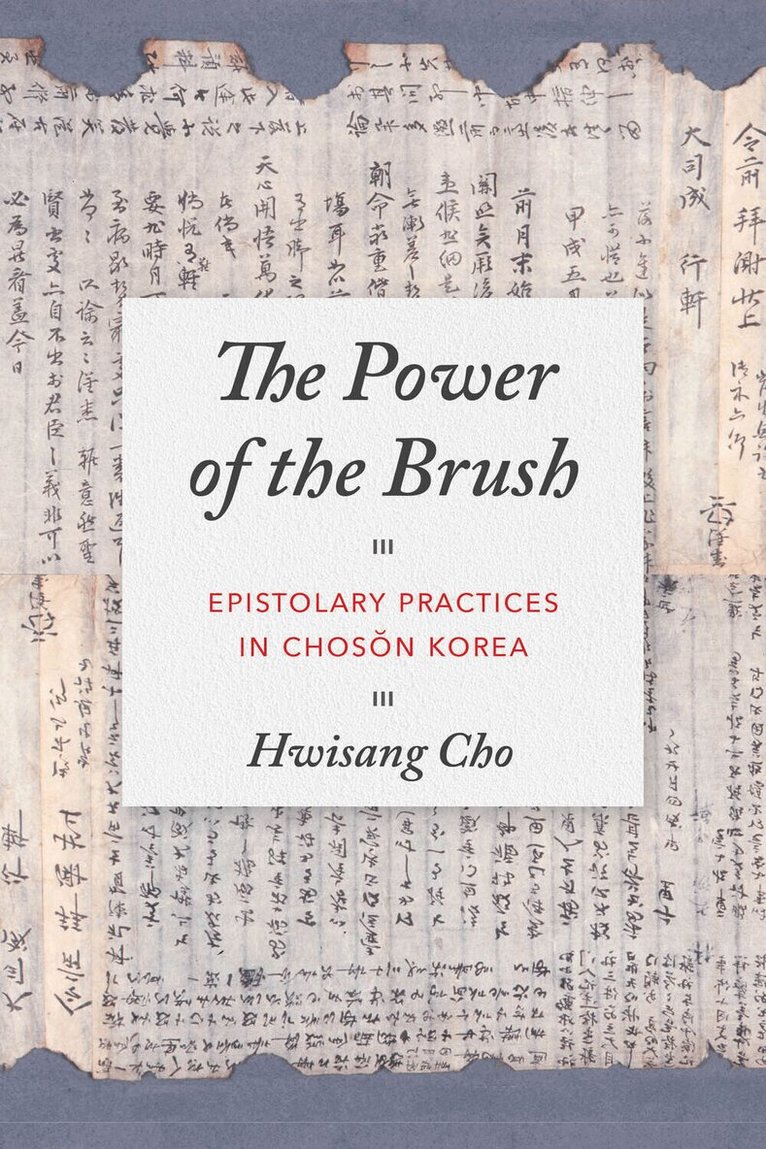
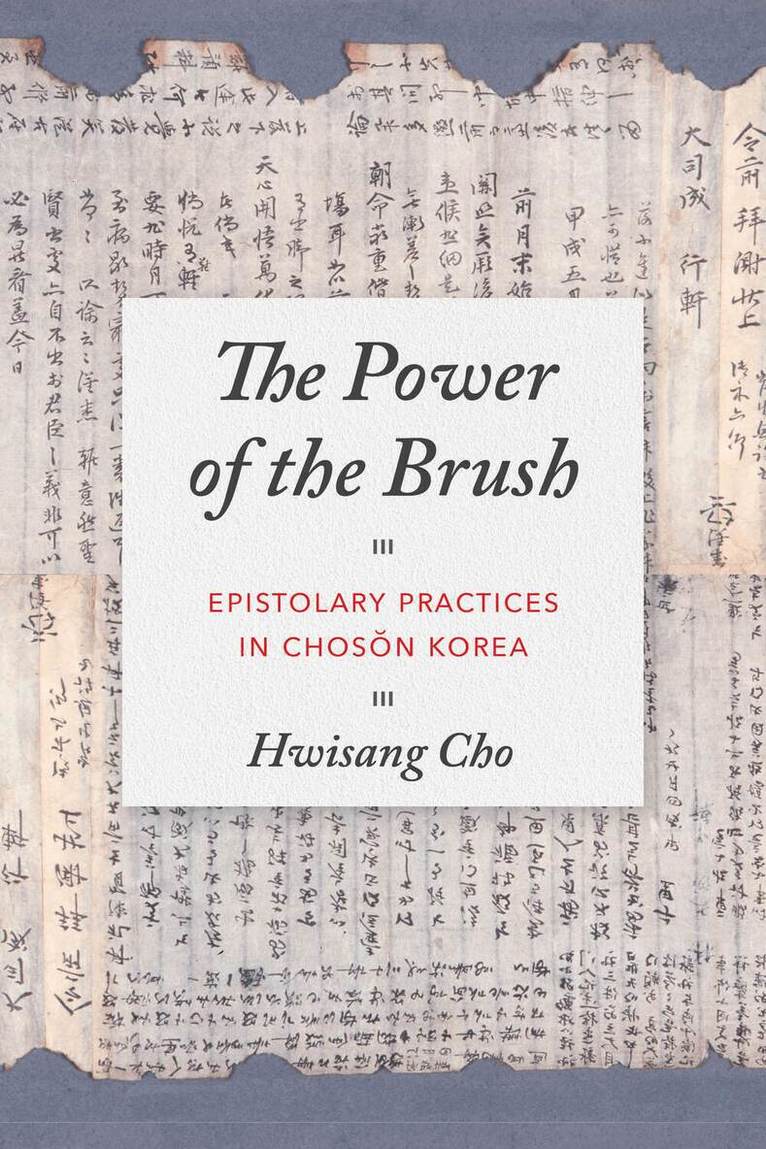
Finalist for the inaugural ACLS Open Access Book PrizeHonorable Mention, 2022 James B. Palais Book Prize from the Association for Asian Studies (AAS)Honorable Mention, 28th Annual Modern Language Association Prize for a First Book (MLA)Shortlisted for the 2021 George A. and Jeanne S. DeLong Book History Book Prize from the Society for the History of Authorship, Reading and Publishing (SHARP)How a letter-writing revolution facilitated social change in premodern KoreaThe invention of an easily learned Korean alphabet in the mid-fifteenth century sparked an “epistolary revolution” in the following century as letter writing became an indispensable daily practice for elite men and women alike. The amount of correspondence increased exponentially as new epistolary networks were built among scholars and within families, and written culture created room for appropriation and subversion by those who joined epistolary practices.Focusing on the ways that written culture interacts with philosophical, social, and political changes, The Power of the Brush examines the social effects of these changes and adds a Korean perspective to the evolving international discourse on the materiality of texts. It demonstrates how innovative uses of letters and the appropriation of letter-writing practices empowered elite cultural, social, and political minority groups: Confucians who did not have access to the advanced scholarship of China; women who were excluded from the male-dominated literary culture, which used Chinese script; and provincial literati, who were marginalized from court politics. New modes of reading and writing that were developed in letter writing precipitated changes in scholarly methodology, social interactions, and political mobilization. Even today, remnants of these traditional epistolary practices endure in media and political culture, reverberating in new communications technologies.The Power of the Brush is freely available in an open access edition thanks to TOME (Toward an Open Monograph Ecosystem) and the generous support of Emory University and the Andrew W. Mellon Foundation.DOI 10.6069/9780295747828
Häftad, Engelska, 2020
540 kr
Skickas inom 5-8 vardagar
Finalist for the inaugural ACLS Open Access Book PrizeHonorable Mention, 2022 James B. Palais Book Prize from the Association for Asian Studies (AAS)Honorable Mention, 28th Annual Modern Language Association Prize for a First Book (MLA)Shortlisted for the 2021 George A. and Jeanne S. DeLong Book History Book Prize from the Society for the History of Authorship, Reading and Publishing (SHARP)How a letter-writing revolution facilitated social change in premodern KoreaThe invention of an easily learned Korean alphabet in the mid-fifteenth century sparked an “epistolary revolution” in the following century as letter writing became an indispensable daily practice for elite men and women alike. The amount of correspondence increased exponentially as new epistolary networks were built among scholars and within families, and written culture created room for appropriation and subversion by those who joined epistolary practices.Focusing on the ways that written culture interacts with philosophical, social, and political changes, The Power of the Brush examines the social effects of these changes and adds a Korean perspective to the evolving international discourse on the materiality of texts. It demonstrates how innovative uses of letters and the appropriation of letter-writing practices empowered elite cultural, social, and political minority groups: Confucians who did not have access to the advanced scholarship of China; women who were excluded from the male-dominated literary culture, which used Chinese script; and provincial literati, who were marginalized from court politics. New modes of reading and writing that were developed in letter writing precipitated changes in scholarly methodology, social interactions, and political mobilization. Even today, remnants of these traditional epistolary practices endure in media and political culture, reverberating in new communications technologies.The Power of the Brush is freely available in an open access edition thanks to TOME (Toward an Open Monograph Ecosystem) and the generous support of Emory University and the Andrew W. Mellon Foundation.DOI 10.6069/9780295747828
Inbunden, Engelska, 2021
1 257 kr
Skickas inom 5-8 vardagar
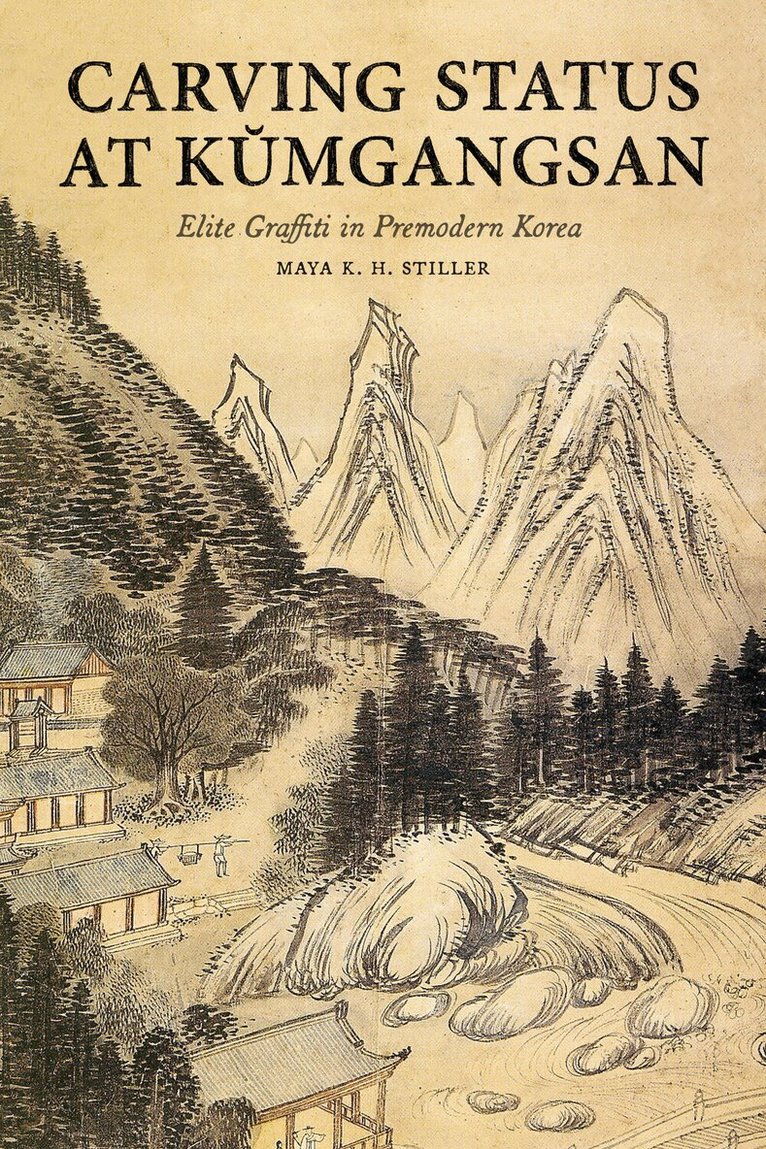
Honorable Mention for the 2024 James B. Palais Prize for English-Language Scholarly books published on Korea from the Association for Asian StudiesWinner of the 2022 Patricia Buckley Ebrey Prize sponsored by the American Historical AssociationAn eye-opening journey through time in Korea’s “Diamond Mountains”North Korea’s Kŭmgangsan is one of Asia’s most celebrated sacred mountain ranges, comparable in fame to Mount Tai in China and Mount Fuji in Japan. Carving Status at Kŭmgangsan marks a paradigm shift in the research about East Asian mountains by introducing an entirely new field: autographic rock graffiti. The book details how late Chosŏn (ca. 1600–1900 CE) Korean elite travelers used Kŭmgangsan to demonstrate their high social status by carving inscriptions, naming sites, and joining the literary pedigree of visitors to renowned locales. Such travel practices show how social competition emerged in the spatial context of a landscape. Hence, Carving Status at Kŭmgangsan argues for an expansion of accepted historical narratives on travel and mountain space in premodern East Asia. Rather than interpreting pilgrimage routes as exclusively religious or tourist, in Kŭmgangsan’s case they were also an important site of collective memory.A journey to Kŭmgangsan to view and contribute to its sites of memory was an endeavor that late Chosŏn Koreans hoped to achieve in their lives. Based on multidisciplinary research drawing on literary writings, court records, gazetteers, maps, songs, calligraphy, and paintings, Carving Status at Kŭmgangsan is the first historical study of this practice. It will appeal to scholars in fields ranging from East Asian history, literature, and geography, to pilgrimage studies and art history.*Winner of the 2022 Patricia Buckley Ebrey Prize for a distinguished book on the history of China proper, Vietnam, Chinese Central Asia, Mongolia, Manchuria, Korea, or Japan, prior to 1800, sponsored by the American Historical Association
Inbunden, Engelska, 2024
1 693 kr
Skickas inom 3-6 vardagar
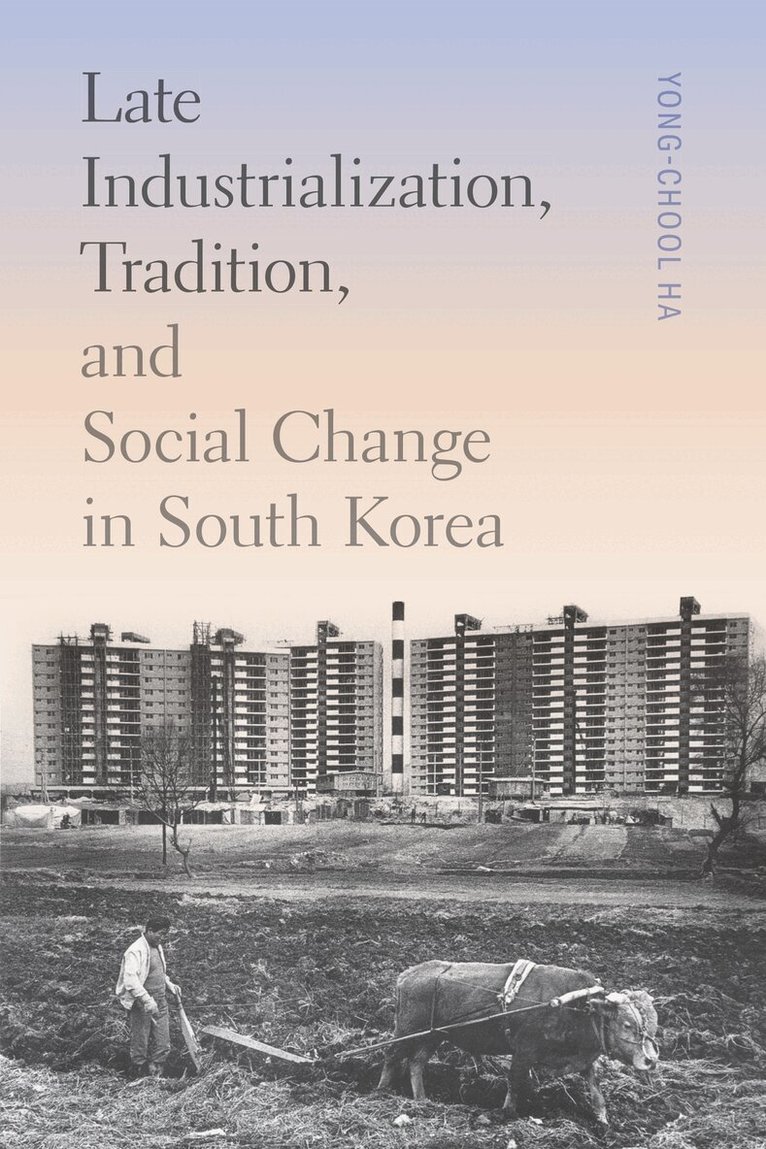
Examines how primary social ties fueled economic growthSouth Korea's rapid industrialization occurred with the rise of powerful chaebǒl (family-owned business conglomerates) that controlled vast swaths of the nation's economy. Leader Park Chung Hee's sense of backwardness and urgency led him to rely on familial, school, and regional ties to expedite the economic transformation. Late Industrialization, Tradition, and Social Change in South Korea elucidates how a country can progress economically while relying on traditional social structures that usually fragment political and economic vitality. The book proposes a new framework for macro social change under late industrialization by analyzing the specific process of interactions between economic tasks and tradition through the state's mediation.Drawing on interviews with bureaucrats in the Ministry of Commerce and Industry as well as workers and others, Yong-Chool Ha demonstrates how the state propelled industrialization by using kinship networks to channel investments and capital into chaebǒl corporations. What Ha calls "neofamilism" was the central force behind South Korea's economic transformation as the state used preindustrial social patterns to facilitate industrialization. Ha's account of bureaucracy, democratization, and the middle class challenges assumptions about the universal outcomes of industrialization.Late Industrialization, Tradition, and Social Change in South Korea is also available in an open access edition, DOI 10.6069/9780295753249
Häftad, Engelska, 2024
524 kr
Skickas inom 5-8 vardagar
Examines how primary social ties fueled economic growthSouth Korea's rapid industrialization occurred with the rise of powerful chaebǒl (family-owned business conglomerates) that controlled vast swaths of the nation's economy. Leader Park Chung Hee's sense of backwardness and urgency led him to rely on familial, school, and regional ties to expedite the economic transformation. Late Industrialization, Tradition, and Social Change in South Korea elucidates how a country can progress economically while relying on traditional social structures that usually fragment political and economic vitality. The book proposes a new framework for macro social change under late industrialization by analyzing the specific process of interactions between economic tasks and tradition through the state's mediation.Drawing on interviews with bureaucrats in the Ministry of Commerce and Industry as well as workers and others, Yong-Chool Ha demonstrates how the state propelled industrialization by using kinship networks to channel investments and capital into chaebǒl corporations. What Ha calls "neofamilism" was the central force behind South Korea's economic transformation as the state used preindustrial social patterns to facilitate industrialization. Ha's account of bureaucracy, democratization, and the middle class challenges assumptions about the universal outcomes of industrialization.Late Industrialization, Tradition, and Social Change in South Korea is also available in an open access edition, DOI 10.6069/9780295753249
Inbunden, Engelska, 2015
1 693 kr
Skickas inom 3-6 vardagar
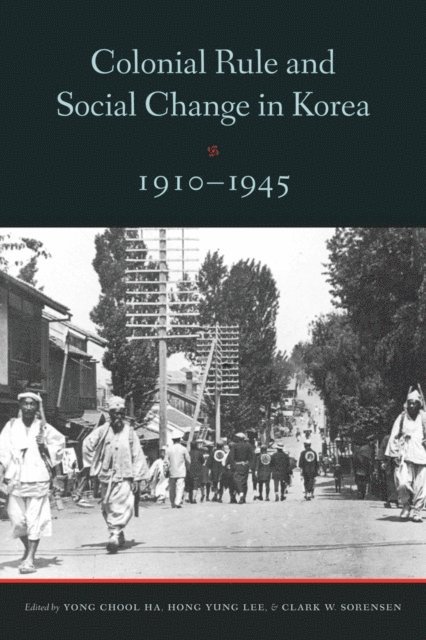
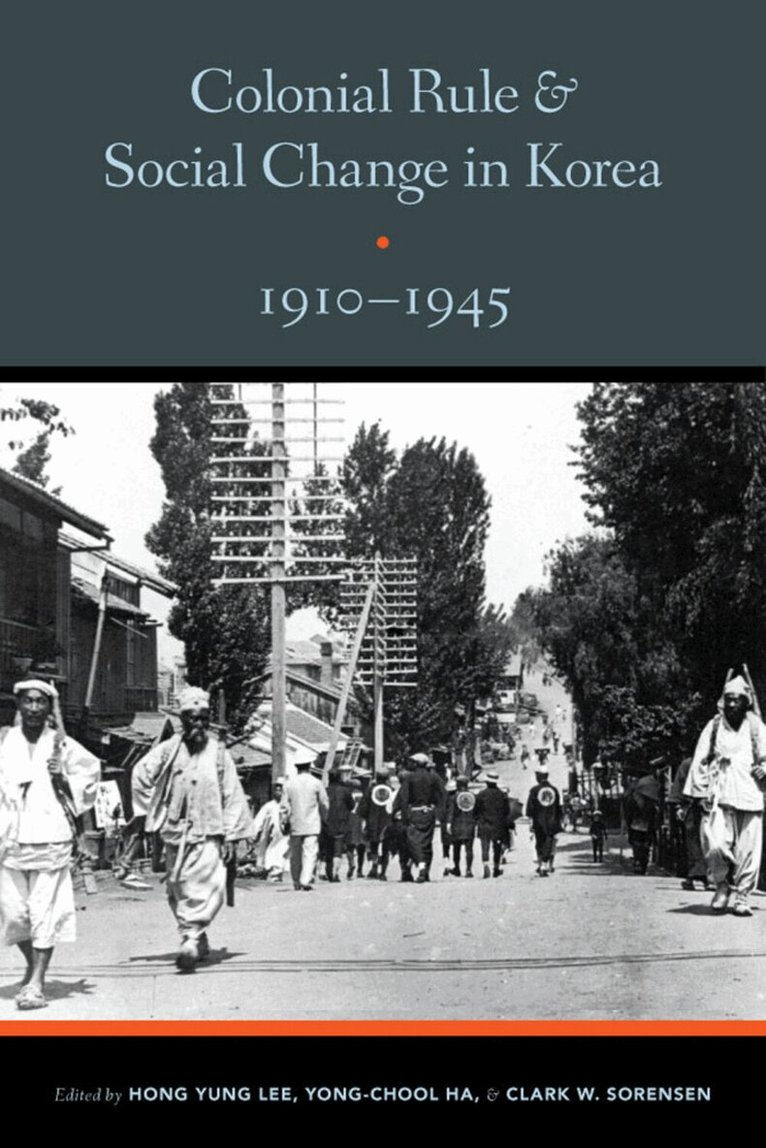
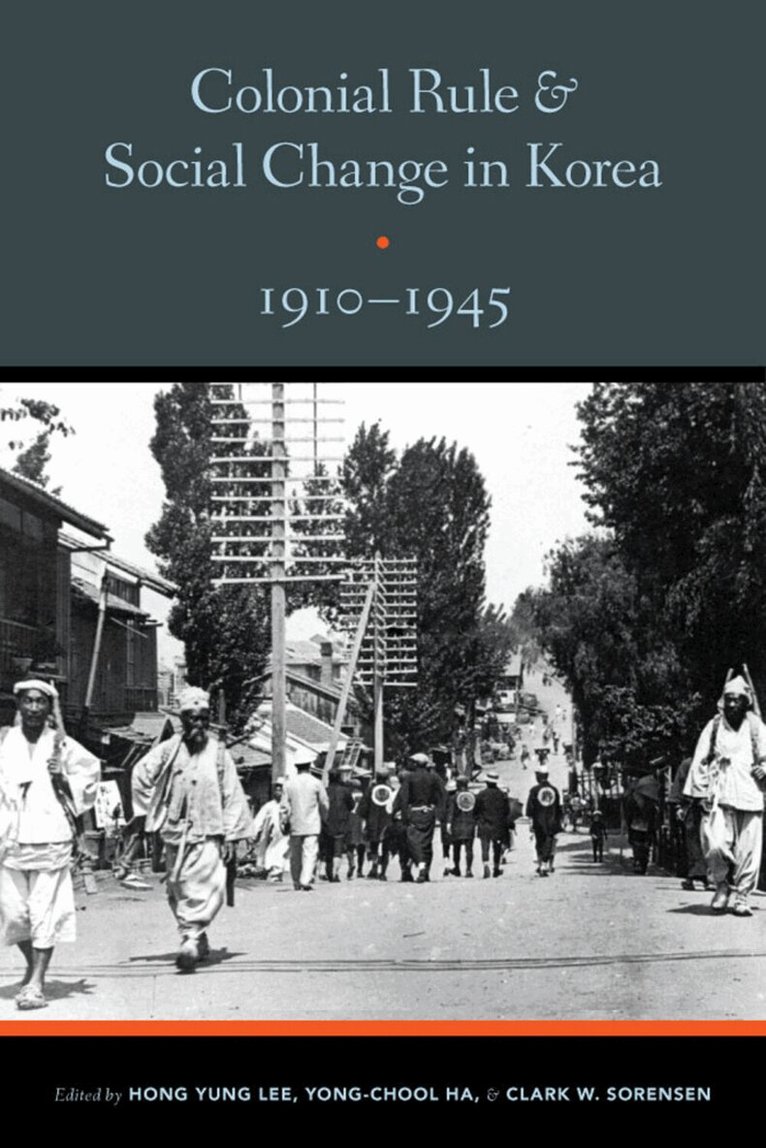
Colonial Rule and Social Change in Korea 1910-1945 highlights the complex interaction between indigenous activity and colonial governance, emphasizing how Japanese rule adapted to Korean and missionary initiatives, as well as how Koreans found space within the colonial system to show agency. Topics covered range from economic development and national identity to education and family; from peasant uprisings and thought conversion to a comparison of missionary and colonial leprosariums. These various new assessments of Japan's colonial legacy may open up new and illuminating approaches to historical memory that will resonate not just in Korean studies, but in colonial and postcolonial studies in general, and will have implications for the future of regional politics in East Asia.
Häftad, Engelska, 2011
709 kr
Skickas inom 3-6 vardagar
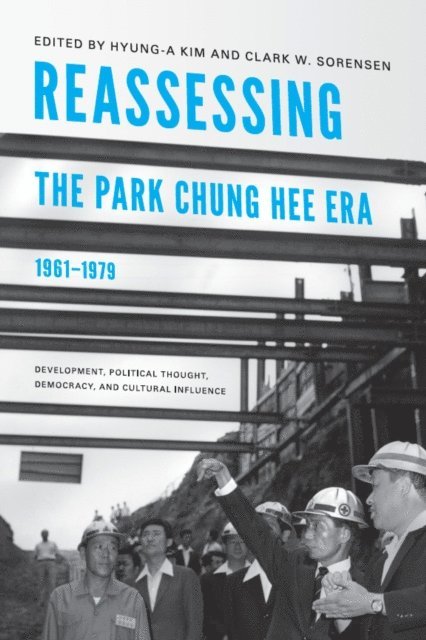
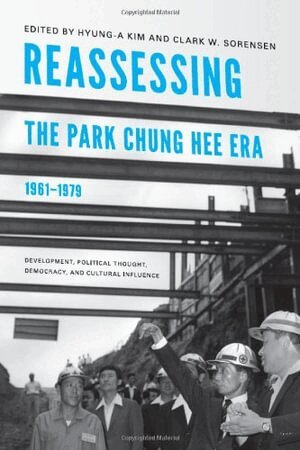
The Republic of Korea achieved a double revolution in the second half of the twentieth century. In just over three decades, South Korea transformed itself from an underdeveloped, agrarian country into an affluent, industrialized one. At the same time, democracy replaced a long series of military authoritarian regimes. These historic changes began under President Park Chung Hee, who seized power through a military coup in 1961 and ruled South Korea until his assassination on October 26, 1979. While the state's dominant role in South Korea's rapid industrialization is widely accepted, the degree to which Park was personally responsible for changing the national character remains hotly debated. This book examines the rationale and ideals behind Park's philosophy of national development in order to evaluate the degree to which the national character and moral values were reconstructed.
Häftad, Engelska, 2013
709 kr
Skickas inom 3-6 vardagar
Colonial Rule and Social Change in Korea 1910-1945 highlights the complex interaction between indigenous activity and colonial governance, emphasizing how Japanese rule adapted to Korean and missionary initiatives, as well as how Koreans found space within the colonial system to show agency. Topics covered range from economic development and national identity to education and family; from peasant uprisings and thought conversion to a comparison of missionary and colonial leprosariums. These various new assessments of Japan's colonial legacy may open up new and illuminating approaches to historical memory that will resonate not just in Korean studies, but in colonial and postcolonial studies in general, and will have implications for the future of regional politics in East Asia.
Häftad, Engelska, 2013
509 kr
Skickas inom 5-8 vardagar
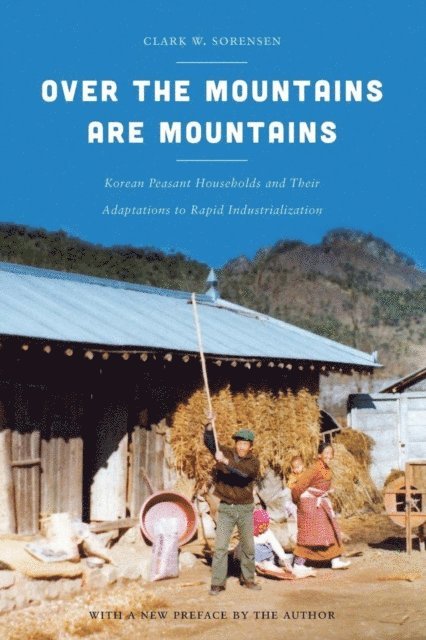
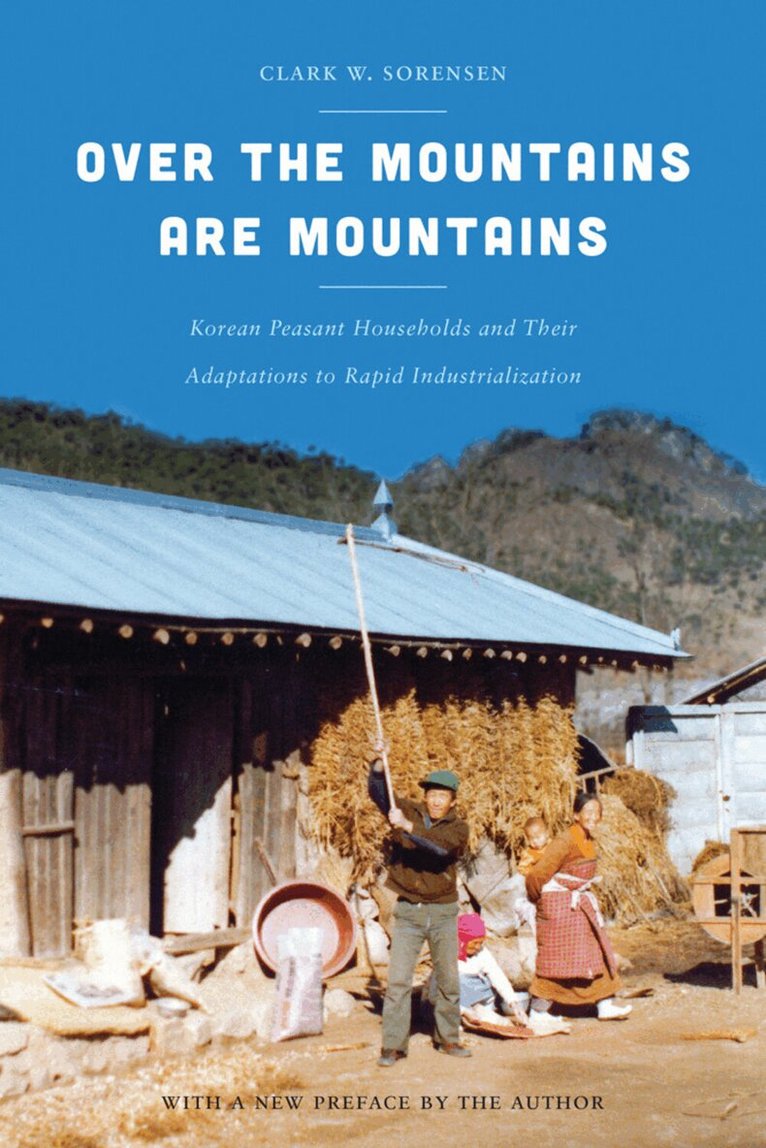
Clark Sorensen presents a description of the economic and ecological organization of rural Korean domestic groups and an analysis of their adaption to the changes brought about by Korea's rapid industrialization.Still one of the only book-length studies of rural, peasant Korean households, Over the Mountains Are Mountains shows how the industrialization of Korea led neither to the proletarianization of the peasants nor to a fundamental change in the structure of rural families, but rather to strategic changes in patterns of migration, labor allocation, and residence.
Inbunden, Engelska, 2015
1 697 kr
Skickas inom 3-6 vardagar
The Republic of Korea achieved a double revolution in the second half of the twentieth century. In just over three decades, South Korea transformed itself from an underdeveloped, agrarian country into an affluent, industrialized one. At the same time, democracy replaced a long series of military authoritarian regimes. These historic changes began under President Park Chung Hee, who seized power through a military coup in 1961 and ruled South Korea until his assassination on October 26, 1979. While the state's dominant role in South Korea's rapid industrialization is widely accepted, the degree to which Park was personally responsible for changing the national character remains hotly debated. This book examines the rationale and ideals behind Park's philosophy of national development in order to evaluate the degree to which the national character and moral values were reconstructed.
Häftad, Engelska, 2016
638 kr
Skickas inom 5-8 vardagar
Spaces of Possibility, which arose from a 2012 conference held at the University of Washington’s Simpson Center for the Humanities, engages with spaces in, between, and beyond the national borders of Japan and Korea. Some of these spaces involve the ambiguous longings and aesthetic refigurings of the past in the present, the social possibilities that emerge out of the seemingly impossible new spaces of development, the opportunities of genre, and spaces of new ethical subjectivities. Museums, colonial remains, new architectural spaces, graffiti, street theater, popular song, recent movies, photographic topography, and translated literature all serve as keys for unlocking the ambiguous and contradictory—yet powerful—emotions of spaces, whether in Tokyo, Seoul, or New York.