Susan Ackerman - Böcker
Visar alla böcker från författaren Susan Ackerman. Handla med fri frakt och snabb leverans.
9 produkter
9 produkter
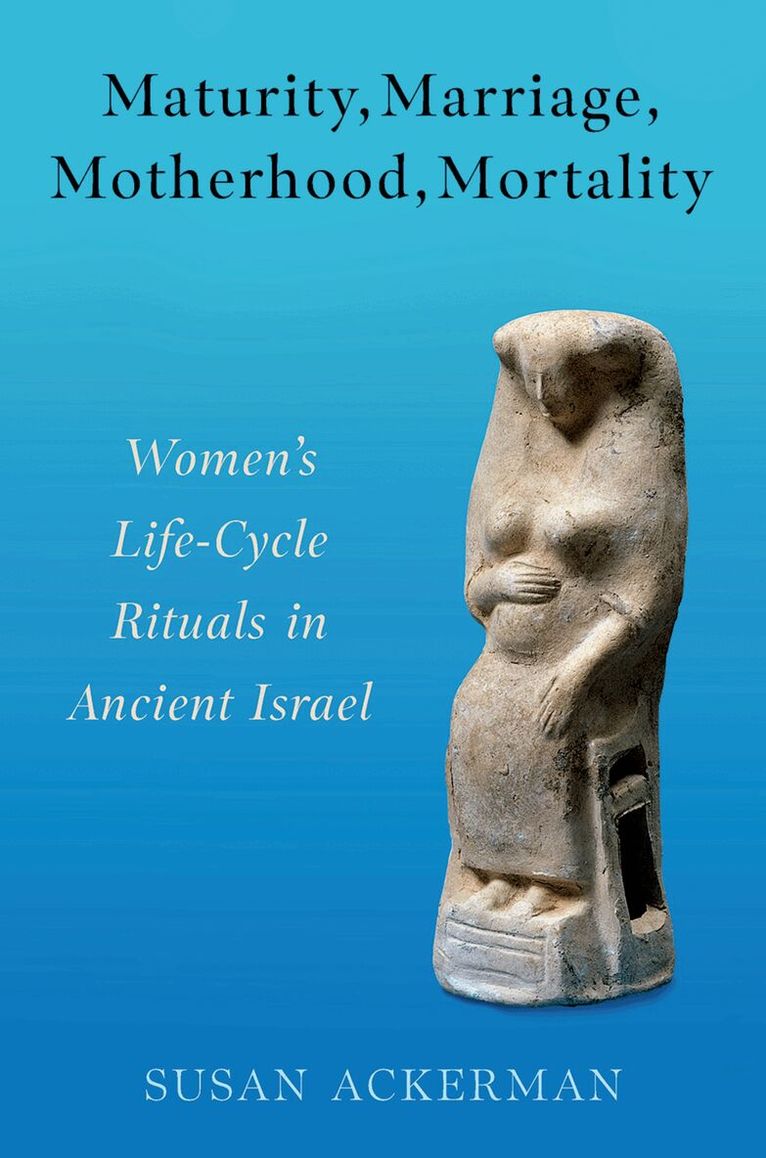
Maturity, Marriage, Motherhood, Mortality
Women's Life-Cycle Rituals in Ancient Israel
Inbunden, Engelska, 2025
636 kr
Skickas inom 3-6 vardagar
Maturity, Marriage, Motherhood, Mortality is a deft study of women's life-cycle rituals in ancient Israel. These include rituals that marked a young woman's coming of age (“maturity”) and her betrothal and wedding (“marriage”); rituals undertaken by women during pregnancy, parturition, and their first days and early years after giving birth (“motherhood”); and rituals that were enacted at the time of a woman's death and in the months and years that followed (“mortality”). The book's aims are tripartite. The first is to sketch as fully as possible a picture of women's life-cycle events and rituals from preexilic and early postexilic Israel, using both evidence that can be gleaned from our primary source for the religious traditions of ancient Israel-the Bible-as well as extrabiblical data, including ancient Israelite archaeological data and archaeological, iconographic, and textual data that come from the many peoples of the ancient Near East and eastern Mediterranean by whom the Israelites were influenced or with whom they interacted. The second is to highlight the several distinctive features that characterized women's life-cycle events and rituals: for example, the way women's life-cycle events can flow as a virtually uninterrupted ritual continuum, from, say, coming of age, to betrothal, to marriage, to motherhood, and also the ways in which Israelite women's experiences during life-cycle events and rituals differed from those of their male counterparts. The experience of a bride who is “given” to her prospective spouse during betrothal and wedding rituals is different, for example, than the experience of a groom who “takes” a woman in marriage. Finally, the book offers a six-part theoretical model that explains the distinctive features that appear within Israelite women's life-cycle rituals and that accounts for the differences between women's life-cycle rituals and men's.
1 250 kr
Skickas inom 3-6 vardagar
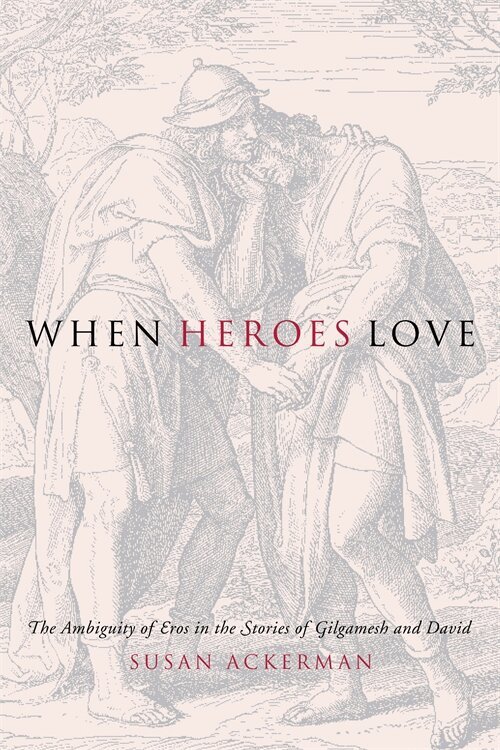
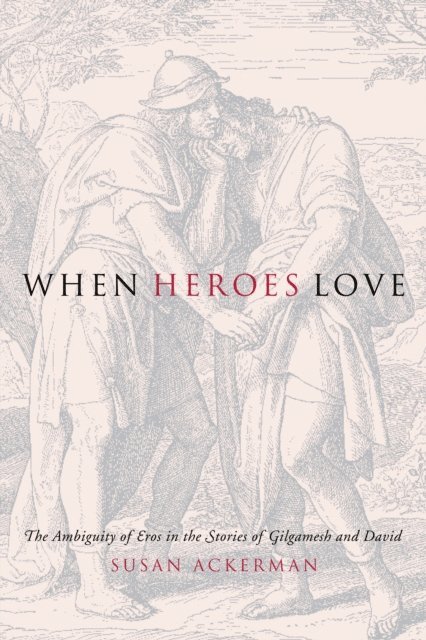
Toward the end of the Mesopotamian Epic of Gilgamesh King Gilgamesh laments the untimely death of his comrade Enkidu, "my friend whom I loved dearly." Similarly in the Bible, David mourns his companion, Jonathan, whose "love to me was wonderful, greater than the love of women." These passages, along with other ambiguous erotic and sexual language found in the Gilgamesh epic and the biblical David story, have become the object of numerous and competing scholarly inquiries into the sexual nature of the heroes' relationships. Susan Ackerman's innovative work carefully examines the stories' sexual and homoerotic language and suggests that its ambiguity provides new ways of understanding ideas of gender and sexuality in the ancient Near East and its literature. In exploring the stories of Gilgamesh and Enkidu and David and Jonathan, Ackerman cautions against applying modern conceptions of homosexuality to these relationships. Drawing on historical and literary criticism, Ackerman's close readings analyze the stories of David and Gilgamesh in light of contemporary definitions of sexual relationships and gender roles.She argues that these male relationships cannot be taken as same-sex partnerships in the modern sense, but reflect the ancient understanding of gender roles, whether in same- or opposite-sex relationships, as defined as either active (male) or passive (female). Her interpretation also considers the heroes' erotic and sexual interactions with members of the opposite sex. Ackerman shows that the texts' language and erotic imagery suggest more than just an intense male bonding. She argues that, though ambiguous, the erotic imagery and language have a critical function in the texts and serve the political, religious, and aesthetic aims of the narrators. More precisely, the erotic language in the story of David seeks to feminize Jonathan and thus invalidate his claim to Israel's throne in favor of David. In the case of Gilgamesh and Enkidu, whose egalitarian relationship is paradoxically described using the hierarchically dependent language of sexual relationships, the ambiguous erotic language reinforces their status as liminal figures and heroes in the epic tradition.
622 kr
Tillfälligt slut
454 kr
Skickas inom 7-10 vardagar
A synthetic reconstruction of women’s religious engagement and experiences in preexilic Israel “This monumental book examines a wealth of data from the Bible, archaeology, and ancient Near Eastern texts and iconography to provide a clear, comprehensive, and compelling analysis of women’s religious lives in preexilic times.”—Carol Meyers, Duke University Throughout the biblical narrative, ancient Israelite religious life is dominated by male actors. When women appear, they are often seen only on the periphery: as tangential, accidental, or passive participants. However, despite their absence from the written record, they were often deeply involved in religious practice and ritual observance. In this new volume, Susan Ackerman presents a comprehensive account of ancient Israelite women’s religious lives and experiences. She examines the various sites of their practice, including household shrines, regional sanctuaries, and national temples; the calendar of religious rituals that women observed on a weekly, monthly, and yearly basis; and their special roles in religious settings. Drawing on texts, archaeology, and material culture, and documenting the distinctions between Israelite women’s experiences and those of their male counterparts, Ackerman reconstructs an essential picture of women’s lived religion in ancient Israelite culture.
238 kr
Skickas inom 3-6 vardagar
499 kr
Skickas
142 kr
Skickas inom 5-8 vardagar
632 kr
Skickas inom 7-10 vardagar
Carol Meyers is renowned for her expertise in many fields: the use of social-science methodologies to understand the Bible and the world of Iron Age Israel; the archaeology of ancient Israel, especially important sites of the Second Temple period; and the study of women in the Bible and in ancient Israel. In this volume, some of Meyers’s foremost scholarly peers honor her by offering essays that build on her work and depend on her expertise. For example, Norman K. Gottwald uses a social-scientific analysis to continue his groundbreaking work on the structure of the early Israelite confederacy; Eric Meyers discusses how certain Second Temple artifacts, such as ossuaries and bathing installations, might be used as markers of Jewish ethnicity; and Ross S. Kraemer, in conjunction with Jennifer Eyl, takes on the issue of how women are represented (or not) in Bible translators’ renderings of certain ambiguously gendered terms.Joining this community of Carol Meyers’s peers are some of her most noted students, who also have contributed essays that speak to Meyers’s many areas of interest and expertise and reflect what they have learned from her about, especially, the study of women in the Bible and in ancient Israel, and the application of social-scientific approaches to biblical studies. Moreover, as Meyers’s work spans the millennium-long history of the Iron Age and the Second Temple period, so do the essays of Meyers’s students, with offerings that consider some of the earliest texts in the Bible (Judges 5), as well as texts that come from the Second Temple archive of scrolls discovered at Qumran.The result is a collection of essays that are as richly multifaceted as is the work of the extraordinary scholar whose career they honor.
Del 46 - Harvard Semitic Monographs
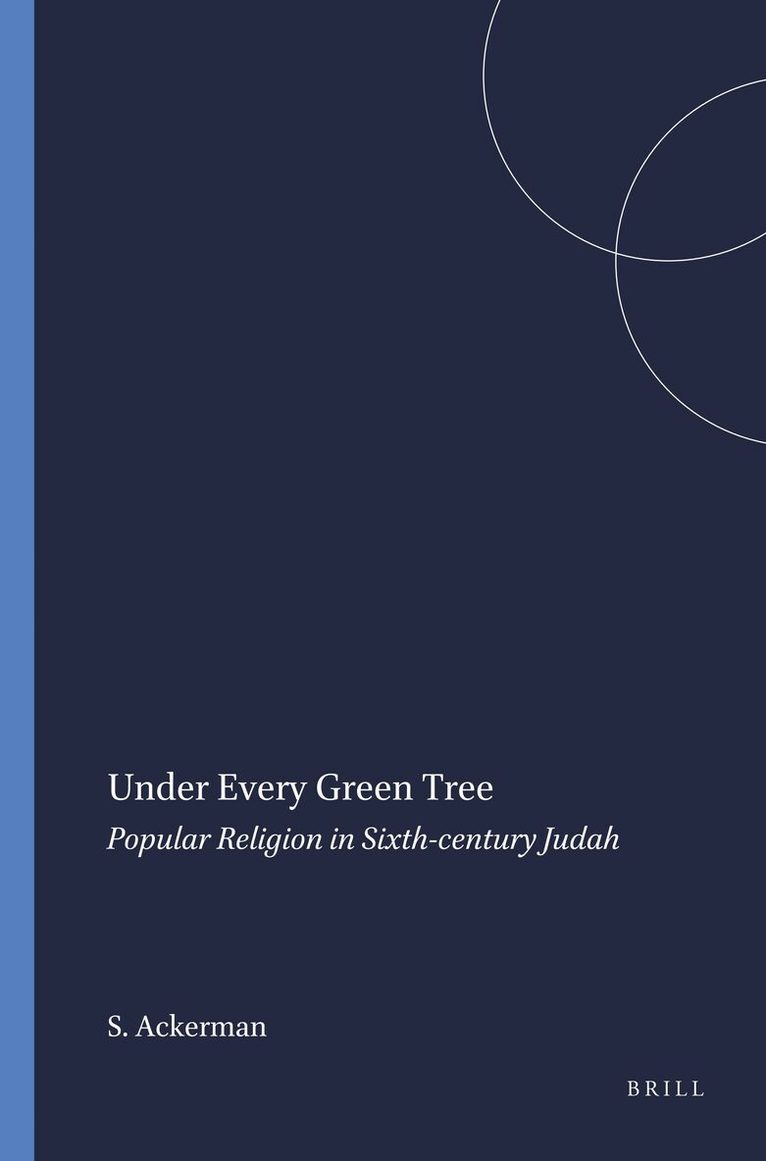
Under Every Green Tree
Popular Religion in Sixth-century Judah
Häftad, Engelska, 2001
659 kr
Skickas inom 5-8 vardagar
"By focusing on the forms of religious expression which the sixth-century prophets condemn, we can begin to apprehend the diversity which characterized exilic religion. Moreover, by recognizing the polemical nature of the prophetic critiques and by resolving to read these critiques without prophetic prejudice and instead with a non-judgmental eye, we can place ourselves in a position to re-evaluate the traditional descriptions of the sixth-century cult. Our task, then, is to read anew; our aim is to judge afresh. With this goal in mind, we turn our attention to the major prophetic texts which will comprise our study: Jeremiah 7 and 44, Ezekiel 8, Isaiah 57, and Isaiah 65." - From the Introduction