Susan Armstrong-Reid – författare
Visar alla böcker från författaren Susan Armstrong-Reid. Handla med fri frakt och snabb leverans.
3 produkter
3 produkter
319 kr
Skickas inom 7-10 vardagar
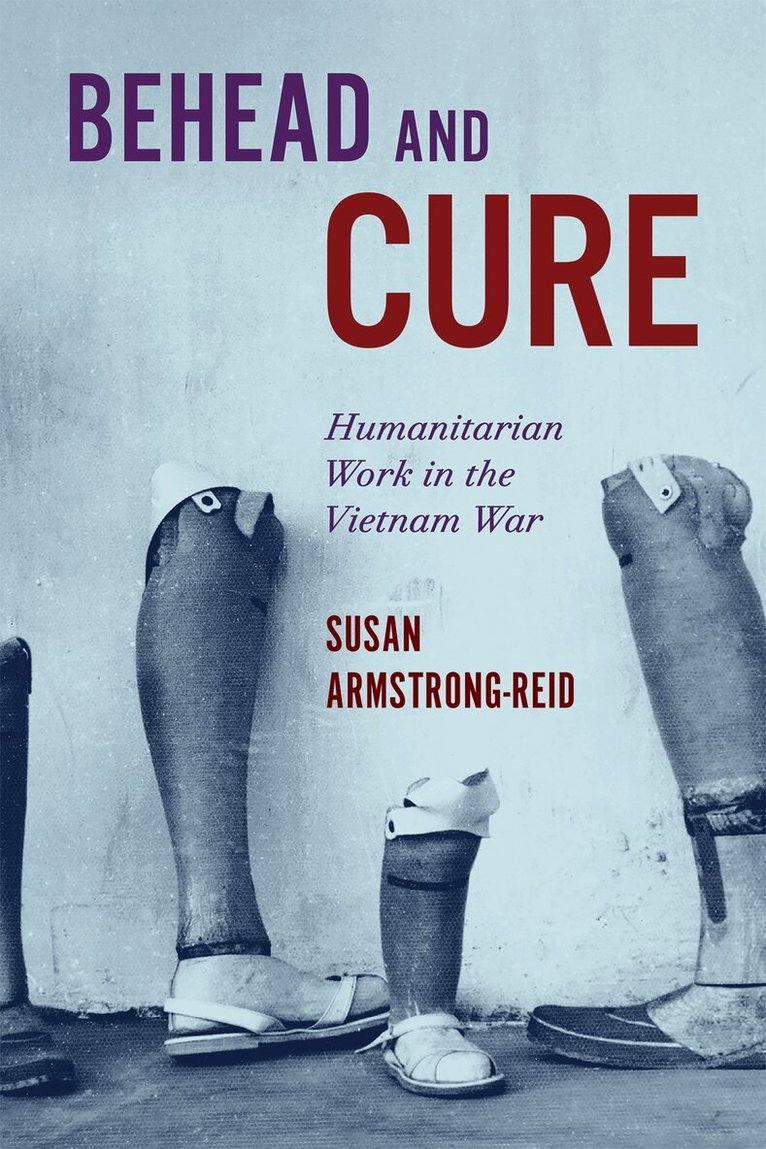
The war in Vietnam was an ethical minefield for the medical humanitarians who volunteered to treat the injured and dying. The United States government used humanitarian aid as a counterinsurgency strategy and weapon of war. The Vietnamese people could not understand why the Americans and their allies sought at once to attack them and to save them by providing medical care. Civilian medical teams increasingly questioned their complicity in the war and whether neutrality was possible.Behead and Cure explores the ethics of humanitarianism in Vietnam through the stories of seven medical teams from the United States, Britain, Canada, and Australia. Non-combatant women played key roles in all aspects of caring for civilians; this book repositions them from the sidelines of the Vietnam War to the centre. Drawing on interviews and first-hand accounts, Susan Armstrong-Reid considers how personality, life experience, place, and the culture of medical teams affected women's professional and personal lives in Vietnam and their lives afterwards. Confronted daily with the horrors of war, they were expected to fulfill their gendered roles as purveyors of Western medical care, humanitarian ambassadors, and models of femininity. Some proved resilient and pursued a lifelong commitment to peace movements and humanitarian causes. Others suffered burnout and sought to expunge the memory of their years in Vietnam.Behead and Cure provides a new perspective on the ethical dilemmas facing humanitarian workers and the collateral human costs of war that remain timely today. It reveals how the experience of Vietnam changed humanitarians' views of their profession, their own countries' foreign policies, and the place of the United States in the world.
930 kr
Skickas inom 7-10 vardagar
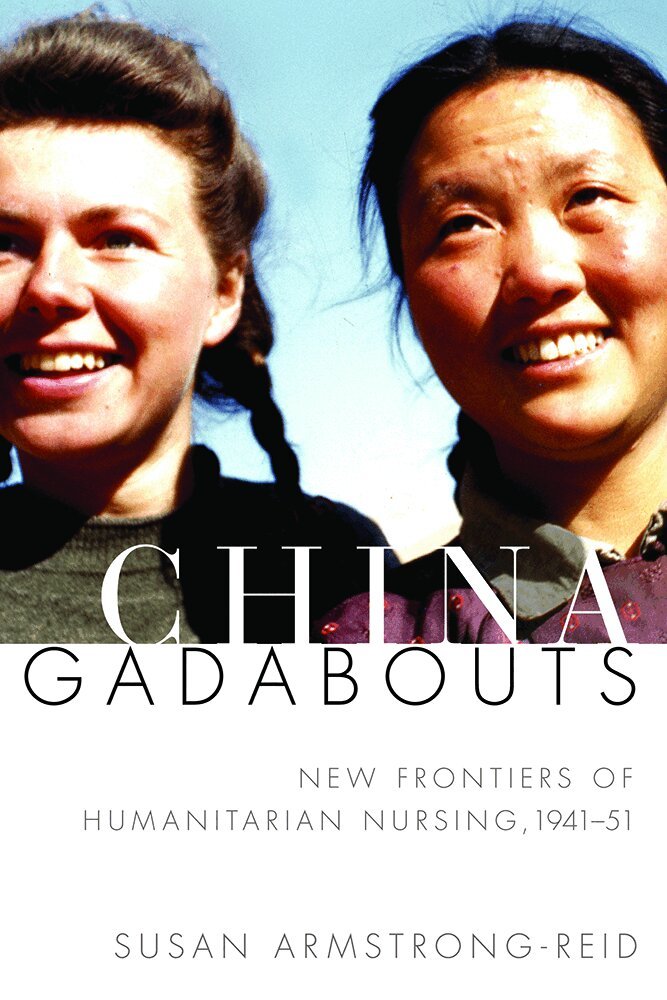
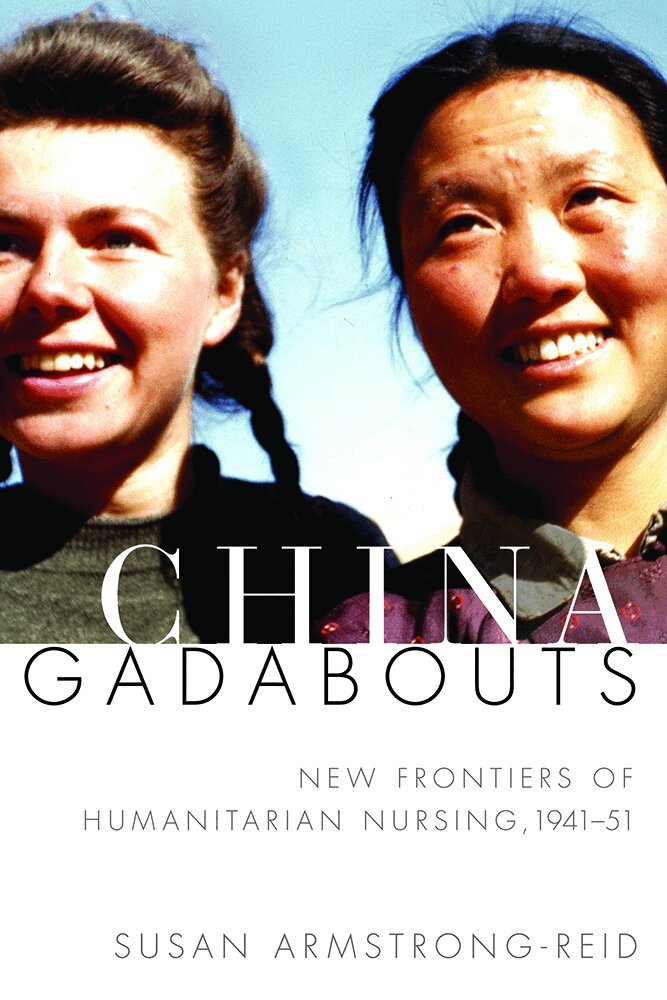
The Sino-Japanese War (1937–45) had a devastating impact on China's civilian population. Braving bandits, disease, and dangerous roads, the China Convoy – a Quaker-sponsored humanitarian unit – delivered medical supplies and provided famine relief in the unoccupied territory of "Free China" and later to both sides in the ensuing civil war. China Gadabouts examines the contested roles played by Western and Chinese nurses in the Convoy's humanitarian efforts from 1941 to 1951. In so doing, it re-examines the quandaries of Quakers' purportedly apolitical global engagement that remain salient for contemporary humanitarians. Susan Armstrong-Reid explores how this work gave meaning to the women's lives and how they attempted to carve out personal and professional space despite a chaotic, unfamiliar, and occasionally hostile environment. China Gadabouts illuminates the ethical dilemmas, professional challenges, and opportunities presented by humanitarian nursing within a Western-based relief organization, while acknowledging its contentious imperial role. In doing so, it spotlights an understudied area of global nursing – its role within INGOs, now more active than ever in global health care.
389 kr
Skickas inom 7-10 vardagar
The Sino-Japanese War (1937–45) had a devastating impact on China's civilian population. Braving bandits, disease, and dangerous roads, the China Convoy – a Quaker-sponsored humanitarian unit – delivered medical supplies and provided famine relief in the unoccupied territory of "Free China" and later to both sides in the ensuing civil war. China Gadabouts examines the contested roles played by Western and Chinese nurses in the Convoy's humanitarian efforts from 1941 to 1951. In so doing, it re-examines the quandaries of Quakers' purportedly apolitical global engagement that remain salient for contemporary humanitarians. Susan Armstrong-Reid explores how this work gave meaning to the women's lives and how they attempted to carve out personal and professional space despite a chaotic, unfamiliar, and occasionally hostile environment. China Gadabouts illuminates the ethical dilemmas, professional challenges, and opportunities presented by humanitarian nursing within a Western-based relief organization, while acknowledging its contentious imperial role. In doing so, it spotlights an understudied area of global nursing – its role within INGOs, now more active than ever in global health care.