Susan Colbourn - Böcker
Visar alla böcker från författaren Susan Colbourn. Handla med fri frakt och snabb leverans.
2 produkter
2 produkter
980 kr
Skickas inom 7-10 vardagar
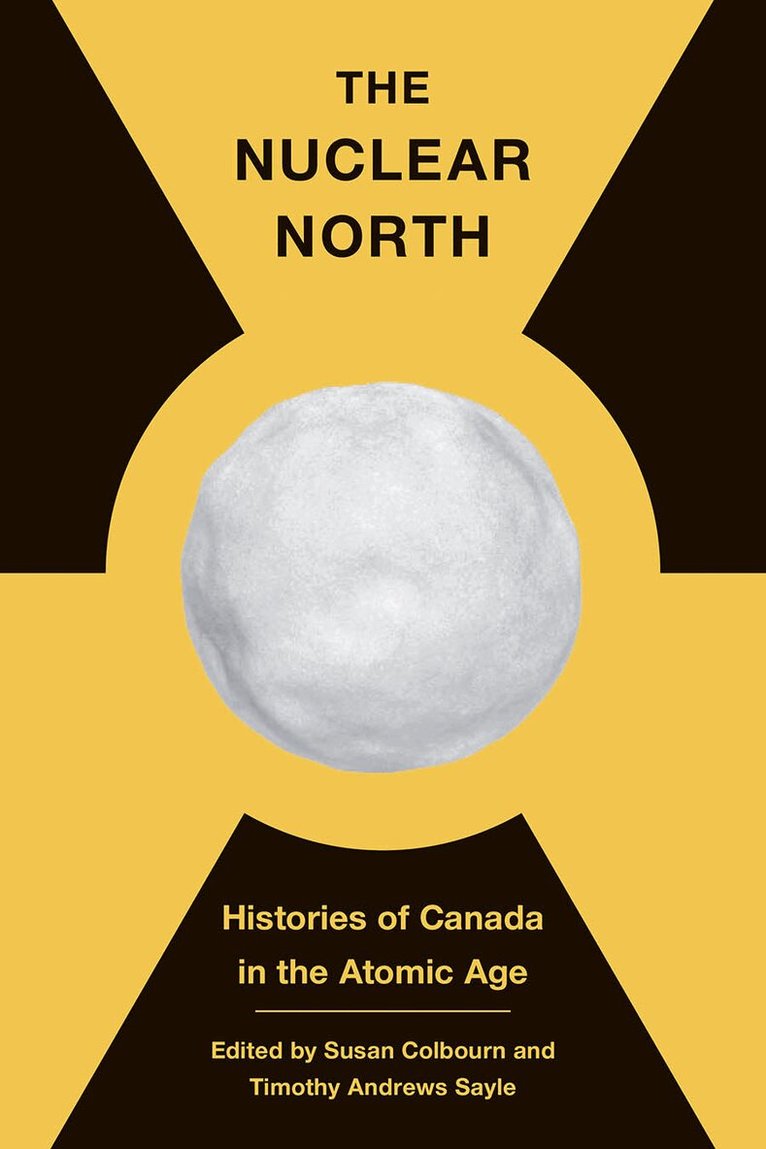
Since the first atomic weapon was detonated in 1945, Canadians have debated not only the role of nuclear power in their uranium-rich land but also their country's role in a nuclear world.The Nuclear North investigates critical questions in these ongoing debates. Should Canada belong to international alliances that depend on the threat of using nuclear weapons for their own security? Should Canadian-produced nuclear technologies be exported to potential proliferators? Does the country's championing of arms control and disarmament on the global stage matter? What about the domestic costs of nuclear technologies and atomic research, including their impact on local communities and the environment?The contributors to this important collection consider how the atomic age has shaped Canadian policies at home and abroad. Their incisive assessment of the country's nuclear history engages with much larger debates about national identity, Canadian foreign policy contradictions during the Cold War, and Canada's place in the international order.
405 kr
Skickas inom 10-15 vardagar
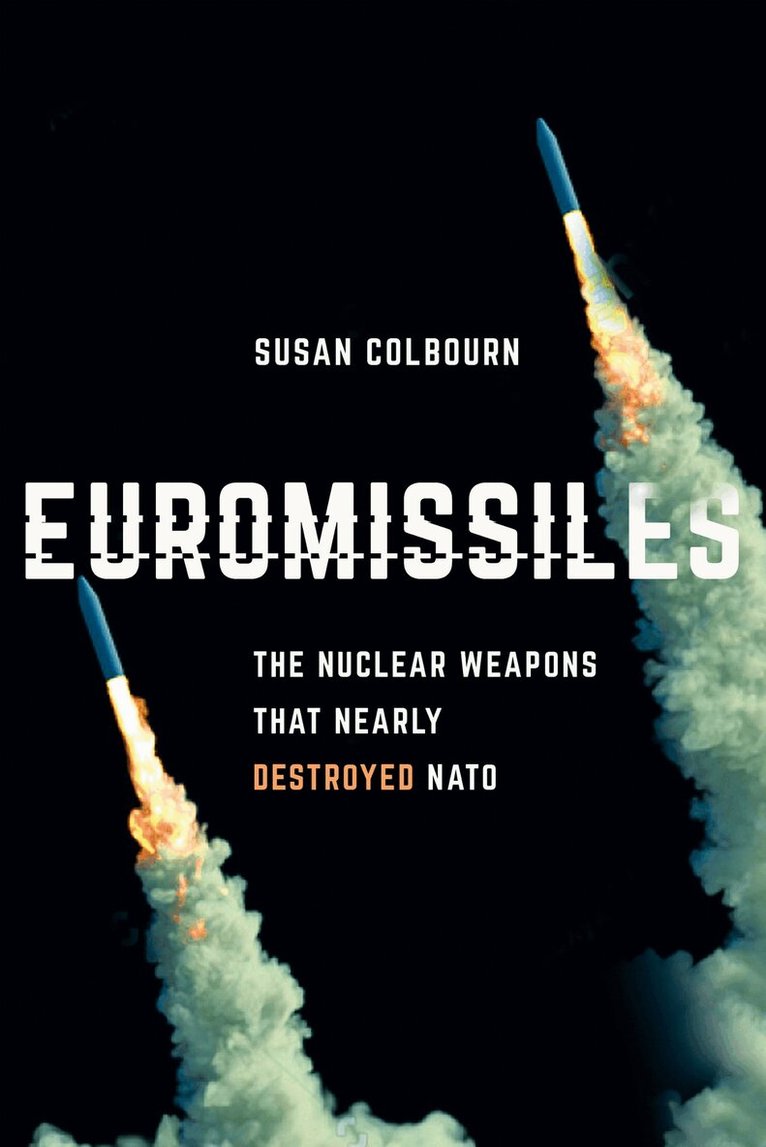
In Euromissiles, Susan Colbourn tells the story of the height of nuclear crisis and the remarkable waning of the fear that gripped the globe. In the Cold War conflict that pitted nuclear superpowers against one another, Europe was the principal battleground. Washington and Moscow had troops on the ground and missiles in the fields of their respective allies, the NATO nations and the states of the Warsaw Pact. Euromissiles—intermediate-range nuclear weapons to be used exclusively in the regional theater of war—highlighted how the peoples of Europe were dangerously placed between hammer and anvil. That made European leaders uncomfortable and pushed fearful masses into the streets demanding peace in their time. At the center of the story is NATO. Colbourn highlights the weakness of the alliance seen by many as the most effective bulwark against Soviet aggression. Divided among themselves and uncertain about the depth of US support, the member states were riven by the missile issue. This strategic crisis was, as much as any summit meeting between US president Ronald Reagan and Soviet general secretary Mikhail Gorbachev, the hinge on which the Cold War turned. Euromissiles is a history of diplomacy and alliances, social movements and strategy, nuclear weapons and nagging fears, and politics. To tell that history, Colbourn takes a long view of the strategic crisis—from the emerging dilemmas of allied defense in the early 1950s through the aftermath of the INF Treaty thirty-five years later. The result is a dramatic and sweeping tale that changes the way we think about the Cold War and its culmination.