Timothy Andrews Sayle - Böcker
Visar alla böcker från författaren Timothy Andrews Sayle. Handla med fri frakt och snabb leverans.
7 produkter
7 produkter
982 kr
Skickas inom 7-10 vardagar
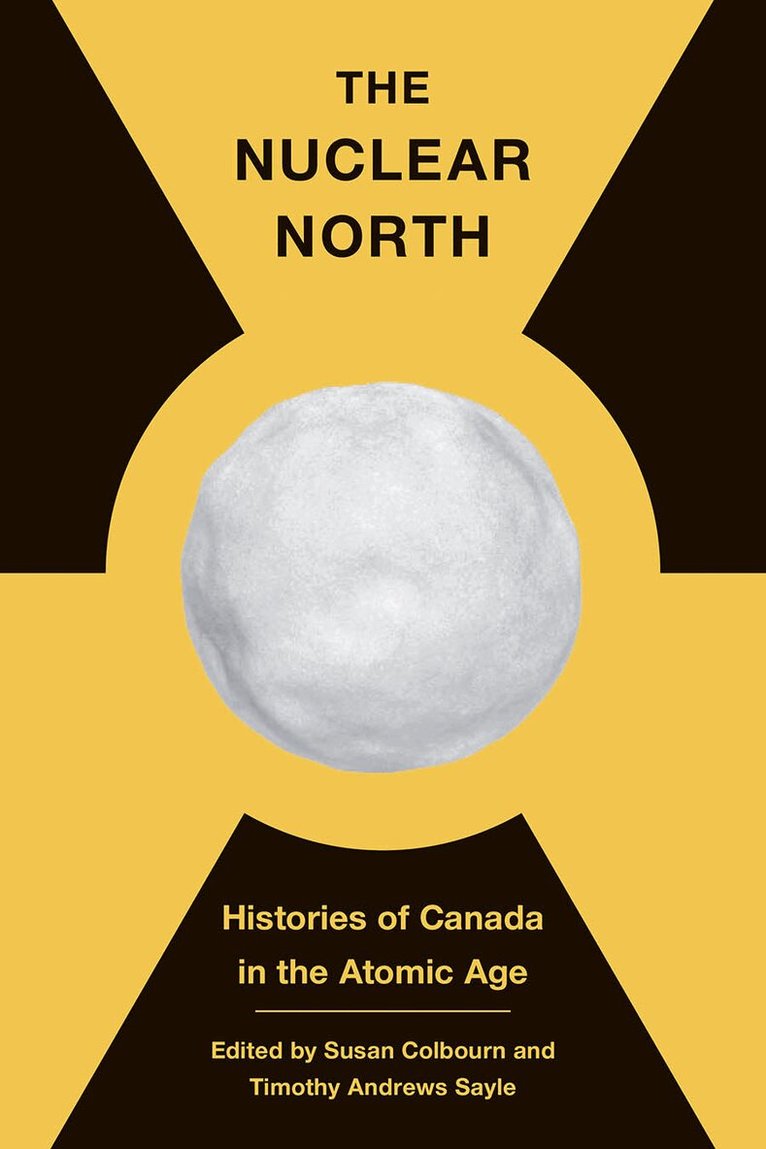
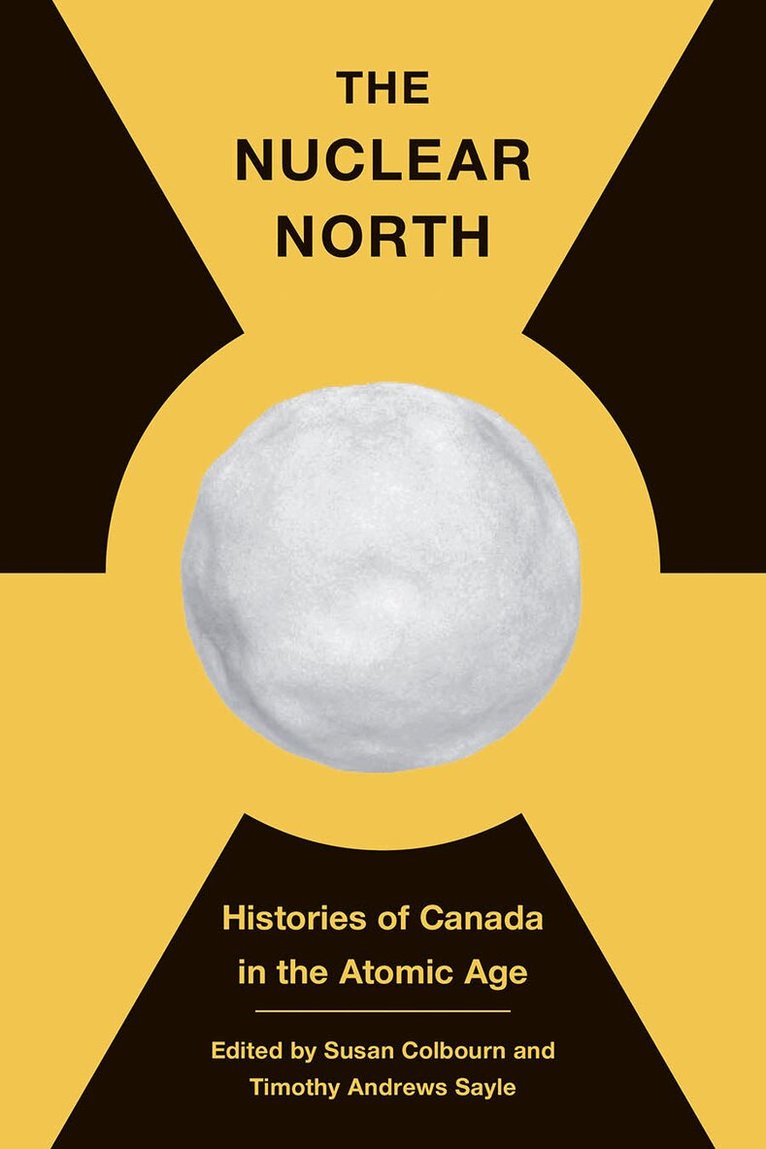
Since the first atomic weapon was detonated in 1945, Canadians have debated not only the role of nuclear power in their uranium-rich land but also their country's role in a nuclear world.The Nuclear North investigates critical questions in these ongoing debates. Should Canada belong to international alliances that depend on the threat of using nuclear weapons for their own security? Should Canadian-produced nuclear technologies be exported to potential proliferators? Does the country's championing of arms control and disarmament on the global stage matter? What about the domestic costs of nuclear technologies and atomic research, including their impact on local communities and the environment?The contributors to this important collection consider how the atomic age has shaped Canadian policies at home and abroad. Their incisive assessment of the country's nuclear history engages with much larger debates about national identity, Canadian foreign policy contradictions during the Cold War, and Canada's place in the international order.
2 150 kr
Skickas inom 10-15 vardagar
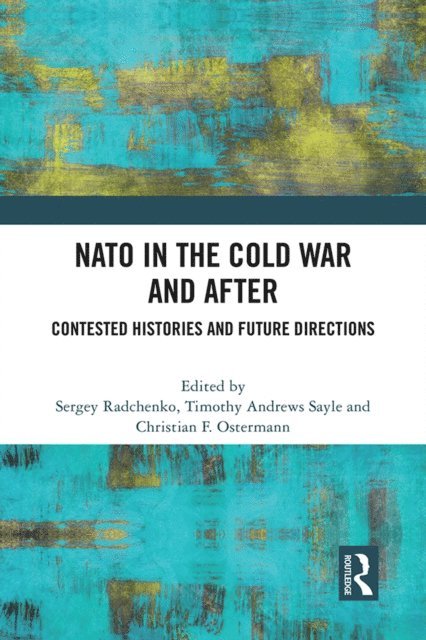
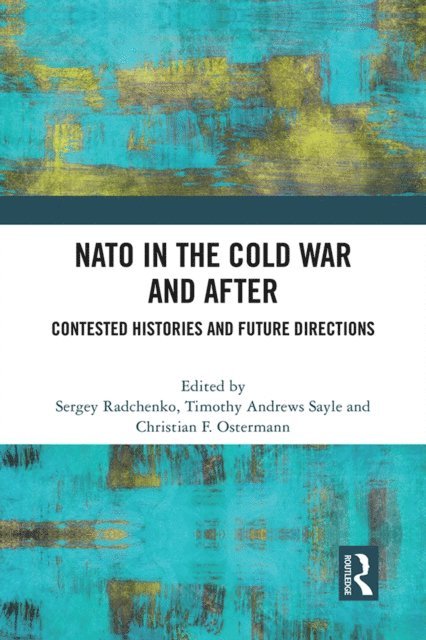
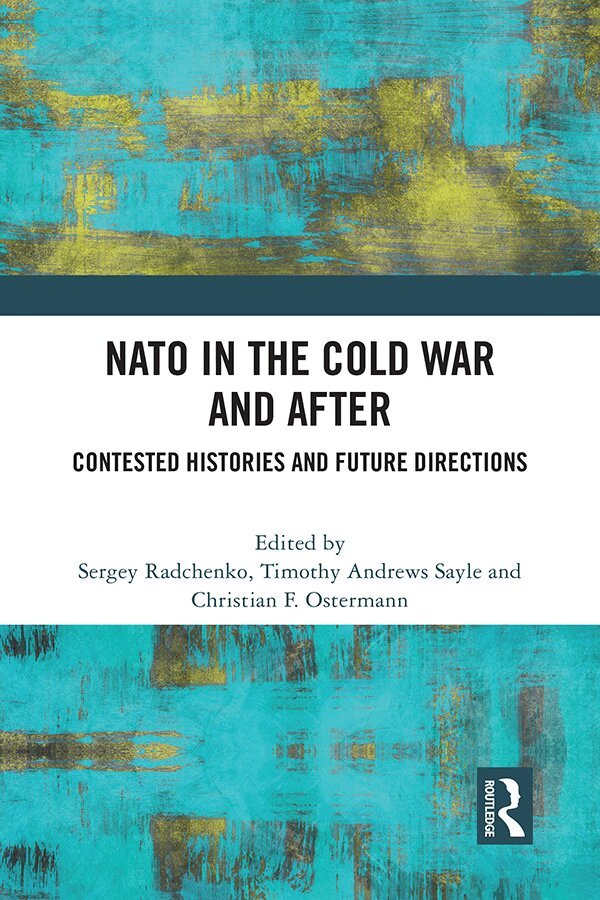
This book examines episodes in NATO’s history from the founding of the North Atlantic Alliance in 1949 to its transition to the post-Cold War order in the 1990s, with an eye to better understanding its present and its future. NATO’s history, now running over seventy years, can no longer be framed in Cold War terms alone. Nor can the organization be understood fully as a post-Cold War institution. Today’s NATO is a product of both these eras. This edited volume offers a reconsideration of NATO’s place in history, looking both at how the alliance coped with the Cold War and how it managed its difficult transition to the post-Cold War international order. Contributors recount how NATO coped with its many political and operational challenges, which on occasion threatened – but never managed to – derail the alliance. The book opens new vistas for explaining how NATO thrived and survived for decades and ponders whether it will survive for many more.The book will be of great value to scholars, students and policymakers interested in Politics, International Studies, Global Affairs and Public Policy. The chapters were originally published as a special issue of Journal of Strategic Studies.
635 kr
Skickas inom 10-15 vardagar
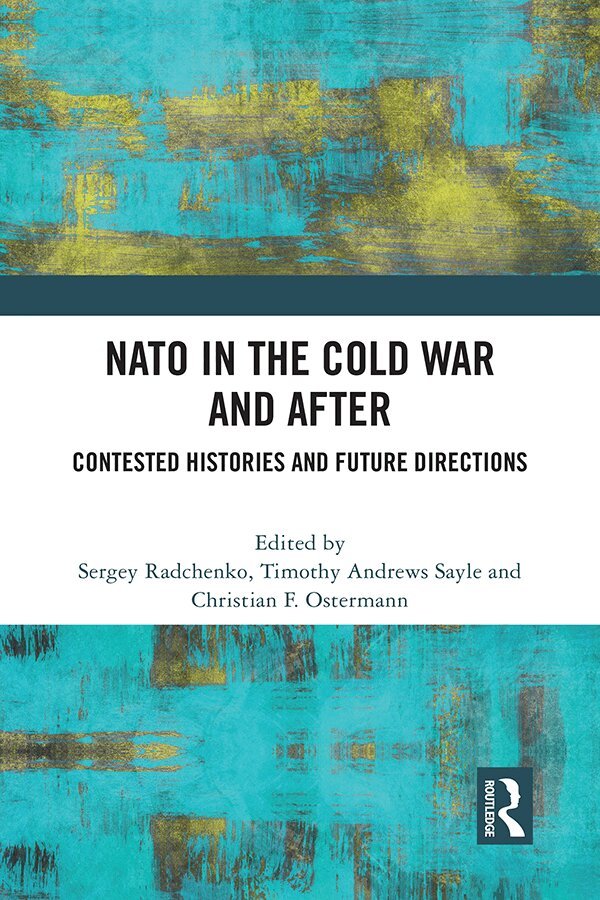
This book examines episodes in NATO’s history from the founding of the North Atlantic Alliance in 1949 to its transition to the post-Cold War order in the 1990s, with an eye to better understanding its present and its future. NATO’s history, now running over seventy years, can no longer be framed in Cold War terms alone. Nor can the organization be understood fully as a post-Cold War institution. Today’s NATO is a product of both these eras. This edited volume offers a reconsideration of NATO’s place in history, looking both at how the alliance coped with the Cold War and how it managed its difficult transition to the post-Cold War international order. Contributors recount how NATO coped with its many political and operational challenges, which on occasion threatened – but never managed to – derail the alliance. The book opens new vistas for explaining how NATO thrived and survived for decades and ponders whether it will survive for many more.The book will be of great value to scholars, students and policymakers interested in Politics, International Studies, Global Affairs and Public Policy. The chapters were originally published as a special issue of Journal of Strategic Studies.
388 kr
Skickas inom 3-6 vardagar
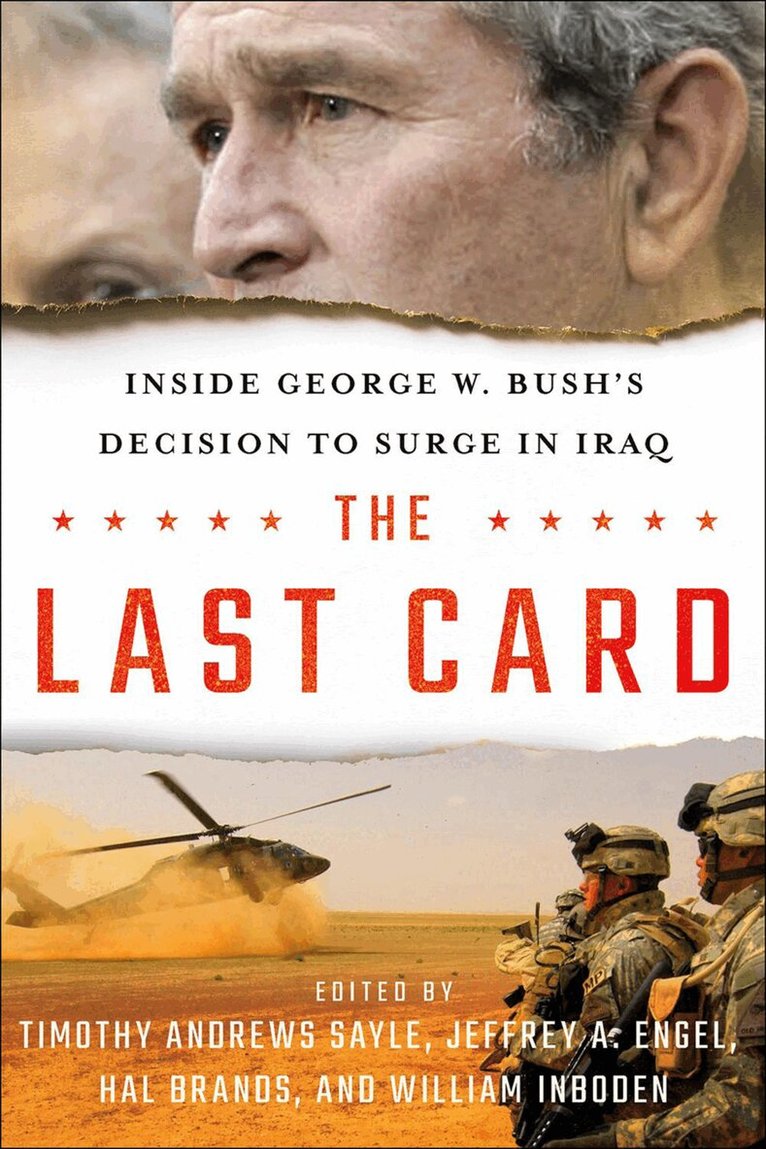
This is the real story of how George W. Bush came to double-down on Iraq in the highest stakes gamble of his entire presidency. Drawing on extensive interviews with nearly thirty senior officials, including President Bush himself, The Last Card offers an unprecedented look into the process by which Bush overruled much of the military leadership and many of his trusted advisors, and authorized the deployment of roughly 30,000 additional troops to the warzone in a bid to save Iraq from collapse in 2007.The adoption of a new counterinsurgency strategy and surge of new troops into Iraq altered the American posture in the Middle East for a decade to come. In The Last Card we have access to the deliberations among the decision-makers on Bush's national security team as they embarked on that course. In their own words, President George W. Bush, Vice President Dick Cheney, National Security Advisor Stephen Hadley, Secretary of State Condoleezza Rice, White House Chief of Staff Joshua Bolten, Secretary of Defense Robert Gates, and others, recount the debates and disputes that informed the process as President Bush weighed the historical lessons of Vietnam against the perceived strategic imperatives in the Middle East. For a president who had earlier vowed never to dictate military strategy to generals, the deliberations in the Oval Office and Situation Room in 2006 constituted a trying and fateful moment.Even a president at war is bound by rules of consensus and limited by the risk of constitutional crisis. What is to be achieved in the warzone must also be possible in Washington, D.C. Bush risked losing public esteem and courted political ruin by refusing to disengage from the costly war in Iraq. The Last Card is a portrait of leadership—firm and daring if flawed—in the Bush White House.The personal perspectives from men and women who served at the White House, Foggy Bottom, the Pentagon, and in Baghdad, are complemented by critical assessments written by leading scholars in the field of international security. Taken together, the candid interviews and probing essays are a first draft of the history of the surge and new chapter in the history of the American presidency.
388 kr
Skickas inom 3-6 vardagar
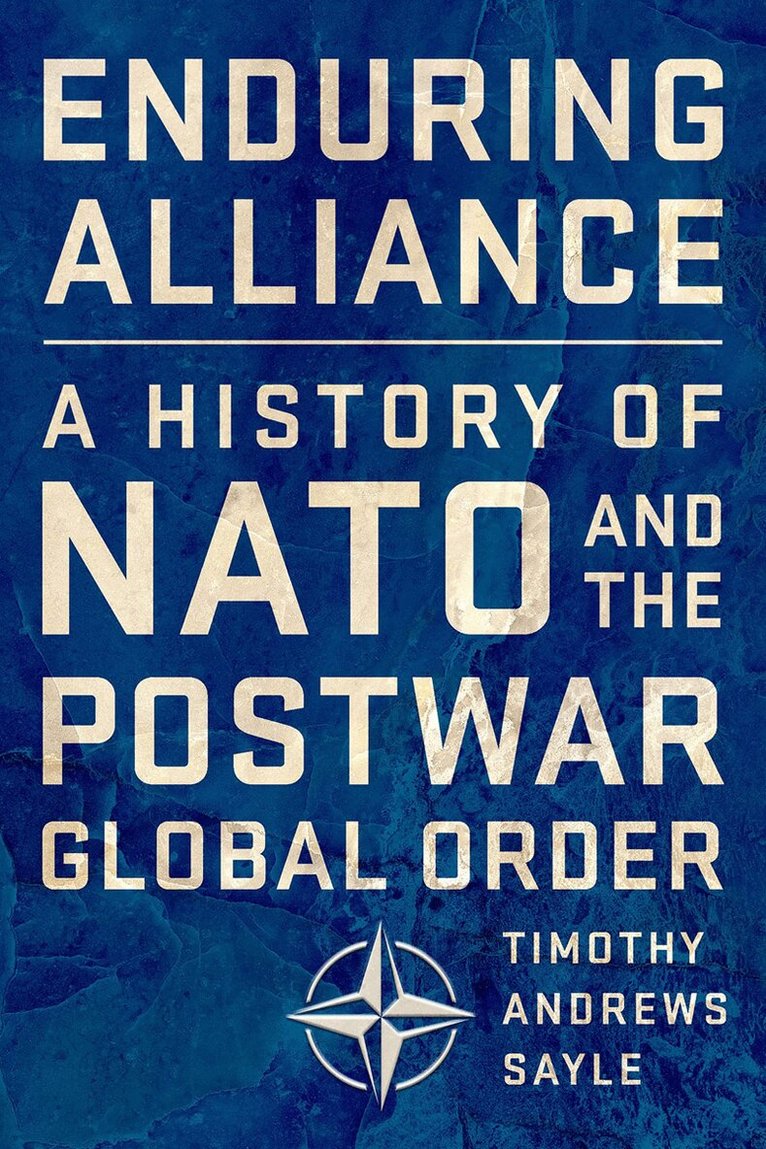
Sayle's book is a remarkably well-documented history of the NATO alliance. This is a worthwhile addition to the growing literature on NATO and a foundation for understanding its current challenges and prospects.â• ChoiceBorn from necessity, the North Atlantic Treaty Organization (NATO) has always seemed on the verge of collapse. Even now, some seventy years after its inception, some consider its foundation uncertain and its structure weak. At this moment of incipient strategic crisis, Timothy A. Sayle offers a sweeping history of the most critical alliance in the post-World War II era.In Enduring Alliance, Sayle recounts how the western European powers, along with the United States and Canada, developed a treaty to prevent encroachments by the Soviet Union and to serve as a first defense in any future military conflict. As the growing and unruly hodgepodge of countries, councils, commands, and committees inflated NATO during the Cold War, Sayle shows that the work of executive leaders, high-level diplomats, and institutional functionaries within NATO kept the alliance alive and strong in the face of changing administrations, various crises, and the flux of geopolitical maneuverings. Resilience and flexibility have been the true hallmarks of NATO.As Enduring Alliance deftly shows, the history of NATO is organized around the balance of power, preponderant military forces, and plans for nuclear war. But it is also the history riven by generational change, the introduction of new approaches to conceiving international affairs, and the difficulty of diplomacy for democracies. As NATO celebrates its seventieth anniversary, the alliance once again faces challenges to its very existence even as it maintains its place firmly at the center of western hemisphere and global affairs.
806 kr
Skickas inom 7-10 vardagar
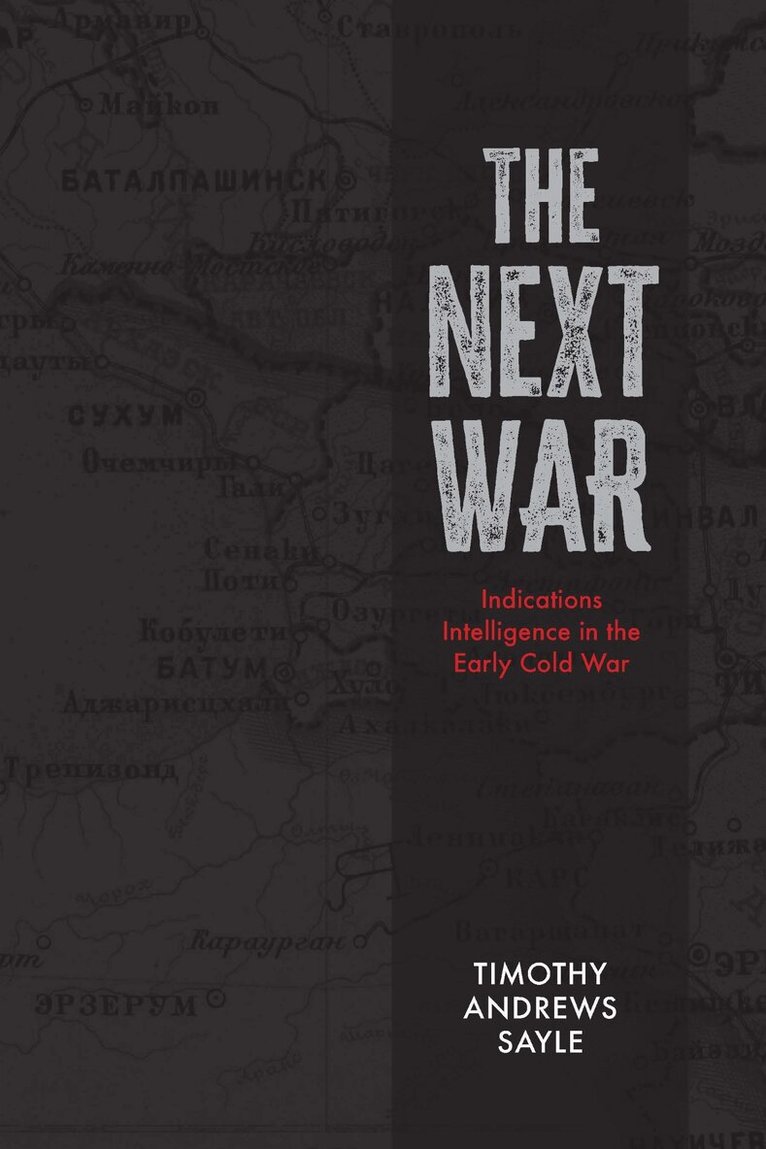
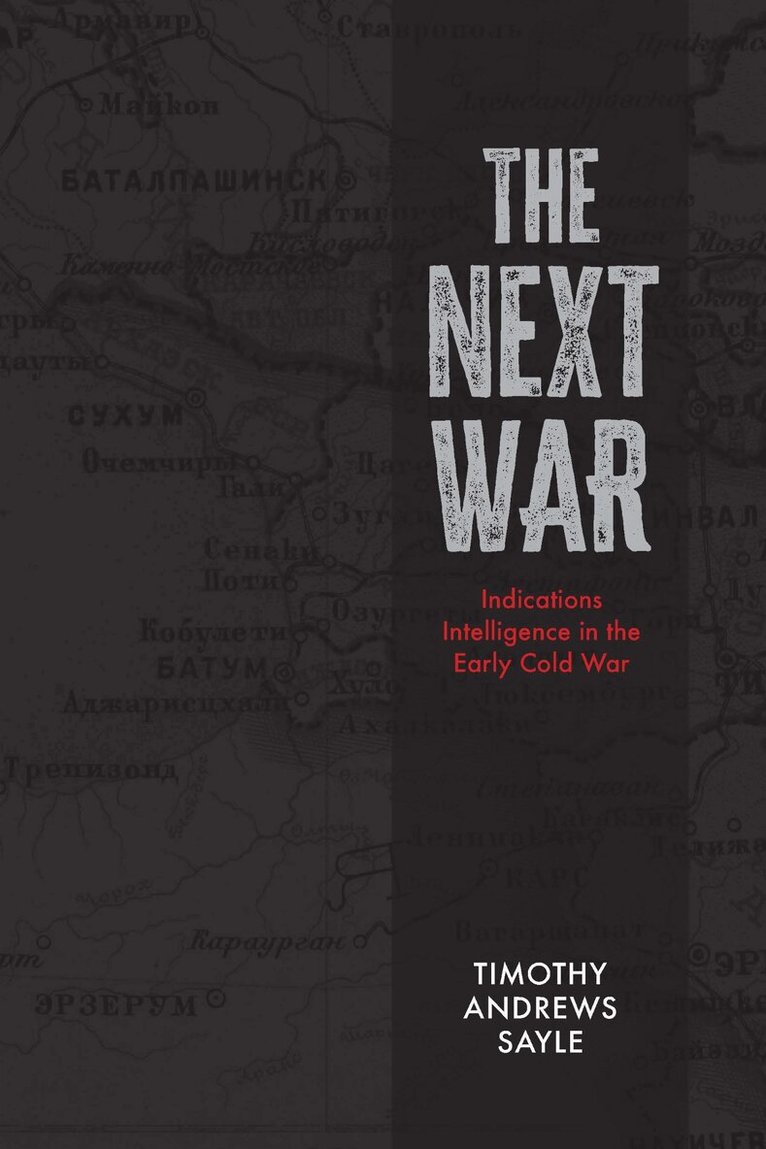
The threat of nuclear conflict loomed menacingly over the world during the Cold War. Early warning of an attack was a crucial focus for military and political intelligence. Intelligence networks in Canada, the United States, and the United Kingdom came together, forming a tripartite intelligence relationship dedicated to indications that the Cold War would turn hot. The Next War is the first full account of the development of the allied indications network. Timothy Andrews Sayle dives deeply into recently declassified documents to explore this previously hidden history. He traces the decisions and choices made by intelligence organizations in Canada, United States, and United Kingdom to coordinate their assessments despite different, sometimes conflicting, national agendas, ideological positions, and levels of trust.From early appreciations of the possibility of war with the Soviet Union to a formal agreement and communications network designed to link the intelligence establishments of Ottawa, London, and Washington, the tripartite intelligence relationship of the allied indications network established the basis for the close cooperation that continues to this day.The Next War widens our understanding of Cold War intelligence history through exemplary scholarship and extensive foraging within the documentary record. With its descriptions of the evolution of national indications intelligence structures and the diplomacy and debates between allied capitals this book explains Canada's prominent role alongside its intelligence partners.
413 kr
Skickas inom 7-10 vardagar
The threat of nuclear conflict loomed menacingly over the world during the Cold War. Early warning of an attack was a crucial focus for military and political intelligence. Intelligence networks in Canada, the United States, and the United Kingdom came together, forming a tripartite intelligence relationship dedicated to indications that the Cold War would turn hot. The Next War is the first full account of the development of the allied indications network. Timothy Andrews Sayle dives deeply into recently declassified documents to explore this previously hidden history. He traces the decisions and choices made by intelligence organizations in Canada, United States, and United Kingdom to coordinate their assessments despite different, sometimes conflicting, national agendas, ideological positions, and levels of trust.From early appreciations of the possibility of war with the Soviet Union to a formal agreement and communications network designed to link the intelligence establishments of Ottawa, London, and Washington, the tripartite intelligence relationship of the allied indications network established the basis for the close cooperation that continues to this day.The Next War widens our understanding of Cold War intelligence history through exemplary scholarship and extensive foraging within the documentary record. With its descriptions of the evolution of national indications intelligence structures and the diplomacy and debates between allied capitals this book explains Canada's prominent role alongside its intelligence partners.