Susan K. Wood SCL – författare
Visar alla böcker från författaren Susan K. Wood SCL. Handla med fri frakt och snabb leverans.
6 produkter
6 produkter
361 kr
Skickas inom 3-6 vardagar
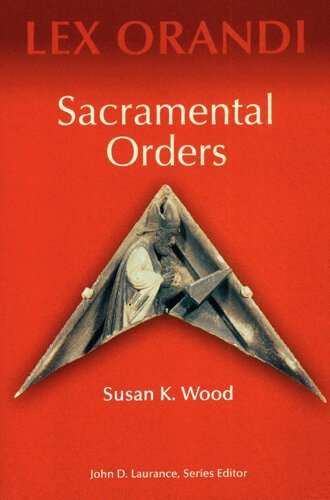
Ordained ministry cannot be understood by itself or only in its relationship with Christ. It must find its identity in relationship to the Church, for it exists to serve and build up the Church. In Sacramental Orders Susan Wood places the theology of ordained ministry within its ecclesial foundations, identifying four concepts that shed light on different aspects of ordained ministry and its relationship to the Church: a monarchical and hierarchical concept; a eucharistic, collegial model of ministry representing the communion of particular Churches; the priest, prophet, and king, which structures the concept of the Church as the people of God; and a theology of the Church as a sacrament of Christ and ordained ministry as a sacrament of the Church.Sacramental Orders is a liturgical and theological study of ordained ministry grounded in the liturgy of the 1990 typical edition of the rites. It addresses the three Orders within the one Sacrament of Order: bishop, presbyter, and deacon. By including each order with this study, the interrelationship between the three becomes more apparent, and the theology of one is allowed to inform the theology of the others. Wood points out that one of the challenges in theologies of ordained ministry today is to distinguish a bishop from a presbyter when both are ordinations to the priesthood and presbyters are assuming a greater ministry of oversight as they pastor more than one parish, and to distinguish deacons from presbyters at a time in church history when deacons are assuming more presbyteral functions.Sacramental Orders also focuses on the mutual reciprocity in the relationship between liturgical rite and the theology of the sacrament as explained in ecclesial documents. The ordination rites reflect the theology expressed by Vatican II and yet also present a theology of the sacrament embedded in the liturgical texts and actions.Chapters are The Ecclesiological Foundations of Ministry," "The Liturgical Rite of the Ordination of a Bishop," "The Sacramentality of Episcopal Consecration," "The Liturgical Rite of the Ordination of Presbyters," "Theology of the Presbyterate," "The Liturgical Rite of the Ordination of Deacons," and "Questions Concerning the Diaconate."Susan K. Wood, SCL, PhD, is Associate Professor of Theology at St. John's University, Collegeville, MN. She is the author of articles published in Theological Studies, Pro Ecclesia, One in Christ, Worship, Studia liturgica, Communio, and Studio Canonica. She is a member of the U.S. Lutheran/Roman Catholic Dialogue."
305 kr
Skickas inom 3-6 vardagar
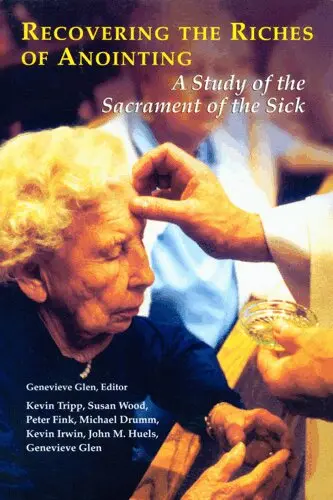
Recovering the Riches of Anointing is a collection of the papers presented at an international symposium sponsored by the National Association of Catholic Chaplains (NACC) as part of a long-term exploration of topics of theological and pastoral concern in pastoral care of the sick. This book looks at the anointing of the sick from the vantage point of theology, history, and canon law.Since Vatican II the training and commissioning of lay Eucharistic ministers has enabled the sick and dying to receive the nourishment of Christ's body and blood regularly in their confinement at home or an institution. The sacraments of penance and the anointing of the sick, however, have become less and less available as the number of ordained priests in chaplaincy is decreasing. In response to this pastoral problem Bishop Richard J. Sklba, auxiliary bishop of Milwaukee, suggested that the NACC gather theologians together to explore the history and practice of this sacrament and other rituals in the rich tradition of the Church. Thus the papers concerning this particular sacramental ministry were written and delivered at this conference.Recovering the Riches of Anointing will be helpful for professional ministers of pastoral care; professional pastoral, liturgical, and sacramental theologians; and those engaged in pastoral ministry formation.Chapters and contributors are Introduction," by Kevin Tripp and Genevieve Glen, OSB; "The Paschal Mystery: The Intersection of Ecclesiology and Sacramental Theology in the Care of the Sick," by Susan K. Wood, SCL; "Anointing of the Sick and the Forgiveness of Sins," by Peter E. Fink, SJ; "The Practice of Anointing and the Development of the Doctrine," by Michal Drumm; "The Development of Sacramental Doctrine in the Church: Theory and Practice," by Kevin Irwin; "Ministers and Rites for the Sick and Dying: Canon Law and Pastoral Options," by John M. Huels, OSM; and "Going Forth in the Spirit: The Road Before Us," by Genevieve Glen, OSBGenevieve Glen, OSB, is oblate director and a member of the retreat staff at the Abbey of St. Walburga in Virginia Dale, Colorado. She has written and lectured extensively on liturgical theology and spirituality."
408 kr
Skickas inom 3-6 vardagar
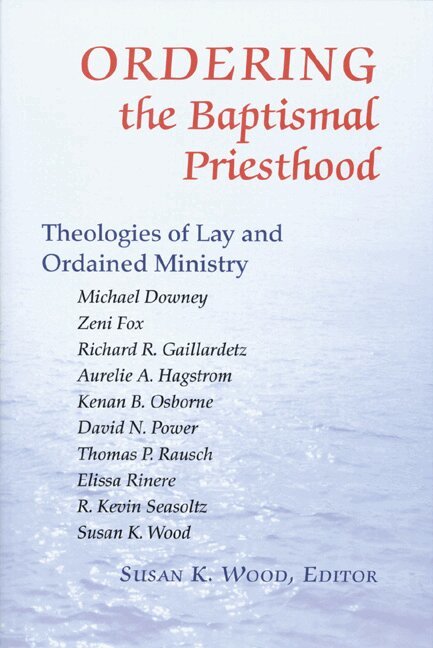
Profound conflicts mark the theology and practice of ministry in the Roman Catholic Church today. The affirmation of lay ministry rooted in baptism has left many priests and potential priests questioning their identity in the Church. Some lay ministers resent what they see as prerogatives and privileges accorded to the ordained. While some members of the Church are attempting to reclaim an identity for the ordained based on hierarchical and juridical powers, others are rejecting the very notion of the distinctive ministry of the ordained. Both lines of thinking betray the Vision of Vatican II and the formative traditions of the Church.Ordering the Baptismal Priesthood affirms lay and ordained ministry today and proposes seven convergence points as principles to shape a theology of ordered ministries. Ordered ministry grounded in baptism constitutes a repositioning of the minister in the Church and provides a way forward in articulating a contemporary theology of ministry. Such a theology respects the role of the laity in both the spiritual and temporal orders. It offers a way to account for more stale ministry on the part of the laity who have prepared themselves formationally and professionally for service to the Church. It officially positions their contributions among recognized ministries in the name of the Church. Finally, it heals the divide that too often separates the lay and the ordained by allowing for a diversity of ordered ministries within the official ministry of the Church.Chapters and contributors are Ministerial Identity: A Question of Common Foundations," by Michael Downey; *The Ecclesiological Foundations of Ministry within an Ordered Communion, - by Richard R. Gaillardetz; *Ministry and Ministries, - by Thomas P. Rausch, SJ; *Canon Law and Emerging Understandings of Ministry, - by Elissa Rinere, CP; *Priesthood Revisited: Mission and Ministries in the Royal Priesthood, - by David N. Power, OMI; *Laity, Ministry, and Secular Character, - by Zeni Fox; *The Secular Character of the Vocation and Mission of the Laity: Towards a Theology of Ecclesial Lay Ministry, - by Aurelie A. Hagstrom; *Presbyteral Identity within Parish Identity, - by Susan K. Wood, SCL; *Envisioning a Theology of Ordained and Lay Ministry: Lay/Ordained Ministry - Current Issues of Ambiguity, - by Kenan B. Osborne, OFM; *Institutes of Consecrated Life: Identity, Integrity, and Ministry, - by R. Kevin Seasoltz, OSB; and *Conclusion: Convergence Points Toward a Theology of Ordered Ministries, - by Susan K. Wood, SCLSusan K. Wood, SCL, PhD, is professor of theology at St. John's University, Collegeville, Minnesota, and a member of the U.S. Lutheran/Roman Catholic Dialogue. She is the author of Sacramental Orders published by Liturgical Press."
361 kr
Skickas inom 3-6 vardagar
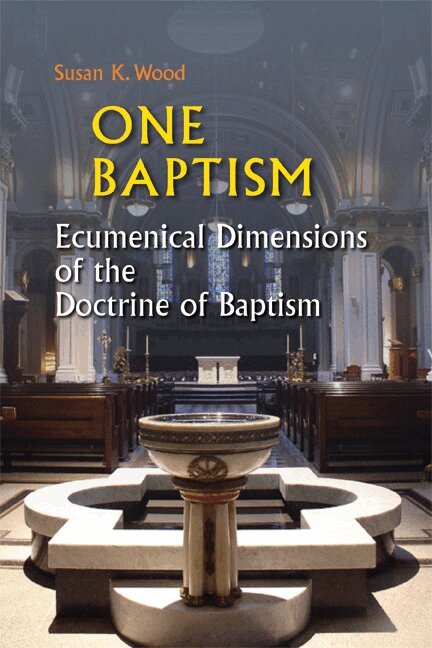
Most Christians would say that baptism is the one sacrament Christians of all denominations share, that it is the source of ecumenical unity among all Christian churches. But how true is that? Is there really one baptism," as we profess in the Nicene Creed? If we disagree about what baptism does, can we really say that baptism unites us? To address this central question Susan Wood brings together the history and theology of baptism (systematic, sacramental, and liturgical), focusing especially on the divergent paths taken in the understanding of the sacrament since the Reformation. Founded not only in her study of theology but also in her years of participation in ecumenical dialogues, her perspective will illuminate this problem for readers and point the way toward deeper understanding.
608 kr
Skickas inom 10-15 vardagar
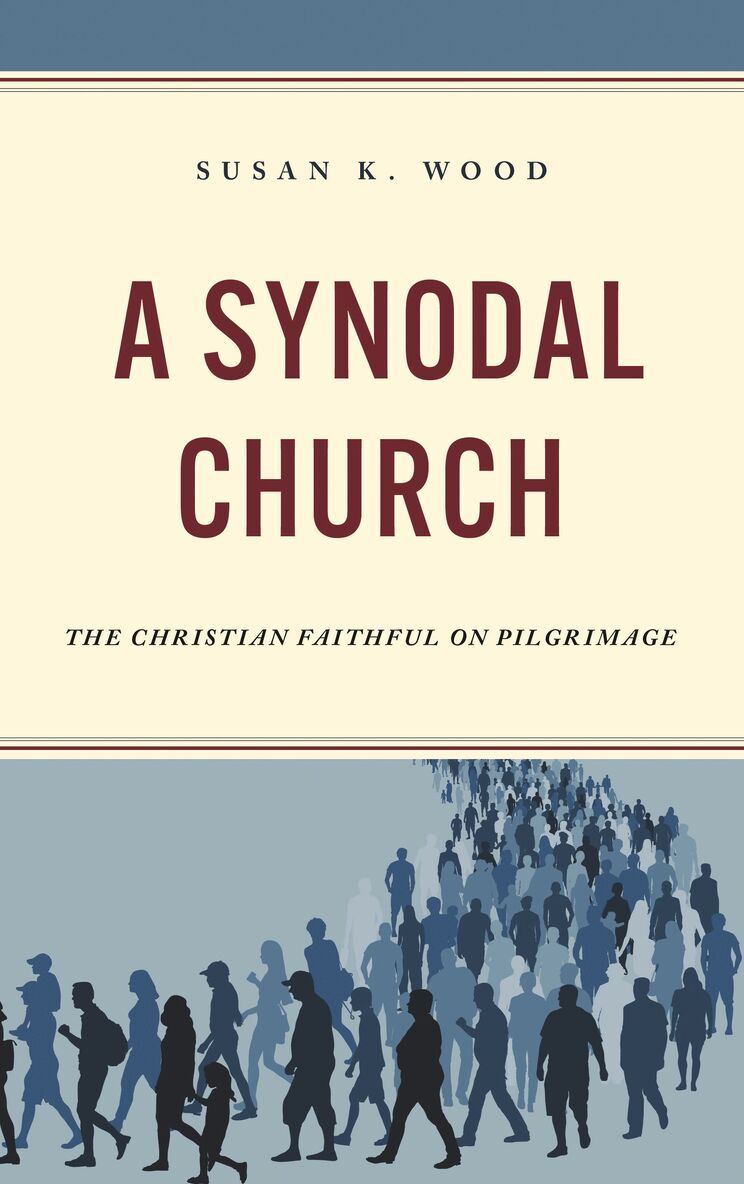
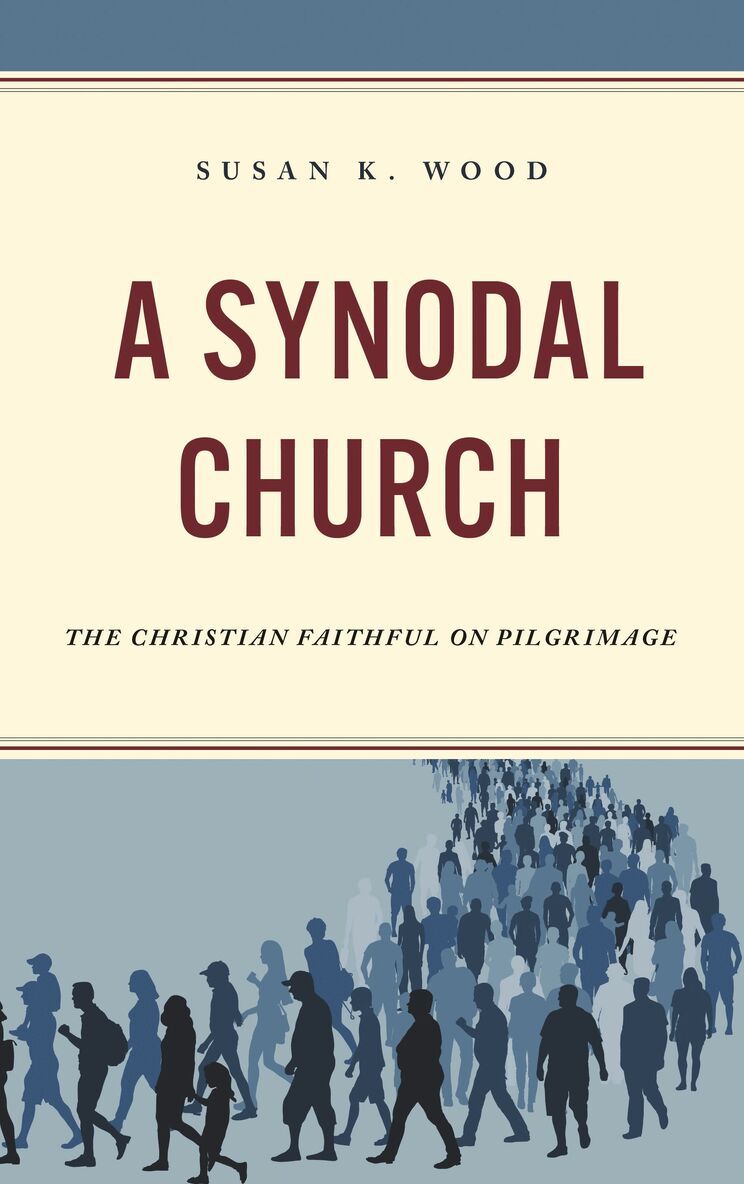
Beyond the occasional events of synods in the Catholic church, and beyond practices of synodality, stands a church that is synodal in its very nature. This ecclesial identity has its roots in baptism and the formation of the people of God prior to any subsequent division into laity and clergy. These baptismal roots also point to the missional orientation of the church, indicating that a synodal church is not self-referential, but serves the proclamation of God’s saving mercy to a world thirsty for hope and healing.A synodal church is a church on pilgrimage, a church in movement that finds its path by drawing on the accumulated wisdom of the whole people of God as they journey together. This book shows that the path forward only becomes clearer step by step through a process of dialogue, conversion, and co-responsibility. The journey takes place in different locales and different contexts, consequently requiring adaptation to accommodate the circumstances of local churches. Yet, this diversified and de-centered church also requires structures to keep it in communion and unity. Any reform of church structures, including practices of synodality, serves the communion and mission of the church. Other Christian communions, Anglicans and Lutherans among them, have traveled the path of synodality. The Catholic Church can learn from their experience in the spirit of receptive ecumenism.
207 kr
Skickas inom 10-15 vardagar
Beyond the occasional events of synods in the Catholic church, and beyond practices of synodality, stands a church that is synodal in its very nature. This ecclesial identity has its roots in baptism and the formation of the people of God prior to any subsequent division into laity and clergy. These baptismal roots also point to the missional orientation of the church, indicating that a synodal church is not self-referential, but serves the proclamation of God’s saving mercy to a world thirsty for hope and healing.A synodal church is a church on pilgrimage, a church in movement that finds its path by drawing on the accumulated wisdom of the whole people of God as they journey together. This book shows that the path forward only becomes clearer step by step through a process of dialogue, conversion, and co-responsibility. The journey takes place in different locales and different contexts, consequently requiring adaptation to accommodate the circumstances of local churches. Yet, this diversified and de-centered church also requires structures to keep it in communion and unity. Any reform of church structures, including practices of synodality, serves the communion and mission of the church. Other Christian communions, Anglicans and Lutherans among them, have traveled the path of synodality. The Catholic Church can learn from their experience in the spirit of receptive ecumenism.