Susan M. Kooiman - Böcker
Visar alla böcker från författaren Susan M. Kooiman. Handla med fri frakt och snabb leverans.
4 produkter
4 produkter
1 100 kr
Skickas inom 10-15 vardagar
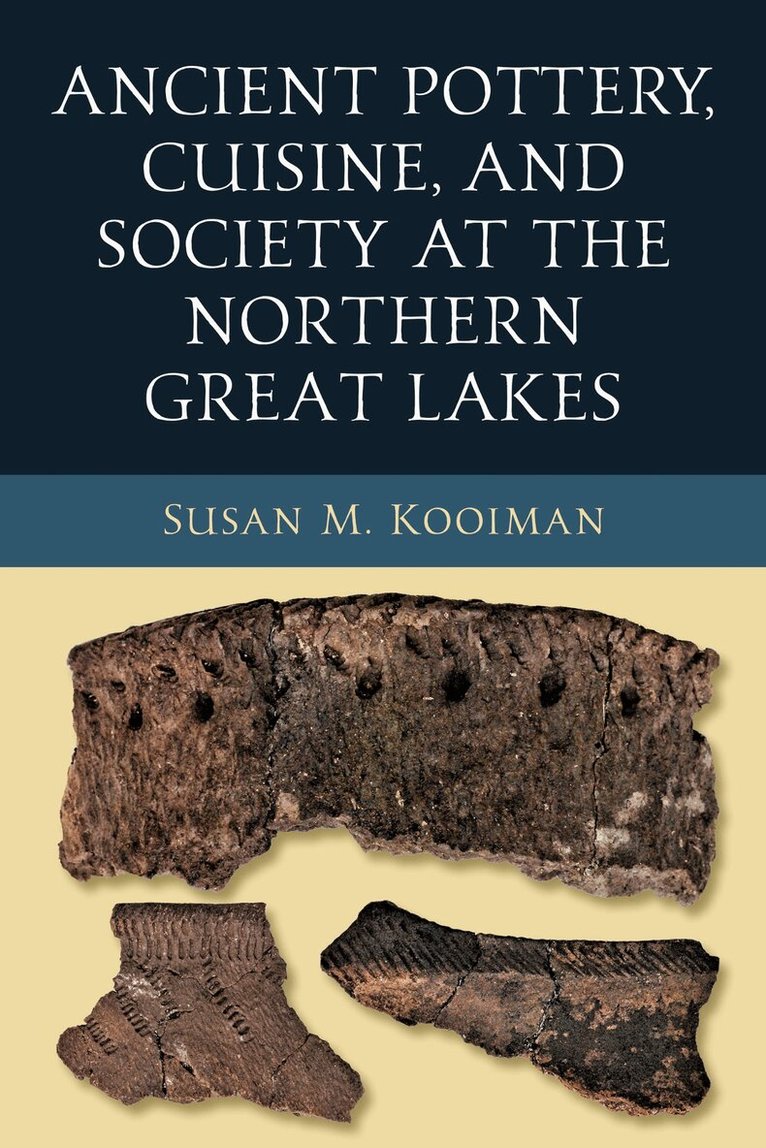
This innovative archaeological study of diet and cooking technology sheds light on ancient cuisine.Ancient cuisine is one of the hot topics in today's archaeology. This book explores changing settlement and subsistence in the Northern Great Lakes from the perspective of food-processing technology and cooking. Susan Kooiman examines precontact Indigenous pottery from the Cloudman site on Drummond Island on the far eastern end of Michigan's Upper Peninsula to investigate both how pottery technology, pottery use, diet, and cooking habits change over time and how these changes relate to hypothesized transitions in subsistence, settlement, and social patterns among Indigenous pottery-making groups in this area.Kooiman demonstrates that ceramic technology and cooking techniques evolved to facilitate new subsistence and processing needs. Her interpretations of past cuisine and culinary identities are further supported and enhanced through comparisons with ethnographic and ethnohistoric accounts of local Indigenous cooking and diet. The complementary nature of these diverse methods demonstrates a complex interplay of technology, environment, and social relationships, and underscores the potential applications of such an analytic suite to long-standing questions in the Northern Great Lakes and other archaeological contexts worldwide. This clearly written book will interest students and scholars of archaeology and anthropology, as well as armchair archaeologists who want to learn more about Indigenous/Native American studies, food studies and cuisine, pottery, cooking, and food history.
485 kr
Skickas inom 10-15 vardagar
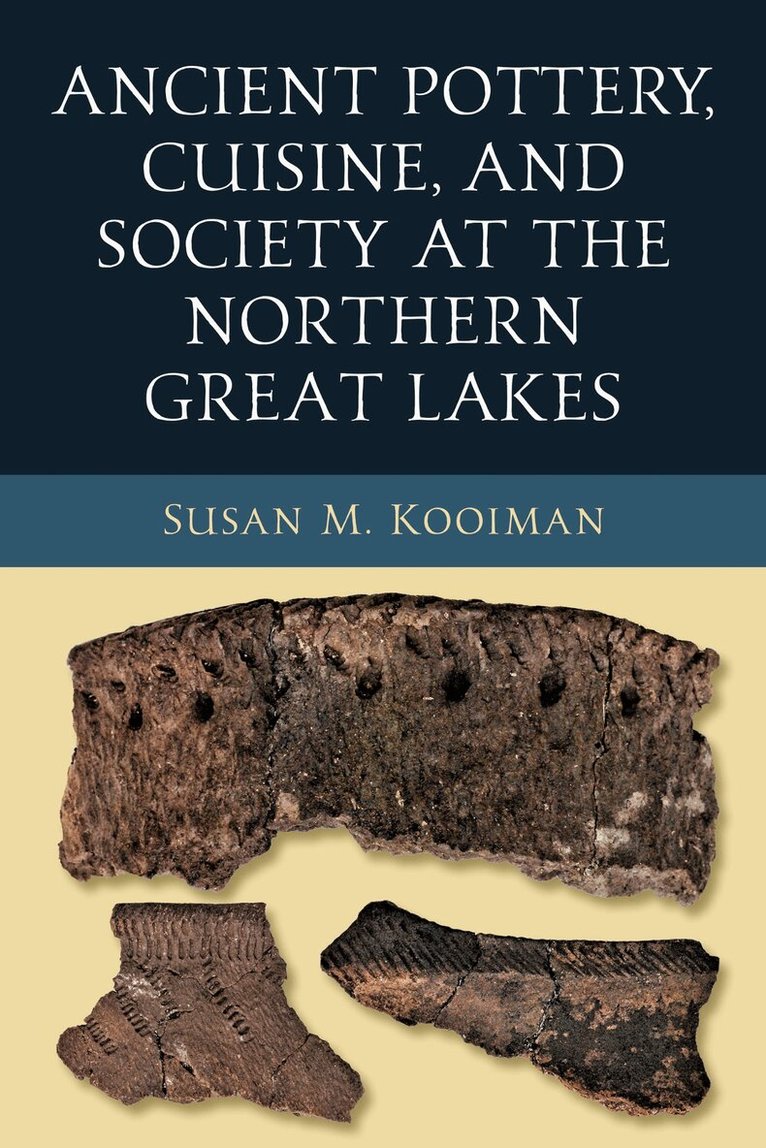
This innovative archaeological study of diet and cooking technology sheds light on ancient cuisine.Ancient cuisine is one of the hot topics in today's archaeology. This book explores changing settlement and subsistence in the Northern Great Lakes from the perspective of food-processing technology and cooking. Susan Kooiman examines precontact Indigenous pottery from the Cloudman site on Drummond Island on the far eastern end of Michigan's Upper Peninsula to investigate both how pottery technology, pottery use, diet, and cooking habits change over time and how these changes relate to hypothesized transitions in subsistence, settlement, and social patterns among Indigenous pottery-making groups in this area.Kooiman demonstrates that ceramic technology and cooking techniques evolved to facilitate new subsistence and processing needs. Her interpretations of past cuisine and culinary identities are further supported and enhanced through comparisons with ethnographic and ethnohistoric accounts of local Indigenous cooking and diet. The complementary nature of these diverse methods demonstrates a complex interplay of technology, environment, and social relationships, and underscores the potential applications of such an analytic suite to long-standing questions in the Northern Great Lakes and other archaeological contexts worldwide. This clearly written book will interest students and scholars of archaeology and anthropology, as well as armchair archaeologists who want to learn more about Indigenous/Native American studies, food studies and cuisine, pottery, cooking, and food history.
1 197 kr
Skickas inom 7-10 vardagar
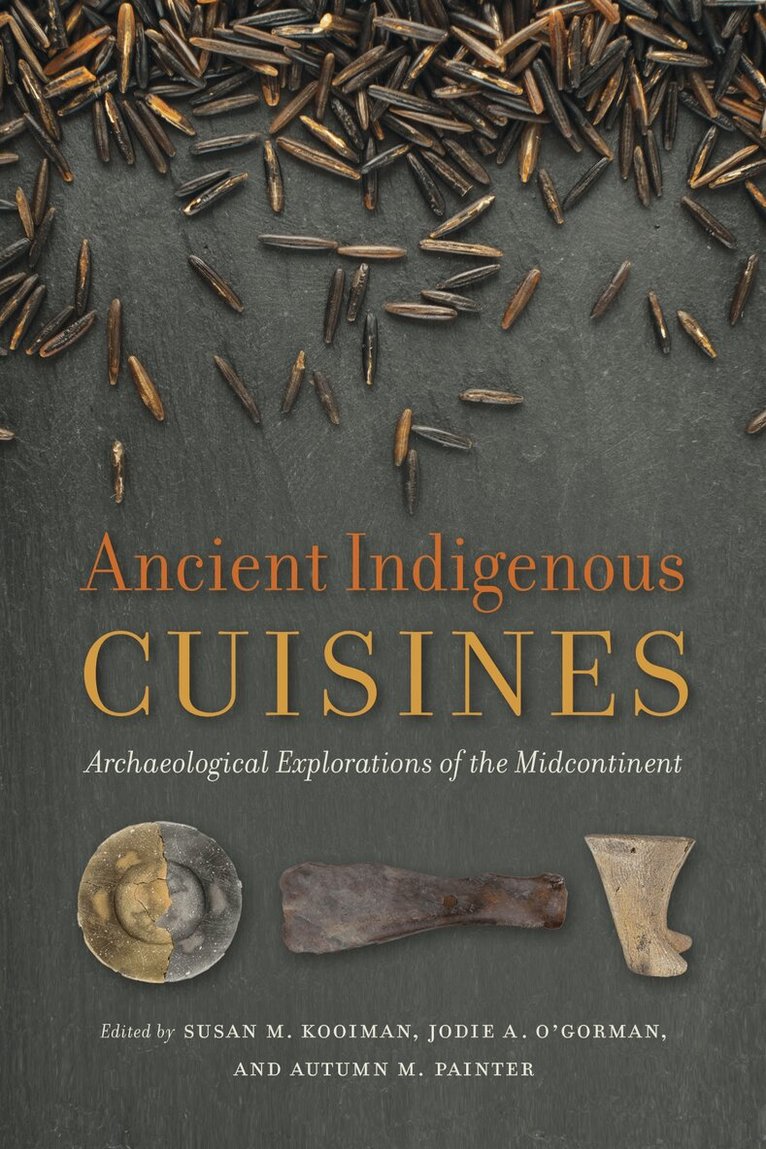
The first collection to incorporate the current trends in foodways archaeology using the concept of cuisine.
426 kr
Skickas inom 7-10 vardagar
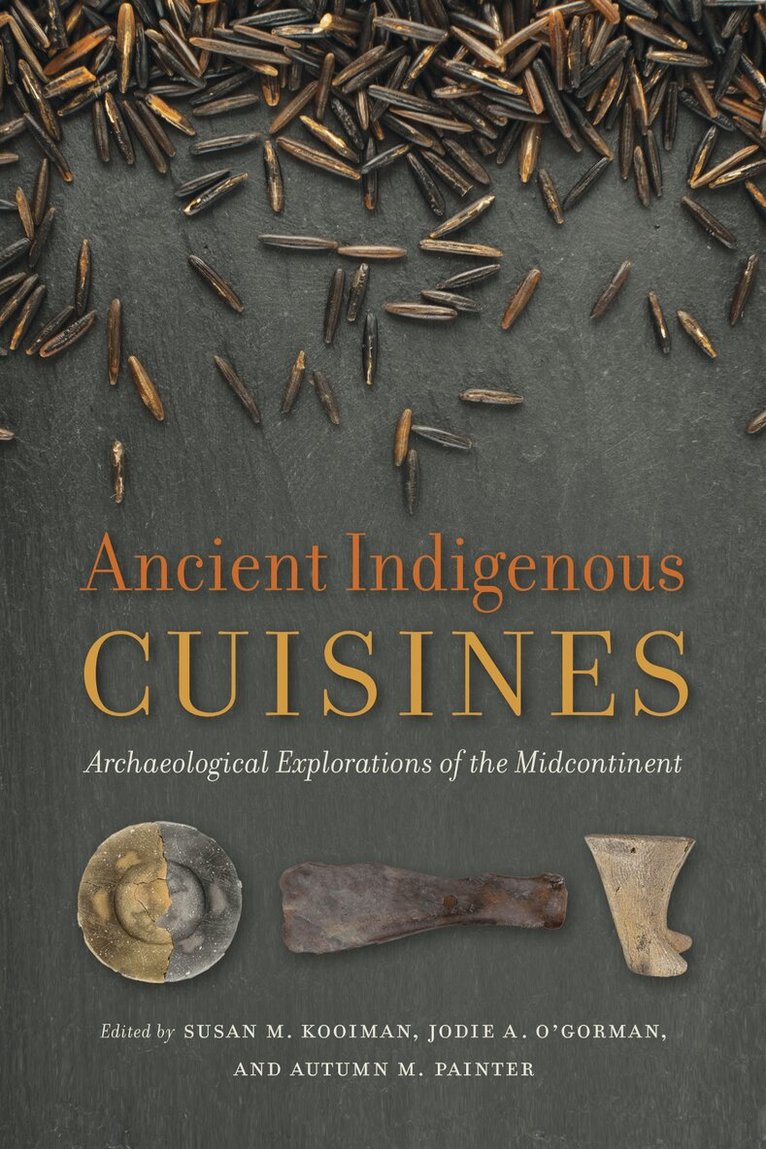
New essays from foodways archaeology related to cuisine in social, cultural, and environmental contextsThis collection of original essays is the first to cover recent trends in foodways archaeology in the Midwest using the concept of cuisine: the selection of food ingredients and methods of food preparation, cooking, and serving/consumption in relation to their social, cultural, and environmental contexts. This work span the Early Archaic (9000 BC) to Late Precontact (up to around AD 1500) in ecological zones of present-day Michigan, Indiana, Illinois, Wisconsin, Minnesota, North Dakota, and Manitoba. Chapters trace development from hunter-gathering to horticultural practices to the more robust farming/fishing/hunting model centered on maize, squash, and other domesticates. As Susan M. Kooiman, Jodie A. O’Gorman, and Autumn M. Painter note, identification of past cooking habits and evolving methods for foodstuffs identification can help archaeologists to reconstruct foodways and connect food behaviors with identity and associated fundamental societal beliefs. Contributors to this collection use cutting-edge methods and perspectives and consider a range of questions and outcomes that demonstrate the versatility and strength of culinary studies. To move the field forward, contributors also note areas for further analysis and improvement. This volume targets archaeologists and students, archaeobotanists and zooarchaeologists, and those curious about Indigenous food culture. Engaging content includes chapters on the construction of earth ovens, the use-alteration of pottery and residue, a discussion of cuisine combining plant and animal data with ceramic trends, and the various contexts of plates to understand cooking methods and the social role of cuisine. Others examine faunal remains, the plant remains of feasting, the introduction of maize, the use of limestone nixtamalization, and archaeobotanical assemblages that reveal shifts in cuisine. A conclusion addresses the question, Why cuisine?CONTRIBUTORSRebecca K. Albert / Alleen Betzenhauser / Jennifer R. Haas / Mary M. King / Susan M. Kooiman / Mary E. Malainey / Terrance J. Martin / Fernanda Neubauer / Kelsey Nordine / Jodie A. O’Gorman / Autumn M. Painter / Jeffrey M. Painter / Kimberly Schaefer / Mary Simon