Susan Valladares – författare
Visar alla böcker från författaren Susan Valladares. Handla med fri frakt och snabb leverans.
3 produkter
3 produkter
727 kr
Skickas inom 10-15 vardagar
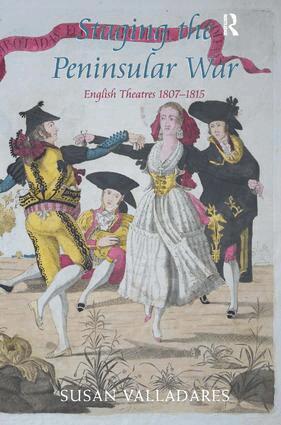
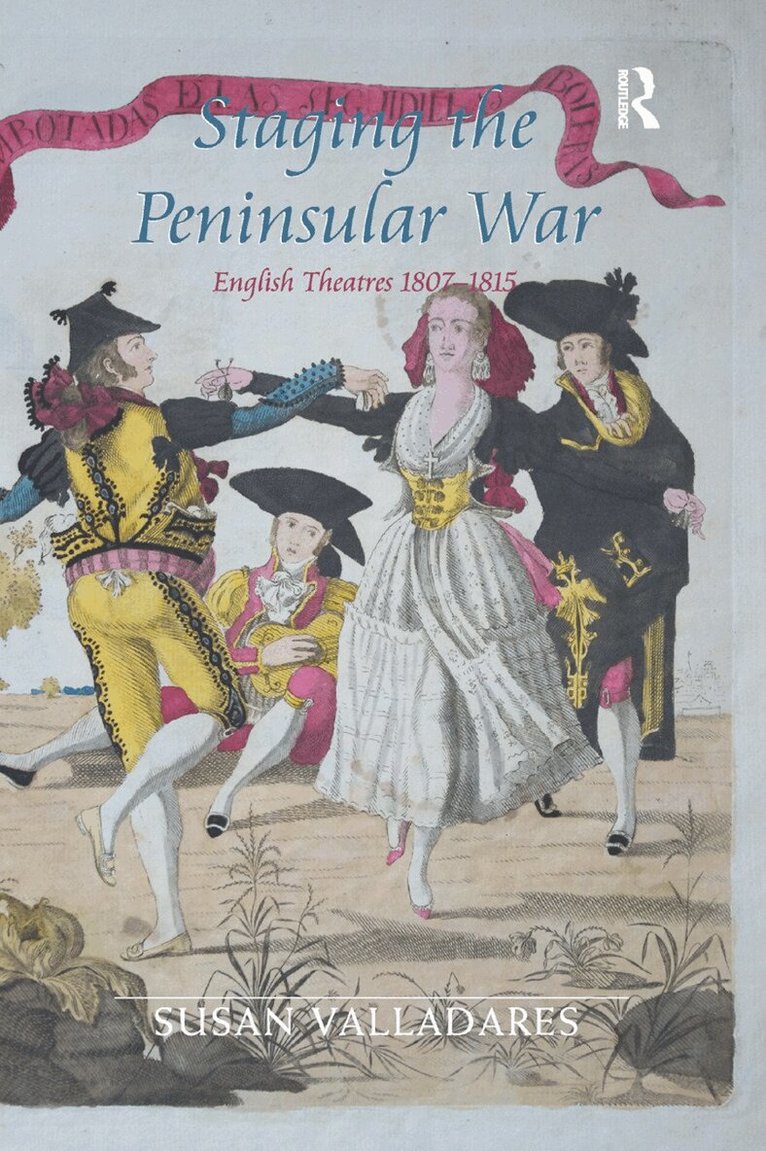
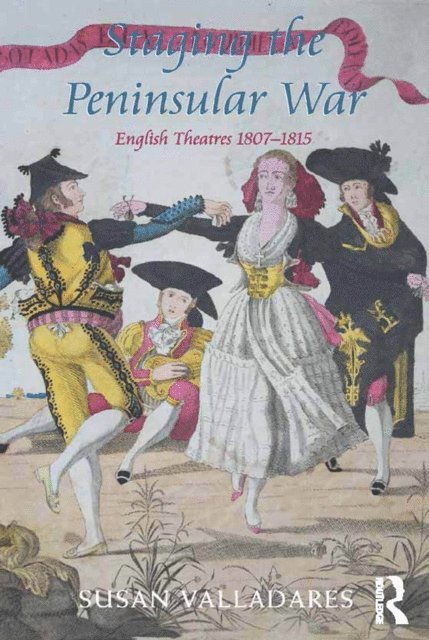
From Napoleon's invasion of Portugal in 1807 to his final defeat at Waterloo, the English theatres played a crucial role in the mediation of the Peninsular campaign. In the first in-depth study of English theatre during the Peninsular War, Susan Valladares contextualizes the theatrical treatment of the war within the larger political and ideological axes of Romantic performance. Exploring the role of spectacle in the mediation of war and the links between theatrical productions and print culture, she argues that the popularity of theatre-going and the improvisation and topicality unique to dramatic performance make the theatre an ideal lens for studying the construction of the Peninsular War in the public domain. Without simplifying the complex issues involved in the study of citizenship, communal identities, and ideological investments, Valladares recovers a wartime theatre that helped celebrate military engagements, reform political sympathies, and register the public’s complex relationship with Britain’s military campaign in the Iberian Peninsula. From its nuanced reading of Richard Brinsley Sheridan's Pizarro (1799), to its accounts of wartime productions of Shakespeare, description of performances at the minor theatres, and detailed case study of dramatic culture in Bristol, Valladares’s book reveals how theatrical entertainments reflected and helped shape public feeling on the Peninsular campaign.
2 430 kr
Skickas inom 10-15 vardagar
From Napoleon's invasion of Portugal in 1807 to his final defeat at Waterloo, the English theatres played a crucial role in the mediation of the Peninsular campaign. In the first in-depth study of English theatre during the Peninsular War, Susan Valladares contextualizes the theatrical treatment of the war within the larger political and ideological axes of Romantic performance. Exploring the role of spectacle in the mediation of war and the links between theatrical productions and print culture, she argues that the popularity of theatre-going and the improvisation and topicality unique to dramatic performance make the theatre an ideal lens for studying the construction of the Peninsular War in the public domain. Without simplifying the complex issues involved in the study of citizenship, communal identities, and ideological investments, Valladares recovers a wartime theatre that helped celebrate military engagements, reform political sympathies, and register the public’s complex relationship with Britain’s military campaign in the Iberian Peninsula. From its nuanced reading of Richard Brinsley Sheridan's Pizarro (1799), to its accounts of wartime productions of Shakespeare, description of performances at the minor theatres, and detailed case study of dramatic culture in Bristol, Valladares’s book reveals how theatrical entertainments reflected and helped shape public feeling on the Peninsular campaign.
Del 22 - Romantic Reconfigurations: Studies in Literature and Culture 1780-1850
Stock Pieces: British Repertory Theatre, 1760–1830
Inbunden, Engelska, 2024
2 247 kr
Skickas inom 7-10 vardagar
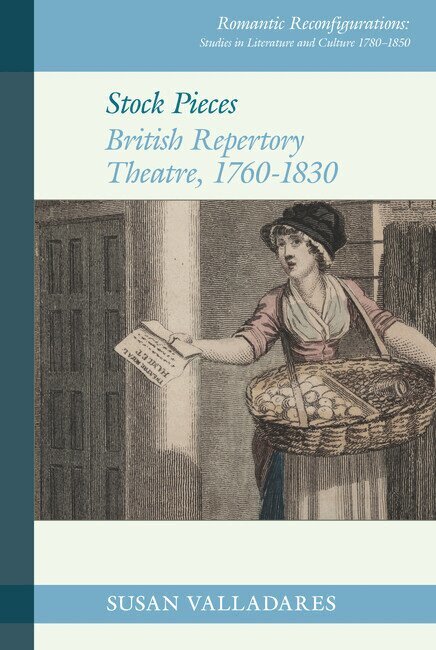
What do we gain from watching a familiar play for the nth time? This was a crucial question for Romantic-period theatre managers, who, to deliver varied programmes, relied on a repertoire of ‘stock’ entertainments performed in alternation with the latest plays. Repertory theatre was not new to the Romantic period, but it took on additional purchase at a time when the playhouse was not simply a site for entertainment but a government-controlled cultural institution and business, subject to sometimes extreme financial, political, and ideological pressures.Through an innovative selection of case studies drawn from deep archival research, Stock Pieces juxtaposes canonical with otherwise forgotten entertainments; unites the period’s professional and amateur dramatic cultures; and spans British metropolitan, provincial, and imperial geographies. The picture that emerges is fresh and compelling. Stock Pieces sheds light on the mechanics of stock piece status, the Romantic afterlives of Shakespeare’s near contemporaries (whose popular appeal declined as his increased), and the work of various agents (from pantomime arrangers to enslaved performers in Jamaica) who contested the repertoire’s received aesthetic and cultural values.It also explores the extent to which investments in the abolitionist cause were remediated by stock pieces that revived and reenacted the spectral violence of slavery and the slave trade – for various purposes.Stock Pieces showcases how the Romantic-period dramatic repertoire could be mobilised to signify social and political practices that operated outside the theatrical institution, crossed national borders, and dared to effect real change.