Susanna Egan - Böcker
Visar alla böcker från författaren Susanna Egan. Handla med fri frakt och snabb leverans.
4 produkter
4 produkter
534 kr
Skickas inom 10-15 vardagar
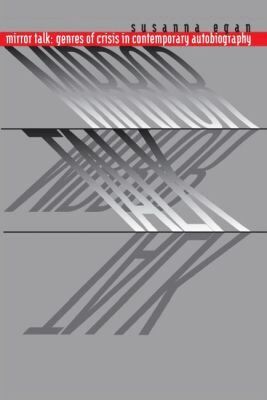
Traditional autobiography tends to originate in some form of crisis and to develop some form of resolution. In contrast, much contemporary autobiography deals with unresolved crises and cannot even assume authoritative, first-person narration. Susanna Egan finds such autobiographies dialogic in form, involving the reader in generic experimentation in their pursuit of shifting, uncertain meanings. After tracing the literary experimentation of contemporary genres to the inventiveness of modernism, she explores the generic contributions of drama, film, quilting, comics, and blended literary forms to changing genres of autobiography. Egan identifies lived crises--such as diaspora, genocide, and terminal illness--as the forces behind generic experimentation, suggesting dynamic intersections between trauma and cultural expression. Mirror Talk examines work by a wide range of autobiographers, including Primo Levi, Maxine Hong Kingston, Audre Lorde, Michael Ondaatje, Tom Joslin, Clark Blaise and Bharati Mukherjee, Sandra Butler and Barbara Rosenblum, Breyten Breytenbach, Linda Griffiths and Maria Campbell, Ernest Hemingway, Shirley Geok-lin Lim, Mary Meigs, Dennis Potter, and Trinh T. Minh-ha. |Focusing on crisis as revealed in autobiographical works, Susanna Egan shows how the individual's experience sets in motion a separation of the self into objective and subjective entities that become the basis of the narrative.
594 kr
Skickas inom 10-15 vardagar
Egan asks why autobiographers use patterns -- such as myths of paradise and paradise lost, the journey, conversion, and confession -- taken from fiction to express personal experiences. She suggests that these stages of the written life derive from psychological imperatives that determine how the self and the world are perceived. She examines the autobiographical works of Rousseau, Wordsworth, George Moore, and Thomas Carlyle and the writings of William Hale White, De Quincey, and John Stuart Mill.A UNC Press Enduring Edition -- UNC Press Enduring Editions use the latest in digital technology to make available again books from our distinguished backlist that were previously out of print. These editions are published unaltered from the original, and are presented in affordable paperback formats, bringing readers both historical and cultural value.
624 kr
Skickas inom 11-20 vardagar
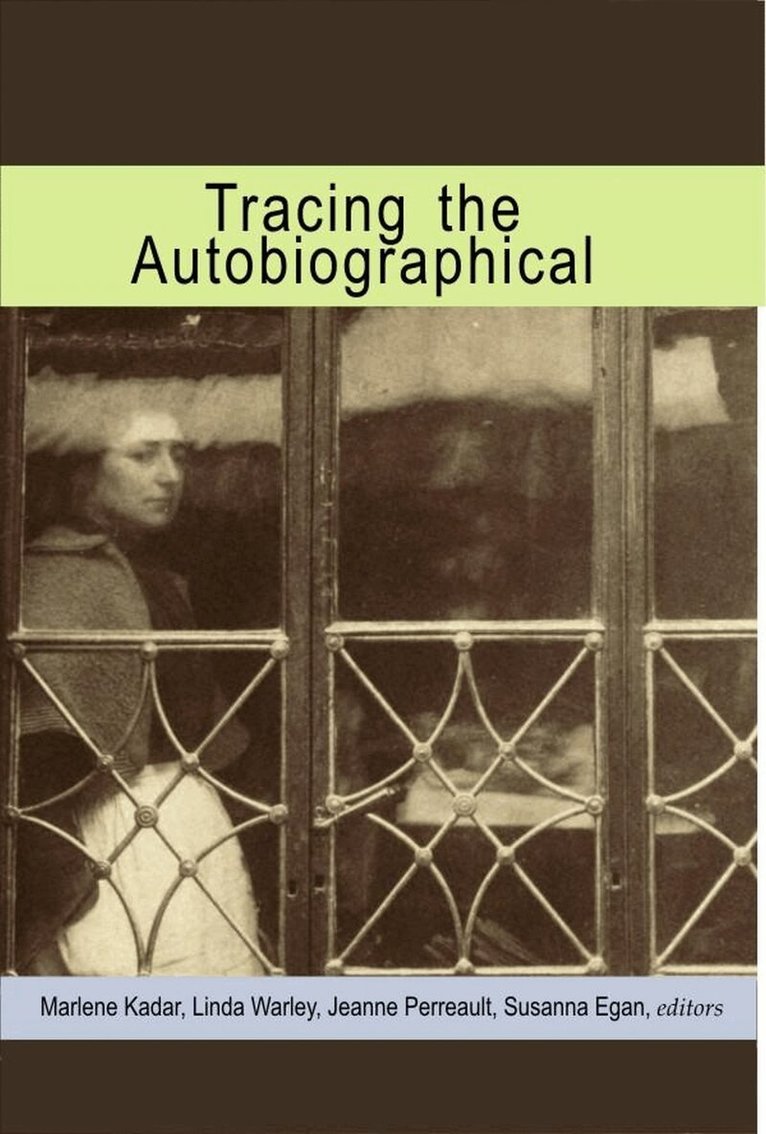
The essays in Tracing the Autobiographical work with the literatures of several nations to reveal the intersections of broad agendas (for example, national ones) with the personal, the private, and the individual. Attending to ethics, exile, tyranny, and hope, the contributors listen for echoes and murmurs as well as authoritative declarations. They also watch for the appearance of auto/biography in unexpected places, tracing patterns from materials that have been left behind. Many of the essays return to the question of text or traces of text, demonstrating that the language of autobiography, as well as the textualized identities of individual persons, can be traced in multiple media and sometimes unlikely documents, each of which requires close textual examination. These ""unlikely documents"" include a deportation list, an art exhibit, reality TV, Web sites and chat rooms, architectural spaces, and government memos, as well as the more familiar literary genres - a play, the long poem, or the short story. Interdisciplinary in scope and contemporary in outlook, Tracing the Autobiographical is a welcome addition to autobiography scholarship, focusing on non-traditional genres and on the importance of location and place in life writing. Read the chapter ""Gender, Nation, and Self-Narration: Three Generations of Dayan Women in Palestine/Israel"" by Bina Freiwald on the Concordia University Library Spectrum Research Repository website.
448 kr
Skickas inom 10-15 vardagar
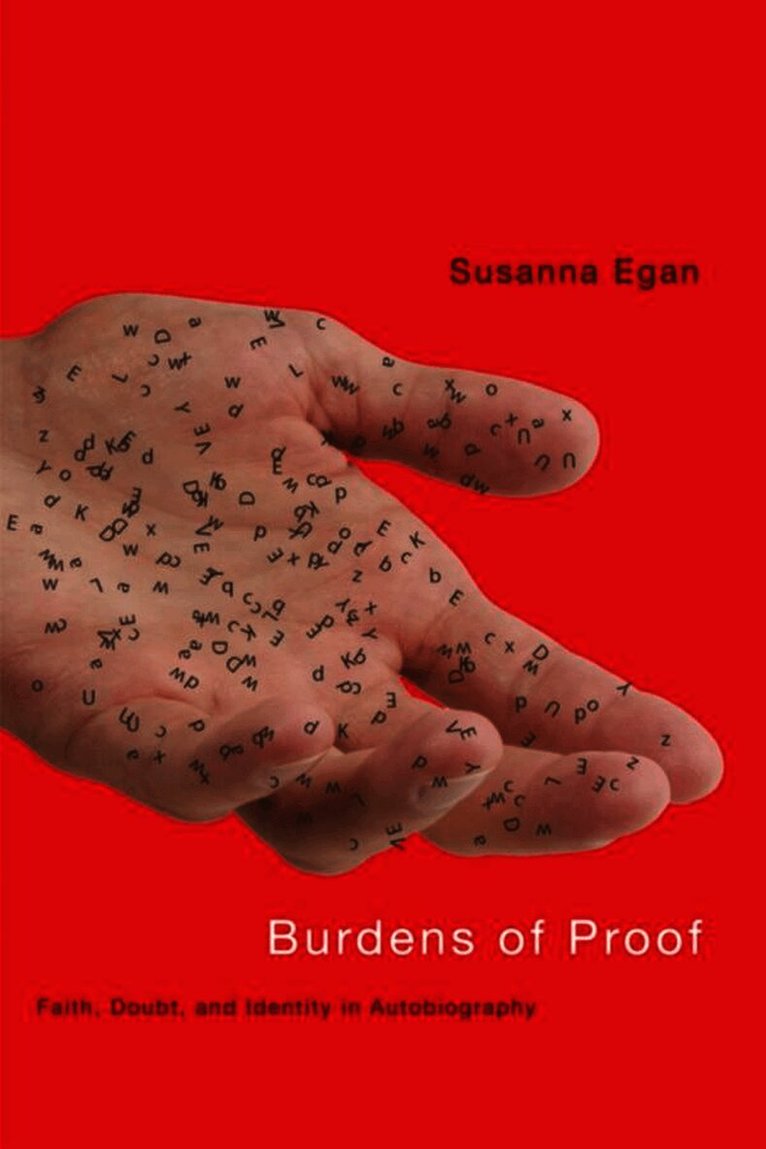
Autobiographical impostures, once they come to light, appear to us as outrageous, scandalous. They confuse lived and textual identity (the person in the world and the character in the text) and call into question what we believe, what we doubt, and how we receive information. In the process, they tell us a lot about cultural norms and anxieties. Burdens of Proof: Faith, Doubt, and Identity in Autobiography examines a broad range of impostures in the United States, Canada, and Europe, and asks about each one: Why this particular imposture? Why here and now? Susanna Egan's historical survey of texts from early Christendom to the nineteenth century provides an understanding of the author in relation to the text and shows how plagiarism and other false claims have not always been regarded as the frauds we consider them today. She then explores the role of the media in the creation of much contemporary imposture, examining in particular the cases of Jumana Hanna, Norma Khouri, and James Frey. The book also addresses ethnic imposture, deliberate fictions, plagiarism, and ghostwriting, all of which raise moral, legal, historical, and cultural issues. Egan concludes the volume with an examination of how historiography and law failed to support the identities of European Jews during World War II, creating sufficient instability in Jewish identity and doubt about Jewish wartime experience that the impostor could step in. This textual erasure of the Jews of Europe and the refashioning of their experiences in fraudulent texts are examples of imposture as an outcrop of extreme identity crisis. The first to examine these issues in North America and Europe, Burdens of Proof will be of interest to scholars of life writing and cultural studies.